
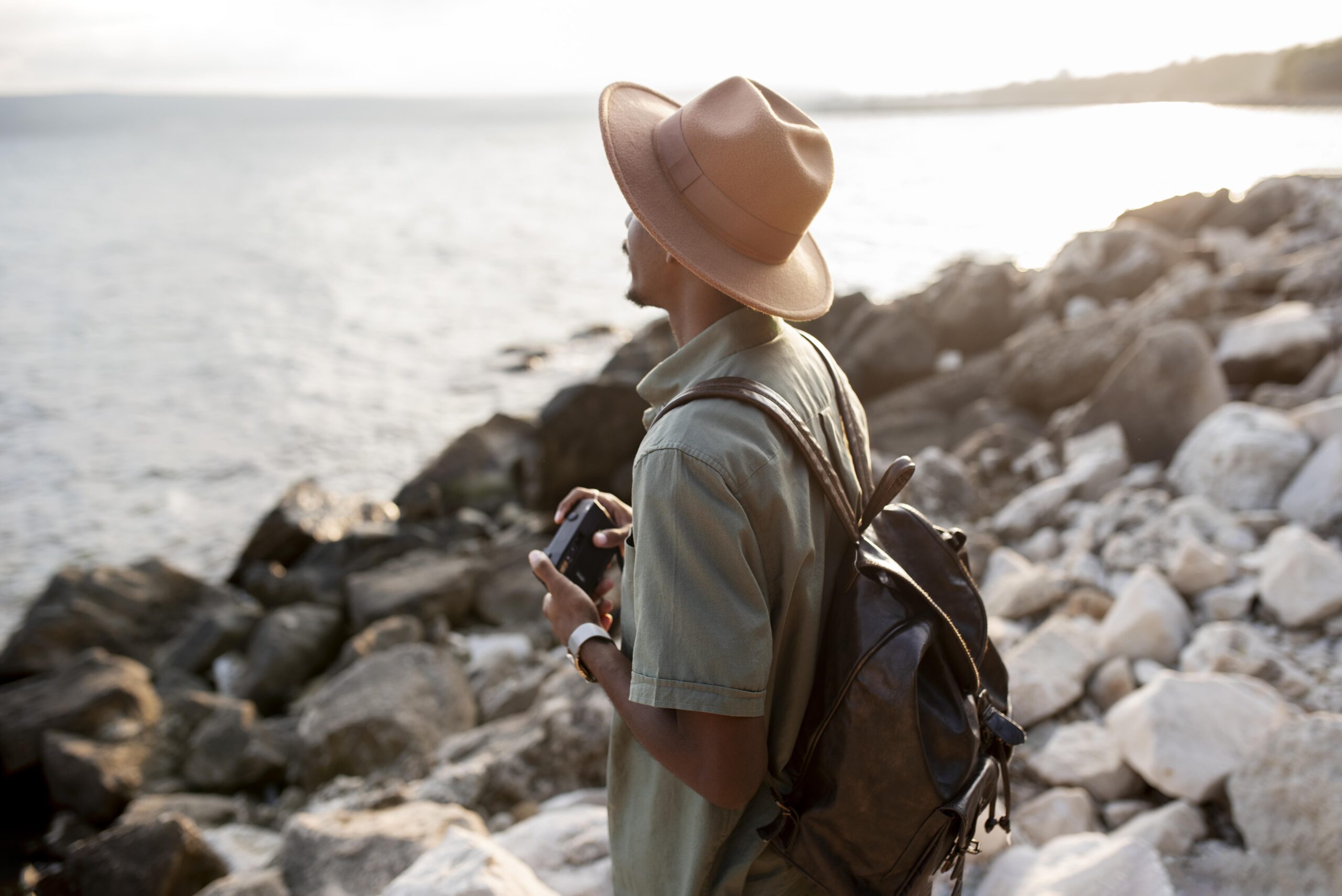
When we talk about travel aesthetics we are reaching beyond mere snapshots of sunsets and beach loungers. We are diving into a mindset, a set of values, a sensory way of engaging with places that transforms travel from checklist to living, breathing story. The term intersects beauty, authenticity, intention, and reflection. In our age of Instagram feeds and TikTok reels, it carries weight—but its deeper value lies in how it can help us reconnect with our surroundings, our selves, and the world in more meaningful ways.
If you’ve ever landed in a new city and thought the place felt flat despite perfect photos, or returned home wondering why your memories don’t match your camera roll—then you’ve confronted the gap between travel as consumption and travel as aesthetic practice. This article will explore how to embrace travel aesthetics in a way that feels rich, honest, and sustainable. We will scrutinize the trend, celebrate its promise, acknowledge the pitfalls, and offer concrete strategies you can apply the next time you set foot in a destination.
What Travel Aesthetics Really Mean
At its core, travel aesthetics is about more than pretty images—it is about experiencing a place through multiple senses and making choices that reflect your values and story. Scholars define aesthetic experience in tourism as one that involves visual, bodily, olfactory, auditory, and even gustatory cues (researchgate.net).
In travel contexts, one writer describes the aesthetic traveller as someone who “seeks and creates beauty in their travels” and treats the trip as part of their personal narrative rather than simply packing in destinations (ginaonaplane.com).
Researchers highlight that aesthetic judgments of a destination can go far beyond appearance. They involve harmony, contrast, the unique character of a place, and how that place resonates with the traveller’s internal state (researchgate.net).
So when you aim for travel aesthetics you are seeking:
- To engage with a place in a way that feels aligned with your self‑story.
- To pause and let the environment speak to you rather than rushing ahead.
- To notice design, architecture, nature, and human rhythms.
- To integrate these elements into your memories rather than treat places as mere backdrops.
This approach elevates your travel from “visited list” to “felt story.”
Why Travel Aesthetics Matter Now
Travel has become easier, faster, and more visual than ever. There is also growing fatigue with shallow snapshots and superficial itineraries. In that context, travel aesthetics offers deeper reward.
1. Visual Culture Has Multiplied
With smartphones and social media, the visual dimension of travel has exploded. People curate feeds, seek Instagrammable moments, and often feel pressure to show the “perfect shot” (cntraveller.com).
2. People Are Longing for Authenticity
When destinations become too generic—hotel chains everywhere, the same cafes everywhere—the aesthetic dimension helps bring uniqueness back. A recent article pointed out how travellers can pass through faster than ever yet engage less meaningfully with places (wallpaper.com).
3. Experience Matters More Than Ever
In a world of consumption and acceleration, travel can bring back meaning through aesthetics. It helps you pause, reflect, and reconnect. A philosophy journal even argued that travel is an “aesthetic justification” of life itself—allowing us to rediscover ourselves (philosophynow.org).
Setting travel aesthetics as a guiding pillar changes not only how you plan or photograph but how you feel when you travel.
Risks of Pursuing Aesthetics Superficially
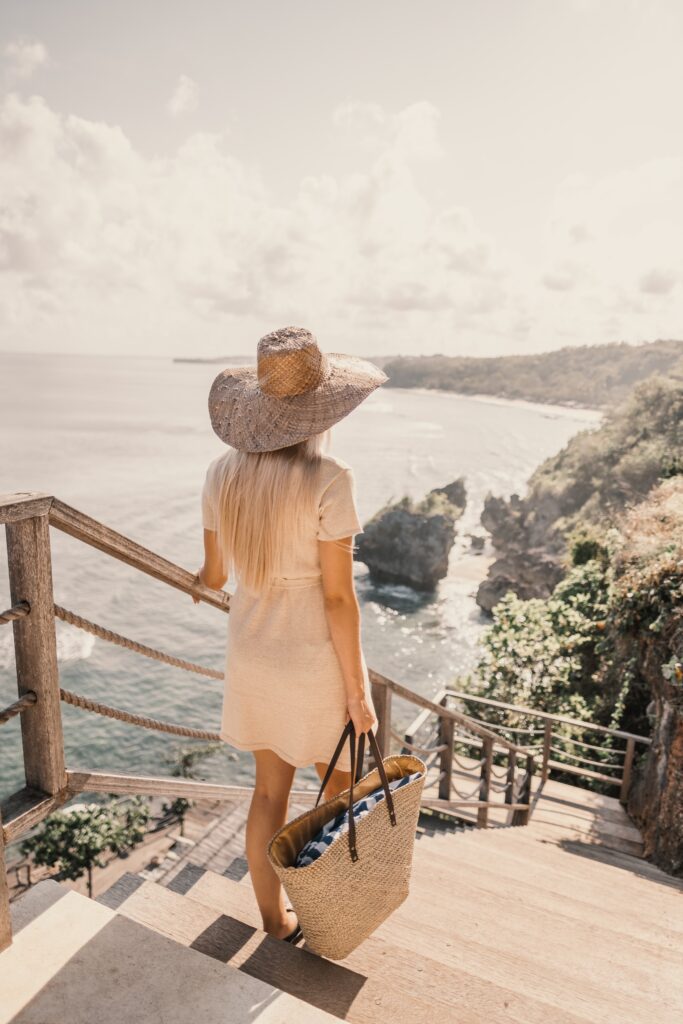
But there is a caution. Doing aesthetics wrong can degrade the value of travel for you and others. Major pitfalls include:
Thumbnail Culture Versus Genuine Engagement
Reducing a destination to its most photographed angle ignores broader reality. For instance, the trend of “airport tray aesthetic” on social media showed how travel moments become staged rather than lived (cntraveller.com).
Cultural Flattening
Travel aesthetics can reduce complex places into “cute” backdrops, ignoring social, historical, or cultural depth. Tourism filtered through aesthetic clichés can perpetuate stereotypes (timeout.com).
Overcrowding and Saturation
When many travellers chase the same aesthetic spots, those places lose their magic—and your own experience can become compromised.
The goal is not to abandon aesthetics but to ground them. Link aesthetics to experience, context, and respect, and avoid turning your journey into a photo shoot.
How to Travel with Aesthetic Intention
Embracing travel aesthetics requires conscious choices and mindful observation. By cultivating an aesthetic mindset, you transform each journey into a rich, layered experience. Here are actionable strategies to travel aesthetically:
Choose Destinations with Depth and Texture
Seek places where design, architecture, nature, and culture intersect. Avoid overly commercialized tourist spots and explore streets, neighborhoods, and natural areas that reflect local life. Historic districts, artisanal workshops, coastal towns with unique charm, and less visited natural landscapes all provide environments where aesthetics flourish. The key is to notice the subtleties—the curve of a doorway, the play of light on cobblestones, the rhythm of local markets.
Engage All Your Senses
Aesthetic travel is not just about what you see. Listen to the ambient sounds of a city or nature, feel the texture of materials in a market or craft studio, smell spices, flowers, or the salt air, and taste local food with attention. Engaging multiple senses deepens your perception and allows you to experience a location fully (researchgate.net).
Respect the Story of Place
Before taking photos, pause to ask yourself: what is this place beyond its appearance? Who lives here? How does the environment shape daily life? Observing and engaging with the local story enriches your understanding and gives your experiences context. For instance, visiting a local bakery and learning the traditional process for bread-making provides more aesthetic and cultural depth than merely photographing the exterior.
Plan for Quiet and Unstructured Moments
Resist the urge to pack itineraries with constant movement. Build time for wandering streets without a destination, sitting at a café, or exploring during off-peak hours. These quiet moments often produce the richest aesthetic experiences. The early morning streets of Kyoto, the golden hour light on Lisbon rooftops, or the stillness of a forest trail provide immersive experiences that are unforgettable precisely because they are unplanned.
Use Photography as Reflection, Not Performance
Your camera or phone should serve memory-making rather than performance. Capture moments thoughtfully, with attention to light, composition, and mood, but avoid prioritizing social media validation. Photographing for presence rather than likes preserves authenticity.
Integrate Sustainability into Your Aesthetic Choices
Ethics and beauty can coexist. Support local artisans, choose small and eco-conscious accommodations, and minimize environmental impact. Aesthetic travel is enhanced when your actions align with the principles of respect, sustainability, and mindfulness.

Aesthetic Travel in Practice
Here are practical examples to illustrate aesthetic travel in different contexts:
Urban Heritage Quarter at Dusk
Picture wandering cobbled streets lined with historic buildings and glowing street lamps. You pause at an outdoor café to sip tea while observing local life. The experience is richer than any photograph alone. Returning later, when the streets are quiet and shadows shift, provides a completely different aesthetic impression.
Nature and Solitude Beyond Popular Lookouts
Instead of visiting a crowded viewpoint, rise early to witness a valley bathed in soft morning light. Listen to wind rustling through trees, feel stone textures under your fingers, and let silence dominate. Such moments provide aesthetic depth that goes beyond the curated “postcard” view.
Craft, Design, and Local Nuance
Visiting a workshop or artisan studio offers more than visuals. Watching tools in motion, feeling the textures of raw materials, and hearing the stories behind each creation adds layers of meaning. The aesthetic experience is enriched through direct engagement with human skill and local traditions.
Festival and Cultural Immersion
Experiencing local festivals, music, or dance can amplify aesthetic engagement. Observing the rhythm, colors, and energy of a celebration while noting cultural significance creates a more holistic aesthetic memory than simply taking photos of costumes or decorations.
Travel Aesthetic Planning Checklist
A practical checklist can help guide aesthetic travel:
- Travel during soft light hours for immersive experiences and better photography.
- Research local culture, heritage, and artisan traditions to discover hidden gems.
- Include at least one unstructured period daily to wander or explore without agenda.
- Carry minimal gear to reduce distraction and enhance presence.
- Allocate time for reflection through journaling, sketching, or recording sound and impressions.
- Balance iconic attractions with less-known spaces to avoid shallow experiences.
- Prioritize environmental sustainability and local support in travel choices.
- Capture stories and emotions, not just visuals, ensuring memories remain rich and personal.
- Engage with locals meaningfully to understand culture, crafts, and daily life.
- Explore sensory contrasts—quiet streets, bustling markets, light and shadow interplay—to deepen aesthetic perception.
Where Aesthetic Travel Intersects with Digital Culture
Social media and digital trends have amplified travel aesthetics. Platforms display pastel streets, sunlit rooftops, and carefully staged moments (vogue.com.au). While these images inspire, they can also create tension between curated appearances and genuine engagement.
Chasing perfect photos for social media may undermine the depth of experience (cntraveller.com). Use digital platforms as inspiration rather than a blueprint. Authentic aesthetic travel emerges from reflection, presence, and meaningful interaction with your surroundings.
The Journey Inward Through Travel Aesthetics
One of the most profound aspects of aesthetic travel is the inner journey it fosters. Traveling with awareness allows you to step outside routine and habitual perspectives (philosophynow.org).
Aesthetic travel nurtures reflection and transformation. By observing cities, landscapes, and local life deeply, you begin to see yourself in relation to the world. Quiet walks, sitting under a tree, or listening to unfamiliar languages teach humility and attention.
Upon returning home, photographs may fade, but aesthetic experiences endure. The memory of dawn in a mountain valley, the rustle of leaves on a coastal path, or the energy of a local festival persists, shaping your understanding of travel and self.
Expanding the Benefits of Travel Aesthetics
Enhancing Mindfulness
Travel aesthetics encourages presence. When you focus on subtle details—patterns of light, sounds of a market, textures under your fingers—you cultivate mindfulness. This practice reduces stress, encourages reflection, and enhances emotional well-being.
Boosting Creativity
Immersive travel experiences often inspire creativity. By observing the interplay of colors, shapes, and human activity, aesthetic travel stimulates ideas for writing, photography, design, or problem-solving. The brain absorbs new stimuli and connections that extend beyond the trip.
Strengthening Emotional Memory
Aesthetic travel prioritizes experiences that engage multiple senses. Research shows that multi-sensory experiences create stronger memory encoding. You are more likely to recall the smell of spices in a market, the sound of waves, or the feel of handcrafted textiles than a list of landmarks visited.
Fostering Empathy and Cultural Understanding
By engaging deeply with local life, travel aesthetics cultivates empathy. You observe routines, traditions, and social norms firsthand, appreciating nuances that are often missed in superficial tourism. This enhances cross-cultural understanding and sensitivity.
Incorporating Travel Aesthetics Into Everyday Travel
Travel aesthetics is not limited to international trips or expensive journeys. You can apply the same principles to local exploration:
- Revisit your city or neighborhood with fresh eyes. Walk streets at sunrise or dusk, explore local markets, or visit cultural hubs.
- Plan short trips with slow pacing. Allocate unstructured time to observe and absorb surroundings.
- Apply aesthetic principles to everyday life. Notice architectural details, textures, or soundscapes. Use journaling, sketching, or audio recording to capture sensory impressions.
- Prioritize engagement over consumption. Focus on experiences, interactions, and reflections rather than photographs alone.
This approach ensures that aesthetic travel is a mindset and lifestyle, not dependent on budget, distance, or fame of destinations.
Final Reflections
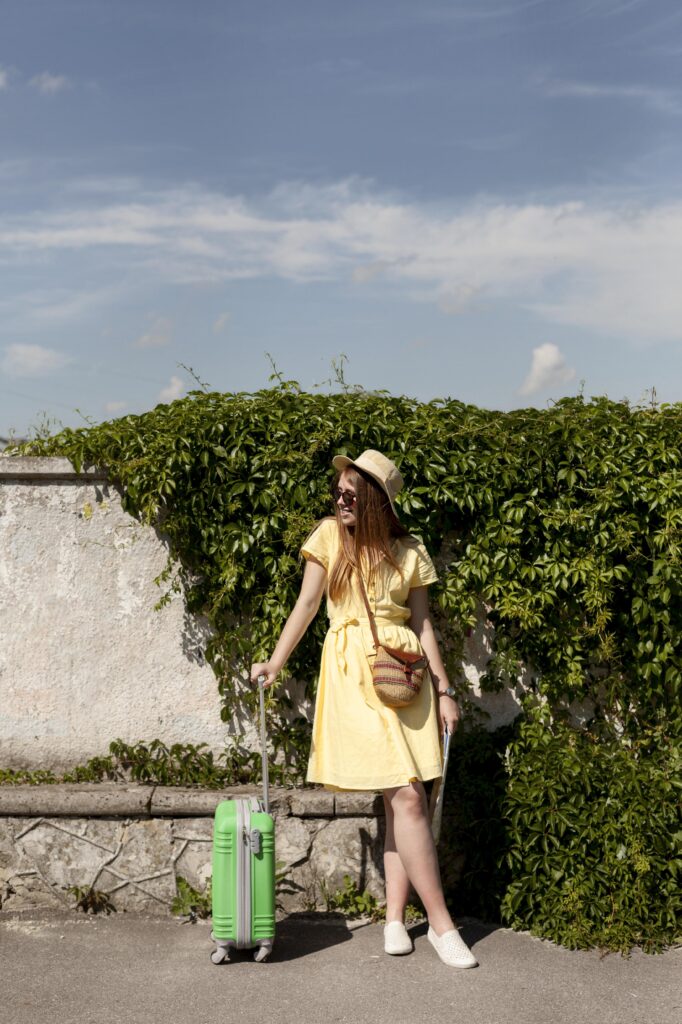
Travel aesthetics transforms the act of traveling into an immersive and reflective journey. It elevates experiences from the superficial to the meaningful, making every moment—whether a bustling street, quiet nature trail, or local café—rich with observation and intention.
Prioritize presence, context, and story. Avoid reducing places to photographic backdrops or checklist items. Engage with environments, observe thoughtfully, and reflect on your experiences. The memories created through travel aesthetics endure far beyond the physical trip, shaping perception, personal growth, and your approach to life and travel.
By consciously practicing travel aesthetics, you are not just a traveler—you become an observer, a storyteller, and a participant in the places you visit.
Frequently Asked Questions (FAQs)
What is travel aesthetics and how does it differ from traditional travel experiences?
Travel aesthetics is the practice of engaging deeply with a place through all senses and personal reflection. Unlike traditional travel that often emphasizes landmarks or itineraries, aesthetic travel focuses on atmosphere, mood, cultural context, and sensory immersion, creating richer and longer-lasting memories.
Can anyone practice travel aesthetics, or is it only for experienced travelers?
Anyone can practice travel aesthetics. It is a mindset, not a skill level or budget. Beginners can start by slowing down, observing details, engaging with locals, and reflecting on their experiences, even in familiar environments.
How can travel aesthetics enhance digital content creation ethically?
Travel aesthetics allows creators to focus on storytelling, context, and sensory details rather than staged images. By highlighting authentic experiences and supporting local communities, content becomes both engaging and responsible. Include context, cultural insights, and ethical considerations alongside visuals.
Is travel aesthetics compatible with sustainable travel practices?
Yes. Aesthetic travel encourages mindful exploration, supporting local artisans, eco-conscious accommodations, and minimal environmental impact. It promotes depth and reflection over rapid consumption, naturally aligning with sustainable travel principles.
How can aesthetic travel improve mental health and creativity?
Aesthetic travel cultivates mindfulness, reduces stress, and strengthens emotional memory through sensory engagement. Exposure to new environments and cultural contexts stimulates creativity, inspiring new perspectives, ideas, and artistic expression.
How do you maintain aesthetic travel while traveling in a group or with limited time?
Prioritize shared moments of mindfulness and observation even in group settings. Rotate responsibilities to allow individual reflection or quiet time, and schedule short pockets of unstructured exploration. Intentional pacing helps maintain aesthetic engagement even within constraints.
Related Content
https://exploretravel.blog/ireland-travel-packages-top-10-experiences/