

Travel has changed completely over the past decade. What once required printed maps, handwritten itineraries, and long calls to travel agencies can now be managed inside one app on your phone. This transformation is driven by a powerful digital tool known as the travel application.
A travel application is not just a booking tool. It is a digital companion that helps you before, during, and even after your journey. Whether you are a student planning a trip with friends, a business traveler managing meetings, or a family preparing for a vacation, a well-designed travel application has become an essential part of the experience. According to the World Tourism Organization, digital tools like travel applications are now central to global tourism growth.
What Is a Travel Application
A travel application is any software program created to make travel easier, smarter, and more organized. It can be mobile based or web based. These applications assist with many parts of travel such as trip planning, hotel and flight booking, navigation, communication, expense tracking, or even language translation.
For example, Google Maps helps travelers navigate cities. TripIt manages itineraries. Airbnb connects you with local accommodations. TripAdvisor helps you find the best places to eat and explore. Each one serves a different purpose, but all of them belong to the same family of travel applications.
The main difference between a travel booking app and a travel application is scope. A travel booking app focuses only on making reservations. A travel application covers the entire travel journey from the moment you start researching a destination until the time you return home.
Why Travel Applications Are Important
The world has become faster, and people expect travel to be as smooth as possible. Travel applications fill that need by combining technology, information, and convenience into one place. Here are the main reasons they matter so much today:
- Instant access to information
Travelers no longer need to rely on printed guides or local agents. A travel application gives you instant access to flight schedules, hotel details, nearby attractions, and weather forecasts in just seconds. - Personalized travel experience
Modern travel applications learn from your behavior and choices. They use data to recommend destinations, restaurants, and activities that match your preferences. Every traveler’s journey becomes unique and more enjoyable. - Saving time and money
Without a travel application, travelers often jump between different websites and waste hours comparing options. With one reliable app, users can find everything in one place, compare prices, and make quick decisions that save both time and money. - Sustainable travel
A growing number of travel applications now promote eco-friendly options. They highlight hotels that use renewable energy, suggest public transport routes, and even calculate your carbon footprint to encourage responsible travel. - Post pandemic convenience
After the global pandemic, safety became a top priority. Travel applications now offer contactless check-ins, digital health records, and automatic safety alerts. These features make traveling more secure and less stressful.
The Role of Technology in Travel Applications
The power of travel applications lies in the technology behind them. Artificial intelligence, data analytics, and cloud computing have changed how these applications operate and how travelers interact with them.
- Artificial intelligence for personalization
Artificial intelligence allows travel applications to understand user behavior. When a user searches for flights, books hotels, or browses activities, the system learns and refines its future recommendations. This constant improvement creates a sense of personal attention. - Augmented reality for discovery
Some advanced travel applications use augmented reality to enhance exploration. You can point your phone camera at a monument or street, and the application displays useful information, historical details, and nearby recommendations right on your screen. - Blockchain for security
As travelers share sensitive data like passports and credit card details, security is crucial. Blockchain technology helps in creating transparent, safe, and traceable transactions that build trust between users and service providers. - Cloud synchronization
Cloud storage allows users to plan on one device and continue on another. You can start planning a trip on your computer and then check your saved itinerary on your phone while traveling. Everything stays updated automatically.
How a Travel Application Enhances the Journey
Travel applications add value at every step of the journey. Here is how they make travel more organized and enjoyable.
- Before the trip
They help users research destinations, set budgets, compare flight and hotel options, and even build a day-by-day itinerary. Some applications also notify you about visa rules and travel advisories. - During the trip
While you are traveling, the application acts as your personal guide. You can check flight updates, access hotel bookings, translate local signs, use offline maps, and track expenses. Some applications also suggest hidden spots that regular tourists often miss. - After the trip
Once you are back home, a travel application helps you store your memories, organize your photos, and review your experiences. Many travelers share their reviews through these platforms, which helps future travelers and improves the apps themselves.
Main Categories of Travel Applications
The travel industry is wide and diverse. Every type of travel application targets a specific purpose. Below are the most common categories.
- Booking applications
These focus on booking flights, hotels, or car rentals. Examples include Expedia, Booking dot com, and Skyscanner. - Itinerary management applications
Applications like TripIt or Roadtrippers collect all your bookings and convert them into an organized travel plan that you can easily access on the go. - Navigation and transport applications
Google Maps, Moovit, and Rome2Rio help travelers move confidently through unfamiliar cities by offering real-time routes and public transport guidance. - Social travel applications
These connect travelers with local communities and other tourists. TripAdvisor and Couchsurfing are good examples of this category. - Budget tracking applications
Tools like Trail Wallet help travelers monitor expenses, convert currencies, and stay within their budget throughout the journey. - Language assistance applications
Google Translate and Duolingo make communication easier in foreign countries, especially where language barriers can cause confusion. - Event and activity applications
Platforms like Eventbrite and Meetup allow travelers to discover local concerts, exhibitions, or social gatherings happening nearby.
Why the Competition Among Travel Applications Is Growing
With millions of downloads every year, travel applications form one of the most competitive markets in the digital world. The success of a travel application depends on user trust, design quality, and how well it understands real traveler problems.
Travelers today are not loyal to apps just for their features. They stay loyal because of the overall experience. A great travel application makes users feel confident and cared for. When an app consistently delivers accurate results, quick support, and smooth navigation, it earns long-term users and positive reviews that fuel its growth.
The Importance of SEO for Travel Applications
If you are building or promoting a travel application, search engine optimization is essential. The keyword “Travel Application” is highly competitive, so ranking for it requires consistent effort and content that genuinely helps readers.
Here are some effective SEO strategies for the travel niche:
- Create detailed and helpful blog content that solves real travel problems rather than promoting only your brand.
- Use location-specific keywords to attract users from different regions.
- Optimize your app store description with natural keywords and appealing screenshots.
- Encourage user-generated reviews to increase credibility.
- Update your website or app content regularly to match seasonal travel patterns.
SEO in the travel industry is not about quick ranking tricks. It is about building authority, credibility, and trust. Travelers naturally gravitate toward sources that provide value, not just information.

How Travel Applications Are Transforming Modern Tourism
Travel applications have completely changed the way people plan, book, and experience their journeys. From budget travelers to luxury explorers, everyone today relies on travel apps to simplify every step of the journey. Let’s dive deeper into how these apps are reshaping modern travel and why their importance continues to grow.
1. The Digital Shift in Tourism
Before the rise of travel applications, travelers used to rely on paper tickets, guidebooks, and travel agents. Now, everything has moved into one digital ecosystem. Whether you want to find the cheapest flights, explore hidden destinations, or manage hotel check ins and transport, a single travel application can handle it all.
This digital transformation has not only made travel faster but also more personalized. Artificial Intelligence in travel apps tracks your preferences, predicts your needs, and offers tailored suggestions that feel human rather than algorithmic.
2. Personalization and Smart Recommendations
Modern travel applications go beyond showing routes and prices. They analyze user data such as past trips, location preferences, and spending habits to create a travel experience designed specifically for the user.
Here’s how personalization improves travel experiences:
- Apps like Hopper or Skyscanner recommend the best time to book flights.
- Airbnb suggests stays based on past bookings and saved lists.
- TripAdvisor tailors restaurant and attraction suggestions based on previous ratings.
Such personalized experiences give users a sense of control and satisfaction, increasing trust in the app.
3. Simplified Booking and Payment Systems
A big reason travel applications have taken over is their ease of booking. Instead of juggling multiple websites or agencies, users can manage everything within one app.
Most travel applications now feature:
- Instant booking confirmations for hotels and flights
- Secure online payment gateways with refund and wallet options
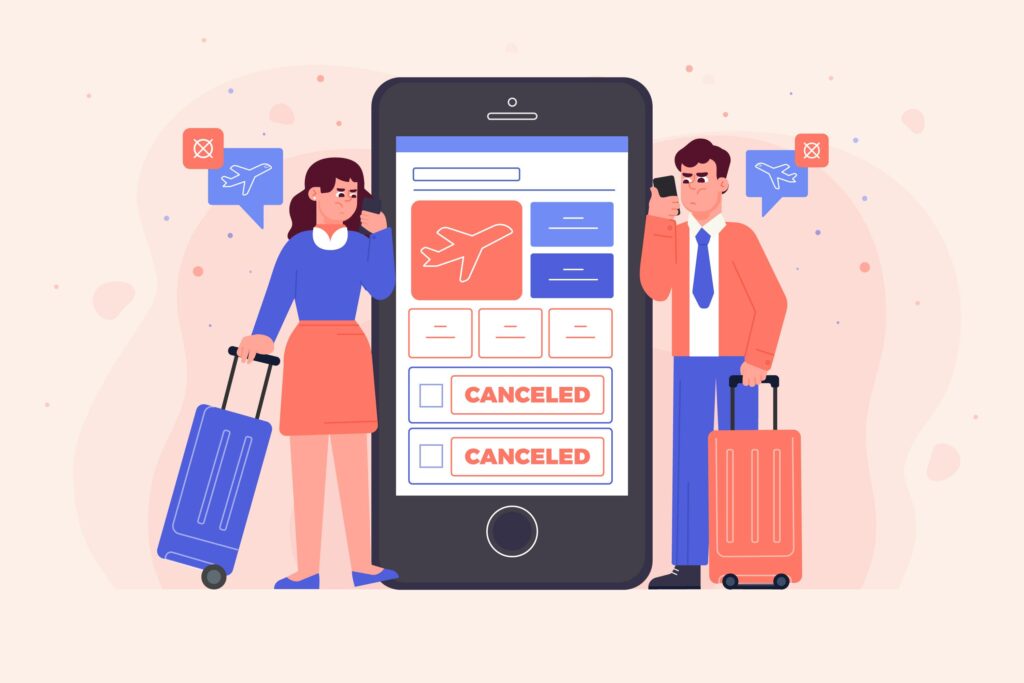
- Flexible cancellation policies that adjust to last minute plan changes
These features remove uncertainty and build confidence among travelers. Security systems such as two step verification and biometric login also protect user data, which encourages more people to use digital travel platforms.
4. Real Time Travel Assistance
Travel can be unpredictable, and that’s where travel applications stand out. They provide real time updates and support that make trips smoother.
Examples include:
- Flight status notifications in apps like FlightAware
- Navigation updates through Google Maps
- Local language translation through Google Translate or iTranslate
- Currency conversion tools integrated in booking apps
These small but powerful tools transform potential challenges into easy solutions. Travelers can react instantly without panic or confusion, even in new countries.
5. Travel Community and Social Integration
Many travel applications are now integrating community features where users share experiences, photos, and reviews. Apps such as TripAdvisor, Travello, and Couchsurfing have built entire ecosystems of travelers who help each other.
This sense of community gives users authentic information rather than just promotional content. Real traveler photos, reviews, and suggestions have far more credibility than sponsored ads. For a new traveler, this can make the difference between an average trip and a truly memorable journey.
6. Language, Culture, and Accessibility
A strong point of modern travel applications is their ability to remove language and cultural barriers. With multilingual support, travelers can easily access guides and directions in their own language.
For example:
- Apps translate menus, signs, and conversations in real time
- Some apps provide cultural etiquette guides to help tourists avoid misunderstandings
- Accessibility features assist people with disabilities through voice commands and readable text
Such tools make global travel inclusive for everyone, regardless of background or ability.
7. Local Experiences Through Apps
Beyond flights and hotels, many travelers now use apps to discover unique local experiences. These include local food tours, hidden hiking trails, or cultural events that most tourists miss.
Travel applications such as GetYourGuide and Klook connect users with local guides and experiences, often supporting small businesses in the process. This approach benefits both travelers and local communities by promoting sustainable tourism.
8. Security and Data Protection
With increasing dependency on digital platforms, user data security has become a top priority for travel apps. Most popular apps follow strong encryption protocols to protect user information from unauthorized access.
Apps are now designed with:
- Encrypted payment systems
- Anonymous browsing modes
- GDPR compliant privacy policies
These safety measures have increased global user trust, especially in regions where online payment systems were once considered risky.
9. Role of Artificial Intelligence in Travel Apps
Artificial Intelligence plays a major role in how travel applications predict user preferences and automate repetitive tasks. AI powered chatbots, itinerary planners, and recommendation engines are now part of most modern apps.
For instance:
- Chatbots offer 24/7 support without human agents
- AI planners build itineraries based on duration, interests, and budget
- Voice assistants allow hands free travel planning
This not only improves user experience but also saves time for travelers who prefer quick, efficient, and smart solutions.
10. The Eco Friendly Impact of Travel Applications
Environmental awareness has become a major concern among modern travelers. Travel applications now encourage eco friendly travel options such as public transport, shared rides, or carbon offset booking choices.
Many apps also display environmental ratings for hotels and airlines, helping users make informed, planet friendly decisions. This small shift is creating a big impact by promoting responsible tourism.
The Future of Travel Applications and How They Will Evolve
Travel applications have already transformed global tourism, but their evolution has only begun. The next decade will redefine how people explore, plan, and interact with the world through technology. In this part, we will discuss the emerging trends that are shaping the future of travel applications and how they are expected to influence both travelers and the travel industry.
1. The Rise of Virtual Reality Travel Experiences
Virtual Reality is one of the most exciting innovations in travel technology. Travel applications are now introducing immersive experiences that allow users to explore destinations before visiting them.
With VR features, users can:
- Take virtual tours of hotels, landmarks, and museums
- Experience city streets and attractions in 360 degree views
- Preview adventure activities like scuba diving or hiking
These experiences help travelers make better decisions while also inspiring them to visit new destinations. For travel companies, VR provides an engaging marketing tool that builds trust and excitement before booking.
2. Augmented Reality for Real World Exploration
While Virtual Reality brings destinations to your screen, Augmented Reality brings digital elements to your real world surroundings. Imagine pointing your phone at a building and instantly seeing its historical facts, reviews, and directions.
Travel applications use Augmented Reality to:
- Display nearby attractions with interactive information
- Overlay directions and translations on live camera feeds
- Create digital travel guides that respond to your environment
AR enhances real time navigation and helps travelers understand their surroundings without confusion, especially in foreign locations.
3. Blockchain Technology in Travel Security
Blockchain technology is becoming essential in ensuring secure transactions and identity verification in travel applications. It allows data to be stored transparently and securely, reducing fraud and unauthorized access.
Some upcoming benefits of blockchain in travel apps include:
- Verified traveler identity systems for faster check ins
- Decentralized data storage to prevent information leaks
- Transparent loyalty programs that track rewards fairly
This will help travelers gain more control over their personal data and bring greater trust to online bookings.
4. Artificial Intelligence and Predictive Travel Planning
Artificial Intelligence continues to evolve beyond chatbots. In the next generation of travel applications, AI will serve as a complete travel assistant. It will plan trips, compare deals, and even adapt your itinerary in real time.
AI will soon be able to:
- Predict flight delays and suggest alternate options instantly
- Recommend destinations based on your mood, weather, and budget
- Optimize travel routes to save time and money
This kind of predictive intelligence will make travel effortless and more personalized than ever before.
5. Sustainable and Green Travel Technology
As the world focuses more on sustainability, travel applications are adapting to promote eco friendly travel. Future travel apps will likely feature real time data on carbon footprints, allowing users to compare the environmental impact of each travel choice.
Upcoming eco friendly features may include:
- Filters for eco certified hotels and airlines
- Route suggestions with lower emissions
- Digital passes for public transport to reduce paper use
Sustainable travel will soon become not just an option but a global standard, and travel applications will play a central role in driving this change.
6. Integration of Internet of Things (IoT) Devices
The Internet of Things is connecting physical devices with digital systems, and travel applications are now integrating with IoT to enhance user convenience.
Imagine arriving at your hotel, and your app automatically unlocks the door, adjusts the room temperature, and plays your favorite playlist. That is exactly what IoT integration makes possible.
Other potential IoT advancements include:
- Smart luggage tracking through GPS enabled devices
- Connected rental cars that sync with your travel itinerary
- Automatic check ins through face recognition
Such innovations will make travel seamless, efficient, and secure.
7. Voice Technology in Travel Applications
Voice assistants are quickly becoming the preferred way to interact with digital systems. Applications like Google Travel and Expedia are already experimenting with voice based search and booking.
Benefits of voice integration include:
- Hands free navigation and planning
- Faster search results through spoken commands
- Accessibility for users with disabilities
Voice enabled travel apps save time and provide a more natural, human like interaction.
8. The Growth of Local and Hyper Personalized Experiences
Travel is shifting from sightseeing to experience based exploration. People want to feel connected with local culture rather than just visit tourist attractions. Future travel applications will emphasize hyper personalization to deliver unique experiences for each user.
They will use behavior patterns, local data, and even social media activity to recommend:
- Authentic local restaurants and street food spots
- Traditional events and community gatherings
- Lesser known destinations that match personal interests
This shift will redefine the purpose of travel itself, encouraging deeper connections and meaningful memories.
9. Enhanced Travel Safety Features
Safety remains one of the most critical factors in travel planning. With technology advancement, travel applications are introducing more safety oriented tools and real time support systems.
Upcoming features may include:
- Live emergency assistance and SOS buttons
- AI powered alerts about unsafe areas or severe weather
- Integrated health and vaccination records for international travel
These updates will create a stronger sense of confidence for solo travelers and families alike.
10. The Future of Cashless Travel
The world is moving rapidly toward digital payments, and travel applications are leading this transformation. In the near future, travelers may no longer need cash or cards at all. Everything from booking a ticket to buying street food could happen through digital wallets or cryptocurrency.
This trend will also support contactless travel, where check ins, food orders, and payments can happen without any physical exchange.
11. Artificial Companions and AI Travel Partners
An emerging innovation is the concept of AI companions built within travel applications. These companions can communicate, suggest, and even keep users company during long solo trips.
Such companions could:
- Offer location based recommendations
- Chat naturally to keep travelers engaged
- Remind users of itinerary updates and bookings
Though this sounds futuristic, several companies are already experimenting with such technology, merging emotional intelligence with travel support.
12. The Role of 5G and Faster Connectivity
The rise of 5G technology will make travel applications faster, smoother, and more immersive. Real time updates, augmented experiences, and high quality video calls will run with zero delay.
This means travelers will enjoy faster navigation, quick access to data heavy visuals, and seamless video sharing even in remote destinations. Connectivity will no longer be a barrier to global travel.
13. Collaboration Between Governments and Travel Apps
Governments across the world are starting to collaborate with travel technology companies to improve visa processing, safety management, and tourism promotion.
Travel applications may soon allow:
- Digital visa submission and tracking
- Integration with border control databases
- Real time updates on travel advisories
Such partnerships will make cross border travel more efficient and secure while boosting tourism economies.
14. Travel Applications for the Metaverse
The concept of virtual worlds is becoming real with the rise of the metaverse. Travel applications will soon extend into digital worlds where users can attend concerts, explore landmarks, or meet travelers virtually.
This will create entirely new forms of digital tourism where experiences blend entertainment, learning, and global connection.
15. Future Business Opportunities in Travel App Development
As demand for travel applications continues to grow, developers and entrepreneurs have huge opportunities to innovate. Areas such as eco travel, solo female travel, luxury experiences, and AI driven itineraries are still expanding.
Creating a user focused, secure, and data intelligent travel application will open endless business possibilities for startups and enterprises alike.
1. Understanding User Needs Before Development
Every great travel application starts with understanding the user. The first step is identifying the kind of traveler your app will serve. Are they budget explorers, luxury vacationers, business travelers, or adventure seekers? Each group has its own pain points and priorities.
For example:
- Budget travelers want price alerts and cost comparisons
- Business travelers need fast check in and transport booking
- Family travelers prefer kid friendly options and group packages
Once you define your target audience, you can design the user experience around their needs rather than forcing them to adapt to your app.
2. Designing a Simple Yet Engaging Interface
Travel can already be stressful. The interface of your app should not add to that. Simplicity is key. A clean, visually appealing design that guides users intuitively is far more effective than one filled with distractions.
When designing, focus on:
- Clear typography and high contrast readability
- Easy navigation tabs for flights, hotels, and activities
- Consistent color palette that matches the travel theme
- Quick load speed and responsive design
The best travel applications feel effortless. They let users achieve their goal without having to think too much about how to do it.
3. Key Features That Every Travel Application Should Have
To stand out in the crowded market, your app must include features that offer value and convenience. Here are essential ones to consider:
- Smart Search Filters – allow users to refine results by price, rating, distance, and date
- Integrated Maps – help users visualize locations and routes
- In App Booking System – let users complete payments securely within the app
- Offline Access – provide downloaded maps and itineraries for low network areas
- Push Notifications – send flight updates, deals, and reminders
- User Reviews and Ratings – build trust through community feedback
- Multi Language Support – make your app accessible to global audiences
Adding these features creates a balance between function and comfort, keeping users engaged for the long term.
4. Importance of Fast and Secure Performance
Performance plays a critical role in a travel application’s success. Travelers often use these apps while on the move, switching between WiFi and mobile data. A slow or buggy app instantly loses credibility.
To ensure high performance:
- Use light coding frameworks for speed optimization
- Compress images and videos without losing quality
- Regularly update to fix bugs and improve speed
- Implement strong encryption for all user transactions
Security is equally important. Protecting user data through encrypted communication, secure logins, and privacy settings is non negotiable. A secure environment earns lasting user trust.
5. Marketing and Growing Your Travel Application
Even the best app cannot succeed without effective promotion. Marketing a travel application requires both digital strategy and emotional storytelling.
Proven methods include:
- Search Engine Optimization (SEO) to rank your app pages higher in travel related searches
- Social Media Campaigns using visuals and videos that inspire wanderlust
- Influencer Collaborations with real travelers who showcase authentic experiences
- Referral and Reward Programs that encourage user sharing
- App Store Optimization (ASO) to improve visibility in app marketplaces
When people associate your travel application with inspiration, trust, and convenience, growth happens naturally.
6. Continuous Improvement and User Feedback
The travel industry evolves quickly, so your app must evolve too. Collecting user feedback helps identify areas of improvement and new feature ideas.
You can use in app surveys, analytics, and direct feedback forms to measure user satisfaction. An app that listens and improves continuously will always stay ahead of the competition.
7. Building Trust Through Transparency
Trust is the backbone of every successful travel application. Users share sensitive information like credit card details, location data, and personal preferences. Being transparent about how you use their data is essential.
Your app should clearly explain:
- How data is collected and stored
- What security measures are in place
- Options to delete or export user data
Transparency builds credibility and helps users feel safe, which increases loyalty over time.
8. Future Proofing Your Travel Application
Technology will continue to evolve, and your app should be ready for it. Incorporating scalable architecture allows you to integrate new features such as voice commands, Augmented Reality, and AI recommendations without rebuilding from scratch.
Keep an eye on trends like:
- Virtual and Augmented Reality exploration
- Blockchain for travel identity and payments
- AI driven personalization
- IoT based smart travel management
Adapting to these innovations ensures your travel application stays relevant for years to come.
9. Final Thoughts
The travel application revolution has brought convenience, personalization, and freedom to travelers everywhere. What once required hours of planning can now be done in minutes. The best travel apps go beyond bookings — they create emotional journeys, build trust, and connect people across cultures.
As developers and users, the goal should always be to make travel easier, safer, and more meaningful. Whether you are building an app or simply exploring the world with one, remember that technology should enhance travel, not replace its essence — the human experience of discovering something new.
Frequently Asked Questions About Travel Applications
What is a travel application?
A travel application is a digital platform that helps users plan, book, and manage their trips. It combines services like flights, hotels, and local experiences in one place.
How does a travel application work?
It connects travelers with airlines, hotels, and tour providers through integrated systems. The app shows available options, processes payments, and gives personalized suggestions.
What are the benefits of using a travel application?
Travel applications save time, simplify bookings, and provide real time updates. They also offer reviews, price comparisons, and deals that improve travel experiences.
Can travel applications be used offline?
Yes, many travel applications allow users to download maps, itineraries, and guides for offline use. This helps travelers in areas with weak or no internet access.
Are travel applications safe for online payments?
Modern travel applications use encrypted payment systems and verified gateways. Always check for secure payment options and privacy policies before entering details.
What makes a travel application successful?
A successful travel app is user friendly, fast, secure, and reliable. It also provides personalized experiences and continuous updates based on user feedback.
How are Artificial Intelligence and Virtual Reality improving travel applications?
AI creates personalized plans and predicts delays, while VR lets users explore destinations virtually before booking, improving confidence and decision making.
What is the future of travel applications?
The future lies in personalization, sustainability, and integration with AI, Blockchain, and IoT. These innovations will make travel more connected and efficient.
Can small businesses benefit from travel applications?
Yes, local businesses can reach global audiences by listing their services on travel apps. It helps them attract tourists and boost local tourism revenue.
How do I choose the best travel application?
Choose apps that are secure, easy to use, transparent, and updated regularly. Popular choices include Google Travel, Skyscanner, and Booking.
Conclusion
Travel applications are redefining global tourism by merging technology with human experience. They make travel more accessible, efficient, and enjoyable while creating endless opportunities for innovation. Whether you are a traveler or a developer, understanding how these apps function will help you get the most out of the digital travel revolution.
Related Content
https://exploretravel.blog/unusual-things-to-do-in-athens-greece/
https://exploretravel.blog/top-15-amazing-attractions-verona-youll-love/