Vietnam travel begins with a feeling rather than a checklist. It is the soft chaos of a morning street, the calm of green hills rising behind quiet villages, and the warmth of people who treat guests with sincere curiosity. This country does not rush to impress. Instead it invites you to slow down and notice the details that make each place feel alive. From the moment you arrive, Vietnam feels layered, thoughtful, and deeply human.
For travelers who want more than surface level experiences, Vietnam travel offers an unusual balance. It is affordable without feeling basic and culturally rich without being overwhelming. It is modern in many cities yet deeply traditional once you step outside them. This balance is what keeps people returning. Vietnam does not feel like a destination you finish. It feels like one you grow into.
Understanding Vietnam Through Its Geography
Vietnam stretches long and narrow along the eastern edge of Southeast Asia, and this shape defines how travel unfolds here. The north, central, and south each feel like separate worlds with their own climate, food, and rhythm of life. Traveling through Vietnam is not just moving across distance. It is moving through changing moods and histories.
In the north, landscapes are dramatic and seasonal. Mountains rise sharply and rice terraces follow their curves. Winters can be cool and misty, which gives cities like Hanoi a reflective atmosphere. In contrast, the south feels tropical and energetic year round. Ho Chi Minh City moves fast, fueled by commerce and ambition. Central Vietnam sits between these extremes, shaped by imperial history and a slower coastal pace.
A Brief Cultural Context for Vietnam Travel
Vietnamese culture is built on respect, resilience, and community. Centuries of outside influence and internal struggle shaped a strong sense of identity that values family and continuity. When you travel through Vietnam, this becomes clear in everyday moments. Meals are shared. Elders are honored. Traditions are preserved quietly rather than performed for attention.
Understanding this context helps travelers connect more deeply. Simple gestures like greeting shop owners or removing shoes when invited into a home carry real meaning. Vietnam travel rewards curiosity and patience. The more you observe, the more the country opens up in ways that guidebooks cannot fully explain.
Best Time to Plan Vietnam Travel
Timing matters in Vietnam travel because weather patterns vary widely across regions. There is no single perfect month for the entire country, but there are ideal windows depending on where you plan to go. Spring months from February to April often offer mild temperatures and lower humidity in many areas. This period is popular for good reason.
Autumn from September to November is another strong option, especially for central and northern regions. Skies tend to be clearer and the countryside looks vibrant after summer rains. Travelers should be aware that monsoon seasons differ by region, so planning a route that aligns with seasonal shifts can improve comfort without limiting experiences.
Entry Requirements and Practical Planning
Before starting Vietnam travel, it is important to understand entry requirements. Many nationalities can apply for an electronic visa, which simplifies the process and allows flexible travel planning. Rules can change, so it is wise to check official sources rather than relying on outdated advice from forums or blogs.
The official Vietnam National Administration of Tourism website provides updated guidance on visas, customs, and travel regulations. You can find accurate information at https://www.vietnamtourism.gov.vn. Using trusted sources reduces stress and allows you to focus on planning experiences rather than paperwork.
First Impressions of Vietnamese Cities
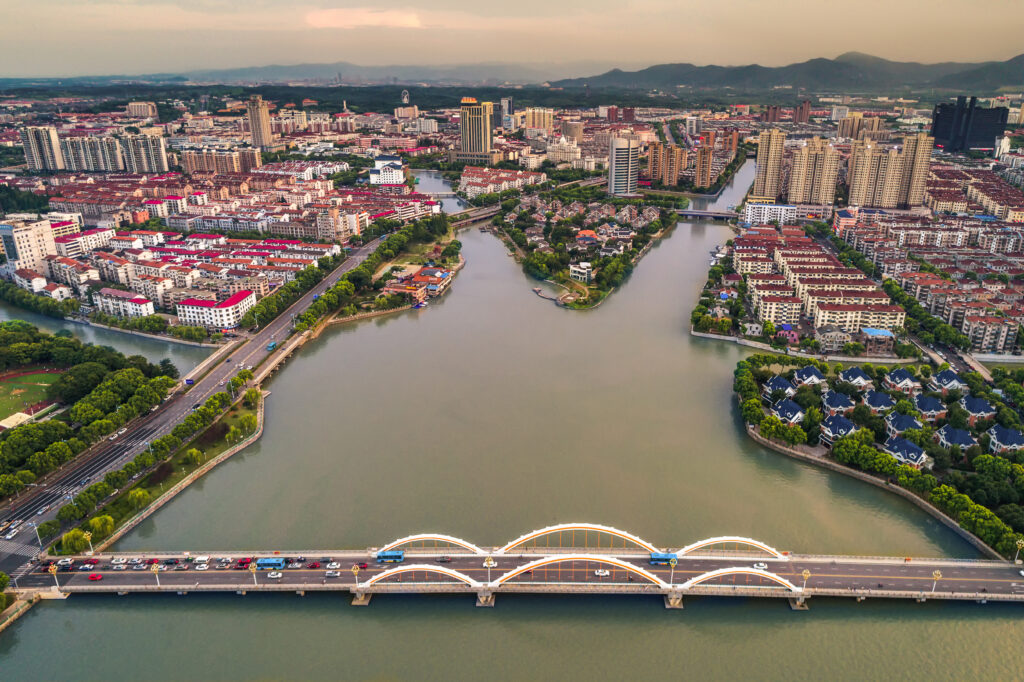
Vietnamese cities are intense at first glance but surprisingly easy to adapt to. Traffic flows like a living organism rather than a set of rules, and sidewalks often double as social spaces. Once you understand the rhythm, cities feel welcoming and practical. Cafes spill onto streets, markets hum with conversation, and public life feels shared.
Hanoi and Ho Chi Minh City are often the first stops for Vietnam travel, and each offers a different energy. Hanoi feels introspective, shaped by lakes and old quarters where history lingers. Ho Chi Minh City feels forward looking, with a youthful population and a strong entrepreneurial spirit. Visiting both helps travelers understand the range of modern Vietnam.
The Role of Food in Vietnam Travel
Food is not an activity in Vietnam travel. It is the foundation of daily life. Meals are simple yet deeply considered, built around balance rather than excess. Fresh herbs, light broths, and careful seasoning define Vietnamese cuisine, making it accessible even for travelers unfamiliar with Southeast Asian flavors.
Street food plays a central role and offers some of the most memorable meals. Sitting on a small plastic stool, watching the street while eating a bowl of noodles, creates a connection to place that formal dining rarely achieves. Trust your senses and follow local crowds. They usually lead to something worth tasting.
Regional Flavors and Culinary Identity
Each region of Vietnam expresses itself through food. Northern dishes tend to be subtle and restrained, reflecting cooler weather and historical influences. Central cuisine is bolder, shaped by imperial traditions and a love of spice. Southern food leans sweeter and more generous, influenced by fertile land and tropical produce.
Exploring these differences adds depth to Vietnam travel. Trying the same dish in different cities reveals how geography and history shape taste. Food becomes a way of reading the country, one bite at a time, without needing translation.
Natural Landscapes That Define Vietnam Travel
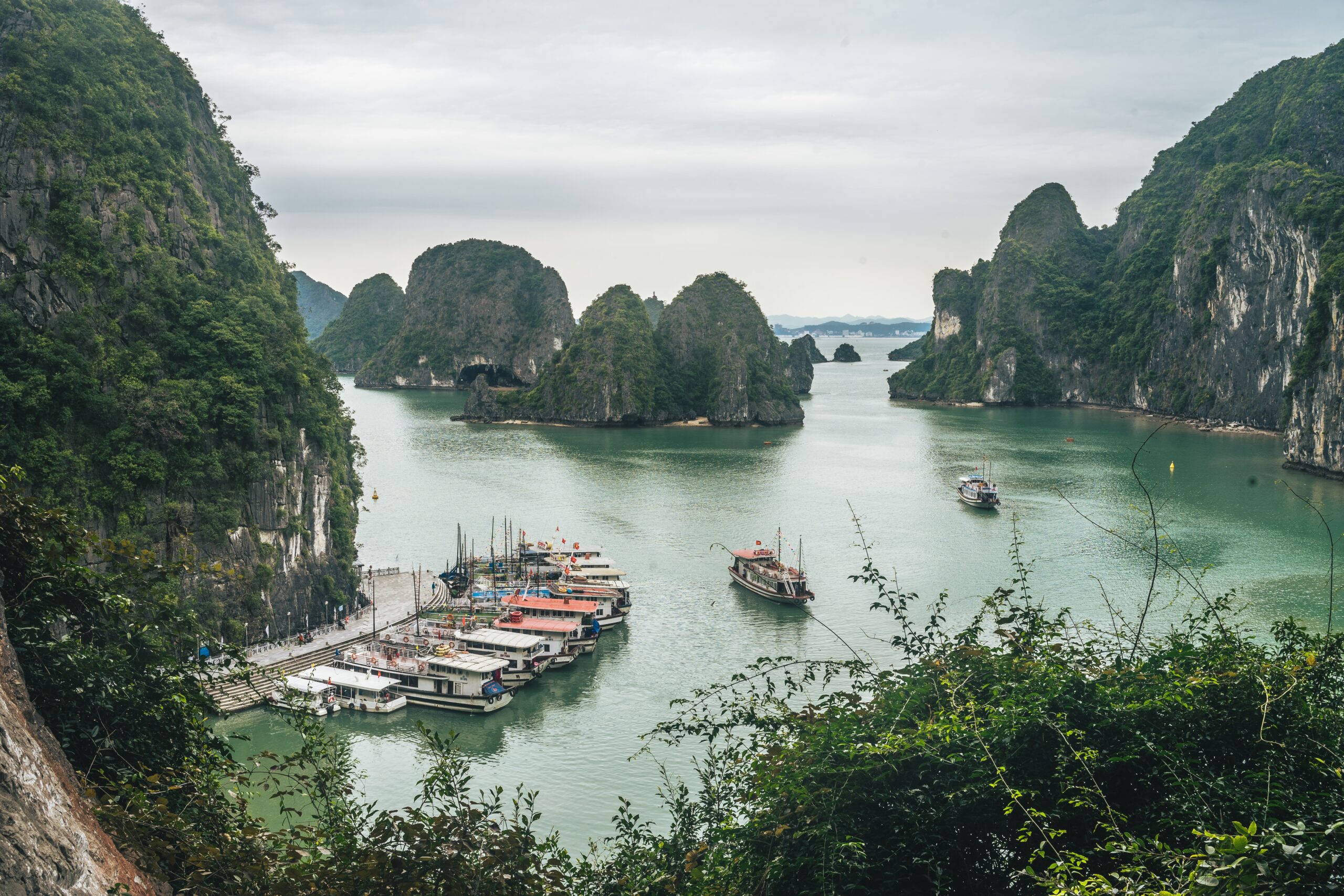
Beyond cities, Vietnam offers extraordinary natural beauty. Limestone karsts rise from water in the north, while long beaches stretch along the central coast. The Mekong Delta in the south reveals a water based way of life that has changed little over generations. These landscapes are not isolated attractions. They are integrated into daily living.
Responsible travel is important when exploring these areas. Choosing local guides and respecting environmental limits helps preserve what makes these places special. Vietnam travel feels more meaningful when it supports communities rather than simply passing through them.
Learning From History While Traveling Vietnam
Vietnam history is complex and deeply felt. Museums, memorials, and preserved sites offer insight into struggles that shaped the nation. Visiting these places requires sensitivity and openness rather than judgment. History here is not presented as spectacle. It is shared as lived experience.
Understanding this past enriches Vietnam travel by adding emotional context to what you see. Cities and countryside take on new meaning when you recognize how resilience and adaptation shaped them. This awareness turns sightseeing into reflection.
Ethical and Responsible Vietnam Travel
Travelers today have a responsibility to consider how their presence affects local communities. Vietnam travel is no exception. Choosing locally owned accommodations, eating at family run restaurants, and respecting cultural norms helps distribute benefits more evenly.
Small choices matter. Avoiding wildlife tourism that exploits animals and being mindful of waste reduces harm. Vietnam offers enough authentic experiences that responsible travel does not feel restrictive. Instead it feels aligned with the values that make the country welcoming.
Trusted Resources for Deeper Planning
For travelers who want broader context on destinations and cultural tips, Lonely Planet remains a reliable reference. Their Vietnam guide offers practical insights without overwhelming detail. You can explore their overview at https://www.lonelyplanet.com/vietnam.
Using trusted resources helps filter noise and focus on what truly matters. Vietnam travel planning becomes smoother when information is accurate and intentions are clear.
Moving Around During Vietnam Travel
Transportation shapes how you experience Vietnam travel more than many people expect. The country offers a wide range of options, from overnight trains to short domestic flights and long distance buses. Each comes with its own rhythm. Trains are slower but scenic, especially along the coast. Flights save time and are often affordable. Buses connect almost everywhere and give a ground level view of daily life.
For shorter distances, motorbikes and taxis dominate. Ride hailing apps are widely used in major cities and provide transparent pricing. For travelers who prefer independence, renting a motorbike can be rewarding but only if you are confident and cautious. Traffic operates on flow rather than strict rules, and awareness matters more than speed.
Choosing Where to Stay in Vietnam
Accommodation in Vietnam travel ranges from simple guesthouses to luxury resorts, often at prices that feel surprisingly reasonable. What matters most is location rather than category. Staying near local neighborhoods instead of isolated tourist zones often leads to richer experiences and easier access to everyday life.
Boutique hotels and family run homestays are especially rewarding. They offer personal touches and local insight that large chains cannot replicate. Many hosts are happy to share recommendations or stories if approached with genuine interest. These interactions often become memorable parts of the journey.
Experiencing Rural Vietnam
While cities draw attention, rural areas reveal the soul of Vietnam travel. Villages move at a gentler pace, shaped by farming cycles and shared routines. Time feels less urgent here. Days are marked by meals, weather, and community events rather than schedules.
Visiting rural areas requires patience and respect. Facilities may be basic, but hospitality is generous. Travelers who slow down and observe often find these moments deeply grounding. Rural Vietnam shows how tradition and modernity coexist without conflict.
Vietnam Travel Through Local Experiences
Immersive experiences add depth to Vietnam travel beyond sightseeing. Cooking classes, craft workshops, and guided walks led by locals offer insight into daily life. These activities focus on participation rather than observation, which creates stronger connections.
Learning how to prepare a traditional dish or understanding how a craft has been passed down through generations brings context that photos alone cannot capture. These experiences often support local livelihoods directly, which makes them both meaningful and responsible.
Coastal Life and Beach Destinations
Vietnam coastline stretches for thousands of kilometers, offering beaches that range from lively to secluded. Coastal towns often balance fishing traditions with growing tourism. Early mornings reveal markets filled with fresh catch, while afternoons invite rest by the sea.
Beach destinations suit travelers who want rest without isolation. Even in resort areas, local life continues nearby. Vietnam travel along the coast feels relaxed rather than staged, especially when visitors explore beyond main beachfronts.
Shopping and Supporting Local Crafts
Markets play a central role in Vietnam travel. They are not just places to buy goods but spaces where social life unfolds. From textiles to ceramics, local crafts reflect regional identity and history. Purchasing directly from artisans supports preservation of skills that might otherwise fade.
Bargaining is common but should be approached with fairness. Prices are often modest, and small differences matter more to sellers than buyers. Respectful negotiation keeps interactions positive and culturally appropriate.
Health and Safety Considerations
Vietnam is generally safe for travelers, but basic awareness is important. Traffic poses the greatest risk, so caution when crossing streets is essential. Health wise, staying hydrated and choosing food vendors with high turnover reduces issues.
Travel insurance is recommended, especially for activities outside cities. Reliable information on health precautions can be found through the World Health Organization at https://www.who.int. Consulting trusted sources helps travelers prepare responsibly without unnecessary anxiety.
Digital Connectivity and Staying Connected
Vietnam travel is made easier by strong digital infrastructure. Mobile data is affordable and reliable, even in many rural areas. Local SIM cards are easy to purchase and allow navigation, translation, and communication without difficulty.
This connectivity helps travelers adapt quickly. It also enables remote work for those combining travel with professional commitments. Vietnam increasingly attracts long stay visitors who value both affordability and reliable internet.
Language and Communication
Vietnamese is the primary language, and while English is spoken in tourist areas, learning basic phrases enhances interactions. Simple greetings and expressions of thanks are appreciated and often met with warmth.
Communication in Vietnam travel relies as much on tone and body language as words. Smiles, patience, and respectful gestures bridge gaps effectively. Travelers who approach interactions with humility usually find help even when language fails.
Budgeting for Vietnam Travel
Vietnam travel suits a wide range of budgets. Daily costs can remain low without sacrificing comfort, especially when eating locally and using public transport. Even higher end experiences often cost less than comparable options elsewhere in Asia.
Planning a realistic budget allows flexibility. Saving on accommodation or transport can free resources for experiences like guided tours or extended stays. Vietnam rewards thoughtful spending rather than constant upgrading.
Cultural Etiquette to Keep in Mind
Respecting cultural norms enriches Vietnam travel and avoids misunderstandings. Dress modestly when visiting temples and remove shoes when requested. Public displays of anger are discouraged, while calm discussion is valued.
Understanding these expectations shows awareness and builds trust. Locals often respond positively to travelers who make visible efforts to respect customs, even if mistakes happen.

Seasonal Planning for Meaningful Vietnam Travel
Seasonality influences Vietnam travel in subtle but important ways. Beyond weather, seasons affect festivals, agricultural cycles, and daily routines. Traveling during harvest season in rural areas offers a glimpse into communal life, while holiday periods bring cities alive with color and family gatherings. Aligning travel dates with these rhythms adds cultural depth.
Flexibility improves the experience. Instead of chasing perfect conditions everywhere, choosing a few regions that align well with the season leads to a calmer journey. Vietnam rewards travelers who adapt plans rather than forcing rigid itineraries.
Long Stay Travel and Slow Exploration
Vietnam travel suits long stays especially well. Affordable living costs, reliable services, and a welcoming atmosphere make it comfortable to settle for weeks or months. Slow travel allows deeper understanding and reduces the pressure to see everything at once.
Spending extended time in one place reveals patterns that short visits miss. You notice favorite cafes, daily markets, and familiar faces. Vietnam becomes less of a destination and more of a lived experience, which often leaves a lasting impression.
Sustainable Choices While Traveling Vietnam
Sustainability matters more as tourism grows. Vietnam travel can remain positive when visitors make conscious choices. Supporting eco focused accommodations and choosing tours that limit environmental impact helps protect landscapes and communities.
Simple habits like reducing plastic use and respecting natural areas make a difference. Travelers who approach Vietnam with care help ensure future visitors can enjoy the same beauty and authenticity.
Understanding Local Laws and Social Norms
Vietnamese laws and customs are generally straightforward, but awareness prevents issues. Drug laws are strict, and respect for national symbols is expected. Photography around military sites should be avoided, and public behavior should remain considerate.
Reliable legal and safety guidance can be found through official government travel advisories such as the United States Department of State travel page at https://travel.state.gov. Consulting such sources supports informed and responsible Vietnam travel.
Digital Work and Modern Travel Lifestyles
Vietnam travel increasingly appeals to remote professionals. Cities offer coworking spaces, cafes with strong internet, and communities of international residents. This blend of affordability and connectivity supports flexible lifestyles.
Balancing work and exploration is easier in Vietnam than many places. Short trips between workdays and weekend excursions create a rhythm that feels sustainable rather than rushed.
Personal Growth Through Vietnam Travel
Travel often changes perspective, and Vietnam travel does this quietly. It challenges assumptions about pace, success, and simplicity. Observing how people prioritize family and community invites reflection.
Many travelers leave Vietnam feeling calmer and more grounded. The country does not demand attention. It offers it gently, allowing insights to surface naturally.
Preparing Emotionally for the Journey
Beyond logistics, emotional readiness matters. Vietnam travel involves moments of confusion and moments of clarity. Accepting both as part of the experience reduces frustration.
Approaching travel with curiosity rather than control opens doors. Vietnam responds well to openness, and those who listen often learn more than they expect.

Final Thoughts on Vietnam Travel
Vietnam travel is not about collecting landmarks. It is about connection, awareness, and balance. The country offers beauty without spectacle and depth without pressure.
For travelers seeking authenticity and reflection alongside comfort and accessibility, Vietnam remains one of the most rewarding destinations in the world.
Frequently Asked Questions About Vietnam Travel
Therefore is Vietnam travel suitable for first time international travelers
Yes, Vietnam travel is well suited for first time travelers because infrastructure is reliable and costs are manageable. Additionally, locals are generally helpful, which eases navigation and communication challenges.
Moreover how safe is Vietnam travel for solo visitors
Vietnam travel is considered safe for solo visitors, including women. While basic precautions are necessary, violent crime is rare, and public areas remain active throughout the day.
As a result what is the average daily cost of Vietnam travel
Costs vary by style, but Vietnam travel can be comfortable on a modest budget. Local meals, transport, and accommodation remain affordable, allowing flexibility without sacrificing quality.
Furthermore do I need to know Vietnamese for Vietnam travel
While English is common in tourist areas, knowing basic Vietnamese phrases enhances interactions. However, Vietnam travel is still manageable without language fluency due to widespread friendliness and digital tools.
Consequently how long should a Vietnam travel itinerary be
Ideally, two to three weeks allows balanced exploration. However, even shorter trips can be meaningful if focused on one region rather than attempting to see everything.
Finally is Vietnam travel appropriate for families
Vietnam travel works well for families because attractions are diverse and welcoming. With thoughtful planning, children can enjoy cultural experiences, nature, and food safely and comfortably.
Related Content
Travel Bans in the United States