
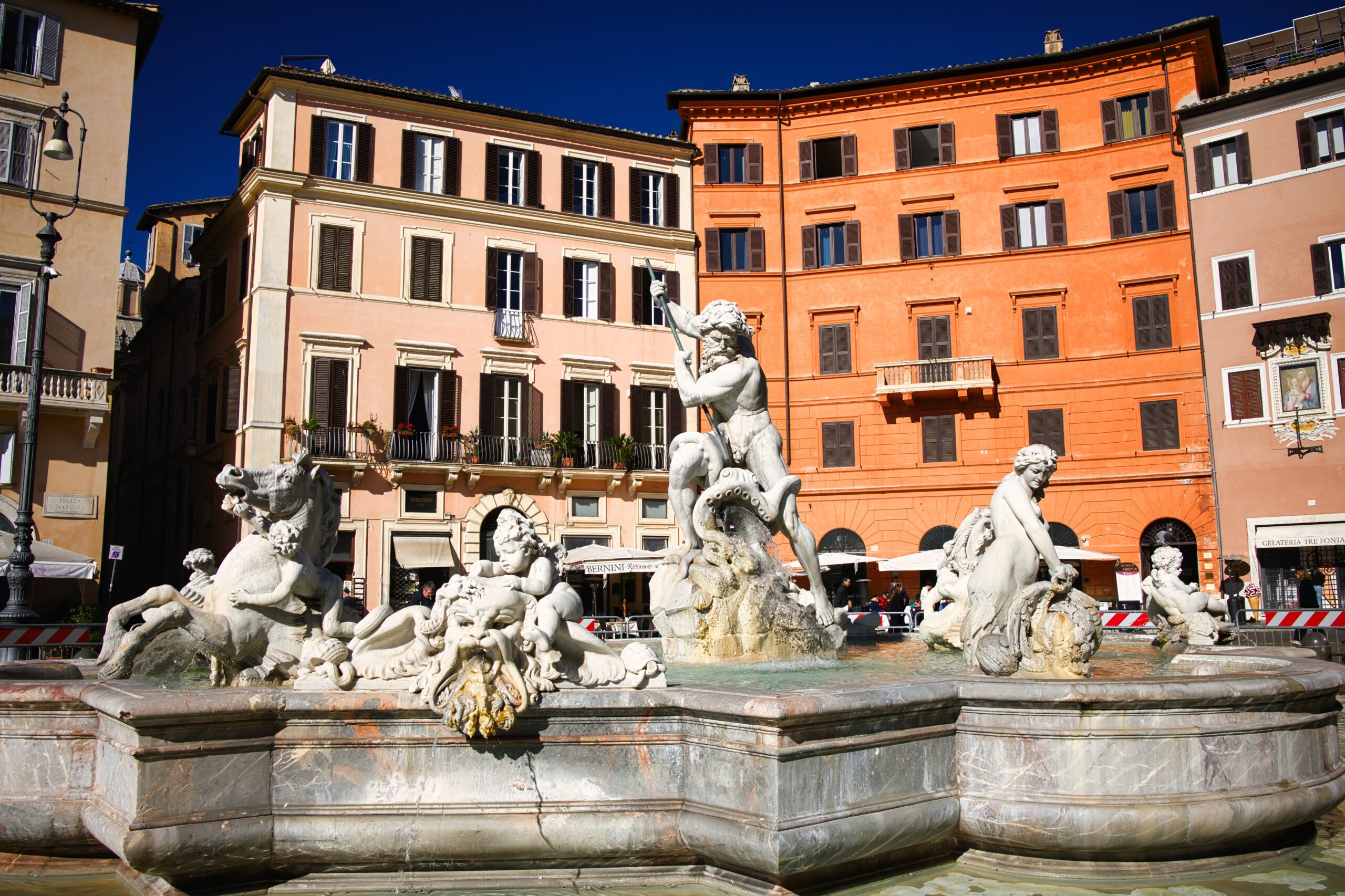
Verona is one of those cities that quietly captures your heart. It doesn’t overwhelm you like Rome or Venice. Instead, it draws you in with elegance, history, and charm. When travelers look up Attractions Verona, they often expect to see the usual highlights — Juliet’s Balcony, the Roman Arena, and a few scenic squares. But Verona is much more than a list of famous sites. It’s a living museum filled with stories, art, music, and people who still celebrate life the way their ancestors did centuries ago.
This is your deep, honest, and engaging guide to the best attractions Verona has to offer. You’ll discover the must-see landmarks, the quiet corners most tourists miss, and the cultural soul that makes Verona one of Italy’s most beautiful cities.
Why Verona Is a City You Shouldn’t Rush
Many travelers visit Verona as a quick stop between Venice and Milan. But doing that means missing what makes Verona special. Verona rewards slow exploration. It’s a city built on layers — Roman foundations, medieval towers, Renaissance palaces, and peaceful gardens. Walking through it feels like walking through time.
Every stone seems to tell a story. The streets twist and turn not in confusion, but in personality. When you stop and listen, the sound of church bells mixes with the soft rush of the Adige River. This quiet rhythm gives Verona its charm.
If you’re serious about exploring Attractions Verona, stay at least two or three days. Visit the famous sites, but also wander without a map. That’s when you’ll find the true Verona — a city that lives and breathes history.
The Roman Legacy That Still Shapes Verona
Verona’s roots stretch back to ancient Rome, and many of its most famous attractions are from that era. The city’s Roman architecture wasn’t just preserved; it’s still in use today, which makes it unique even among Italy’s historic cities.
The Verona Arena
No list of Attractions Verona would be complete without the Arena. Built in the first century, it’s one of the largest Roman amphitheaters still standing. From the outside, its elliptical shape dominates Piazza Bra. From the inside, the Arena becomes a breathtaking reminder of how advanced Roman engineering was.
Imagine standing in the middle of a structure that once held over 20,000 people. Gladiators fought here, and the crowd’s cheers echoed off these same stones nearly two thousand years ago. Today, the Arena is home to the famous Verona Opera Festival, where international singers perform under the stars. The Verona Arena, a Roman amphitheater that still hosts grand opera performances, is one of the city’s most visited landmarks. You can check current show schedules and book tickets directly on the Verona Arena official website.
Why visit:
- It’s one of the best-preserved Roman amphitheaters in the world.
- The sound quality during concerts and operas is exceptional.
- The view from the upper seats at sunset is magical.
Travel tip: Go early morning or late evening to avoid long lines. During the summer, check for live performances — the experience of watching opera in a 2,000-year-old arena is unforgettable.
Porta Borsari
Another key highlight among Attractions Verona is Porta Borsari, an ancient Roman gate dating back to the 1st century. It once served as the main entrance to the city. The marble façade with its elegant arches gives a glimpse into Verona’s Roman sophistication.
Standing in front of it, you can almost picture soldiers marching in and merchants entering with goods from distant lands. Porta Borsari isn’t just a ruin; it’s a piece of living history surrounded by modern shops and cafes, symbolizing how Verona’s past and present coexist gracefully.
Ponte Pietra
The Ponte Pietra, or Stone Bridge, is another must-see Roman site. Stretching across the Adige River, it has survived floods and wars for more than 2,000 years. Destroyed during World War II, it was carefully rebuilt using the original materials.
Today, walking across Ponte Pietra feels like stepping into a postcard. The river below glistens, the city’s terracotta rooftops glow in the light, and the hills beyond remind you how naturally beautiful Verona’s setting is.
Why it’s special:
- Oldest bridge in Verona.
- Offers stunning views of the Adige River.
- Perfect for photographs, especially during sunset.
The Medieval Heart of Verona
After the fall of Rome, Verona grew into a strong medieval city ruled by noble families, most famously the Scaligeri (or della Scala). Their influence shaped the skyline and created many of the Attractions Verona that define the city today.
Piazza delle Erbe
At the center of Verona’s old town lies Piazza delle Erbe — one of the most beautiful squares in Italy. This vibrant marketplace has been active since Roman times and remains a symbol of daily life in Verona.
The square is surrounded by colorful buildings decorated with frescoes, elegant balconies, and historic towers. The Madonna Verona fountain stands in the center, representing the city’s spirit and endurance.
What to do here:
- Sit at an outdoor café and enjoy an espresso while people-watching.
- Browse local stalls selling fresh produce, souvenirs, and Italian specialties.
- Admire the architecture — every building around the square tells a story.
Piazza delle Erbe isn’t just a tourist spot; it’s Verona’s beating heart. Early in the morning, you’ll see locals buying fruit and vegetables. By evening, the square transforms into a relaxed meeting place filled with chatter, laughter, and music.
Piazza dei Signori
Next to Piazza delle Erbe lies Piazza dei Signori, also known as “Verona’s Living Room.” This quieter square is surrounded by palaces and statues of poets and rulers. In the center stands a statue of Dante Alighieri, who lived in Verona during his exile from Florence.
The square has a more formal beauty compared to the busy market atmosphere of Piazza delle Erbe. The arches, courtyards, and stone carvings create a sense of harmony that perfectly reflects Renaissance ideals.
Why visit:
- To see elegant palaces like Palazzo della Ragione.
- To experience the cultural and political core of medieval Verona.
- To enjoy peaceful moments surrounded by history.
If you want to understand the intellectual and artistic side of Attractions Verona, Piazza dei Signori is where it comes alive.
Castelvecchio and Ponte Scaligero
Verona’s medieval strength is perfectly represented by Castelvecchio, a massive red-brick fortress built in the 14th century by the Scaligeri family. Its bridge, Ponte Scaligero, stretches gracefully across the Adige River and remains one of Verona’s most striking sights.
The castle now houses the Castelvecchio Museum, which displays sculptures, weapons, and paintings from the Middle Ages and Renaissance. The museum’s layout allows visitors to explore courtyards, towers, and defensive walls while admiring art by Italian masters like Bellini and Pisanello.
Highlights:
- The fortress architecture and panoramic views from the bridge.
- The art collection showcasing Verona’s medieval power.
- The peaceful walk along the river afterward.
Castelvecchio is one of those Attractions Verona that combines history, beauty, and serenity in perfect balance.
Renaissance Beauty and Romantic Legends
The Renaissance brought sophistication to Verona. Art, architecture, and literature flourished. And with Shakespeare’s Romeo and Juliet, Verona became forever linked with romance.
Juliet’s House (Casa di Giulietta)
Of all Attractions Verona, Juliet’s House is the most famous. Even if you’ve never read Romeo and Juliet, you’ve probably seen photos of the small courtyard, the bronze statue, and the stone balcony said to have inspired Shakespeare’s play.
While the balcony itself was added centuries later, the charm is undeniable. Visitors leave love notes on the walls or touch Juliet’s statue for luck in love. The museum inside showcases period furniture, costumes from film adaptations, and letters sent to “Juliet” from people around the world seeking advice on love. At Juliet’s House, visitors can stand on the balcony that inspired Shakespeare’s famous love story. You can explore more about its history and opening hours on the Museo Casa di Giulietta official page.
Insider tips:
- Visit early morning or late evening to avoid crowds.
- Look for small details — carved initials, old doors, and hidden corners in the courtyard.
- Whether or not you believe in the legend, the experience captures Verona’s romantic spirit.
Juliet’s House might feel touristy, but it reflects the deep connection between Verona and human emotion — love, loss, and hope.
Basilica di San Zeno Maggiore
Often overlooked by casual tourists, the Basilica of San Zeno is one of the city’s architectural masterpieces. Built in Romanesque style, it is both grand and serene. Its bronze doors are decorated with biblical scenes, and its crypt is believed to be where Romeo and Juliet were married in the play.
Inside, you’ll find soft light, detailed frescoes, and a peaceful atmosphere. It’s easy to spend an hour here just sitting quietly.
Why it’s worth visiting:
- The interior art is exceptional yet rarely crowded.
- The church’s connection to Shakespeare adds cultural weight.
- It’s a perfect break from busier tourist areas.
Giusti Garden
If you crave calm after hours of sightseeing, head to Giardino Giusti. This Renaissance garden is one of the most beautiful Attractions Verona for those who enjoy nature and art blended together.
The garden climbs up a hillside with terraces offering views of the city. Cypress trees, sculptures, and fountains create a peaceful rhythm. The small labyrinth at the entrance invites you to slow down and lose track of time.
What makes it special:
- Ideal place for reflection and photography.
- Offers one of the best panoramic views of Verona.
- Provides a refreshing break from the city streets.
Visiting Giusti Garden feels like stepping into a painting — structured beauty, perfect symmetry, and a timeless sense of peace.
Along the Adige River: Verona’s Natural Side
Beyond monuments and museums, the Adige River shapes Verona’s identity. It loops around the old city, creating scenic walks and charming views that enrich every visit.
Castel San Pietro
Across the river from the old town stands Castel San Pietro, a hilltop fortress with unbeatable views of Verona. A funicular carries visitors to the top, or you can take the stairs if you enjoy the climb. From here, the rooftops, towers, and bridges of Verona spread out below in a breathtaking panorama.
Reasons to visit:
- Best sunset viewpoint in Verona.
- Great photo spot overlooking the Adige River.
- The path up is lined with ancient walls and olive trees.
Watching the city from Castel San Pietro helps you understand why Verona is so beloved — it’s not just beautiful, it’s harmonious.
Adige River Walks
One of the most relaxing Attractions Verona offers is simply a walk along the Adige River. Early in the morning, the city feels calm, and the bridges glow in the golden light. Couples, locals, and photographers all gather here to take in the scenery.
The river gives Verona a sense of rhythm. It’s also a reminder of resilience: over centuries, floods have tested the city, but Verona has always rebuilt.
Tips for walkers:
- Start near Ponte Pietra and follow the curve of the river toward Ponte Scaligero.
- Bring a camera — the reflections of buildings in the water are stunning.
- Sit on the low walls near the banks and enjoy the slow pace of life.
Verona’s Cultural Pulse: Music, Food, and Living Traditions
The best way to feel Verona’s soul is to experience its living culture. Art, music, and food are all integral parts of its identity.
The Arena Opera Festival
Every summer, the Arena hosts one of the most famous open-air opera festivals in the world. Tens of thousands of people gather under the night sky to listen to classics like Aida and La Traviata. Even if you’re not an opera fan, the setting alone makes it magical.
Why you should go:
- The combination of ancient architecture and live music is unforgettable.
- The acoustics are world-class.
- It’s a once-in-a-lifetime cultural experience.
Book early if you plan to attend — tickets sell fast.
Local Cuisine and Wine
Exploring Attractions Verona isn’t only about sightseeing; it’s also about taste. Verona’s cuisine reflects the richness of northern Italy. Must-try dishes include risotto all’Amarone (made with the region’s famous wine), polenta with stew, and fresh pasta served with truffles or mushrooms.
Pair your meal with Valpolicella or Soave wine, both produced in the nearby hills. For dessert, don’t miss Pandoro, a sweet golden bread originally created in Verona and now enjoyed across Italy during Christmas.
Eat where locals eat — small trattorias away from the main squares often serve the most authentic food.
Street Life and Hidden Corners
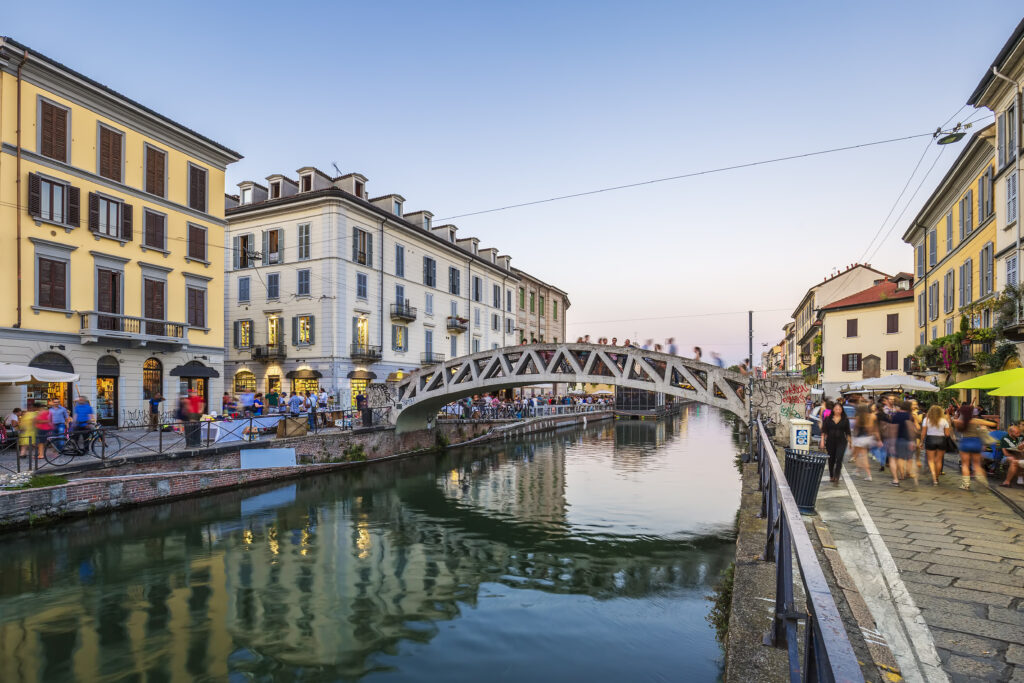
Verona isn’t just its monuments; it’s also its atmosphere. Evening walks through cobbled lanes, the scent of espresso drifting through the air, and the sound of laughter from wine bars all make the experience richer.
Wander without a plan. You’ll find hidden chapels, old courtyards, and small artisan shops. Stop for gelato, talk to locals, and watch how gracefully life unfolds here.
Hidden Gems That Locals Love
To make your experience unique, explore some lesser-known Attractions Verona that even regular tourists often miss.
- Church of San Fermo: Beautiful Gothic and Romanesque mix, peaceful interior.
- Arche Scaligere: Intricate tombs of the Scaligeri family with delicate spires.
- Teatro Romano: Ancient Roman theater still used for performances in summer.
- Veronetta District: Across the river, filled with local cafés and art spaces.
- Cimitero Monumentale: Historic cemetery with beautiful sculptures and calm atmosphere.
These places give a more intimate view of Verona’s personality — artistic, spiritual, and reflective.
Final Thoughts
Verona is more than a destination; it’s an emotion. Every street, bridge, and courtyard has a story. Whether you’re drawn by history, romance, or simple beauty, Verona welcomes you with open arms.
If you truly want to understand Attractions Verona, slow down. Feel the city, talk to its people, and let it reveal itself layer by layer. Verona doesn’t demand attention — it earns it. And once you experience it deeply, you’ll carry a part of it forever.
FAQs about Attractions Verona
1. What are the top attractions in Verona?
The Verona Arena, Piazza delle Erbe, Juliet’s House, Castelvecchio, Ponte Pietra, and Giusti Garden are must-see highlights.
2. How many days are enough to explore Verona?
Two to three days allow you to see all main attractions and enjoy the relaxed local rhythm.
3. When is the best time to visit Verona?
Spring and early autumn offer pleasant weather and fewer crowds, making sightseeing comfortable.
4. Is Verona expensive for travelers?
It’s more affordable than Venice or Milan. Budget travelers can find good food, transport, and stays at reasonable prices.
5. Why is Verona famous?
Verona is renowned for its Roman heritage, medieval architecture, and as the setting for Shakespeare’s Romeo and Juliet.
Related Content
https://exploretravel.blog/things-to-do-in-koh-samui/
https://exploretravel.blog/travel-itinerary-guide/