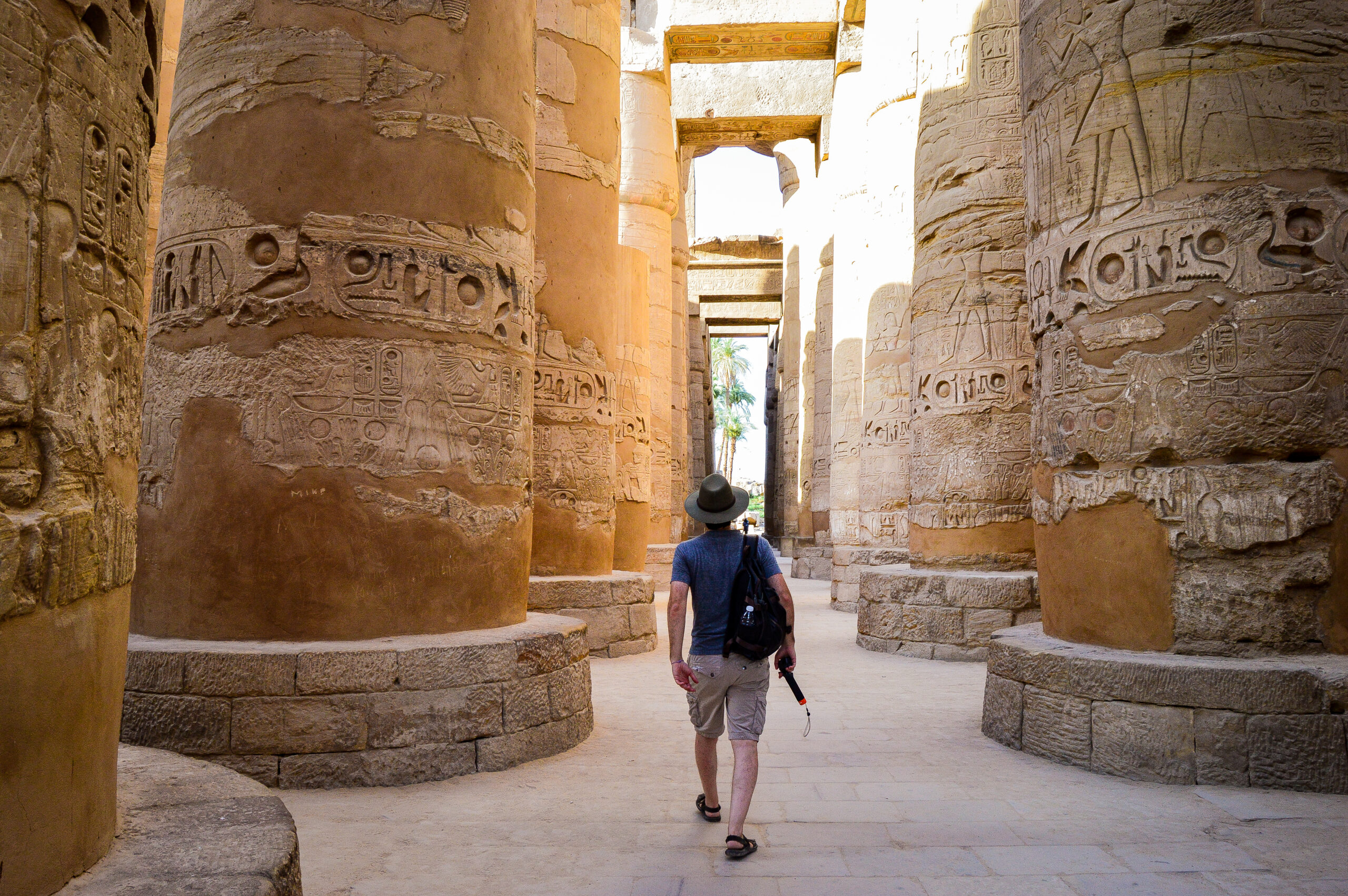
The question is it safe to travel to Egypt comes up often and for good reason. Egypt is a country that holds centuries of history, powerful culture, and some of the most iconic landmarks on Earth. At the same time, headlines about the Middle East can feel unsettling, especially for first time visitors. Safety is personal, situational, and influenced by how and where you travel. This guide is written to give you clarity, not fear or false comfort.
Egypt welcomes millions of tourists every year. The vast majority travel without serious issues and return with unforgettable memories. Still, Egypt is not a destination where you can ignore context. Understanding the reality on the ground helps you travel smarter and more confidently.
When people ask is it safe to travel to Egypt, what they usually mean is whether tourists are targeted or exposed to daily danger. In most major tourist areas, the answer is reassuring. Cairo, Giza, Luxor, Aswan, and the Red Sea resorts operate with heavy security and established tourism infrastructure. These areas are used to foreign visitors and depend economically on tourism.
That said, Egypt is a large country with regional differences. Border areas near Libya, Sudan, and parts of the Sinai Peninsula have different risk levels and are generally not on typical tourist itineraries. Safety in Egypt is less about the country as a whole and more about where you go and how you behave.
Understanding Egypt’s Current Safety Environment
Egypt’s government prioritizes tourism as a critical part of the economy. As a result, security around hotels, airports, museums, and major attractions is visible and constant. You will notice bag checks, metal detectors, and uniformed security personnel. For many travelers, this presence actually feels reassuring rather than intrusive.
Petty crime exists, especially in crowded places, but violent crime against tourists is rare in tourist zones. Most reported issues involve pickpocketing, scams, or aggressive selling tactics rather than physical harm. These are manageable risks if you stay alert and informed.
Political demonstrations do occur from time to time, mainly in Cairo. These are usually localized and avoidable. Tourists are advised to stay away from protests and large gatherings, not because tourists are targeted, but because situations can escalate unpredictably.
Health safety is another part of the equation. Egypt’s major cities have private hospitals and clinics that serve international visitors. Travel insurance is essential, but serious medical emergencies are not common among tourists who take basic precautions with food, water, and sun exposure.
For official guidance, many travelers review government and international advisories before deciding. Resources like the United States Department of State travel portal provide regularly updated safety information and regional context. You can review current advice at https://travel.state.gov.
Tourist Areas Versus Non Tourist Regions
One of the most important distinctions when evaluating is it safe to travel to Egypt is the difference between tourist corridors and remote regions. The classic tourist route from Cairo to Luxor to Aswan is well monitored and well traveled. Cruise ships on the Nile operate daily with security coordination at every stop.
Resort towns such as Sharm El Sheikh and Hurghada are designed almost entirely around tourism. These areas function like self contained travel bubbles with controlled access, private beaches, and resort security. For travelers seeking a relaxed experience, these destinations feel very safe and familiar.
In contrast, certain areas are best avoided unless you have a specific reason and local expertise. Parts of North Sinai, for example, are subject to travel restrictions and are not tourist destinations. This does not reflect daily life across Egypt but rather isolated security concerns tied to geography and politics.
Understanding these differences allows you to plan an itinerary that maximizes enjoyment and minimizes risk. Most travelers never come close to restricted areas.
Cultural Awareness and Personal Safety
Safety in Egypt is not only about crime or conflict. Cultural awareness plays a big role in how comfortable and secure you feel. Egypt is socially conservative compared to many Western countries. Dressing modestly, especially outside resorts, helps you blend in and avoid unwanted attention.
Women travelers often ask is it safe to travel to Egypt alone. Many do travel solo successfully, but experiences vary. Street harassment can happen, particularly in busy urban areas. It is usually verbal and not physical, but it can feel exhausting. Dressing conservatively, using ride services instead of walking at night, and staying in well reviewed accommodations make a significant difference.
Men are less likely to experience harassment, but they are not immune to scams. Taxi overcharging, unofficial guides, and souvenir pressure are common. Knowing typical prices and politely but firmly saying no goes a long way.
Learning a few basic Arabic phrases also helps. Simple greetings and polite expressions can shift interactions in a positive direction and show respect for local culture.
Transportation and Movement Safety
Transportation is one area where travelers need to be especially cautious. Driving standards in Egypt differ from what many visitors are used to. Traffic rules are loosely enforced, and accidents are not uncommon. For this reason, many travelers choose private drivers, organized tours, or ride services rather than renting a car.
Domestic flights are widely used and generally safe. Trains between major cities are also popular, especially sleeper trains between Cairo and Luxor or Aswan. Choosing first class or tourist designated options adds comfort and security.
Walking is safe in many areas during the day, but nighttime walking in unfamiliar neighborhoods is not advised. Stick to well lit streets and populated areas, and use transportation when unsure.
The Role of Tourism Police
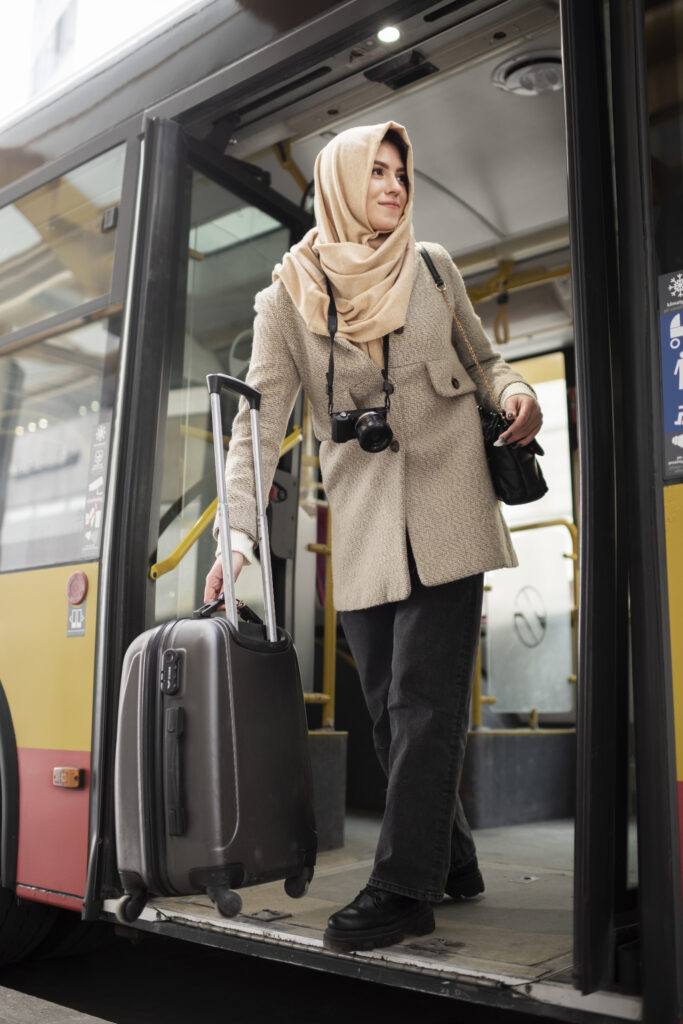
Egypt has a dedicated tourism police force. You will see them at major sites and sometimes at hotels or checkpoints. Their role is to assist and protect tourists. If you need help, asking a tourism police officer is usually effective.
This visible presence is part of why many visitors feel safer than expected. While it may feel intense at first, it reflects how seriously Egypt takes visitor security.
Common Misconceptions About Safety in Egypt
Media coverage often shapes perception more than reality. News reports tend to focus on political developments or regional tensions without distinguishing between local impacts and tourist experiences. This leads many people to assume that danger is constant or widespread.
In reality, daily life in Egypt continues much as it always has, especially in tourist areas. Markets are busy, families gather in cafes, and guides lead tours through ancient temples every day. Visitors are not living under constant threat.
That does not mean you should ignore risks. It means those risks are specific and manageable rather than overwhelming or random.
For broader global health considerations, the World Health Organization provides general travel health guidance that applies to Egypt as well. You can review updates at https://www.who.int.
Everyday Risks Travelers Should Actually Prepare For
When people search is it safe to travel to Egypt, they often imagine dramatic threats. In reality, the most common challenges are far more ordinary. Understanding these everyday risks allows you to handle them calmly instead of feeling caught off guard.
Scams are the issue most visitors encounter. These usually involve inflated prices, unofficial guides, or persistent sellers who pressure you to buy. At major attractions like the Pyramids of Giza or Khan el Khalili market, you may be offered help that later comes with an unexpected demand for payment. The safest approach is polite refusal and sticking with licensed guides or pre booked tours.
Money handling also deserves attention. Cash is still widely used, especially outside hotels and malls. Carry small bills and avoid pulling out large amounts in public. ATMs are common in cities, but notifying your bank before travel helps prevent card issues.
Food safety is another common concern. Egyptian cuisine is flavorful and diverse, but travelers should be mindful of where they eat. Well reviewed restaurants, busy local spots, and hotel dining are generally safe. Drinking bottled water is essential, including for brushing teeth. These simple habits prevent most stomach problems.
Health Care and Medical Preparedness
Egypt has capable private hospitals in major cities, particularly Cairo and Alexandria. Doctors in private facilities often speak English and are accustomed to treating international patients. However, rural areas have limited medical resources, which is why comprehensive travel insurance is strongly recommended.
Heat related illness is a more realistic risk than infectious disease. Egypt’s climate can be intense, especially between May and September. Dehydration and sun exhaustion catch many visitors by surprise. Drinking water frequently, wearing breathable clothing, and planning sightseeing early in the day make a big difference.
Vaccinations are not strictly required for most travelers, but routine immunizations should be up to date. Consulting a healthcare provider before travel helps you make informed choices based on your personal health.
For travelers seeking official public health guidance, the Centers for Disease Control and Prevention provides destination specific health advice at https://wwwnc.cdc.gov. This resource helps travelers prepare without unnecessary anxiety.
Solo Travel and Group Travel Considerations
Solo travelers often wonder if Egypt is better experienced with a group. The answer depends on comfort level and travel style. Group tours offer convenience, built in security, and local expertise. They reduce exposure to scams and simplify logistics, which many first time visitors appreciate.
Solo travel offers flexibility and deeper immersion, but it requires stronger situational awareness. Choosing centrally located accommodations, planning transportation in advance, and sharing itineraries with someone at home are practical steps.
Women traveling alone should be realistic rather than fearful. Many women travel solo through Egypt every year. Street attention can happen, especially in crowded areas, but it is usually verbal. Firm boundaries, confident body language, and conservative dress help reduce unwanted interaction.
Digital Safety and Communication
Staying connected improves safety. Buying a local SIM card at the airport is easy and affordable. Reliable internet access allows you to use maps, ride services, and messaging apps, all of which increase independence and security.
Avoid using public WiFi for sensitive transactions. A basic virtual private network adds an extra layer of protection when accessing personal accounts.
Emergency numbers should be saved in your phone. The general emergency number in Egypt is 122 for police and 123 for ambulances. Having these readily available adds peace of mind even if you never use them.
Religious and Cultural Sensitivity
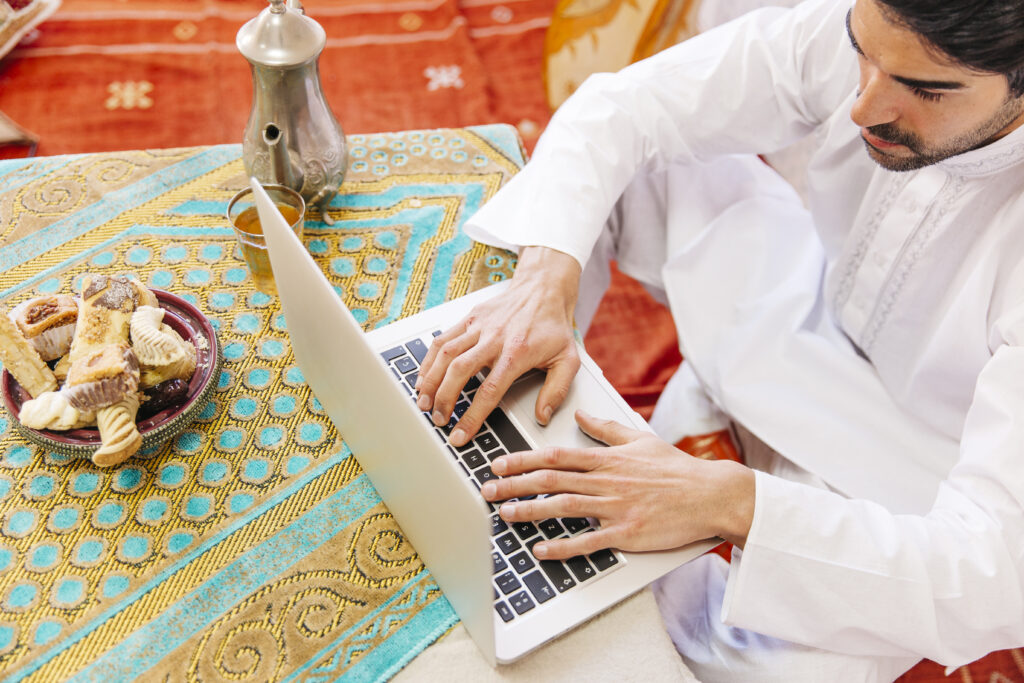
Egypt is deeply rooted in tradition. Respecting religious practices enhances safety and social comfort. During prayer times, especially Friday midday prayers, some shops may close briefly. During Ramadan, eating or drinking in public during daylight hours is discouraged outside tourist areas.
Photography requires sensitivity. Taking photos of military personnel, police, or security infrastructure is prohibited and can lead to serious trouble. When photographing people, asking permission is polite and often appreciated.
Understanding these norms reduces misunderstandings and helps interactions feel smoother and more respectful.
Planning Your Itinerary With Safety in Mind
A well planned itinerary naturally answers much of the question is it safe to travel to Egypt. Staying in reputable hotels, booking transportation through trusted providers, and pacing your schedule all contribute to a positive experience.
Avoid overpacking your days. Fatigue increases vulnerability to scams, illness, and poor decision making. Egypt rewards slow travel. Sitting by the Nile at sunset or sharing tea in a local cafe often becomes a highlight.
It is also wise to register with your embassy upon arrival. This step ensures you receive updates in case of unexpected events and provides a point of contact if assistance is needed.
Media Narratives Versus On The Ground Reality
One reason the safety question persists is the gap between media narratives and traveler experiences. News cycles prioritize conflict and tension, rarely highlighting peaceful daily life. This creates an image that does not reflect the experience of most visitors.
Travel forums and firsthand accounts often tell a different story. Many travelers describe Egypt as intense but welcoming, chaotic but generous. The country challenges expectations, but not in ways that typically threaten personal safety.
How Safe Is Egypt for Travelers in the Long Term
Looking beyond headlines, the long term outlook for tourism in Egypt remains stable. The country has invested heavily in infrastructure, security coordination, and hospitality training over the past decade. New airports, improved roads, and expanded museum facilities show a clear commitment to attracting and protecting international visitors.
Tourism trends also tell an important story. Visitor numbers continue to recover and grow, which would not happen if safety concerns were widespread or constant. Travelers return home and share their experiences, and word of mouth plays a powerful role. Egypt’s appeal endures because most trips are positive, enriching, and incident free.
When evaluating is it safe to travel to Egypt, it helps to think in terms of informed travel rather than risk free travel. No destination is entirely without risk, but Egypt falls well within the range of places where preparation and awareness lead to safe and rewarding experiences.
Choosing the Right Time to Visit
Timing affects both comfort and safety. The cooler months from October to April are ideal. Temperatures are manageable, crowds are active but not overwhelming, and sightseeing feels enjoyable rather than exhausting. Extreme heat in summer can increase health risks, especially dehydration and fatigue.
Traveling during peak holiday periods brings larger crowds and higher prices but also increased security presence. Quieter shoulder seasons offer a balance of good weather and fewer tourists. Choosing the right time reduces stress and allows you to stay more alert and comfortable.
Accommodation and Safety Standards
Hotels in Egypt range from budget guesthouses to luxury international brands. Well established hotels maintain strong security protocols including controlled entrances, trained staff, and coordination with local authorities. Reading recent reviews helps you choose places that prioritize guest safety.
Staying in central neighborhoods also matters. Areas near major attractions or business districts tend to be better lit, better patrolled, and more accustomed to foreign visitors. This makes everyday activities like dining or returning at night feel easier and safer.
Guided Experiences Versus Independent Exploration
Guided tours offer more than historical knowledge. They act as buffers between travelers and potential hassles. Licensed guides know how to navigate crowded sites, manage interactions with vendors, and adjust plans if something feels off.
Independent travel allows for spontaneity, but it requires confidence and adaptability. Many travelers combine both approaches, joining guided tours for major sites while exploring neighborhoods independently during the day.
Neither approach is inherently safer. The key is matching your style to your experience level and comfort zone.
Respecting Local Laws and Avoiding Trouble
Egyptian laws differ from those in many Western countries. Public intoxication, drug possession, and public displays of affection can lead to serious consequences. Understanding these boundaries helps you avoid problems that have nothing to do with crime or security.
Carrying identification is important. A copy of your passport is usually sufficient. Checkpoints exist, especially on highways, and cooperation keeps interactions brief and respectful.
Photography laws deserve special attention. Military sites, police stations, and certain government buildings are off limits. When in doubt, ask before taking photos.
Trusting Instincts Without Feeding Fear
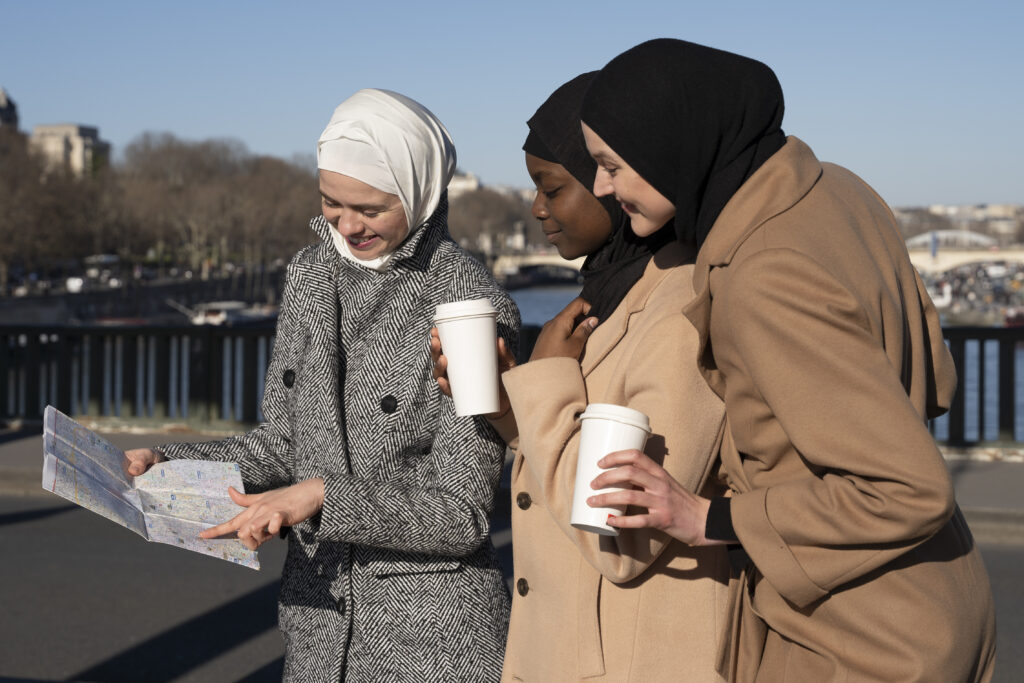
One of the most valuable safety tools is intuition. If a situation feels uncomfortable, you can step away without explanation. Egyptians are generally expressive and social, which can feel intense to visitors. Distinguishing between friendliness and pressure comes with observation and experience.
Confidence reduces unwanted attention. Walking with purpose, avoiding prolonged eye contact with aggressive sellers, and setting boundaries politely but firmly are effective strategies.
Fear narrows experiences. Awareness expands them. Traveling with calm alertness allows you to enjoy Egypt’s richness while staying grounded.
Final Thoughts on Is It Safe to Travel to Egypt
So is it safe to travel to Egypt. For most travelers who plan carefully, respect local culture, and stay within well traveled areas, the answer is yes. Egypt is not a passive destination. It is vibrant, loud, ancient, and complex. That intensity is part of its appeal.
Safety comes from understanding context, not avoiding experience. Egypt rewards curiosity, patience, and preparation. Those who arrive informed often leave changed, carrying stories that last far longer than any worry they had before booking.
For additional destination context and responsible tourism guidance, the United Nations World Tourism Organization offers insights into global travel practices at https://www.unwto.org.
Frequently Asked Questions
Is it safe to travel to Egypt for first time visitors
First time visitors often worry the most, yet they frequently report positive experiences. With guided tours, reputable hotels, and basic awareness, first time travelers navigate Egypt comfortably. Understanding local norms and planning transportation in advance makes the experience smoother.
Is it safe to travel to Egypt alone
Traveling alone in Egypt is possible and common, especially among experienced travelers. While solo travelers may encounter more attention, especially in cities, staying in central areas and using trusted services reduces challenges significantly.
Is it safe to travel to Egypt with family
Families travel to Egypt every year without major issues. Resorts and cruise experiences are particularly family friendly. Choosing accommodations with strong security and planning age appropriate activities ensures a safe and enjoyable trip.
Is it safe to travel to Egypt as a woman
Women travel safely in Egypt, but awareness is important. Dressing modestly, using private transportation, and setting clear boundaries help minimize unwanted attention. Many women describe Egypt as challenging but manageable and deeply rewarding.
Is it safe to travel to Egypt right now given regional tensions
While regional news can sound alarming, tourist areas in Egypt remain stable and well protected. Monitoring official advisories and avoiding restricted regions addresses most concerns. Daily life for visitors continues largely unaffected.
Is it safe to travel to Egypt compared to other popular destinations
Egypt’s safety profile is comparable to many high tourism countries when travelers stay informed. The risks are different rather than greater. Understanding those differences allows for confident travel decisions.