Japan has a way of staying with you long after the trip ends. It is not just the temples or the neon streets. It is the quiet order of daily life, the care put into simple actions, and the feeling that tradition and modern living are in constant conversation. This Japan Travel Guide is written for travelers who want more than surface level tips. It is for people who want to understand how Japan works, how to move through it comfortably, and how to experience it with respect and confidence.
Whether you are planning your first visit or returning with deeper curiosity, Japan rewards preparation. Small details matter here. Knowing when to remove your shoes, how trains flow during rush hour, or why certain neighborhoods feel different at night can completely change your experience. This guide focuses on those meaningful details while still covering the essentials every traveler needs.
Understanding Japan Before You Arrive
Japan is an island nation with a strong sense of cultural continuity. Many customs come from centuries old practices, yet the country is also one of the most technologically advanced in the world. This balance is not accidental. It shapes how people communicate, how cities are designed, and how visitors are expected to behave.
Politeness in Japan is not performative. It is built into language, body movement, and even silence. People rarely speak loudly in public spaces. Lines are respected. Trash bins are rare, yet streets stay clean because people take responsibility for their waste. Understanding these unspoken rules helps you blend in and feel at ease.
Seasonality also plays a major role. Food, festivals, clothing, and even interior decoration change with the seasons. Cherry blossom season in spring and autumn foliage in fall attract millions of visitors, but winter and summer offer their own rewards if you know where to go.
When to Visit Japan and What to Expect Each Season
Choosing the right time to visit depends on what you want from your trip. Spring is famous for cherry blossoms, usually from late March to early April depending on the region. Cities like Tokyo and Kyoto become busy, prices rise, and popular spots feel crowded. The beauty is real, but so is the demand.
Summer runs from June through August. It is hot and humid, especially in cities. However, summer also brings vibrant festivals, fireworks, and mountain escapes. If you plan carefully, summer can be lively rather than exhausting.
Autumn is often considered the best season. Temperatures are comfortable, crowds are slightly lighter, and fall colors transform temples and countryside alike. November in particular offers a calm, reflective atmosphere.
Winter is underrated. Snow covers northern regions like Hokkaido and parts of the Japanese Alps. Cities remain active, and hot springs become especially inviting. Winter travel often costs less and offers a quieter, more intimate view of Japan.
Entry Requirements and Practical Preparation
Before traveling, check your visa requirements based on your nationality. Many travelers can enter Japan without a visa for short stays, but rules can change. Always confirm with official sources before booking flights. The Ministry of Foreign Affairs of Japan provides the most accurate and current information for travelers, and it is worth reviewing their guidance directly at https://www.mofa.go.jp.
Health insurance is strongly recommended. Medical care in Japan is excellent, but it can be expensive without coverage. Pharmacies are common, though some over the counter medicines differ from what you may find at home.
Currency in Japan is the yen. While card acceptance has improved, cash is still widely used, especially in smaller towns and traditional establishments. Carrying cash is normal and safe.
Getting Around Japan with Confidence
Transportation is one of Japan’s greatest strengths. Trains are punctual, clean, and extensive. For most travelers, rail will be the primary way to move between cities and within urban areas. Understanding how the system works can save time and stress.
If you plan to travel between multiple regions, a rail pass can offer significant savings. The official Japan Rail Pass information site explains eligibility, routes, and pricing clearly at https://www.japanrailpass.net. Study your itinerary first to see if a pass makes sense for your plans.
Within cities, local trains and subways are easy to use once you get familiar with station layouts. Signs are often bilingual, and station staff are helpful even if language is limited. Taxis are clean and safe but more expensive, especially for long distances.
Walking is underrated in Japan. Neighborhoods reveal their character best on foot, from small shrines tucked between buildings to local cafes that never appear in guidebooks.
Where to Stay and How to Choose the Right Area
Accommodation in Japan ranges from modern hotels to traditional inns known as ryokan. Each offers a different experience. Hotels provide comfort and efficiency, while ryokan focus on hospitality, seasonal meals, and a slower pace.
Location matters more than luxury. Staying near a major train station saves time and energy. In cities like Tokyo, neighborhoods such as Ueno, Asakusa, and Shinjuku offer excellent transport access and a wide range of lodging options.
For a deeper cultural experience, consider spending at least one night in a ryokan, especially in smaller towns or hot spring areas. Sleeping on tatami mats and enjoying a carefully prepared meal adds a layer of understanding that hotels cannot replicate.
Food Culture and How to Eat Well in Japan
Japanese food is diverse, regional, and deeply tied to seasonality. Sushi is only one small part of the picture. Noodles, grilled meats, simmered dishes, and street snacks all deserve attention.
Eating out in Japan does not require a large budget. Excellent meals can be found at modest prices, especially at local eateries near train stations. Many restaurants specialize in one dish and do it exceptionally well.
Etiquette matters. Slurping noodles is acceptable and even appreciated. Tipping is not customary and can cause confusion. Saying a polite phrase before and after a meal is common, even if you say it softly.
For travelers with dietary restrictions, planning ahead helps. While vegetarian and halal options are growing, they are still limited in some areas. Learning a few key phrases or carrying a translated card can make dining smoother.
Iconic Destinations and How to Experience Them Properly
Japan offers an incredible range of destinations, but what matters most is how you experience them. Rushing through famous spots without context often leaves travelers feeling overwhelmed. Slowing down and understanding the character of each place makes the journey richer.
Tokyo Beyond the Stereotypes
Tokyo is often described as overwhelming, yet it becomes surprisingly calm once you learn its rhythm. It is not one city but many neighborhoods, each with its own personality. Shibuya pulses with youth culture and fashion. Asakusa holds on to older traditions and a slower pace. Shimokitazawa feels creative and relaxed, filled with small shops and cafes.
Instead of trying to see everything, choose a few areas each day and explore them deeply. Visit a local shrine in the morning, have lunch at a small restaurant where office workers eat, then wander residential streets. Tokyo reveals itself in these quiet moments more than in its landmarks.
Kyoto and the Weight of History
Kyoto carries the emotional heart of Japan’s past. Temples, gardens, and wooden streets reflect centuries of cultural development. Popular places like Fushimi Inari and Kinkaku ji are breathtaking, but they are also busy. Visiting early in the morning or late in the afternoon helps preserve the atmosphere.
Kyoto is also about everyday tradition. Watching locals cycle through narrow streets, hearing temple bells at dusk, or attending a seasonal festival offers insight that guidebooks often miss. Respectful behavior matters here more than anywhere else. Silence and patience are appreciated.
Osaka and the Joy of Informality
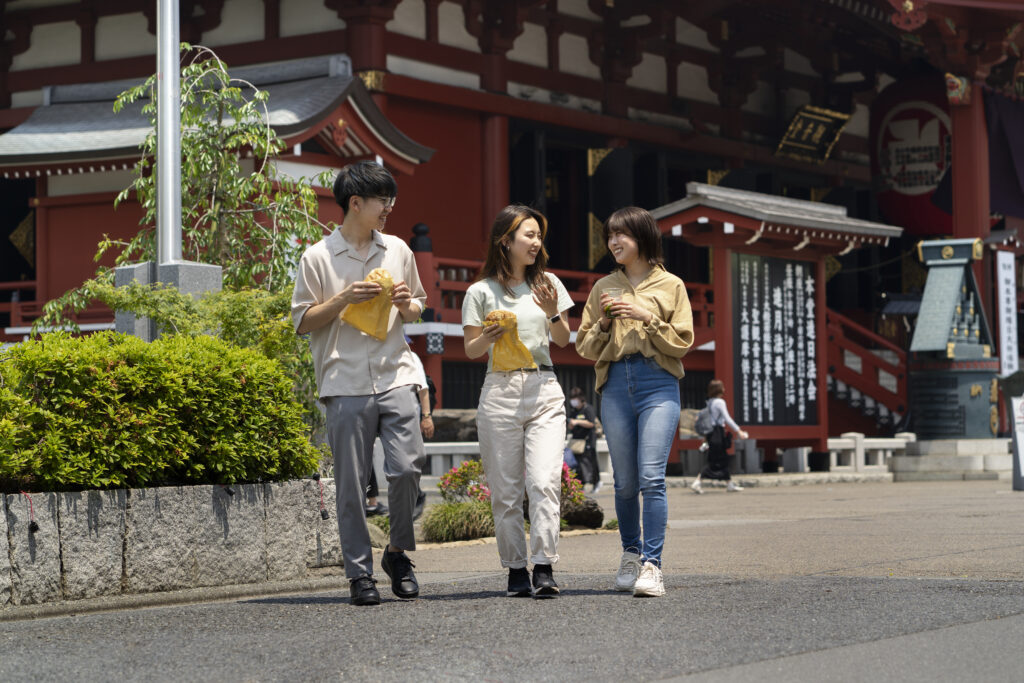
Osaka feels different from Tokyo and Kyoto in the best way. It is friendly, direct, and food obsessed. Street food culture thrives here, from savory pancakes to fried snacks eaten standing up with friends.
The city is easy to navigate and encourages casual exploration. Neighborhoods like Namba and Shinsekai show Osaka’s humor and warmth. Conversations with locals feel more relaxed, and laughter is common. Osaka balances out the formality many visitors associate with Japan.
Rural Japan and the Power of Slowness
One of the most meaningful choices you can make is to leave the major cities, even briefly. Rural towns and mountain regions offer a side of Japan rooted in nature and community. Places like the Japanese Alps, coastal fishing villages, or countryside towns reveal daily life at a different pace.
Public transportation reaches many rural areas, but schedules can be limited. Planning ahead is essential. The reward is silence, star filled skies, and interactions that feel personal. Staying overnight allows you to experience mornings and evenings when towns feel most alive.
Cultural Etiquette That Shapes Your Experience
Understanding cultural etiquette is not about memorizing rules. It is about observing, adapting, and showing consideration. Small actions can build trust and goodwill.
Shoes are removed in homes, some traditional accommodations, and certain restaurants. Always look for cues like raised floors or shelves near entrances. Bowing is a common greeting, though visitors are not expected to master it perfectly. A small nod shows respect.
Public behavior tends to be reserved. Phone calls on trains are discouraged. Eating while walking is uncommon except at festivals. These habits reflect a shared sense of space rather than strict enforcement.
Learning a few basic phrases goes a long way. Even simple greetings signal effort and appreciation. Many Japanese people understand some English, but they value sincerity more than fluency.
Shopping, Souvenirs, and Local Craft
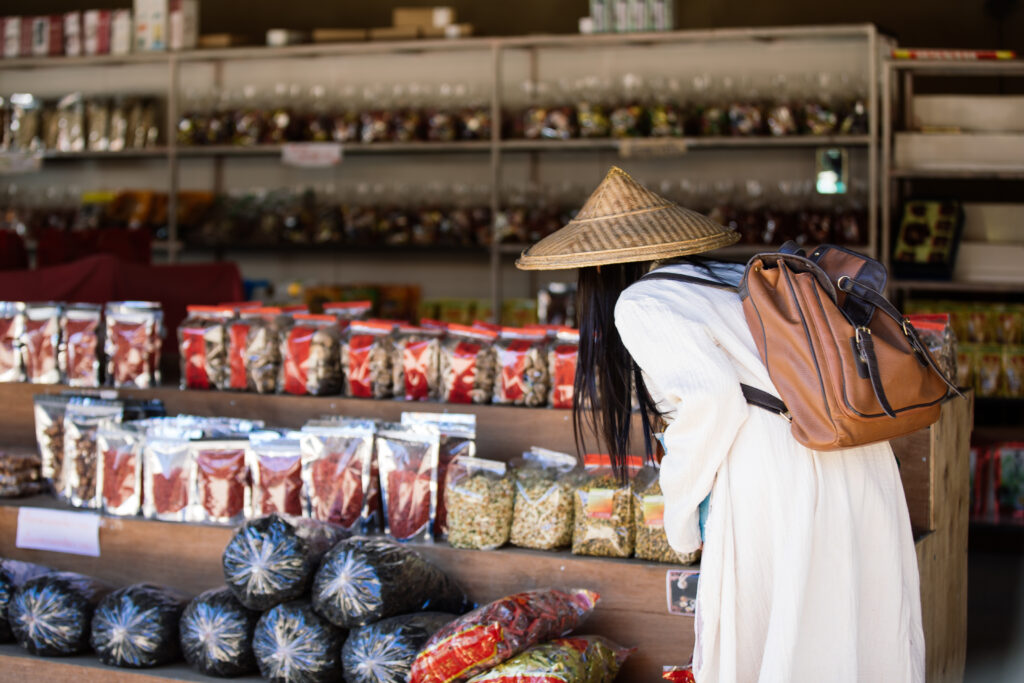
Shopping in Japan can be practical or deeply cultural. Department stores offer high quality goods and beautifully packaged food. Small specialty shops focus on crafts, stationery, ceramics, and textiles.
Souvenirs are not just for tourists. Gift giving is an important part of social life, and items are chosen carefully. Food souvenirs are especially popular because they reflect regional identity and seasonality.
When buying traditional crafts, take time to learn about their origin. Artisans often work within family traditions passed down through generations. These items carry stories, not just function.
Staying Connected and Navigating Language Barriers
Staying connected makes travel smoother, especially for navigation and translation. Portable internet devices and local SIM cards are widely available. Coverage is strong even outside major cities.
Language barriers exist, but they are manageable. Signs in transportation hubs are often bilingual. Visual menus and vending machines simplify ordering food. When misunderstandings happen, patience and gestures usually resolve them.
For official travel planning resources, transportation updates, and regional information, the Japan National Tourism Organization provides reliable guidance at https://www.japan.travel. This site is especially useful when exploring lesser known areas.
Building a Thoughtful Itinerary
A good itinerary balances structure and flexibility. Overplanning leads to exhaustion, while no plan at all can waste time. Choose anchor experiences for each day and leave space for discovery.
Avoid changing cities every night. Staying multiple nights in one place allows you to understand it rather than just see it. Travel days take energy, even in an efficient country like Japan.
This Japan Travel Guide continues in the final part with safety, budgeting, hidden challenges, and a detailed FAQ section to answer the most common questions travelers have before and during their trip.
Safety, Health, and Practical Tips
Japan is one of the safest countries in the world, yet understanding local practices makes travel smoother. Petty crime is rare, but travelers should remain aware of personal belongings, especially in crowded areas like stations and festivals. Standard precautions apply: keep wallets secure, use hotel safes when available, and avoid leaving items unattended.
Healthcare in Japan is excellent. Pharmacies are widely available, but the selection may differ from home. Carrying basic medications, a copy of prescriptions, and a health insurance card is recommended. Emergency numbers are 110 for police and 119 for fire or medical assistance. Many hospitals have English speaking staff, especially in urban centers.
Weather can present challenges. Summers are hot and humid, requiring hydration and sun protection. Winters in northern regions can be severe, so proper clothing is necessary. Earthquakes are a natural risk. While rare, knowing basic safety procedures like staying under a table during tremors is wise. The Japan Meteorological Agency offers updated alerts at https://www.jma.go.jp.
Budgeting for Your Trip
Japan is often perceived as expensive, yet careful planning can make it approachable. Accommodation varies from affordable business hotels and hostels to high end ryokan. Transportation costs can be managed with rail passes and regional cards. Food ranges from inexpensive local meals to gourmet dining, giving flexibility for different budgets.
Shopping, entertainment, and attractions add up, so planning daily expenses helps avoid surprises. Cash is still preferred in many locations, and ATMs in convenience stores such as 7 Eleven accept international cards. While tipping is not customary, budgeting for small gifts or souvenirs is recommended.
Hidden Challenges and How to Handle Them
Traveling in Japan can sometimes be confusing despite excellent infrastructure. Train schedules may seem complex, especially when connecting multiple lines. Using apps like Google Maps or Japan Transit Planner can reduce stress.
Cultural misunderstandings are another potential challenge. Loud behavior, inappropriate gestures, or ignoring local customs can create discomfort. Observation and mindfulness are often enough to prevent issues. Respecting local norms will make interactions smoother and more rewarding.
Seasonal crowds are another factor. Popular sites fill quickly during cherry blossom season, Golden Week, and summer festivals. Booking accommodations and transport well in advance is essential if visiting during peak periods.
Experiences Beyond Sightseeing
Japan’s appeal extends beyond landmarks. Experiencing local customs, seasonal festivals, and culinary culture creates lasting memories.
Tea ceremonies offer insight into aesthetics, mindfulness, and hospitality. Attending local matsuri provides music, dance, and an understanding of regional identity. Participating in hands-on workshops, such as pottery, calligraphy, or cooking, deepens engagement.
Nature in Japan is also transformative. Hiking trails in the Japanese Alps, exploring volcanic landscapes in Kyushu, or cycling along coastal routes offers perspectives that city streets cannot. Even small urban parks are carefully curated and worth exploring.
Responsible Travel
Being a responsible traveler means reducing environmental impact and respecting communities. Japan places high value on cleanliness, order, and preservation. Avoid littering, follow recycling guidelines, and be mindful in natural spaces.
Support local businesses when possible. Choosing family run restaurants, locally produced goods, and cultural experiences helps the economy and preserves traditions. Learn about the communities you visit and approach interactions with curiosity and humility.
Frequently Asked Questions
What is the best time to use this Japan Travel Guide for planning?
The guide is useful at any stage of planning. Ideally, review it at least two to three months before departure to optimize season, itinerary, and accommodations.
How do I get around efficiently using trains and public transport?
Using a combination of local cards, regional passes, and the Japan Rail Pass allows flexible and cost effective travel. Apps like Hyperdia or Google Maps help with routes and timing.
Is Japan expensive for food and accommodation?
Japan offers a wide range of options. Affordable meals are available at local eateries, and mid range accommodations are accessible if booked in advance. High end options exist but are optional.
How can I experience Japanese culture authentically?
Engage with local neighborhoods, attend festivals, visit smaller temples and shrines, and try workshops like tea ceremonies, cooking classes, or traditional crafts. Focus on quality over quantity of experiences.
Are there safety concerns for tourists in Japan?
Japan is very safe, with low crime rates. Standard travel precautions are sufficient. Awareness of crowds, natural events, and health emergencies is recommended.
Do I need to speak Japanese to travel comfortably?
Basic phrases are helpful, but many signs, menus, and public information are bilingual. Politeness and patience go a long way when language barriers arise.
Where can I find official travel information and alerts?
The Ministry of Foreign Affairs at https://www.mofa.go.jp provides visa and travel information. For tourism guidance, https://www.japan.travel is comprehensive. For weather and safety alerts, consult https://www.jma.go.jp.
What makes this Japan Travel Guide essential for first-time visitors?
This Japan Travel Guide is essential for first-time visitors because it provides detailed insights into transportation, cultural etiquette, seasonal highlights, and hidden experiences, helping travelers explore Japan confidently and meaningfully.
How can I use this Japan Travel Guide to plan a stress-free itinerary?
Using this Japan Travel Guide, you can plan a stress-free itinerary by learning which destinations to prioritize, how to navigate trains efficiently, and tips for balancing sightseeing with authentic cultural experiences
Final Thoughts
Traveling in Japan is an immersive experience. It combines history, modernity, natural beauty, and cultural nuance in ways few countries can match. Preparation, observation, and respect amplify the rewards of your journey.
By understanding local customs, planning thoughtfully, and approaching the trip with curiosity, you can move through Japan confidently. From the neon streets of Tokyo to the serene temples of Kyoto, from lively festivals in Osaka to quiet mornings in rural villages, every moment has meaning.
This Japan Travel Guide is designed to help you move beyond tourist checklists and into authentic experiences. It encourages deliberate travel, mindful engagement, and appreciation of a society that harmonizes tradition and innovation. Following these insights ensures your trip is not only enjoyable but also deeply enriching, leaving memories that last long after you return home.
Related Content
Cheapest Time to Travel to Japan