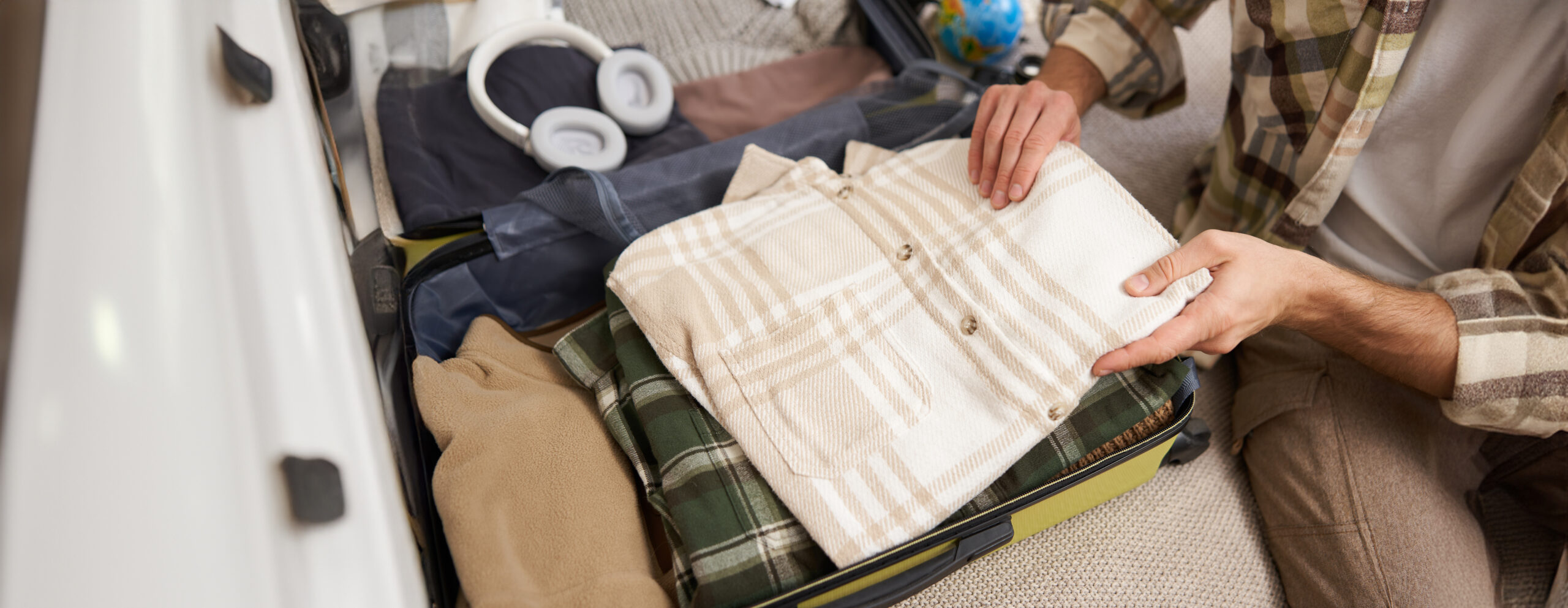
Vacuum Seal Bags for Travel have become one of those travel tools people do not realize they need until they try them once. At first they sound almost too simple to matter. Remove air from clothes and save space. Yet the moment you see a bulky jacket flatten into a compact bundle the value becomes obvious. Packing suddenly feels less stressful and more intentional.
This guide is designed to give you a complete understanding of Vacuum Seal Bags for Travel. Not just how they work but when they truly help when they do not and how to use them without creating new problems. If you want practical insight instead of surface level tips you are in the right place.
Why Packing Space Is a Real Travel Problem
Most travelers believe they pack too many clothes. In reality they pack too much air. Fabric itself does not take up as much space as people assume. What fills suitcases is trapped air between layers of clothing especially with thick or soft materials.
Cold weather trips make this problem worse. Sweaters jackets scarves and hoodies all trap air easily. Even neatly folded they expand and fight against the limits of a suitcase. The result is frustration zippers under tension and the temptation to bring a second bag.
Vacuum Seal Bags for Travel solve this problem at its root. Instead of forcing clothes into a fixed space they remove the invisible volume that causes the issue in the first place.
How Vacuum Seal Bags for Travel Actually Work
The function of vacuum seal bags is straightforward. Clothing is placed inside a plastic bag with an airtight seal. Air is then removed either with a vacuum cleaner or by manually rolling the bag. Once the air exits the bag collapses tightly around the contents.
Without air clothing compresses dramatically. A thick winter coat can become a flat manageable shape. Multiple sweaters can stack into a single compact layer. The material stays protected and contained until the seal is opened again.
This compression is temporary and reversible. Once the bag is opened air returns and clothing regains its original shape. There is no permanent damage when used correctly.
The Psychological Benefit of Organized Packing
Packing is not just physical. It is mental. A messy overstuffed suitcase creates anxiety before the trip even begins. You worry about forgetting items wrinkling clothes or struggling to repack later.
Vacuum Seal Bags for Travel bring order into the process. Items are grouped compressed and easy to identify. You know exactly where things are. That sense of control reduces pre trip stress and makes travel feel lighter even before you leave home.
For longer trips this benefit becomes even more valuable. When you need to unpack and repack multiple times organization is not optional. It is essential.
Types of Vacuum Seal Bags Designed for Travel
Not all vacuum seal bags are made for travelers. Understanding the differences helps you choose the right option.
Some bags require a vacuum cleaner to remove air. These provide strong compression and work well when packing at home for one way travel. They are ideal when you do not need to reseal during the trip.
Travel focused vacuum seal bags use a roll out system. You seal the bag and roll it tightly to push air out through a one way valve. These are practical because they do not require equipment and can be used anywhere.
There are also hybrid designs that support both methods. These offer flexibility but usually cost more. For frequent travelers this investment often makes sense.
Do Vacuum Seal Bags for Travel Reduce Weight
This is a common misunderstanding. Vacuum Seal Bags for Travel do not reduce weight. The clothes weigh the same with or without air. What changes is density.
Compressed clothing becomes heavier per square inch. This can make luggage feel heavier to lift even though it fits better. Airline weight limits still apply and should always be respected.
Smart travelers use vacuum bags to optimize space not to exceed limits. Packing more efficiently does not mean packing more overall.
When Vacuum Seal Bags for Travel Are Most Useful
There are situations where these bags are especially effective.
Cold climate travel is the most obvious example. Bulky clothing compresses extremely well and frees up significant space.
Family travel also benefits. Clothing for multiple people can be separated by person or by day which makes unpacking easier and keeps items organized.
Long trips with mixed climates are another ideal use case. Clothes for later stages of the trip can stay sealed until needed which keeps the suitcase neat.
Backpack travelers can use them selectively for larger items while keeping frequently used clothes accessible.
Situations Where Vacuum Seal Bags Are Less Practical
Despite their advantages they are not perfect for every trip.
Short weekend trips rarely justify the effort. If you are packing light there may be little benefit.
Business travel can also be tricky. Structured garments like suits and dress shirts can crease more under compression.
Trips that involve frequent clothing changes may feel slower if everything is sealed tightly. Accessibility matters as much as space.
Knowing when not to use Vacuum Seal Bags for Travel is part of using them well.
How to Pack Vacuum Seal Bags Correctly
Correct use makes all the difference.
Start by choosing appropriate items. Soft flexible fabrics work best. Avoid sharp objects or accessories inside the bag.
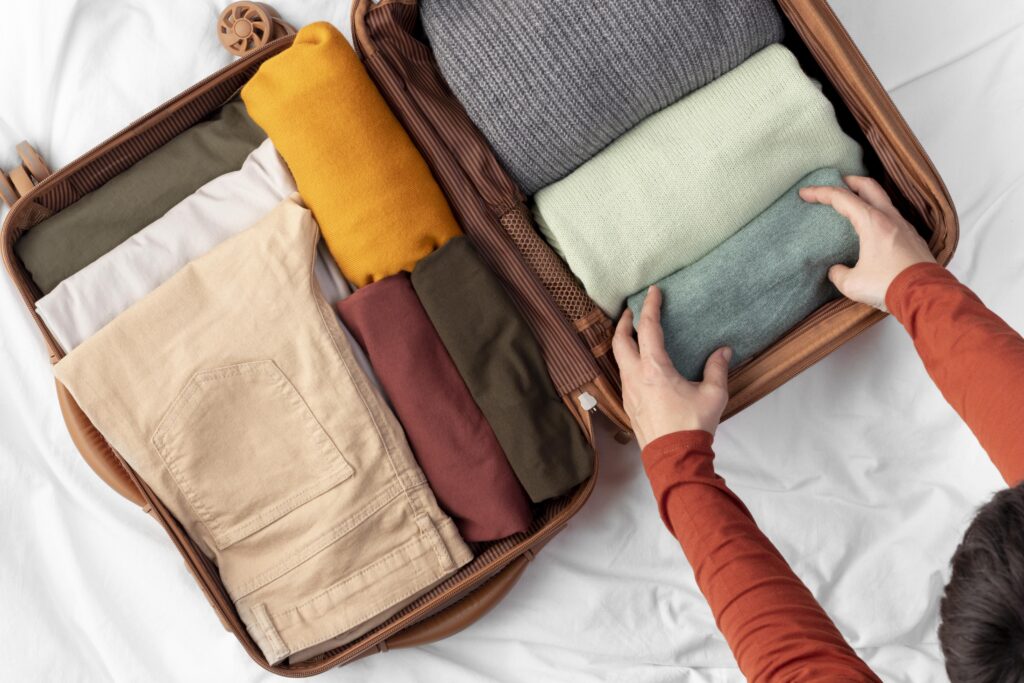
Fold or roll clothes neatly before placing them inside. This reduces wrinkles and helps air escape evenly.
Do not overfill the bag. Leave space for compression. Seal the zipper carefully and double check that it is fully closed.
Remove air slowly whether using a vacuum or rolling method. Rushing increases the chance of leaks.
Test the seal by pressing the bag gently. If air enters reseal before packing.
Managing Wrinkles and Fabric Care
Wrinkling is a valid concern but it can be managed.
Rolling clothes instead of folding reduces sharp creases. Placing thin tissue between layers helps delicate fabrics.
Choose fabrics that recover well like cotton blends and knits. Avoid sealing structured garments tightly.
Once you arrive open the bags promptly. Hanging clothes or laying them flat allows wrinkles to relax naturally. Steam from a shower often helps as well.
Used thoughtfully Vacuum Seal Bags for Travel do not ruin clothes.
Durability and Reusability of Travel Vacuum Bags
Quality matters. Cheap bags often fail after limited use.
Look for thick material reinforced seams and reliable valves. A good bag should survive many trips.
After use wipe the inside with a damp cloth and allow it to dry completely before storage. Keep bags away from heat and sharp edges.
Reusable Vacuum Seal Bags for Travel reduce waste and offer better long term value.
Airline Rules and Travel Safety
Vacuum seal bags are allowed in both carry on and checked luggage. There are no airline restrictions against them.
However security inspections may require opening them. For carry on bags this means you may need to reseal later.
Pressure changes during flights do not typically affect sealed bags. They are designed to handle altitude changes.
Only use vacuum bags for dry items. Liquids should follow airline rules and remain accessible.
Comparing Vacuum Seal Bags with Other Packing Tools
Travelers have several options for managing space.
Packing cubes offer organization and quick access but limited compression.
Compression sacks use straps and work well for outdoor gear.
Vacuum Seal Bags for Travel provide the highest compression but require more effort to access.
Many experienced travelers combine methods. Vacuum bags for bulky items and cubes for daily wear create a balanced system.
Environmental Considerations
Plastic use raises valid concerns. The key factor is reuse.
A durable bag used for years has less impact than disposable packaging used repeatedly.
Some manufacturers are exploring recyclable materials and improved longevity. Choosing quality over quantity matters.
Responsible use makes Vacuum Seal Bags for Travel a reasonable choice.
Real World Travel Examples
On a winter city trip vacuum bags allow coats and sweaters to compress leaving room for shoes and toiletries.
For families each child can have a sealed clothing set which simplifies unpacking.
Long term travelers can separate clean and worn clothes keeping everything compact and controlled.
These practical scenarios show why the bags remain popular.
Trusted Sources and Expert Insight
For general packing and consumer testing guidance Consumer Reports provides reliable evaluations at https://www.consumerreports.org.
The New York Times travel section offers thoughtful advice on smart travel preparation at https://www.nytimes.com.
For background on packaging materials and technology Encyclopaedia Britannica is a trusted reference at https://www.britannica.com.
Travel health and safety considerations can be reviewed through the Centers for Disease Control and Prevention at https://www.cdc.gov.
These sources reinforce informed and responsible travel choices.
Common Mistakes to Avoid
Never seal damp clothing. Moisture trapped inside can cause odor or mildew.
Avoid over compressing delicate fabrics.
Test bags before traveling to avoid seal failures.
Do not vacuum seal items you need frequent access to during transit.
Finding the Right Balance
Vacuum Seal Bags for Travel are tools not rules. Use them where they add value and skip them where they complicate things.
Your travel style matters. Some travelers prioritize speed and access while others value maximum efficiency.
The goal is smoother travel not heavier bags.
The Future of Travel Packing Solutions
Designs continue to improve. Bags are becoming lighter stronger and easier to seal.
Some new models integrate antimicrobial materials and improved valves.
Despite innovation the core benefit remains unchanged. Removing air saves space.
Final Thoughts on Vacuum Seal Bags for Travel
Packing well improves the entire travel experience. Vacuum Seal Bags for Travel offer a simple effective way to manage space and reduce stress.
They are not magic and they are not for every trip. But used thoughtfully they can transform how you pack and how you feel while traveling.
With the right balance they become a reliable part of a smart travel system.
Frequently Asked Questions
How do Vacuum Seal Bags for Travel save space in luggage
First of all they remove trapped air which is the main cause of bulk in clothing. As a result more items fit comfortably without forcing the suitcase.
Can Vacuum Seal Bags for Travel be used in carry on luggage
Yes they are allowed. However security checks may require opening them which means resealing later.
Do Vacuum Seal Bags for Travel damage clothes
When used properly they do not. Careful folding and prompt unpacking help prevent wrinkles.
Are Vacuum Seal Bags for Travel reusable
Yes high quality bags can last for many trips when cleaned and stored properly.
Should all clothes be packed using Vacuum Seal Bags for Travel
Not necessarily. Bulky soft items benefit the most while structured garments may not.
Is it safe to store dirty clothes in Vacuum Seal Bags for Travel
Yes as long as the clothes are dry. Moisture should always be avoided.
Do Vacuum Seal Bags for Travel require a vacuum cleaner
Many travel versions work without one using a roll out method.
Are Vacuum Seal Bags for Travel environmentally responsible
When reused long term they can reduce waste compared to disposable alternatives.
How many Vacuum Seal Bags for Travel should I bring
A small mix of sizes usually works best. Avoid bringing too many to prevent overpacking.
What is the biggest mistake travelers make with Vacuum Seal Bags for Travel
Overpacking simply because more space is available. Balance is essential.