A camera is not just a piece of technology. It is a tool that captures time emotion and perspective. When you travel with a camera you are carrying far more than glass and metal. You are carrying trust. That trust depends heavily on one decision that many people underestimate. Choosing the right Travel Case for Camera.
Travel places your equipment in situations it was never designed to face on its own. Airports crowded streets humidity dust sudden movement and long days of carrying all create risk. A travel case is not an accessory added at the end. It is part of the camera system itself. It determines how safe your gear remains and how confidently you move through the world.
Photographers who choose the right case notice something important. They stop thinking about protection and start thinking about photography. That shift alone can change how often you shoot and how much you enjoy the journey.
Why Camera Protection Becomes Critical When You Travel
At home your camera lives in predictable conditions. On the road nothing is predictable. You may set your bag down on rough ground rush through a terminal or get caught in unexpected rain. Each moment introduces small risks that add up.
A Travel Case for Camera absorbs those risks quietly. It protects against impacts moisture pressure and friction. Just as importantly it protects your attention. When you are not constantly checking your bag or adjusting your grip you are more present. Presence leads to better images.
This is why experienced travelers rarely compromise on protection even when traveling light.
Understanding Your Personal Travel Style First
Before looking at materials or brands it is essential to understand how you actually travel. Not how you imagine traveling but how you move day to day.
Some photographers walk long hours through cities stopping frequently. Others travel between locations by car train or plane. Some shoot discreetly while others carry multiple lenses and accessories. Your Travel Case for Camera should support your habits not fight them.
If you move quickly and shoot spontaneously you will value quick access and low bulk. If you plan shoots and carry extra gear you will value structure and internal organization. The right choice begins with honesty about your routine.
Hard Camera Cases and Their Real World Role
Hard cases offer the highest level of physical protection. They are designed to resist crushing heavy pressure and water intrusion. These cases are often used when equipment must be checked or transported through harsh environments.
However hard cases come with tradeoffs. They are heavier less flexible and slower to access. In busy public spaces they can attract attention. For many travelers a hard Travel Case for Camera works best as a transport solution rather than daily carry.
They excel when safety is the only priority but may limit mobility during active travel.
Soft Camera Cases and Everyday Practicality
Soft cases dominate travel photography for a reason. High quality soft cases use dense foam reinforced panels and durable fabrics to protect gear while remaining comfortable to carry.
They adapt to your body fit into larger bags and allow faster access. A well designed soft Travel Case for Camera balances protection with convenience which is exactly what most travelers need.
Not all soft cases are equal. Construction quality padding density and stitching make a significant difference. When chosen carefully a soft case handles the majority of travel scenarios with confidence.
Interior Layout and Padding Quality Explained
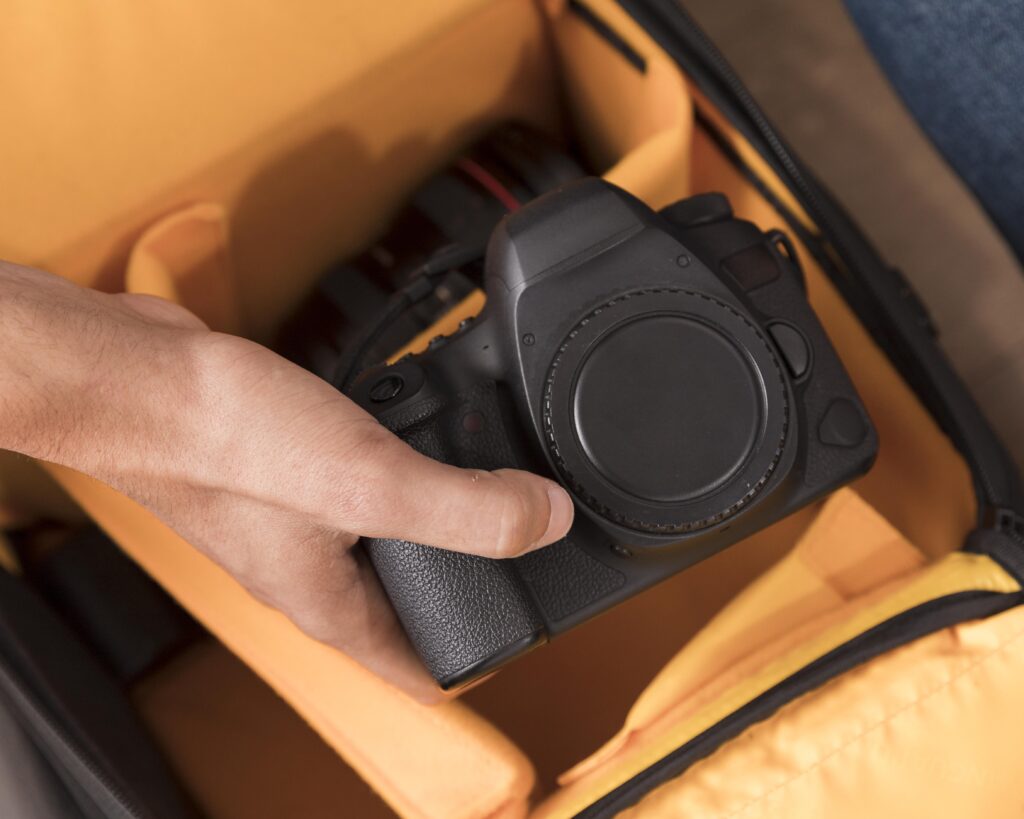
The inside of the case determines how well your gear survives movement. Adjustable dividers allow you to customize the layout so equipment does not shift or collide.
Padding should be firm enough to absorb shock without compressing over time. Too soft and it collapses. Too hard and it transfers impact. The balance matters.
Interior lining should be smooth and non abrasive. Lenses and screens benefit from soft surfaces that prevent micro scratches during repeated movement.
Protection From Weather and Environment
Travel exposes your camera to elements that change quickly. Rain dust sand and humidity are common challenges. A Travel Case for Camera should offer weather resistance through coated fabrics sealed zippers and tight seams.
Humidity deserves special attention. In warm or coastal areas moisture can damage electronics and promote fungus growth in lenses. Many travelers place silica gel inside their case to regulate internal moisture during long trips.
Weather protection is not about extremes. It is about surviving everyday exposure without stress.
Comfort and Carrying Experience Over Long Days
Protection means nothing if the case becomes painful to carry. Comfort determines how long you keep your camera with you and how often you take it out.
Good cases distribute weight evenly and reduce pressure points. Shoulder straps should be padded and adjustable. Back panels should allow airflow to reduce heat during long walks.
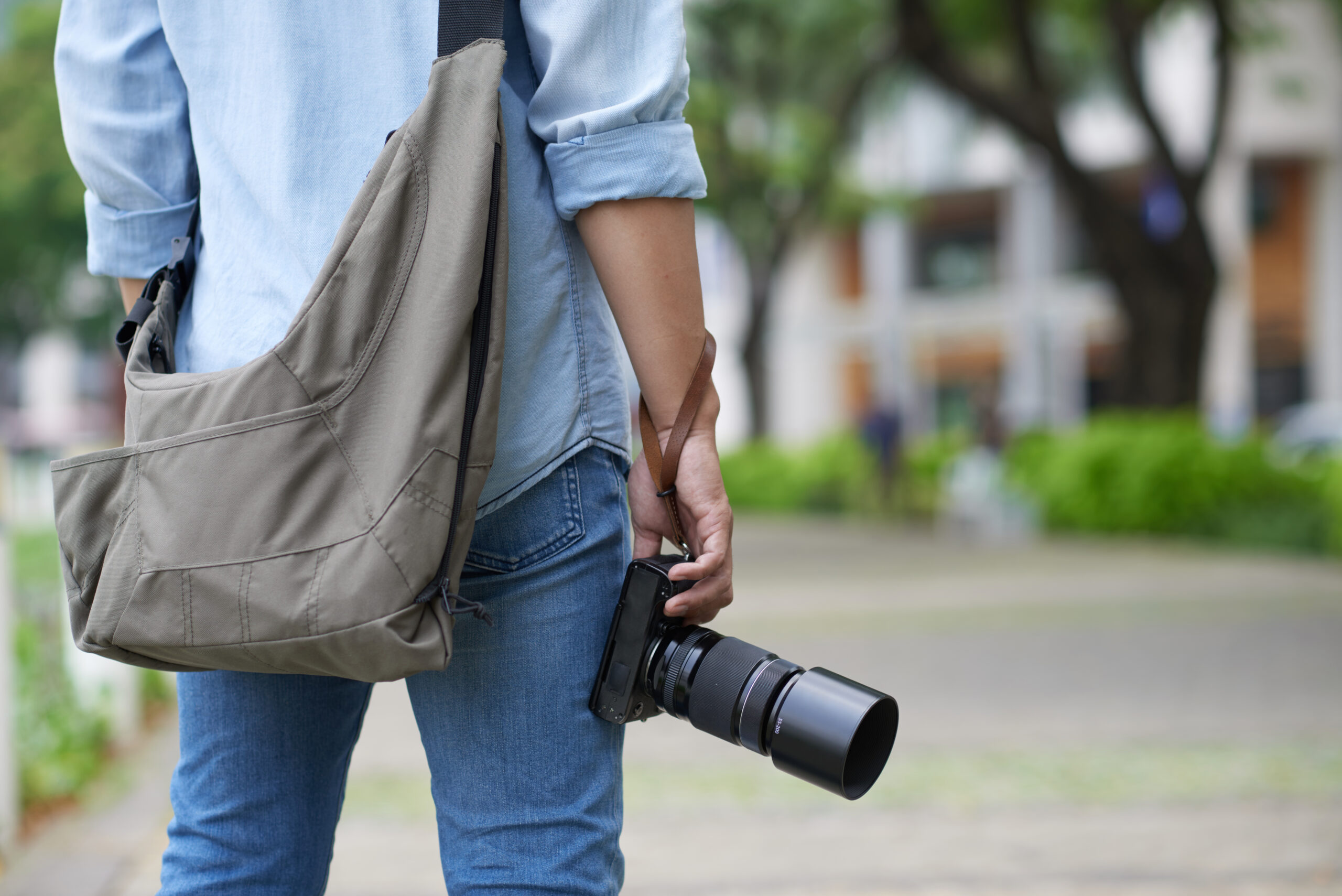
Sling designs allow fast access while backpacks support extended carrying. Choosing the right format depends on your movement style and daily distance.
A comfortable Travel Case for Camera supports creativity by removing physical distraction.
Security Considerations While Traveling
Travel often places you in unfamiliar environments. A camera case should help reduce theft risk rather than increase it.
Low profile designs attract less attention than obvious camera branding. Lockable zippers add protection in crowded areas. Some cases open only from the side facing your body which makes quick theft difficult.
Security is about subtlety and awareness not fear. A smartly designed Travel Case for Camera supports both.
Air Travel and Carry Size Awareness
Flying introduces specific challenges. Airlines enforce strict carry size rules and overhead space is limited. A case that exceeds limits risks being checked which exposes gear to rough handling.
Many photographers choose cases designed specifically for carry compliance. These cases maximize internal space while staying within size guidelines.
Before flying always check airline requirements and compare them to case dimensions. A well chosen Travel Case for Camera can prevent last minute stress at the gate.
Everyday Travel Versus Photography Focused Trips
Not every trip revolves around photography. Sometimes your camera supports the experience rather than defining it.
For photography focused trips a larger organized case makes sense. For mixed travel a compact case that blends into daily life often works better. Many photographers maintain more than one case and choose based on purpose.
Flexibility allows you to adapt rather than compromise.
Materials That Balance Durability and Weight
Modern cases use advanced materials to stay durable without becoming heavy. Ballistic nylon reinforced stitching and lightweight internal frames improve strength while keeping weight manageable.
Avoid cases that feel flimsy or overly rigid without reason. The best Travel Case for Camera feels solid yet unobtrusive allowing you to move freely.
For professional gear testing insights and long term reviews you can explore https://www.dpreview.com which offers detailed evaluations based on real use.
Choosing the Right Size for Your Camera System
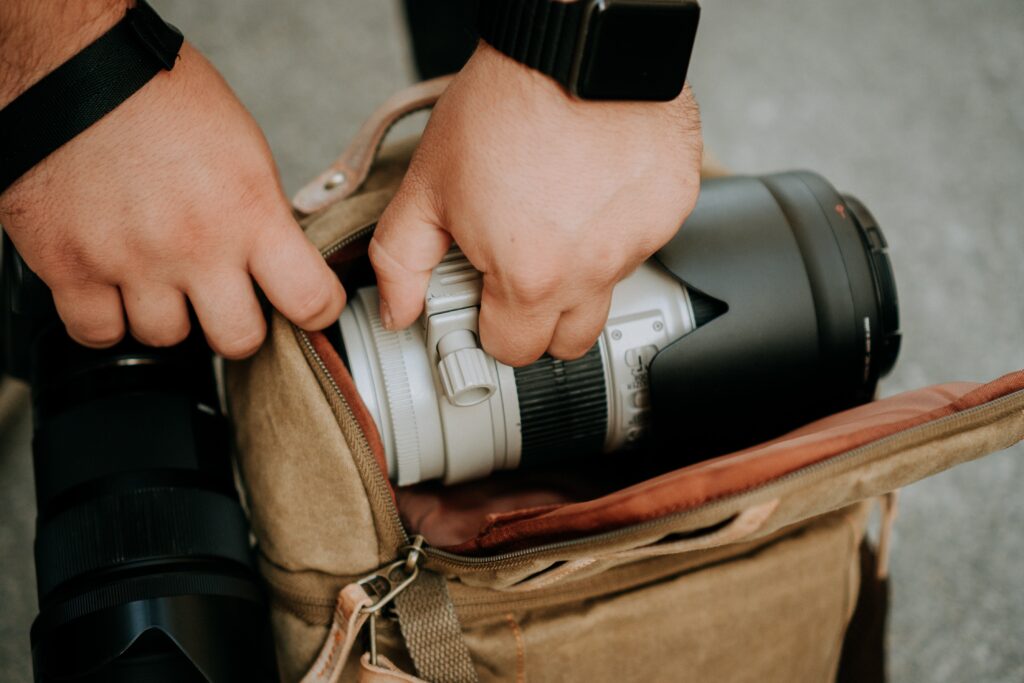
One of the most common mistakes travelers make is choosing a case based on appearance rather than fit. A Travel Case for Camera must match the size and shape of your actual equipment. Mirrorless systems usually need less space while full frame DSLR setups with fast lenses require more depth and structure.
Measure your camera with the lens attached. Include lens hoods batteries filters and small accessories you actually carry. A case that is too tight increases wear and pressure. A case that is too large adds bulk and allows movement. The right size feels secure without forcing anything into place.
Thinking ahead also matters. Many photographers upgrade lenses over time. Leaving a small amount of extra room can extend the usefulness of your case.
Organization and Access in Real Use
How quickly you can access your camera affects how often you shoot. Missed moments often come down to slow access rather than poor timing.
A good Travel Case for Camera allows you to open the bag and reach your camera with minimal steps. Zippers should glide smoothly without snagging. Dividers should guide your hand naturally to the right spot.
External pockets also matter. Memory cards batteries cleaning cloths and filters need dedicated spaces. When everything has a place you spend less time searching and more time shooting.
Discreet Design and Blending In While Traveling
Standing out is not always ideal when traveling with expensive equipment. A case that looks like a regular bag draws less attention than one covered in camera branding.
Neutral colors simple shapes and understated logos help your Travel Case for Camera blend into everyday environments. This reduces theft risk and allows you to move comfortably in crowded or unfamiliar areas.
Discretion also affects how people react to you. A subtle case makes it easier to photograph naturally without making subjects feel observed.
Cost Versus Value Over Time
A quality Travel Case for Camera can feel expensive at first glance. However cost should be evaluated over time not at purchase.
A well made case often lasts through multiple camera bodies and lenses. It protects equipment worth far more than its own price. In contrast a cheap case that fails can lead to costly repairs or replacements.
Value comes from durability comfort and reliability across years of travel. When viewed this way a good case becomes a smart investment rather than an expense.
Maintenance and Care for Long Term Reliability
Even the best case benefits from simple care. Dust and grit can damage zippers over time. Moisture left inside can weaken materials and harm gear.
After exposure to rain or humidity let the case dry fully before storage. Periodically clean zippers and seams. Adjust internal dividers as your setup changes to maintain proper support.
Treat your Travel Case for Camera as part of your equipment kit. Care ensures it continues to protect effectively.
Learning From Professional Travel Photographers
Experienced travel photographers rarely talk about cases publicly yet their choices reveal priorities. They favor reliability comfort and speed over style.
Many professionals choose cases that disappear into their workflow. The bag becomes invisible while the photography takes center stage.
Educational resources from camera manufacturers such as https://www.canon.com often emphasize safe transport and gear care. These insights reflect years of professional experience and real world challenges.
Responsible Travel and Sustainable Gear Choices
Sustainability has become an important consideration for many travelers. Some case manufacturers now use recycled materials and responsible production methods without sacrificing quality.
Choosing a durable Travel Case for Camera reduces waste by avoiding frequent replacement. Longevity itself is a form of sustainability.
Travel focused organizations like https://www.nationalgeographic.com frequently highlight responsible travel practices. Thoughtful gear choices support those values.
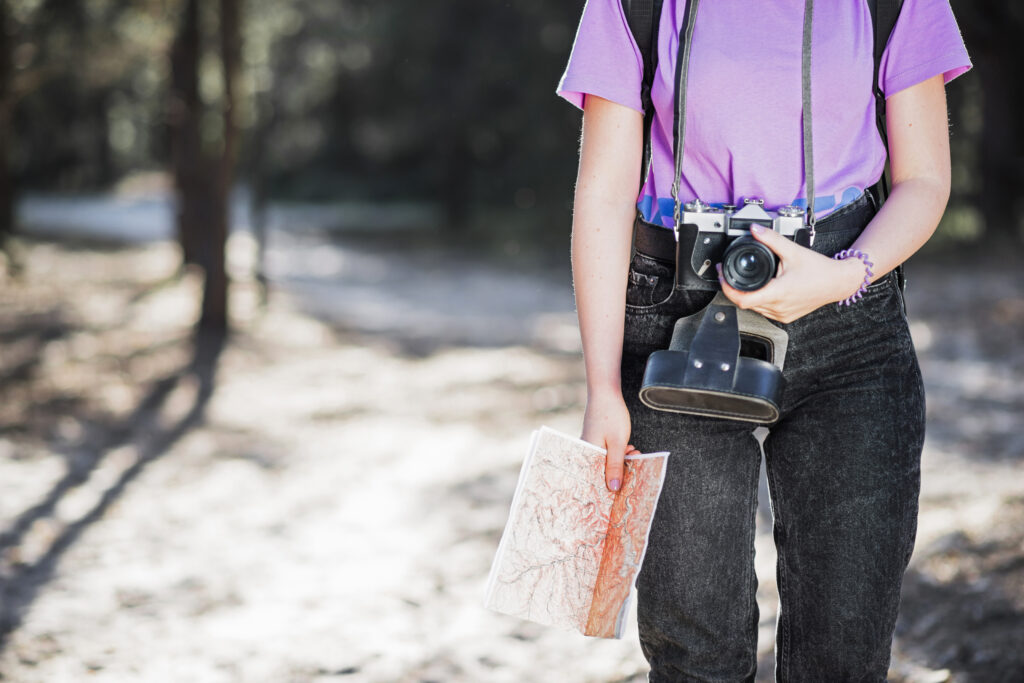
Real World Moments Where the Right Case Makes the Difference
Imagine navigating a crowded market with uneven ground. A compact secure case keeps your camera stable and close. Picture a sudden rainstorm while exploring a new city. Weather resistant materials protect your gear until you find shelter.
Consider rushing through an airport connection. A well balanced case stays comfortable while keeping your equipment safe. These moments are common. The value of a Travel Case for Camera appears during these imperfect situations.
Making the Final Decision With Confidence
Choosing a Travel Case for Camera is personal. It reflects how you travel what you photograph and how you move through the world.
The right case supports you quietly. It removes worry reduces fatigue and encourages you to carry your camera more often. When protection and comfort fade into the background creativity moves forward.
Trust your experience. Choose a case that fits your life not just your gear.
Frequently Asked Questions About Travel Case for Camera
What should I consider first when buying a Travel Case for Camera
First consider how you travel and how long you carry your gear each day. Then look at how much equipment you bring. This sequence helps you narrow choices logically.
Is a Travel Case for Camera necessary for short trips
Yes because even short trips involve movement crowds and changing conditions. A proper case protects your camera regardless of distance.
Can one Travel Case for Camera work for every type of travel
Sometimes but not always. While versatile cases exist certain trips benefit from specialized designs. Many photographers own more than one case.
How does a Travel Case for Camera help during flights
It protects equipment from impact and keeps it within reach while complying with carry rules. This reduces stress during boarding and security checks.
Are soft Travel Case for Camera options safe enough for expensive gear
In most everyday travel situations yes. High quality soft cases provide excellent protection while remaining lighter and more comfortable than hard cases.
What security features matter most in a Travel Case for Camera
Lockable zippers discreet design and body facing access panels help reduce theft risk in crowded or unfamiliar places.
How do I extend the life of my Travel Case for Camera
Clean it regularly dry it after moisture exposure and adjust padding as your gear changes. Simple care keeps the case reliable for years.
A well chosen Travel Case for Camera protects more than equipment. It protects your confidence your focus and your ability to capture the world freely wherever you go.
Related Content
Do I Need a Visa to Travel to Mexico