If you have been dreaming of visiting Japan without breaking the bank, you are in the right place. Japan is a destination that draws millions of visitors each year with its rich culture, stunning landscapes, and world class experiences. That popularity can make travel expensive during certain months. With peace of mind and a thoughtful plan, though, you can find times when visiting Japan is far more affordable than most people realize. In this article, we will explore when the cheapest time to travel to Japan really is, how seasonal patterns affect costs, and how you can plan your trip to get the most value from every dollar you spend.
Japan’s tourism patterns are tied closely to climate, local holidays, and cultural events. Busy times like the cherry blossom season and national holidays bring higher prices, while quieter months with cooler weather or rainy periods often offer the best deals. Understanding this rhythm is where real savings begin.
In the sections that follow, we will look at why off peak travel matters, break down the seasonal considerations, explore how to save on flights and lodging, and give you practical tips for planning a budget friendly Japan itinerary. When you have finished reading, you will know exactly how to choose the cheapest time to travel to Japan with confidence.
What Drives Travel Costs in Japan
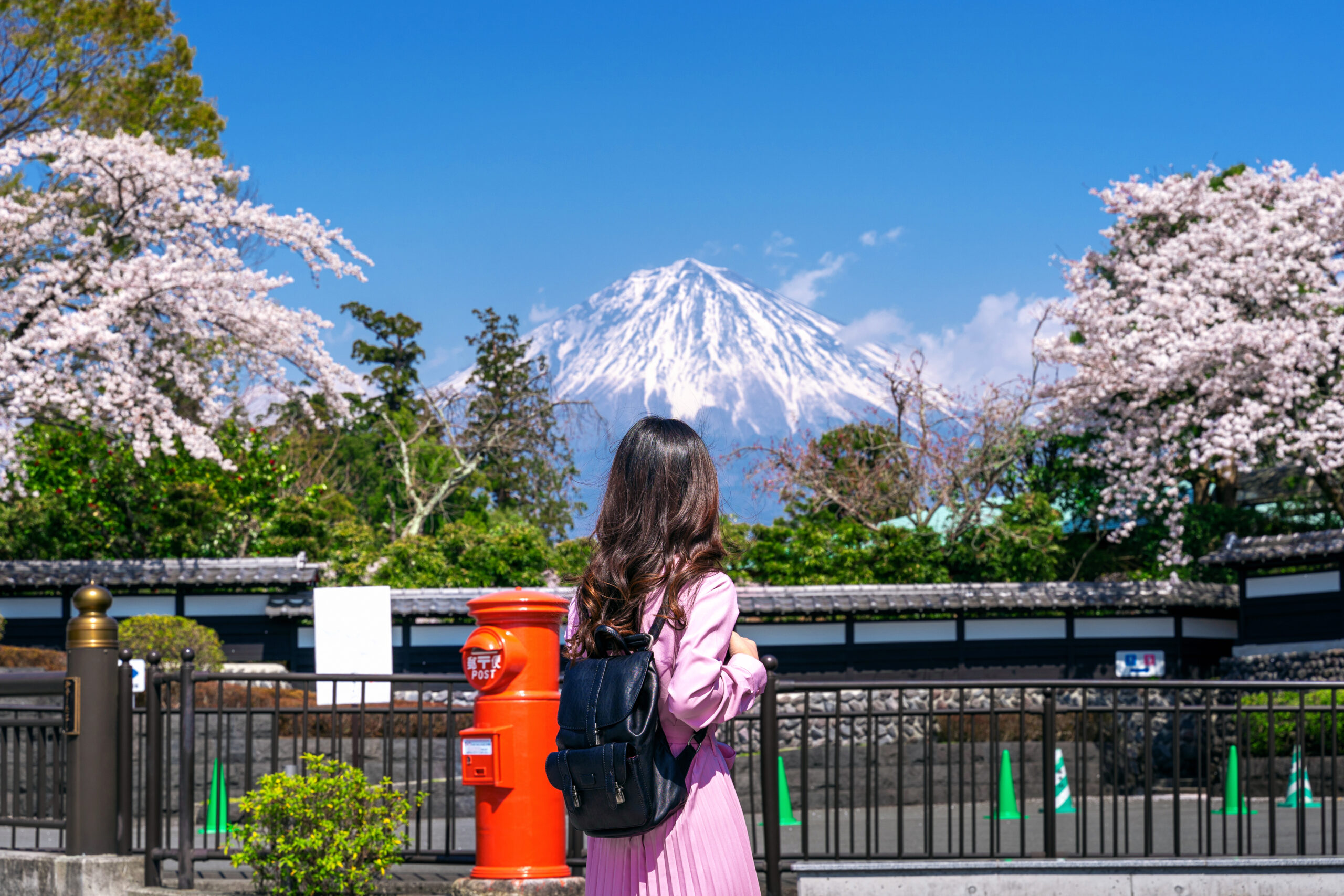
Travel costs are not random. They rise and fall based on demand, weather, and special events. In Japan, this pattern is especially strong because many travelers plan their trips around specific cultural experiences. One prime example is cherry blossom season in spring. Between late March and early April, cities like Tokyo and Kyoto become magnets for tourists from all over the world. Hotels fill up, flights book quickly, and prices surge as demand climbs.
Other times of year also have their own cost patterns. Major holiday periods like Golden Week (late April to early May) and the New Year holiday period see increased local travel as well as inbound tourism. Both domestic and international travelers are trying to move around the country, which pushes up prices across the board.
These busy periods contrast sharply with quieter months. In winter, except around the holiday season, and in certain shoulder seasons before and after peak times, demand drops enough that airlines and hotels often lower prices to attract bookings. We will talk more about those windows in the sections ahead.
Seasonal Windows for Cheaper Travel
The cheapest time to travel to Japan is not limited to a single month or two. Instead, there are several windows throughout the year where travel costs tend to be lower. Each window has its own trade offs in terms of weather, crowds, and experiences. Here is how they break down.
Winter Quiet Months: January to Early March
For many travelers, winter might seem like an unlikely time to visit Japan. Yet precisely because fewer people plan trips in the cold months, this period often has some of the most affordable flights and hotel rates of the entire year.
After the rush of the New Year holiday, which sees many locals traveling around the country, demand for flight seats and hotel rooms drops sharply. Prices follow. If you are comfortable with cooler temperatures and want to explore cities, museums, and onsens (hot springs) without crowds, this is one of the best times to look for travel deals.
This period also has the benefit of lower rates on domestic travel. Services like the Japan Rail Pass, buses, and even ferries can be more flexible in pricing and seating when local travel demand is lower. That can stretch your budget even further once you are in Japan.
Late May to Mid June: Before the Rain
Late spring and early summer offer a quieter travel window between two distinct periods of demand. The early part of May includes Golden Week, a string of national holidays that is one of the busiest travel seasons in Japan. After that ends, there is a natural lull before the height of the rainy season arrives.
During this short window, flight and accommodation prices can be notably lower than during the peak months that surround them. Temperatures are warm and the scenery is lush, though occasional rain showers are common. Travelers who are comfortable with that trade off can enjoy a quieter and cheaper Japan experience.
Late September to Early December: Quiet After Summer, Before Holidays
September through early December is another window that often gets overlooked. Summer travel demand declines after August, and most families have finished their vacations by September. While early autumn foliage draws local tourists to specific areas later in the season, the overall travel demand remains moderate compared to spring and summer peaks.
This season offers mild weather and a chance to see colorful landscapes without the price spikes of peak foliage periods later in November. Because fewer international tourists travel at this time, airlines and hotels frequently adjust prices to fill seats and rooms.
Avoiding Peak Seasons
It is just as important to know when not to travel if you want to find the cheapest time to travel to Japan. Peak seasons include:
- Cherry blossom season in March and April. This is one of the most popular travel windows and prices reflect that high demand.
- Golden Week in late April and early May. Domestic travel spikes and international tourism remains strong.
- Summer vacation months of July and August, especially around Obon in mid August.
- Winter holiday travel in late December. Many locals are traveling to visit family or enjoy holiday traditions, making this period busy.
Avoiding these periods when possible makes planning a cheaper trip much easier.
Flight Booking Strategies for the Cheapest Time to Travel to Japan
Finding the best airfare is critical when aiming for the cheapest time to travel to Japan. Timing, flexibility, and research are key. Airlines adjust prices based on demand, fuel costs, and seat availability, so knowing when and how to book can save hundreds of dollars.
Booking in Advance
Generally, booking international flights two to four months in advance provides the best value. Prices tend to climb sharply as the departure date nears. For trips during off peak months such as January to early March or late September to early December, booking around three months ahead often yields the lowest fares.
Flexible Dates
Flexibility can dramatically reduce costs. Many travelers find that shifting their departure or return by just a few days can reduce airfare by hundreds of dollars. Using fare comparison websites or setting up price alerts is a simple way to catch these fluctuations.
Connecting Flights
Direct flights are convenient but often more expensive. If your schedule allows, consider flights with one or two stops. Routes through major hubs like Seoul, Taipei, or Hong Kong can be more affordable than direct flights to Tokyo or Osaka. While travel time increases, the savings can be significant.
Airlines to Watch
Some airlines consistently offer better deals to Japan during off peak seasons. Carriers such as ANA, Japan Airlines, and major international airlines like Korean Air or EVA Air often provide competitive fares. Signing up for their newsletters or loyalty programs can give early access to discounted fares.
Accommodation Tips for Budget Friendly Travel
Choosing the right accommodation can make a large difference in your travel budget. During the cheapest time to travel to Japan, hotels, hostels, and even vacation rentals often lower rates to attract travelers. Here is how to make the most of these options.
Business Hotels and Capsule Hotels
Business hotels offer compact, clean rooms at reasonable prices. They are especially common in Tokyo and Osaka, and they frequently offer deals during off peak months. Capsule hotels, though smaller, provide a unique Japanese experience and are among the most budget friendly options available.
Vacation Rentals
Platforms like Airbnb and other authorized rental services can offer cost savings, particularly for longer stays. Renting an apartment allows you to prepare your own meals, reducing dining costs and giving you more flexibility with your schedule.
Booking in Advance vs Last Minute
While booking early usually ensures the best rates and room choice, some hotels offer last minute discounts during quiet periods. Monitoring rates online and using apps with flexible booking options can help you take advantage of these deals.
Consider Location
Staying slightly outside the most popular districts can reduce accommodation costs without sacrificing convenience. Japan’s public transportation is highly efficient, so a hotel or rental a few train stops away can save money while keeping you close to major attractions.
Money Saving Activities in Japan
Even during the cheapest time to travel to Japan, daily expenses can add up. Planning activities that are both enriching and budget friendly is key.
Exploring Temples and Shrines
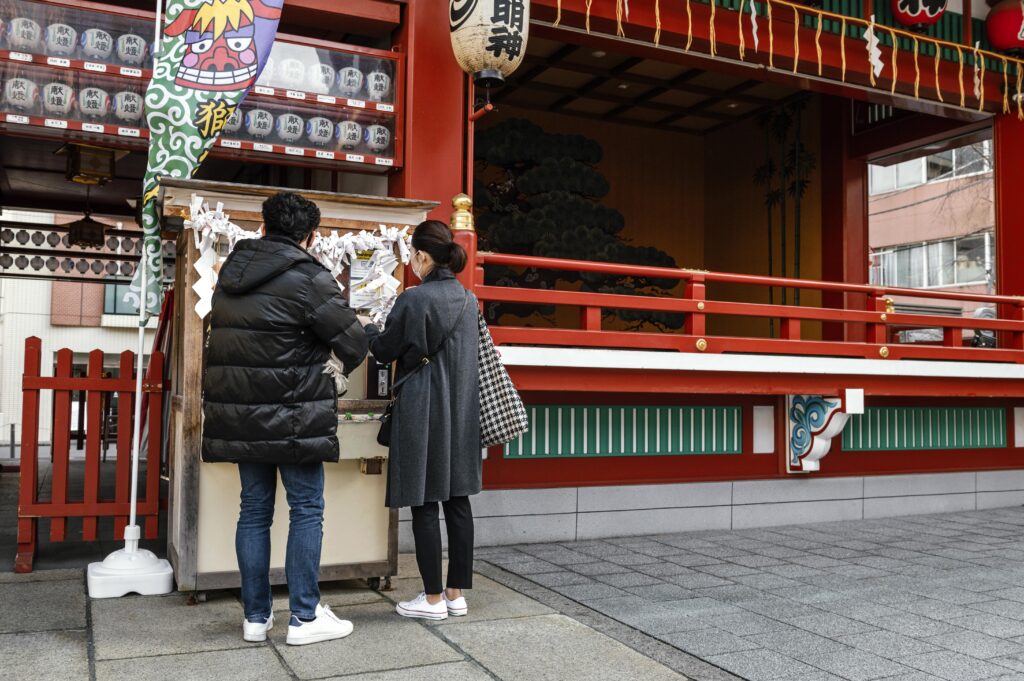
Japan is home to countless temples and shrines, many of which are free or have minimal entrance fees. Kyoto, Nara, and Kamakura are excellent cities for exploring historical sites without spending much money.
Public Parks and Nature
Visiting public parks, gardens, and natural landmarks can provide unforgettable experiences at little or no cost. Parks like Ueno Park in Tokyo, Kenrokuen in Kanazawa, or Mount Takao trails offer beauty and cultural insight without heavy spending.
Museums and Cultural Centers
Many museums have off peak discounts or special free entry days. Planning visits during these times can allow you to experience art, history, and science without breaking your budget. Check official websites before visiting to find these offers. (japan.travel/en/uk)
Street Food and Local Markets
Dining out can be expensive in Japan, but street food, convenience store meals, and markets offer affordable and authentic culinary experiences. Places like Nishiki Market in Kyoto or Kuromon Ichiba Market in Osaka provide fresh local flavors at reasonable prices.
Budget Friendly Itinerary Ideas
When traveling during the cheapest time to travel to Japan, careful itinerary planning can maximize both experiences and savings. Here is a sample outline for a one week trip on a budget.
Day One to Two: Tokyo Exploration
Focus on free or low cost attractions such as Meiji Shrine, Asakusa and Sensoji Temple, and walking through neighborhoods like Shibuya and Harajuku. Public transport day passes reduce commuting costs.
Day Three: Day Trip to Nikko or Kamakura
Both destinations are accessible by train and offer cultural and natural experiences at low costs. Walking and exploring temples, gardens, and shrines makes for an enriching day without major expenses.
Day Four to Five: Kyoto Highlights
Visit Kiyomizudera, Fushimi Inari Shrine, and Arashiyama Bamboo Grove. Many of these attractions have low entrance fees. Renting a bicycle can be an economical way to navigate the city.
Day Six: Nara or Osaka
See the famous Nara deer park or explore Osaka’s Dotonbori district. Both options provide cultural immersion and entertainment without high spending.
Day Seven: Wrap Up in Tokyo
Return to Tokyo for shopping or any attractions you missed. Convenience stores and local eateries allow you to enjoy meals affordably while sampling authentic Japanese flavors.
Insider Tips for Traveling on a Budget
Traveling during the cheapest time to travel to Japan requires more than just picking the right month. Smart planning and local knowledge can make your trip both affordable and unforgettable.
Use Regional Rail Passes
Japan’s rail network is efficient but can be expensive if purchased piecemeal. Regional rail passes, such as the JR East Pass or Kansai Area Pass, allow unlimited travel within certain areas at a fixed price. Planning your itinerary around these passes maximizes savings.
Carry a Rechargeable IC Card
Cards like Suica or Pasmo streamline public transport payments in cities like Tokyo and Osaka. They offer convenience, and some retailers provide small discounts or promotions when paying with these cards.
Shop Smart for Souvenirs
Avoid purchasing souvenirs at major tourist sites, which are often overpriced. Local markets, department stores, and 100 yen shops provide affordable alternatives without compromising quality.
Book Attractions in Advance
Even during off peak months, popular sites can sell out. Booking ahead online can sometimes offer discounts and ensures you do not pay higher prices at the gate.
Seasonal Food and Festival Experiences
Traveling in Japan during the cheapest time does not mean missing out on cultural experiences. Seasonal foods and local festivals enhance your journey while remaining budget friendly.
Winter Delicacies
In winter, enjoy warming dishes such as oden, ramen, and hot pot meals. Many street stalls and small restaurants offer these meals at reasonable prices, giving you an authentic taste of Japanese cuisine.
Early Summer Refreshments
During late May and early June, seasonal fruits like cherries and early melons are available. Local farmers’ markets provide fresh and inexpensive options to sample Japanese produce.
Autumn Harvest
Late September to early December brings harvest festivals and seasonal specialties such as persimmons, chestnuts, and matsutake mushrooms. Participating in local matsuri or visiting markets allows travelers to enjoy the culture without spending heavily.
Cultural Festivals
Even in off peak months, small-scale festivals occur across Japan. These events are often free and provide insight into local traditions, music, and dance. Attending these festivals can enrich your experience without adding cost. (japan.travel/en/uk)
Transport Cost Saving Strategies
Getting around Japan efficiently is crucial for a budget conscious traveler.
Avoid Taxis When Possible
Taxis are convenient but expensive. Using trains, subways, and buses is far more economical.
Consider Night Buses
For long distance travel, overnight buses are a budget friendly alternative to the Shinkansen. While less comfortable, they save both travel time and accommodation costs.
Walk and Explore
Many cities in Japan are pedestrian friendly. Walking allows you to explore neighborhoods intimately and save on transit fares while discovering hidden gems.
Bike Rentals
Cities like Kyoto and Nara offer bicycle rentals at affordable rates. This allows flexibility and access to areas that are difficult to reach by public transport.
Conclusion
In conclusion, the cheapest time to travel to Japan is influenced by season, local holidays, and tourism patterns. By traveling during off peak windows such as January to early March, late May to mid June, and late September to early December, you can significantly reduce flight, accommodation, and daily expenses. Combining these periods with smart planning for transport, meals, and attractions ensures a high quality experience without overspending.
Traveling to Japan need not be expensive. With thoughtful timing, flexibility, and knowledge of cost saving strategies, anyone can experience the rich culture, stunning landscapes, and culinary delights of this remarkable country.
Frequently Asked Questions
What is the absolute cheapest time to travel to Japan?
The absolute cheapest time is typically January to early March. This period follows the New Year holidays and avoids major domestic and international tourist peaks. You will find lower airfare, hotel rates, and fewer crowds while still enjoying Japan’s cultural offerings.
Can I still enjoy festivals and local events during the cheapest time to travel to Japan?
Yes. While major festivals often coincide with peak travel seasons, there are smaller local events year round. For example, winter food festivals, autumn harvest celebrations, and local cultural gatherings occur in off peak months, allowing travelers to experience authentic Japanese traditions without paying premium prices.
How can I find the best flight deals for Japan?
Monitoring prices using fare comparison websites, setting alerts, and being flexible with travel dates are essential. Booking two to four months in advance and considering connecting flights through hubs like Seoul or Taipei often results in the lowest fares.
Are accommodations significantly cheaper during off peak months?
Yes. Business hotels, hostels, and vacation rentals frequently offer discounted rates during off peak months. Staying slightly outside major tourist areas and booking in advance can maximize savings while maintaining convenience.
Is Japan still enjoyable during colder months?
Absolutely. Winter offers opportunities to enjoy onsens, snow sports in northern regions, seasonal cuisine, and fewer crowds at popular attractions. Even cooler temperatures cannot diminish the cultural and scenic richness of Japan.
Related Content
Top 10 Places in the World to Travel