
Travel is more than moving between cities or countries. It is a process that reshapes perspective, opens the mind, and connects people to cultures and landscapes far beyond what is familiar. Choosing where to travel is as important as the journey itself. The destinations included in this guide are part of the Top 10 Places in the World to Travel, selected for their ability to leave a lasting impression through culture, natural beauty, history, and authentic human experiences.
Modern travel often focuses on social media trends or checklist tourism. Yet the most meaningful experiences come from places that encourage presence, reflection, and curiosity. These destinations offer more than attractions; they provide environments that allow visitors to engage deeply, think critically, and feel profoundly. The list covers cities and natural landscapes that consistently reward travelers, from first visits to repeated explorations.
Understanding the character of a place before visiting enhances the journey. This guide is structured to provide not only a description but also practical insight, cultural context, and an understanding of how to experience each destination respectfully. Whether you are a first-time international traveler or a seasoned adventurer, these destinations offer perspectives and experiences that are difficult to find elsewhere.
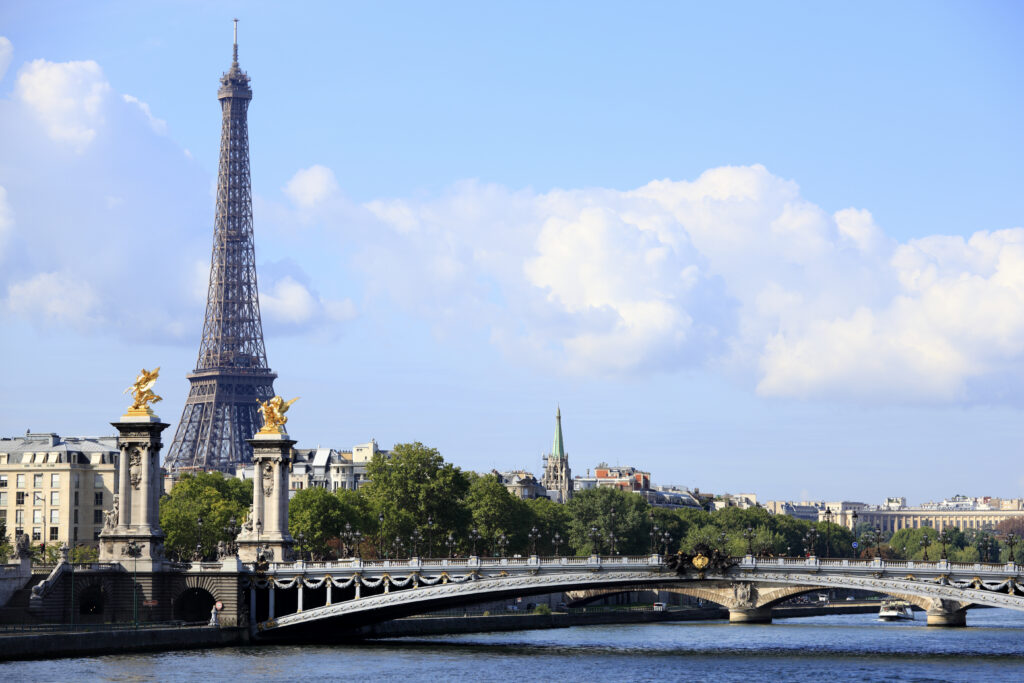
Paris, France
Paris is more than the Eiffel Tower, the Louvre, or the Champs-Élysées. Its inclusion in the Top 10 Places in the World to Travel comes from its atmosphere, its art, and its enduring elegance that feels natural rather than manufactured. The city invites visitors to observe, reflect, and participate in a culture that values quality over speed.
Walking Through Paris
Exploring Paris on foot is the best way to understand its rhythm. Early mornings reveal a calm city waking up, with local bakeries filling the air with the scent of fresh bread. Streets lined with centuries-old architecture tell stories of history and resilience. Neighborhoods such as Le Marais, Saint Germain, and Montmartre offer layers of discovery that go beyond tourist landmarks. Cafes and small squares act as social hubs where locals gather, providing an authentic view of Parisian life.
Wandering without strict schedules is encouraged. Every corner has potential for a small discovery, whether it is a hidden bookshop, a mural, or a quiet riverside walk along the Seine. The city rewards curiosity and patience.
Art, Culture, and Cuisine
Paris has long been associated with art, but creativity exists beyond museums. Street performers, independent galleries, and fashion exhibitions bring the city to life daily. Museums like the Louvre and Musée d’Orsay provide historical context, but the city itself functions as a living gallery.
Cuisine in Paris reflects the city’s philosophy. Meals are thoughtful rather than hurried. Simple combinations of bread, cheese, wine, and seasonal ingredients are prepared with care. Dining becomes a cultural experience, emphasizing presence and shared enjoyment. For travelers interested in the historical and cultural background of Paris, https://www.britannica.com offers reliable and in-depth context.
Kyoto, Japan
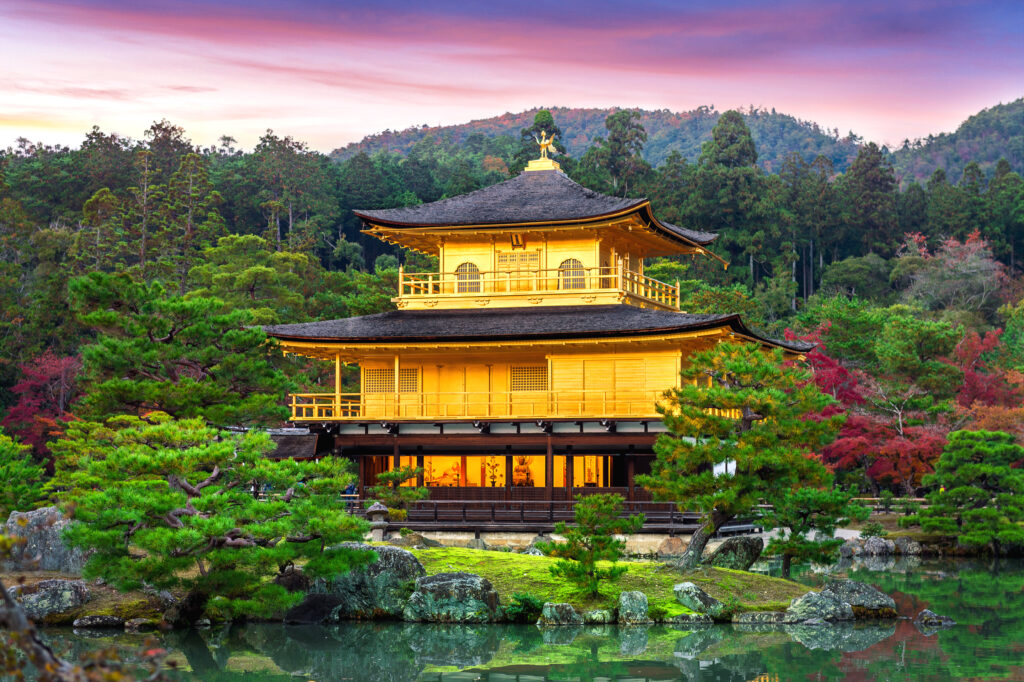
Kyoto embodies tradition, ritual, and a pace of life that encourages reflection. Its inclusion in the Top 10 Places in the World to Travel stems from its ability to preserve Japanese heritage while offering profound experiences for visitors who approach it thoughtfully.
Temples, Shrines, and Cultural Heritage
Kyoto is home to over a thousand temples and shrines. These are not mere tourist attractions; they are active spaces of worship and cultural preservation. Walking through a bamboo grove or a temple courtyard encourages mindfulness. The city’s architecture, from wooden houses to carefully maintained gardens, reflects centuries of aesthetic and spiritual practice.
Seasonal shifts define Kyoto’s character. Spring brings cherry blossoms that transform parks and streets into soft, ephemeral landscapes. Autumn turns leaves into vivid red and gold, creating moments of contemplation. These changes are brief, which makes them precious and encourages visitors to slow down and appreciate impermanence.
Food and Daily Life
Kyoto’s culinary culture emphasizes balance, simplicity, and local ingredients. Meals are designed with harmony in mind, reflecting principles found in tea ceremonies and traditional crafts. Even a modest bowl of rice or vegetables can feel intentional and meaningful. Dining in Kyoto is not just consumption; it is an extension of cultural immersion.
Daily life in Kyoto encourages observation over action. Silence is respected in many spaces, and visitors often find that understanding the rhythms of the city offers more insight than ticking off a checklist of sites. For information on cultural preservation and the significance of heritage sites, https://www.unesco.org provides reliable resources connected to Kyoto.
Cape Town, South Africa
Cape Town is a city of contrasts. Its inclusion in the Top 10 Places in the World to Travel comes from the combination of dramatic natural landscapes and rich cultural history. The city balances beauty with reflection, offering experiences that are visually stunning and emotionally resonant.
Natural Landscapes and Outdoor Experiences
The geography of Cape Town is extraordinary. Table Mountain dominates the skyline, offering panoramic views that shift with the changing light. The coastline alternates between calm beaches and rugged cliffs, providing diverse experiences for travelers. Hiking, coastal walks, and exploring nature reserves allow visitors to connect deeply with the environment. Each landscape encourages appreciation rather than just observation, making nature a central part of the travel experience.
History, Culture, and Community
Cape Town’s history is layered and complex. Neighborhoods, museums, and cultural institutions openly address struggles, resilience, and transformation. District Six Museum, for instance, tells the story of forced removals and urban change, creating a reflective space for understanding the city’s past. Engaging with locals and learning their stories adds emotional depth that cannot be captured in photographs alone.
The city’s food and art scenes mirror its diversity. Markets showcase creativity, while restaurants highlight regional flavors and culinary traditions. Travelers who approach Cape Town with curiosity and respect find that the city offers both personal insight and broad cultural understanding.
For more responsible travel guidance and environmental context in South Africa, https://www.nationalgeographic.com provides reliable resources.

Rome, Italy
Rome offers a living connection to history. Its presence on the Top 10 Places in the World to Travel is earned through its unique ability to blend ancient history with vibrant modern life.
Historical Exploration
Walking through Rome is like moving through time. The Colosseum, Roman Forum, and Pantheon provide tangible links to the past. Yet the city’s character is not limited to these landmarks. Neighborhood streets, small piazzas, and local markets reveal how Romans live alongside history every day. Experiencing Rome fully requires patience and attention, as the city rewards those willing to explore beyond guidebook highlights.
Culture, Lifestyle, and Cuisine
Rome’s culture is expressive. Conversations are lively, gestures are animated, and emotion is visible. This energy is present in cafes, public squares, and markets. Dining in Rome reflects this cultural vibrancy. Meals emphasize simplicity, regional ingredients, and long shared experiences. Pasta, fresh vegetables, and olive oil form the backbone of cuisine, but every meal carries a sense of tradition and intentionality.
Travelers who slow down and engage with the city’s rhythm often leave with memories that surpass any photographic image. Rome encourages observation, reflection, and participation in its living history.
New York City, United States
New York City is one of the most dynamic urban destinations in the world. Its place among the Top 10 Places in the World to Travel comes from its diversity, energy, and cultural impact.
Neighborhoods and Cultural Identity
New York is a city of contrasts. Each borough and neighborhood has its own identity. Manhattan is iconic, Brooklyn offers creative energy, Queens brings cultural diversity, and the Bronx tells powerful stories of resilience. Museums, theaters, and galleries showcase world-class art, while local cafes and community spaces provide authentic glimpses into daily life. Experiencing these neighborhoods helps travelers understand the city beyond headlines and tourist maps.
Food, Creativity, and Connection
Food in New York reflects its global nature. Immigrant communities shape the culinary scene, resulting in an unparalleled variety of cuisines. Street food, local bakeries, and fine dining coexist harmoniously. Eating becomes a way to understand culture, history, and social connections.
The city also encourages exploration at your own pace. Parks, waterfronts, and quiet streets provide moments of calm amidst the energy. New York City rewards travelers who engage actively with its contrasts and embrace its pace as part of the experience.
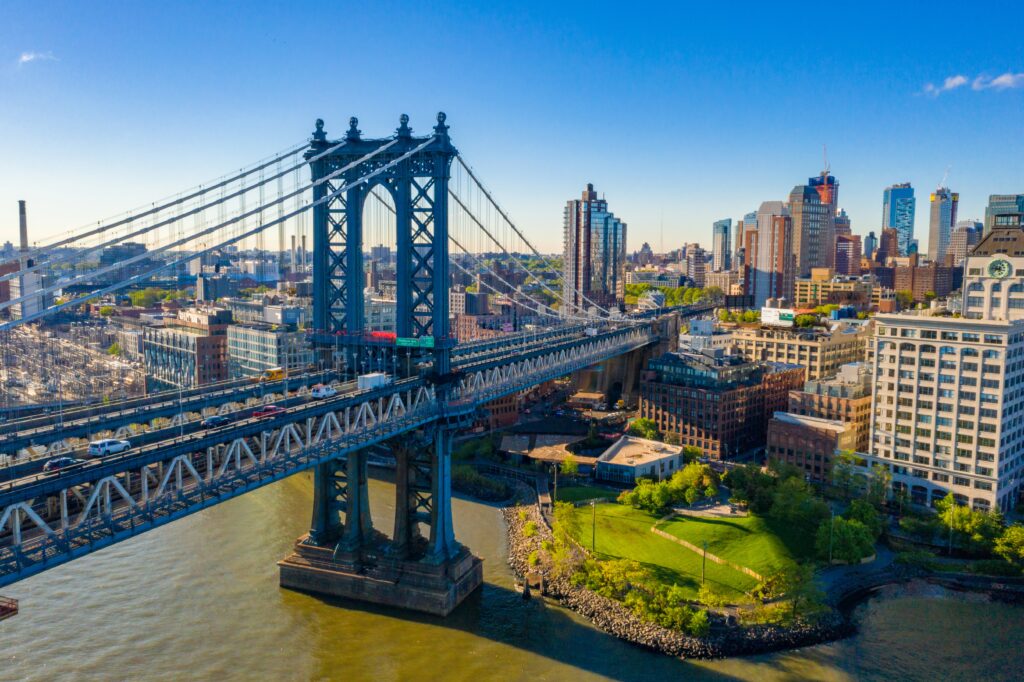
Istanbul, Turkey
Istanbul is a city where continents, cultures, and histories meet. Its inclusion in the Top 10 Places in the World to Travel stems from its unique position as a bridge between East and West, and from the depth of experiences it offers visitors.
Cultural and Historical Significance
Istanbul’s history spans centuries, from the Byzantine to the Ottoman empires. Mosques, palaces, and historic neighborhoods exist side by side, creating a tapestry of architecture and tradition. The Hagia Sophia, Topkapi Palace, and Blue Mosque are central landmarks, but the real experience comes from wandering through local markets, such as the Grand Bazaar, and observing daily life. This combination of monumental history and everyday culture gives Istanbul its extraordinary character.
Culinary Experience and Social Life
Food in Istanbul reflects the city’s diversity. Street vendors, local eateries, and traditional tea houses provide dishes with centuries of influence, from Central Asia to the Mediterranean. Sharing meals becomes a way to engage with local customs, and experiencing Turkish tea or coffee in a small neighborhood café reveals cultural nuances that tourists often miss.
Istanbul’s waterways, particularly the Bosphorus, add rhythm to the city. Ferries connect continents, and travel along the strait offers perspectives on the city’s geography and daily life. The city’s charm lies in its contrasts—bustling streets alongside serene waterfronts, historical sites alongside modern neighborhoods.
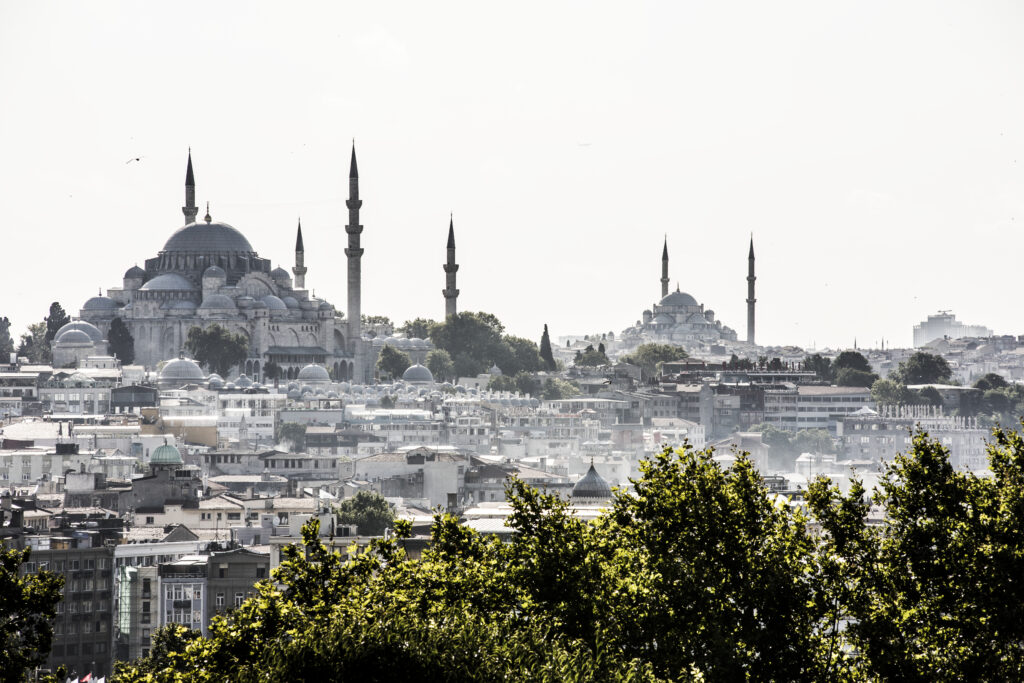
Queenstown, New Zealand
Queenstown is a destination defined by natural grandeur and adventure. It earns its spot among the Top 10 Places in the World to Travel due to its combination of stunning scenery and calm, reflective atmosphere.
Scenic Landscapes
Nestled between mountains and lakes, Queenstown offers landscapes that feel both immense and intimate. The Remarkables range and Lake Wakatipu create a sense of scale that inspires awe without feeling overwhelming. Travelers can experience these landscapes through hiking, boat rides, or simply observing from quiet viewpoints.
Adventure and Leisure
Adventure activities are central to Queenstown, from bungee jumping to kayaking. However, the town’s small size and welcoming culture ensure that these experiences never feel forced. Cafes, local shops, and riverside walks provide balance and encourage moments of relaxation alongside high-energy pursuits. Queenstown appeals to travelers who seek perspective and renewal through nature.
Barcelona, Spain
Barcelona blends creativity, history, and daily life seamlessly. Its inclusion in the Top 10 Places in the World to Travel comes from the way art, architecture, and lifestyle merge naturally.
Architecture and Art
Barcelona’s streets are living galleries. Antoni Gaudi’s works, such as Sagrada Familia and Park Güell, are immediately recognizable, yet the city also hides subtle architectural details in ordinary neighborhoods. Walking through streets reveals mosaics, sculptural façades, and vibrant public spaces. Creativity is part of everyday life rather than confined to museums.
Food and Social Culture
The culinary culture emphasizes connection and enjoyment. Tapas, fresh seafood, and local produce dominate the menu, and dining is often a social, communal activity. Markets such as La Boqueria provide insight into local tastes, traditions, and the cultural importance of food. Barcelona encourages travelers to engage with its rhythm, balancing exploration with leisure.
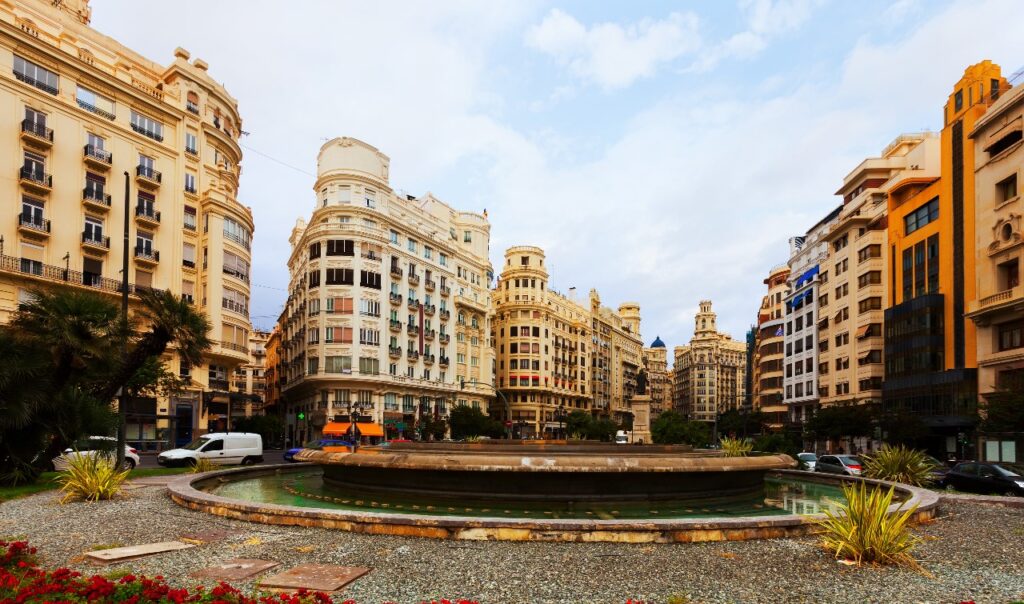
Banff, Canada
Banff is a destination where preservation and scale define the experience. Its inclusion in the Top 10 Places in the World to Travel reflects its natural beauty and focus on environmental awareness.
National Parks and Nature
Surrounded by the Canadian Rockies, Banff National Park provides a variety of experiences, from hiking trails to crystal-clear lakes. The environment changes with light and season, offering endless variety for visitors. Wildlife sightings, serene valleys, and alpine meadows create a sense of presence and awe.
Sustainable Exploration
Activities in Banff emphasize respect for nature. Trails, viewpoints, and guided tours encourage understanding and awareness rather than domination of the landscape. Visitors are reminded they are guests in a fragile ecosystem. Banff rewards travelers who slow down, observe, and appreciate the subtle rhythms of nature.

Bali, Indonesia
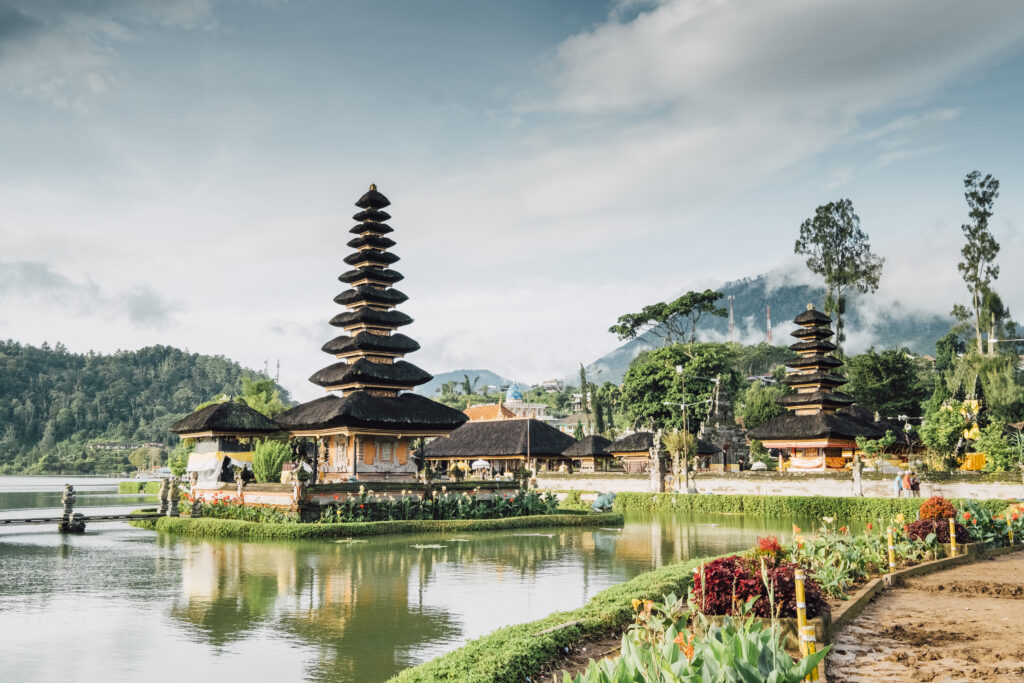
Bali combines spirituality, natural beauty, and human warmth, earning it a place among the Top 10 Places in the World to Travel. The island’s balance of culture and environment offers immersive experiences.
Cultural Immersion
Daily life in Bali is deeply intertwined with ritual. Temples, offerings, and ceremonies are part of ordinary routines rather than staged attractions. Travelers are encouraged to participate respectfully and observe local traditions. This cultural immersion fosters a sense of connection and mindfulness.
Landscape and Relaxation
Rice terraces, beaches, and forested areas provide varied landscapes for visitors. Activities range from surfing to quiet walks, allowing both energy and reflection. The island’s natural beauty complements its spiritual rhythm, creating a holistic travel experience.
Hospitality and Engagement
Bali is known for its hospitality. Conversations with locals often feel genuine, and cultural exchange occurs naturally. Engaging with the community deepens the travel experience and creates memories that extend beyond physical landscapes. For guidance on responsible exploration and local practices, https://www.lonelyplanet.com is a reliable resource.
Frequently Asked Questions
What makes these destinations the Top 10 Places in the World to Travel?
These destinations offer more than surface-level attractions. Each provides cultural depth, historical context, and meaningful interaction with the environment or local community. They are recognized for experiences that are consistently transformative.
How should travelers plan their visits to maximize experience?
Understanding the rhythm and character of each place is essential. Allocate time to explore neighborhoods, interact with locals, and observe daily life. Slow travel allows for richer engagement than rushed sightseeing.
Are these destinations suitable for solo travelers?
Yes. Many of these locations, from Kyoto to Queenstown, offer safety, infrastructure, and opportunities for meaningful solo exploration. Engaging with local culture can enhance the experience for independent travelers.
How can travelers respect local cultures while visiting these top destinations?
Learning local customs, supporting local businesses, and being mindful of environmental and cultural norms is essential. Small actions, such as dressing appropriately, observing traditions, and reducing waste, improve both the traveler experience and the local community.
Do these destinations require a large budget?
While some can be expensive, meaningful experiences do not always require luxury. Walking tours, local markets, and public spaces provide depth without high costs. Budget-conscious travelers can still gain rich cultural and natural experiences.