

The phrase Costa Rica Travel Advisory carries weight for every traveler who wants a safe and deeply rewarding visit to one of the most admired destinations in Central America. Costa Rica is a place that blends natural wonder with a peaceful national character that travelers often find refreshing. Even so, smart visitors always want to understand the local environment, safety expectations, entry rules, and the realities that shape daily life. A well informed traveler sees more, avoids stress, and experiences the country in a way that feels both exciting and secure.
Understanding the Purpose of a Costa Rica Travel Advisory
The Costa Rica Travel Advisory is not a warning meant to discourage travel. It is a set of insights designed to guide you through potential challenges that travelers might face. Agencies such as the US Department of State, the CDC, and the WHO regularly review local conditions and then organize their findings in a way that helps travelers plan responsibly. Their assessments usually cover general safety, health matters, environmental conditions, and practical rules for entering the country.
These sources do not exist to generate fear. Their purpose is clarity. Costa Rica welcomes millions of visitors each year who enjoy safe, memorable trips, but it is still important to understand what creates a smooth experience and what may require extra attention.
When you understand the reasoning behind a Costa Rica Travel Advisory, you begin to see it as a tool. It can help you choose better travel dates, prepare the right documents, and move confidently across the regions you want to explore. Advisory information simply helps you step into the country with awareness rather than guesswork.
Current Safety Landscape in Costa Rica
Costa Rica has a strong reputation for peace and stability. It is known worldwide for its friendly people, calm public life, and reliable institutions. The country has no national military, and public trust in civil administration is generally high. These factors contribute to a sense of safety that many travelers appreciate.
Despite the overall positive environment, certain urban areas experience higher rates of petty crime. This is not unusual in international travel. Tourist heavy areas sometimes attract pickpockets or opportunistic theft, especially around busy markets, bus stations, and nightlife districts. The aim of any Costa Rica Travel Advisory is to help you recognize these environments so you can keep your belongings secure and avoid unnecessary risk.
Violence targeting tourists is rare, but awareness is always valuable. Travelers who store their valuables carefully, avoid isolated areas at night, and stay alert in crowded places usually move through the country without trouble. Costa Rica rewards curious and respectful travelers, and in return the community often responds with warm hospitality.
Regional Differences That Matter
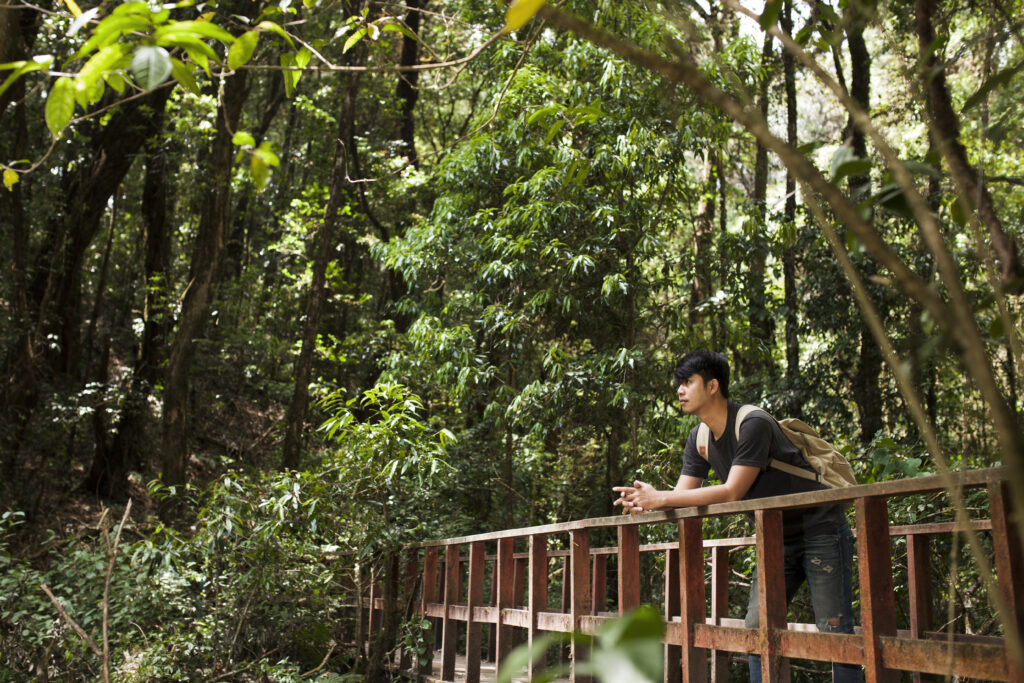
Costa Rica is small in size but rich in regional personality. Each province has its own rhythm, landscape, and social environment. Travelers who understand these differences rarely feel lost or uncertain.
San Jose, the capital, is lively and fast paced. Here you will find museums, public squares, and crowded streets. Many travelers pass through San Jose because the international airport is located nearby. The city is energetic and full of culture, but like any major city, it has areas that require more caution. Regular travel advice usually highlights downtown districts where travelers should pay extra attention after dark.
The coastal regions such as Guanacaste and Puntarenas draw visitors with wide beaches and a relaxed tropical atmosphere. These areas tend to feel safer, especially around popular resorts. Still, travelers should always secure their rooms, store valuables carefully, and avoid leaving bags unattended on the beach.
The Caribbean side of the country offers a completely different feel with vibrant afro Caribbean culture and natural rainforests. This region is stunning but sometimes experiences unpredictable weather. Advisory information becomes especially useful here because it helps visitors prepare for changing conditions.
Understanding these differences allows you to travel with greater confidence and enjoy each region for what it truly offers.
Weather Related Advisory Insights
Costa Rica enjoys a tropical climate that supports lush jungles, active wildlife, and diverse habitats. However, the same climate also introduces certain risks that travelers should keep in mind. Rainy seasons can create muddy roads, sudden storms, and flooding in some regions. On the other hand, the dry season brings plenty of sunshine but can increase the risk of forest fires.
A Costa Rica Travel Advisory often highlights seasonal changes so travelers can adjust their plans and packing lists. For example, the rainy season may affect travel to remote national parks or cloud forest reserves. Roads outside major towns may close temporarily after heavy rainfall. If you plan to explore rural areas, river crossings, or mountain trails, staying aware of weather reports is essential.
Travelers who prefer smooth movement with fewer delays may enjoy visiting during the dry months from December to April. However, those who want quiet trails, richer wildlife encounters, and vibrant green landscapes often prefer the rainy season. Both options can work beautifully with the right preparation.
When international organizations like the US Department of State or the WHO release updates regarding storms, volcanic activity, or rising water levels, it helps travelers adjust their decision making in real time. This awareness can turn a stressful situation into a manageable one.
Health Guidance You Should Not Overlook
Health related insights are among the most practical parts of the Costa Rica Travel Advisory. Costa Rica has a modern healthcare system and medical facilities in the main cities that meet international standards. Many travelers feel comfortable knowing that qualified doctors and reliable pharmacies are easy to access.
Still, certain precautions are worth considering. Tropical environments may expose visitors to insects that carry illness. The CDC often provides updated information on protective measures for travelers. It is wise to use insect repellent, wear proper clothing in areas with dense vegetation, and choose accommodations that maintain clean conditions.
Food and water safety is generally strong in Costa Rica. Tap water in most cities is safe to drink. Restaurants that are popular with locals also tend to follow good food preparation standards. However, travelers with sensitive digestion may prefer bottled water in remote areas or during long road trips.
Travel insurance that includes medical support is always advisable. Even with a healthy environment and good facilities, unexpected illness or injury can disrupt travel plans. Insurance gives you peace of mind and quick access to treatment if needed.
Entry Requirements That Travelers Must Understand
Entry rules are a major part of the Costa Rica Travel Advisory because they shape the beginning of your trip. Costa Rica has a traveler friendly approach, but it still expects visitors to follow clear and organized requirements. Understanding these before arrival saves you time at the airport and prevents unnecessary complications.
Most visitors from North America, Europe, and many other regions do not need a visa for short stays. They can enter the country with a valid passport and a return ticket. The passport should remain valid for the full duration of your stay. Immigration officers sometimes ask for proof of accommodation, proof of sufficient funds, or proof of departure. These checks are usually simple and quick, but being prepared helps you move through the airport with ease.
The Costa Rica Travel Advisory may also mention rules related to wildlife products, protected wood, or plant based items. The country treats environmental protection as a national priority. Travelers should avoid purchasing restricted items or attempting to bring natural artifacts across borders. This protects biodiversity and respects local conservation laws.
Entry requirements sometimes change due to global health conditions. When this happens, updates from the CDC or the WHO offer clear direction. Monitoring their sites before travel is a reliable way to stay current.
Transportation Realities You Should Know
Moving around Costa Rica can feel simple or challenging depending on how you plan your transportation. This is why a Costa Rica Travel Advisory always highlights the importance of choosing safe and reliable travel options.
Public buses cover almost every part of the country. They are affordable and widely used by locals. For travelers who want to experience the local culture, buses offer a comfortable and reliable option. However, they may require extra time because routes often include multiple stops. Keep your belongings close and avoid placing valuable items on overhead racks.
Taxis are common in major cities. Official taxis use visible identification and are usually trustworthy. Travelers should avoid informal taxis that approach them on the street. Asking your hotel to arrange a taxi is often the simplest and safest method.
Rideshare services exist in Costa Rica, although their availability varies across regions. They often provide transparent pricing and safer conditions, especially late at night.
Many travelers choose rental cars to explore national parks and remote beaches. This can be rewarding, but the Costa Rica Travel Advisory usually notes a few important reminders. Rural roads sometimes change due to rainfall, river conditions, or construction. Some areas require a vehicle with strong clearance. Before renting a car, review local driving rules, get full insurance, and confirm the route conditions.
Travelers who plan carefully enjoy smooth transportation and avoid most problems. A little awareness goes a long way.

Environmental Conditions and How They Affect Travel
Costa Rica is proud of its rich natural landscapes, but travelers should understand how the environment shapes movement and safety. The country lies in a region with tropical forests, active volcanoes, and long stretches of coastline. These elements create a dynamic environment that can be thrilling but also unpredictable.
Rainfall patterns are one of the most significant environmental factors. During the rainy season, some rural roads become difficult to navigate. Rivers may rise quickly. Trails in national parks can become slippery. A Costa Rica Travel Advisory often reminds travelers to check daily weather forecasts before heading into remote areas.
Volcanic activity is another point of interest. Costa Rica has several volcanoes that attract visitors from around the world. These sites are carefully monitored by local authorities. When volcanic activity rises, the government issues clear guidelines. Visitors should always follow posted signs and respect restricted zones. These rules are not meant to limit exploration. They are designed to protect travelers from sudden changes in volcanic behavior.
The coastline is stunning, but ocean conditions vary from region to region. Rip currents can form without warning. Some beaches have stronger waves than others. Travelers should pay attention to local lifeguards and posted flags. If you are not an experienced swimmer, choose beaches known for calm water.
The environment of Costa Rica is one of its greatest treasures. With the right preparation, you can enjoy it with confidence and respect.
Cultural Norms That Enrich Your Experience
A thoughtful Costa Rica Travel Advisory always mentions the cultural mindset of the country. Understanding local customs makes your travel more meaningful and helps you connect with the people who live there.
Costa Rican society places great value on respect, patience, and harmony. The phrase pura vida is more than a greeting. It reflects a way of life that encourages gratitude and balance. Travelers who approach interactions with warmth and politeness often feel welcomed immediately.
Dress codes are relaxed in beach areas and casual towns. However, when visiting churches, administrative offices, or formal restaurants, modest attire is appreciated. A sense of courtesy in public spaces goes a long way.
Locals often speak conversational English in tourist regions, but learning a few Spanish phrases shows respect and can brighten daily interactions. Simple greetings like buenos dias or gracias create smoother communication and help you feel more connected.
Tipping is customary but not heavily enforced. Restaurants sometimes include a service charge on the bill. If not, a small tip for good service is appreciated. Taxi drivers do not expect tips, but rounding up the fare is a friendly gesture.
A respectful approach to local customs makes your travel experience richer and more memorable.
Wildlife Etiquette That Every Visitor Should Follow
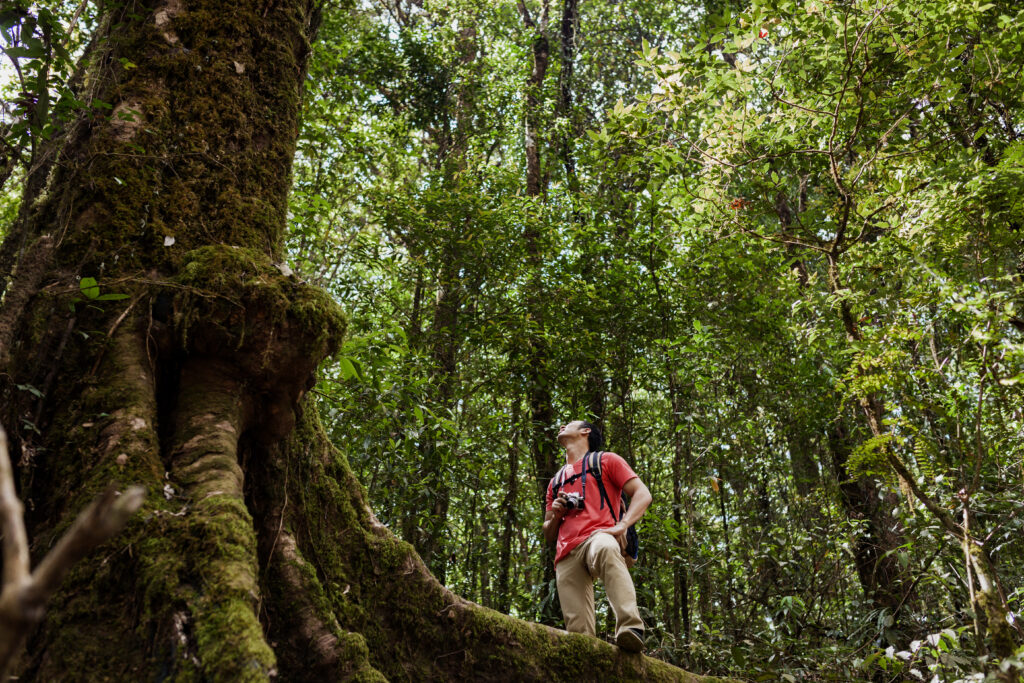
Costa Rica is home to extraordinary wildlife. Sloths, turtles, toucans, monkeys, and countless other species live in protected habitats across the country. These experiences attract travelers from around the world, but they also require responsible behavior.
The Costa Rica Travel Advisory often emphasizes that wildlife should never be touched or fed. Human contact disrupts animal routines and can cause stress or illness. Feeding animals creates unhealthy habits and can lead them away from their natural diet.
National parks and reserves have trained guides who understand animal behavior and safety practices. Joining guided tours often increases your chances of seeing wildlife in a respectful and safe way. Guides know where animals usually rest, which trails offer the best views, and how to move quietly without disturbing the environment.
When visiting turtle nesting sites, follow local rules with complete seriousness. Flashlights, camera flashes, and loud voices can disrupt nesting behavior. Wildlife conservation groups such as those mentioned by the WHO or the Costa Rican environmental authorities offer clear guidelines.
Responsible wildlife interaction protects the animals and enriches your visit with unforgettable moments.
Practical Money Related Information
Money management plays a small but important role in any Costa Rica Travel Advisory. Travelers should understand how currency works, how payments are processed, and which tools offer the best experience.
Costa Rica uses the colón as its official currency. Many tourist locations accept United States dollars, but it is still wise to carry local currency for smaller shops, rural areas, or street markets. Currency exchange is available at banks and authorized locations in major cities. Avoid exchanging money with individuals who approach you in public spaces.
Credit cards are widely accepted, especially in hotels, restaurants, and larger stores. However, some areas outside main towns prefer cash payments. Keeping a balanced mix of cash and card helps you stay ready for any situation.
ATMs are easy to find in cities but less common in remote regions. Withdraw cash in populated areas before heading out to rural destinations. Notify your bank of your travel plans to avoid accidental card blocks.
The country generally feels safe when handling money, but it is always smart to use common sense. Keep large amounts of cash in a secure location and avoid displaying valuables in public.
Accommodation Standards and What Travelers Should Expect
The Costa Rica Travel Advisory often highlights the strong accommodation standards throughout the country. Travelers will find everything from luxury resorts to beachfront guesthouses, family owned lodges, eco retreats deep in the forest, and simple rooms in lively towns. Each type of stay offers a different experience, and understanding these differences helps you pick the place that matches your travel style.
Resorts in regions like Guanacaste and La Fortuna focus on comfort and convenience. They usually offer pools, restaurants, tour support, and organized activities. These settings are excellent for travelers who want a peaceful stay with guidance available whenever needed.
Eco lodges are popular among visitors who want to be surrounded by nature. Many of these properties are designed to support conservation. They often provide guided walks, night tours, and opportunities to observe wildlife up close without disturbing the environment. If you choose an eco lodge, you will likely enjoy a quiet atmosphere with fresh air, natural views, and local hospitality.
Budget travelers will find hostels and homestays that offer simple comforts at a reasonable price. These places are often located near beaches, surf towns, or cultural centers. They can be an excellent base for exploring local life. Always check recent reviews to confirm cleanliness and guest safety.
No matter which accommodation style you choose, most travelers experience a friendly welcome. Costa Rica places great importance on warm interaction and respectful service. If you treat staff with patience and kindness, you will likely receive the same in return.
Food Culture and Safety Insights
Costa Rica offers a food culture that reflects freshness and local flavor. Understanding food safety helps you enjoy your meals without worry. The Costa Rica Travel Advisory often mentions that food standards in established restaurants are solid, especially in tourist regions where kitchens follow consistent practices.
Local dishes such as gallo pinto, casado, and seafood plates are staples of daily life. Travelers who explore smaller restaurants often discover some of the most memorable meals of their trip. It is wise to choose places that seem clean and busy. Popular spots usually have steady turnover, which keeps ingredients fresh.
Street food is widely enjoyed by locals and visitors. It is generally safe as long as you choose vendors with clean preparation areas and active customers. Fresh fruit stands are scattered throughout the country, offering a refreshing treat in the warm climate.
Water quality is strong in most cities. Tap water is safe to drink in many regions, though travelers with sensitive digestion may feel more comfortable with bottled water in rural areas. When in doubt, you can ask your accommodation for guidance.
If you have dietary restrictions, Costa Rican restaurants are usually willing to adapt meals. Clear communication is key. Learning a few words in Spanish makes this easier.
Outdoor Adventure and Safety Preparation
Costa Rica is one of the top adventure travel destinations in the world. Activities such as zip lines, white water rafting, volcano hikes, surfing lessons, and rainforest trekking attract visitors year after year. The Costa Rica Travel Advisory encourages travelers to enjoy these experiences but to choose certified operators.
Reputable adventure companies follow strict safety practices, maintain their equipment, and train their guides thoroughly. They are also familiar with changing weather patterns and know when certain activities should pause. The best approach is to read recent reviews, ask your accommodation for trusted recommendations, and confirm that your chosen operator holds official certification.
If you plan to hike in national parks, always stay on marked trails and follow the advice of park staff. Sudden rainfall can change trail conditions quickly. Carry water, comfortable walking shoes, a basic first aid kit, and a light jacket. These small steps help you stay comfortable while exploring nature.
Surfing is popular along both coasts. Some beaches have calm waves suitable for beginners. Others have strong rip currents that require experience. Local surf schools know these conditions well and can guide you to the best beach for your skill level.
Adventure activities create unforgettable memories as long as you approach them with awareness and patience.
Communication and Connectivity Tips
Understanding communication norms is another helpful part of the Costa Rica Travel Advisory. The country has a reliable telecommunications system, especially in populated areas. Travelers can access mobile networks, internet services, and WiFi in most hotels, restaurants, and cafes.
If you plan to stay for more than a few days, purchasing a local SIM card is a simple and cost effective option. Major providers sell prepaid plans that work well for navigation, messaging, and calls. You only need your passport to register.
Remote areas such as mountains, forests, or secluded beaches sometimes have limited coverage. Downloading offline maps before traveling can help you move confidently even without a signal.
You will also notice that Costa Ricans appreciate respectful communication. When asking for help, start with a friendly greeting and a patient tone. These small gestures build trust and encourage helpful interactions.

Responsible Tourism and Sustainability Expectations
One of the most important messages in any Costa Rica Travel Advisory is the value of responsible tourism. The country has built its global reputation on environmental protection and sustainable travel practices. Visitors who respect these values contribute to long term preservation.
Responsible tourism begins with small decisions. Avoid littering. Bring a reusable water bottle when possible. Choose tour companies that protect wildlife and hire trained local guides. Support eco friendly accommodations that minimize waste.
The country maintains several protected areas, including national parks, cloud forests, marine reserves, and wildlife sanctuaries. These sites are managed with strict rules. Following these guidelines helps protect fragile ecosystems and ensures that future travelers can enjoy the same natural beauty.
Once you experience the calm atmosphere of these places, the value of sustainability becomes very clear.
Final Thoughts on the Costa Rica Travel Advisory
Costa Rica is one of the most rewarding destinations in the world, and understanding the Costa Rica Travel Advisory empowers you to travel with clarity rather than anxiety. The country offers peaceful communities, diverse landscapes, and a culture that values balance and gratitude. Travelers who prepare wisely enjoy rich experiences, smooth movement, and a sense of connection that stays with them long after they return home.
The advisory does not exist to discourage travel. It exists to help you appreciate the country fully and responsibly. With this deep understanding, you can explore volcanic valleys, protected forests, hidden waterfalls, coastal towns, wildlife reserves, and historic streets with confidence and ease.
A well informed traveler sees more and stresses less. Costa Rica rewards this mindset every single day.
FAQs Related to the Costa Rica Travel Advisory
What is the purpose of the Costa Rica Travel Advisory and why should travelers read it carefully
The main purpose of the Costa Rica Travel Advisory is to help travelers understand safety conditions, entry rules, health matters, and practical concerns. When you read it carefully, you gain insight that prepares you for local expectations and reduces uncertainty during your trip.
Does the Costa Rica Travel Advisory mention crime risks that visitors should keep in mind
Yes, the advisory explains that petty crime can occur in crowded areas, especially in certain urban districts. However, with basic precautions such as keeping your belongings secure and staying aware of your surroundings, most travelers enjoy a smooth and safe experience.
How does the Costa Rica Travel Advisory describe health care and medical support in the country
The advisory notes that Costa Rica has strong medical services, especially in major cities. Many hospitals and clinics meet international standards. The CDC and the WHO often share updated health recommendations, which help travelers prepare effectively.
Is the Costa Rica Travel Advisory useful when planning transportation inside the country
Absolutely. The advisory provides guidance on public buses, taxis, car rentals, and rural road conditions. These details help travelers choose safe and reliable transport options and avoid unnecessary delays.
Does the Costa Rica Travel Advisory offer advice for outdoor activities and wildlife encounters
Yes, it provides clear reminders about choosing certified adventure operators, respecting wildlife boundaries, and following safety rules in national parks. These guidelines protect both visitors and the natural environment.
Why does the Costa Rica Travel Advisory highlight environmental conditions
Costa Rica has a dynamic environment with seasonal rainfall, active volcanoes, and strong coastal currents. The advisory helps travelers understand how these conditions affect movement, tours, and outdoor activities.
How often should travelers check updates to the Costa Rica Travel Advisory
It is best to review updates before travel and again during your stay. Trusted sites such as the US Department of State or the CDC provide reliable information that can help you adjust plans if needed.
Related Content
https://exploretravel.blog/jamaica-travel-guide-complete-expert-insights/
https://exploretravel.blog/egypt-travel-advisory-2025-guide/