Planning a journey to Egypt carries a unique emotional weight. Few destinations hold such deep historical gravity while also stirring modern questions about safety and stability. Ancient temples, vast deserts, and the Nile itself promise wonder, yet many travelers hesitate after seeing official alerts or alarming headlines. This is where a well explained Egypt Travel Advisory becomes essential, not as a warning to stay away, but as a framework for informed travel.
This guide is written to remove confusion and replace it with clarity. Instead of repeating generic advice, it explains what the Egypt Travel Advisory actually means in real life. It breaks down risks honestly, without exaggeration, and shows how millions of travelers explore Egypt safely every year. The goal is confidence rooted in knowledge, not blind reassurance or fear based thinking.
What an Egypt Travel Advisory Actually Represents
An Egypt Travel Advisory is a formal assessment issued by governments and international organizations to help travelers understand potential risks. These advisories are built on data, security intelligence, health infrastructure, and past incidents. They are designed to inform, not to frighten.
One of the biggest misconceptions is that an advisory applies equally to the entire country. In reality, Egypt Travel Advisory updates are region specific. Tourist cities, heritage sites, and resort areas are evaluated separately from remote borders or politically sensitive regions. Understanding this distinction changes how the advisory should be interpreted.
Advisories also tend to be conservative by nature. Governments prefer to err on the side of caution, which means risks may sound more severe on paper than they feel on the ground for an average tourist. Reading beyond headlines is critical.
For the most transparent regional guidance, travelers can consult the United States Department of State travel advisory page at https://travel.state.gov, which clearly explains location based recommendations and risk levels.
Why Egypt Continues to Attract Millions of Visitors
Despite ongoing advisories, Egypt remains one of the most visited destinations in the region. This is not accidental. Tourism infrastructure is deeply embedded in the economy, and protecting visitors is a national priority.
Cities like Cairo, Luxor, and Aswan see a constant flow of international travelers. Security around hotels, museums, temples, and airports is deliberate and visible. While this may feel unusual to some visitors at first, most quickly realize it adds reassurance rather than tension.
The Egypt Travel Advisory reflects historical challenges and regional realities, not a daily danger faced by tourists. Visitors who follow standard precautions generally experience Egypt as vibrant, welcoming, and surprisingly calm.
Breaking Down Safety by Region Instead of Stereotypes
Egypt is geographically vast and socially diverse. Understanding safety requires looking at regions individually rather than judging the country as a whole.
Cairo and Giza are energetic, crowded, and intensely lived in. Heavy traffic, noise, and movement define daily life. Crime affecting tourists here is typically limited to petty theft or scams, similar to other major global capitals. Violent incidents involving travelers are rare.
Upper Egypt, including Luxor and Aswan, is built around tourism. Local communities depend on visitors, and security around archaeological sites is strong. These areas feel calmer and more structured than Cairo and are often described by travelers as deeply rewarding.
Red Sea resort cities such as Hurghada and Sharm El Sheikh operate in highly controlled environments. These destinations are designed for international tourism with private transport, resort security, and close coordination with authorities. Many travelers choose these areas precisely because they align well with Egypt Travel Advisory recommendations.
In contrast, border regions near Libya and parts of the Sinai peninsula are not designed for tourism. Advisories clearly discourage travel there due to security concerns unrelated to typical tourist activity.
Political Stability and What Travelers Truly Need to Know
Political headlines are often the most intimidating part of any Egypt Travel Advisory. Egypt has a firm approach to public order and political expression, which means protests are tightly controlled.
For travelers, this rarely translates into daily risk. Tourists generally do not encounter political activity unless they intentionally go looking for it. Staying away from demonstrations and large gatherings is more than enough to remain unaffected.
Daily life in Egypt continues normally regardless of political developments. Markets open, families gather, and tourism services operate uninterrupted. Understanding this reality helps separate media narratives from actual travel conditions.
Crime Realities Without Fear Based Thinking
Crime in Egypt that impacts tourists is overwhelmingly non violent. The most common issues are pickpocketing, overcharging, and aggressive sales tactics in crowded tourist areas.
Awareness is the strongest form of protection. Keeping valuables secure, using reputable transport, and avoiding isolated areas late at night dramatically reduces risk. Licensed guides and organized tours further minimize exposure.
Respectful interaction goes a long way. Egyptians are generally hospitable and curious about visitors. Misunderstandings are more likely to stem from cultural differences than malicious intent.
Health Considerations Within the Egypt Travel Advisory
Health guidance is a central part of any Egypt Travel Advisory. Egypt has well equipped private hospitals in major cities, though rural facilities can be limited.
Travel insurance that includes medical coverage and evacuation is strongly recommended. This is not a reflection of poor care but a standard precaution for international travel.
Tap water is not considered safe for drinking. Bottled water is widely available and inexpensive. Eating freshly prepared food at busy restaurants significantly lowers the risk of stomach issues.
For up to date health recommendations and vaccination information, travelers can consult the World Health Organization at https://www.who.int, which provides globally respected guidance.
Cultural Awareness as a Form of Safety
Cultural understanding plays a major role in travel safety. Egypt values modesty, respect, and social decorum. Dressing appropriately and behaving respectfully reduces friction and builds positive interactions.
Public displays of affection are discouraged. Photography should be mindful, especially near government buildings or security checkpoints. Asking permission before taking photos of people shows courtesy and avoids conflict.
Drug laws in Egypt are extremely strict. Prescription medications should be clearly labeled, and recreational drugs are treated with zero tolerance. Understanding these laws is essential to avoiding serious legal consequences.
Transportation Risks and Smart Travel Choices
Transportation safety is often overlooked in Egypt Travel Advisory discussions, yet it deserves attention. Road traffic accidents are statistically more common than security incidents.
Using hotel arranged drivers, licensed taxis, or ride services is safer than driving yourself. Local driving styles and road conditions can be challenging for visitors.
Train travel between major cities is common and generally safe, especially on higher class services. Domestic flights are also widely used and reliable.
Smart transportation choices remove one of the most preventable risks associated with travel in Egypt.
Terrorism Risk Explained With Context Not Fear
No Egypt Travel Advisory would be complete without addressing terrorism concerns. This topic often generates the most anxiety, yet it is also the most misunderstood. Egypt has experienced security challenges in the past, particularly in specific regions. In response, authorities have implemented extensive counterterrorism measures that are still active today.
Attacks targeting tourists are extremely rare. In fact, most past incidents occurred far from regular tourist routes. As a result, security around airports, major hotels, museums, temples, and resorts is layered and highly visible. While this level of protection may feel intense initially, many travelers report that it creates a sense of order and reassurance rather than fear.
The presence of an Egypt Travel Advisory reflects long term risk assessment, not an indication of immediate danger. Travelers who stay within recommended areas and follow local guidance usually experience Egypt without any security related disruption.
The Importance of Following Local Guidance
One of the most effective ways to navigate Egypt safely is to listen to local advice. Hotel staff, licensed guides, and official tour operators have up to date knowledge of conditions on the ground.
Local professionals understand which routes are best at certain times, which areas are crowded, and how to adjust plans if necessary. This insight often goes beyond what any advisory document can provide. Travelers who remain flexible and receptive tend to enjoy smoother experiences.
This approach does not limit freedom. Instead, it allows exploration with context and awareness, which is exactly what the Egypt Travel Advisory aims to support.

Independent Travel Versus Organized Tours
Egypt can be explored independently, but the experience varies depending on travel style and experience level. First time visitors often feel more comfortable starting with organized tours, especially for historical sites.
Licensed guides provide historical depth, handle logistics, and help navigate cultural nuances. They also serve as a bridge between travelers and local communities, which reduces misunderstandings and unnecessary stress.
Independent travelers who prefer flexibility should still rely on reputable accommodations and transport services. Even partial structure, such as guided day trips, can improve confidence while maintaining independence.
Money Safety and Financial Awareness
Financial safety is another practical aspect often touched on in an Egypt Travel Advisory. Egypt operates largely on a cash economy, especially outside major hotels and malls.
Carrying small denominations helps avoid overpayment disputes. Using hotel safes for passports and excess cash is recommended. Credit cards are accepted in higher end establishments, though transaction systems may not always be consistent.
Currency exchange should be done at licensed banks or hotels. Street exchanges increase the risk of counterfeit bills or unfavorable rates.
Remaining financially aware prevents minor issues from becoming frustrating distractions.
Digital Security and Staying Connected
Staying digitally secure matters more than many travelers realize. Public WiFi networks can be unsecured, so sensitive transactions such as banking or document storage should be handled with caution.
Using a virtual private network can add an extra layer of protection. Keeping digital copies of important documents stored securely online ensures access if physical copies are lost.
Registering with your embassy before arrival allows authorities to contact you in case of emergencies or significant updates related to the Egypt Travel Advisory.
Gender Specific Considerations for Travelers
Female travelers often ask how the Egypt Travel Advisory applies to them specifically. Egypt is a conservative society, and expectations around dress and behavior are different from Western norms.
Women who dress modestly and move confidently report positive experiences. Harassment can occur, particularly in crowded areas, but it is often verbal and not physical. Firm but calm boundaries are usually effective.
Traveling with companions, choosing reputable transport, and avoiding poorly lit areas at night reduce discomfort. Many women travel solo in Egypt successfully by remaining aware and prepared.
Family Travel and Child Safety
Families traveling with children generally find Egypt welcoming. Hotels and resorts are well equipped to accommodate families, and Egyptians are often warm toward children.
The Egypt Travel Advisory does not discourage family travel, but it does emphasize preparation. Planning rest periods, staying hydrated, and avoiding overly packed schedules improve comfort for young travelers.
Using private drivers and family friendly accommodations enhances safety and convenience. Museums and major attractions are accustomed to children and provide controlled environments.
Religious and Cultural Sensitivities
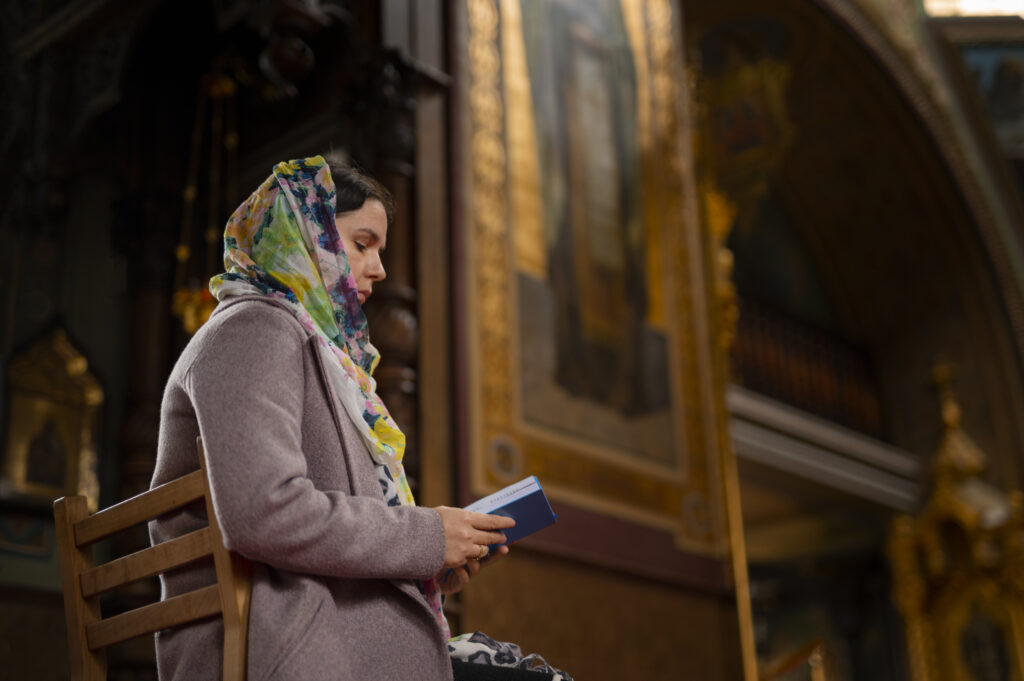
Egypt holds deep religious significance for Muslims and Christians alike. Respecting places of worship is not only polite but essential.
Visitors should dress conservatively in mosques and churches and follow instructions given by staff. During religious holidays or prayer times, certain schedules may change, which requires flexibility.
Understanding these rhythms of life helps travelers appreciate Egypt rather than feeling frustrated by differences.
Emergency Preparedness Without Anxiety
Preparedness does not mean constant worry. It simply means knowing what to do if something unexpected happens.
Save local emergency numbers, know the address of your accommodation, and keep basic Arabic phrases handy. Having a simple plan reduces panic in unfamiliar situations.
The Centers for Disease Control and Prevention provides travel health and emergency preparedness advice for Egypt at https://www.cdc.gov, offering reliable guidance without alarmism.
Media Narratives Versus Ground Reality
News coverage often lacks nuance. Dramatic headlines generate attention but do not reflect daily life in Egypt. Travelers frequently describe a gap between what they expected and what they experienced.
The Egypt Travel Advisory should be read alongside traveler reports, official tourism updates, and local perspectives. This balanced approach offers the clearest understanding.
Egypt is not defined solely by its challenges. It is defined by its people, history, and enduring cultural strength.
Why Responsible Tourism Strengthens Safety
Tourism supports local livelihoods and encourages stability. When travelers act responsibly, they contribute positively to the communities they visit.
Choosing ethical tour operators, respecting cultural norms, and supporting local businesses strengthens trust between visitors and hosts. This shared respect enhances safety in ways advisories alone cannot.
Responsible tourism aligns directly with the intent behind the Egypt Travel Advisory, which aims to promote informed, respectful travel.
Setting Realistic Expectations as a Traveler
By the time travelers reach Egypt, many realize that their fears were shaped more by online narratives than lived reality. The Egypt Travel Advisory prepares you for potential risks, but it cannot capture the warmth of daily interactions, the pride locals feel in their history, or the calm rhythm found in places far from the headlines.
Egypt is busy, noisy, and emotionally intense in its own way. It is not a resort culture everywhere, and it does not function on rigid schedules. Understanding this before arrival prevents frustration. Flexibility and patience matter more here than in many other destinations.
When expectations are realistic, Egypt becomes less intimidating and far more rewarding.
The Role of Experience in Feeling Safe
Feeling safe is not only about statistics. It is also about confidence. Travelers who take time to understand how things work in Egypt often feel grounded quickly.
Learning a few Arabic greetings, understanding local etiquette, and observing how Egyptians interact in public spaces create a sense of familiarity. This psychological comfort is rarely discussed in any Egypt Travel Advisory, yet it plays a major role in how travelers perceive risk.
Confidence grows as you navigate daily interactions successfully. Most visitors find that each positive experience replaces hesitation with trus
Responsible Decision Making While Exploring
Every destination rewards thoughtful decisions, and Egypt is no different. Avoiding unnecessary risks is not restrictive, it is empowering.
Choosing daylight hours for exploration, respecting restricted areas, and following advice from licensed professionals reduce exposure to problems. These habits align directly with the intent of the Egypt Travel Advisory, which aims to encourage informed movement rather than limitation.
Responsible travel does not mean staying inside a hotel. It means engaging with the country wisely and with awareness.
Understanding Local Hospitality and Boundaries
Egyptian hospitality is genuine and deeply rooted in culture. Invitations to talk, drink tea, or browse shops are common and usually harmless. However, travelers should feel comfortable declining politely when needed.
Clear communication matters. A calm but firm response is respected more than hesitation. Learning to say no with courtesy prevents misunderstandings and keeps interactions positive.
Most Egyptians take pride in being good hosts. Treating them with respect often opens doors to memorable cultural exchanges.
Choosing the Right Time to Visit
Timing your trip thoughtfully can affect comfort and safety. Summer heat can be intense, especially in Upper Egypt. Winter months are more moderate and attract larger crowds.
Religious observances such as Ramadan change daily rhythms. While traveling during this period is completely possible, services may operate on altered schedules. Understanding this ahead of time helps avoid confusion.
Checking seasonal conditions alongside the Egypt Travel Advisory helps travelers plan trips that are both enjoyable and manageable.
Trusting Verified Information Sources
One of the most important travel skills is learning which sources to trust. Official government advisories, international health organizations, and national tourism authorities provide context rather than speculation.
Egypt official tourism information can be found at https://egypt.travel, which offers destination updates, cultural insights, and practical planning guidance. Combining these sources with the Egypt Travel Advisory provides a balanced and accurate picture.
Avoid basing decisions on isolated anecdotes or viral stories that lack verification.
Why Egypt Remains Worth Visiting
Egypt is not a passive destination. It challenges, educates, and moves those who visit. The presence of an Egypt Travel Advisory should be seen as an invitation to prepare thoughtfully rather than a signal to stay away.
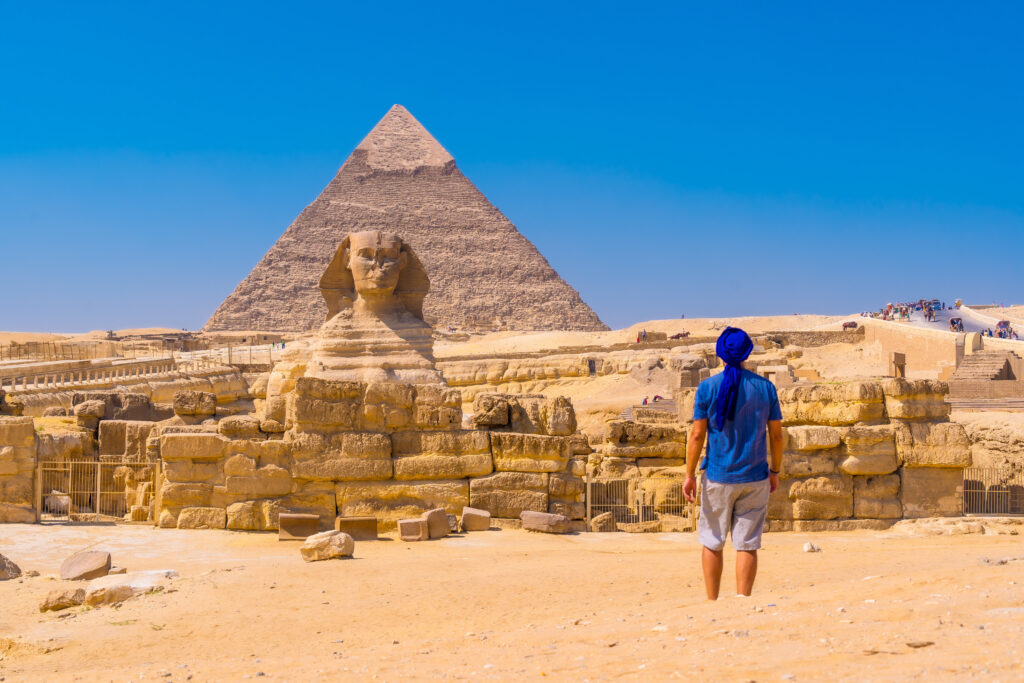
Few places offer such direct connection to human history. Standing before the pyramids, walking through ancient temples, or drifting along the Nile offers perspective that no book or screen can replicate.
Travelers who approach Egypt with respect, preparation, and curiosity often leave with a sense of gratitude rather than relief.
Final Perspective on the Egypt Travel Advisory
The Egypt Travel Advisory exists to guide decisions, not to erase curiosity. When understood correctly, it highlights where to be cautious while also showing where travel remains fully viable.
Egypt is not risk free, but neither is any destination worth exploring deeply. What sets Egypt apart is how preparation transforms uncertainty into confidence.
Informed travelers do not ignore advisories. They use them wisely. That approach allows Egypt to be experienced for what it truly is, a living civilization that continues to welcome the world.
Frequently Asked Questions About Egypt Travel Advisory
So, is Egypt safe for tourists according to the Egypt Travel Advisory?
Overall, the Egypt Travel Advisory shows that most tourist areas are manageable with standard precautions. Travelers who follow guidance and plan responsibly generally visit without serious issues.
Should the Egypt Travel Advisory stop me from booking a trip?
Instead of acting as a warning to cancel, the Egypt Travel Advisory helps travelers prepare. With proper planning, most trips proceed smoothly.
How often does the Egypt Travel Advisory change?
Updates are made as conditions evolve. Therefore, checking official sources close to your departure date provides the most accurate information.
Does the Egypt Travel Advisory treat all regions the same?
No. The advisory clearly distinguishes between tourist centers and restricted areas. Understanding this difference is key to safe planning.
Can first time travelers follow the Egypt Travel Advisory confidently?
Yes, especially when using licensed guides and reputable accommodations. Preparation makes first visits far more comfortable.
Does the Egypt Travel Advisory address health concerns?
Yes. Health infrastructure, water safety, and medical access are core considerations, which is why travel insurance is strongly advised.
How does respecting culture help with safety?
Respecting local customs reduces conflict, builds goodwill, and aligns closely with safety guidance outlined in the Egypt Travel Advisory.
Is solo travel affected differently by the Egypt Travel Advisory?
Solo travel is common and achievable. Awareness, confidence, and sensible planning make a significant difference.
Are families discouraged by the Egypt Travel Advisory?
Not at all. Many families travel safely by choosing suitable accommodations and paced itineraries.
What is the most important takeaway from the Egypt Travel Advisory?
Ultimately, it encourages informed decision making. When travelers understand risks realistically, Egypt becomes both accessible and deeply rewarding.
Related Content
https://exploretravel.blog/turks-caicos-islands-travel-advisory-tips/
https://exploretravel.blog/indiana-travel-advisory-guide/
https://exploretravel.blog/ontario-measles-travel-advisory-safety-tips/