

Irish Travellers are an indigenous ethnic minority with deep historical roots in Ireland. Their identity is shaped by shared ancestry, cultural traditions, and a strong sense of community that has been passed down through generations. They are not defined simply by movement or lifestyle but by a collective history that distinguishes them clearly from the settled population.
For centuries, Irish Travellers maintained a way of life centered on mobility, family networks, and self reliance. This was not random movement but an organised social system built around work, kinship, and tradition. Their culture developed alongside settled Irish society, contributing to local economies and rural life in ways that are often overlooked today.
Recognition of Irish Travellers as a distinct ethnic group came late, yet their identity has existed far longer than modern political definitions. Understanding this distinction is essential because it reframes discussions away from stereotypes and toward respect for cultural continuity.
Historical Roots and Early Presence in Ireland
The origins of Irish Travellers stretch back hundreds of years, though exact timelines remain debated among historians. What is clear is that Travellers existed as a visible community long before industrialisation changed the structure of Irish society. They moved through towns and countryside offering practical skills that were once essential to everyday life.
Traditional trades such as tinsmithing, horse trading, and seasonal farm labour allowed Irish Travellers to sustain themselves while supporting settled communities. Their work filled gaps in rural economies and required trust based relationships built over time. In many regions, Travellers were familiar faces rather than outsiders.
As Ireland modernised, these roles slowly disappeared. Mechanisation and regulation replaced informal trade networks, which disrupted Traveller livelihoods. This shift marked the beginning of deeper social exclusion that would grow more severe in the centuries that followed.
The Importance of Language and Oral Tradition
Language plays a central role in Traveller identity. Irish Travellers developed their own language known as Cant or Gammon, also referred to as Shelta. It blends Irish and English with unique structures and vocabulary, allowing communication that reinforces community bonds and cultural privacy.
This language has traditionally been passed down orally rather than formally taught. Storytelling, conversation, and family interaction are the main ways it survives. As a result, Cant represents more than communication. It acts as a protective cultural layer that preserves identity across generations.
Oral tradition extends beyond language into music, storytelling, and shared memory. Stories often reflect themes of resilience, loss, loyalty, and pride. Through these traditions, Irish Travellers maintain a living history that continues to adapt without losing its core meaning.
Family Structure and Social Values
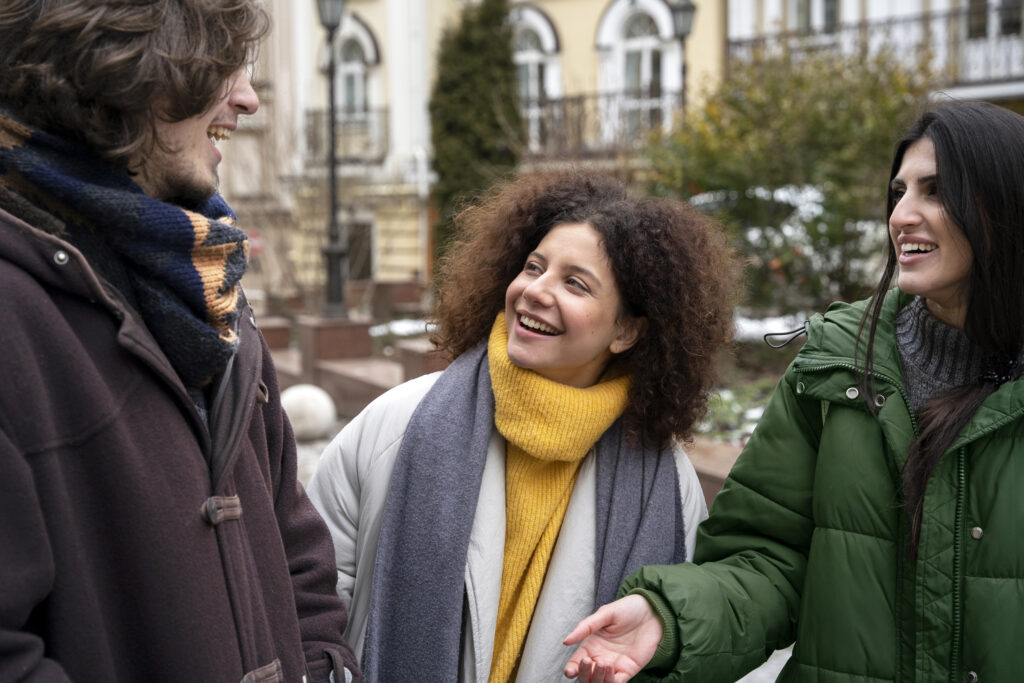
Family sits at the heart of Irish Traveller society. Extended families often live close together, share resources, and make collective decisions. Loyalty to family is not just encouraged but expected, shaping how individuals understand responsibility and belonging.
Respect for elders plays a major role in daily life. Older family members often guide decisions related to marriage, work, and conflict resolution. This structure creates stability within the community, especially in the face of external discrimination and social pressure.
Marriage has traditionally occurred at a younger age, although this is slowly changing. While modern influences have reshaped expectations, concepts of family honour and reputation continue to hold significant value.
Faith and Spiritual Life Among Irish Travellers
Religion holds deep importance for most Irish Travellers, with Roman Catholicism shaping spiritual life and daily practice. Faith is expressed through prayer, pilgrimages, blessings, and community gatherings rather than only through church attendance.
Religious rituals often blend spiritual belief with social connection. Events such as pilgrimages bring families together, strengthen communal ties, and reinforce shared values. Faith also provides comfort during hardship and loss, which have been frequent realities for many Travellers.
This strong spiritual foundation has helped Irish Travellers endure generations of marginalisation. It offers meaning, continuity, and a sense of hope that connects past, present, and future.
Long History of Discrimination and Exclusion
Despite their long presence in Irish society, Irish Travellers have faced persistent discrimination for generations. As traditional economic roles declined, social attitudes hardened, and Travellers began to be treated as a problem rather than a community. Laws and local policies often worked against them, restricting movement and limiting access to basic services.
This exclusion was not always explicit but deeply structural. Barriers appeared in employment, housing, healthcare, and education, reinforcing cycles of poverty and marginalisation. Over time, these experiences shaped deep mistrust between Traveller communities and state institutions.
The effects of discrimination continue to be felt today. Many Travellers grow up expecting to be treated unfairly, which affects confidence, opportunity, and engagement with society. Understanding this history is essential to understanding current inequalities.
Education and the Challenges Faced by Traveller Children
Education has long been a complex issue for Irish Travellers. Historically, frequent movement made consistent schooling difficult, but discrimination within schools also played a major role. Many Traveller children experienced bullying, low expectations, or cultural misunderstanding from an early age.
Although access to education has improved in recent decades, early school leaving remains a serious concern. Traveller boys in particular are more likely to disengage from formal education at a young age. Families often struggle to balance the value of schooling with concerns about safety, identity, and cultural loss.
Progress exists, especially where schools work closely with Traveller families and support services. Inclusive environments that respect culture while promoting learning have proven far more effective than forced assimilation.
Housing, Settlement, and Loss of Traditional Mobility
Housing policy has been one of the most controversial issues affecting Irish Travellers. Traditionally, many families lived in caravans or on halting sites that supported a mobile way of life. However, government policy has increasingly prioritised permanent housing as the preferred solution.
For some Travellers, settled housing offers stability and access to services. For others, enforced settlement feels like a loss of cultural autonomy. Poorly maintained halting sites, lack of sanitation, and limited consultation have made housing transitions especially difficult.
Tensions often arise between Traveller communities and local authorities due to unmet commitments. Without genuine collaboration, housing solutions risk deepening marginalisation rather than resolving it.
Health Inequality Within Traveller Communities
Health outcomes for Irish Travellers remain significantly worse than those of the settled population. Life expectancy is lower, and rates of chronic illness, infant mortality, and mental health challenges are notably higher. These disparities are rooted in long term exclusion rather than lifestyle choice.
Access to healthcare is often limited by mistrust, discrimination, and lack of culturally appropriate services. Many Travellers delay seeking care due to previous negative experiences or fear of being judged. This leads to late diagnoses and poorer outcomes.
Community based health initiatives have shown promise, especially when led by Traveller advocates. Trusted outreach programs build engagement and address health issues in ways that respect cultural context.
Employment and Economic Change
Economic life for Irish Travellers has changed dramatically over the last century. As traditional trades declined, many families lost access to stable livelihoods. While some adapted to new industries such as construction or recycling, discrimination continues to limit opportunity.
Bias in hiring remains common, often triggered by surnames, addresses, or accents. Even self employment can be constrained by regulation and lack of access to finance. These barriers restrict economic mobility and reinforce negative stereotypes.
Despite these challenges, many Travellers demonstrate strong entrepreneurial skills. With fair access and support, economic independence becomes a realistic and sustainable goal.
Representation in Media and Public Perception
Media portrayal has heavily influenced how Irish Travellers are viewed by wider society. Too often, coverage has focused on conflict or sensationalism rather than everyday reality. This creates distorted narratives that shape public opinion and policy.
Reality television and tabloid reporting have sometimes amplified stereotypes instead of challenging them. Rarely do mainstream platforms allow Travellers to speak for themselves or present the diversity within their community.
Balanced representation matters. When media presents Irish Travellers as complex individuals rather than caricatures, it helps reduce fear and misunderstanding.
Ethnic Recognition and Its Wider Meaning
The formal recognition of Irish Travellers as an ethnic group marked a historic turning point. This acknowledgement confirmed what Traveller communities had long asserted, that they share a distinct culture, history, and identity rather than simply a different way of living. Recognition helped reframe public discussion away from lifestyle debates and toward human rights.
While recognition alone does not erase inequality, it provides a foundation for policy change and accountability. It strengthens legal protections and gives Traveller organisations greater standing in discussions with the state. Symbolically, it also affirms that Traveller identity is something to be respected rather than corrected.
The impact of recognition continues to unfold. Its success depends on whether it leads to genuine inclusion rather than remaining a statement without action.
Traveller Activism and Cultural Expression
Irish Traveller activism has grown stronger and more visible in recent years. Community leaders, educators, and advocates work to challenge discrimination while protecting cultural pride. Their efforts focus on education, health, housing, and representation, often through grassroots initiatives.
Cultural expression remains central to this movement. Storytelling, music, and art provide ways to preserve memory while shaping new narratives. These expressions challenge narrow portrayals and highlight the creativity and resilience that define Traveller life.
Importantly, activism is increasingly led by Travellers themselves. This shift ensures that change is shaped by lived experience rather than external assumptions.
The Role of Irish Traveller Women
Irish Traveller women hold a vital yet complex role within their communities. Traditionally, they are central to family life, education of children, and social cohesion. Their responsibilities are substantial, often balancing care, cultural expectations, and external pressure.
In recent years, many Traveller women have emerged as leaders and advocates. They are active in education initiatives, health outreach, and public policy discussions. Their voices have expanded conversations around equality while remaining grounded in cultural values.
This leadership challenges stereotypes from both inside and outside the community. It demonstrates that cultural strength and progress are not opposing forces.
Young Irish Travellers and Modern Identity
Young Irish Travellers today navigate a rapidly changing world. Access to digital technology, social media, and wider education has reshaped how identity is explored and expressed. Many young people move between Traveller culture and wider society with confidence and creativity.
This generation is diverse in ambition and outlook. Some pursue higher education and professional careers, while others maintain strong ties to traditional practices. There is no single path that defines being a Traveller today.
Their experiences highlight an important truth. Culture evolves, and identity can be preserved without being frozen in time.

The Future of Irish Travellers in Society
The future of Irish Travellers depends on inclusion grounded in respect rather than control. Policies designed without community involvement often fail, while collaborative approaches show genuine promise. Trust, once broken, takes time to rebuild.
Education that includes Traveller history and culture can reshape attitudes across society. When understanding replaces fear, everyday interactions change in meaningful ways. These small shifts matter as much as formal policy.
A shared future requires listening. It also requires recognising that diversity strengthens society rather than divides it.
Learning From Trusted and Authoritative Sources
Accurate information plays a key role in reducing misunderstanding. Well researched and accessible resources help move conversations beyond myth and assumption. For general background and historical overview, wikipedia.org provides a useful starting point.
For health related context and minority health frameworks, who.int offers valuable insight at an international level. Statistical data and reports specific to Ireland can be explored through cso.ie, which highlights both inequality and progress.
Government policy frameworks and official commitments are available through gov.ie. Together, these sources support informed and responsible understanding.
Frequently Asked Questions About Irish Travellers
Who are Irish Travellers
Irish Travellers are an indigenous ethnic minority with a shared culture, language, and history rooted in Ireland. They are not defined solely by movement but by collective identity passed through generations.
Why mobility is important to Irish Travellers
Historically, mobility supported economic survival and strong family networks. As a result, movement became central to cultural continuity and independence rather than a casual choice.
Do all Irish Travellers live the same way
Experiences vary widely today. While some families value mobility, others live in permanent housing. However, cultural identity continues regardless of living arrangements.
Why health inequality affects Irish Travellers
Long term exclusion, discrimination, and limited access to culturally respectful healthcare contribute to poorer outcomes. Therefore, community led health services are especially effective.
How media portrayal influences Irish Travellers
Because media shapes public perception, inaccurate portrayals fuel bias and misunderstanding. Balanced stories help humanise Irish Travellers and promote inclusion.
How society can support Irish Travellers respectfully
By listening to Traveller voices, challenging stereotypes, and supporting inclusive education and policy. Through understanding, mutual respect can develop naturally.
Related Content
https://exploretravel.blog/solo-travel-tips-powerful-guide/
https://exploretravel.blog/ireland-travel-packages-top-10-experiences/
https://exploretravel.blog/best-travel-gifts-for-every-traveler/