Solo travel has a special kind of magic. It invites you to step into the world with curiosity and a sense of trust in yourself. You move at your own pace, choose your own routes, and shape your days based on what you want rather than compromise. Many people dream about traveling alone, yet they hesitate the moment they begin picturing unknown streets, unfamiliar languages, and the idea of handling everything without a companion. Solid preparation helps bridge that gap. Whether you are planning your first trip alone or refining your approach for your next adventure, these solo travel tips are designed to help you move from uncertainty to confidence.
This guide goes far beyond the usual list of surface level advice. You will find deep thinking, practical strategies, emotional grounding, cultural awareness, and the kind of wisdom that usually comes only through personal experience. Each idea is shaped to help you build a safer, richer, and more purposeful journey as a solo traveler.
The Mindset That Brings Confidence
Before looking at practical solo travel tips, it helps to understand the mental foundation that makes a trip truly successful. The most powerful tool you carry is your mindset. When you travel alone, you guide the rhythm of your days. This freedom can feel exciting, but it also asks you to be present, aware, and steady.
A strong mindset starts with curiosity. Curiosity keeps you open to people, places, and experiences without losing your sense of caution. It helps you see challenges as part of the story rather than proof that you made a mistake by traveling alone.
The second part of the mindset is self trust. You do not need to know everything. You only need to trust your ability to think and adapt. Every solo traveler eventually deals with small surprises. A delayed train. A confusing street. A conversation in a language you barely understand. These moments shape your confidence. When you handle them with patience, you become someone who no longer fears the unexpected.
The final part of the mindset is calm planning. You do not need to plan every minute. You only need a reliable structure. A balanced plan gives you enough certainty to move with confidence and enough freedom to enjoy spontaneity.
Choosing the Right Destination
Your destination has a strong influence on how comfortable you feel during your journey. Beginners usually benefit from places that have friendly locals, clear public transport, and a good reputation for safety. Look for destinations that match your interests. If you prefer quiet environments, choose towns known for nature and reflective spaces. If you enjoy conversation and connection, choose cities where people are comfortable speaking with travelers.
When researching, turn to trusted sources. Websites like Lonely Planet at https://www.lonelyplanet.com offer well researched travel insights. Reading from reliable platforms helps you avoid inaccurate information and reduces confusion. Consider weather, cultural customs, political stability, and language. The goal is to choose a place where you can focus on exploration instead of constant problem solving.
Planning Your Route with Freedom and Structure
Solo travel works best when you strike the right balance between structure and openness. Create a simple route with the key places you hope to visit. Keep the plan flexible enough to let surprises unfold. When you travel alone, you are free from group pressure, which means you can slow down or move on based on how you feel.
A good approach is to identify anchor points. These may include your accommodation, major attractions, and transport routes. Once these are clear, everything else becomes easier. With anchor points in place, you have a sense of direction, yet you are still free to adjust your plans without stress.
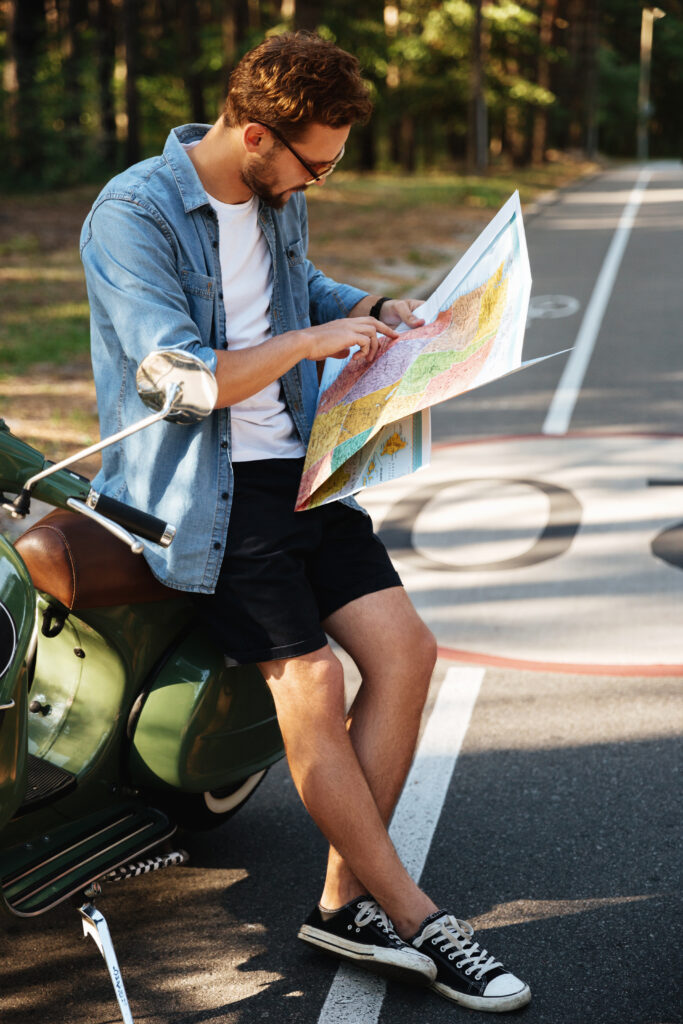
Many travelers create a digital folder that includes maps, hotel confirmations, and important addresses. Keep these accessible offline. It gives you peace of mind if your mobile internet stops working at any moment.
Safety Without Fear
Safety often becomes the main concern for solo travelers, and for good reason. Feeling safe allows you to enjoy the experience fully. The goal is not to travel with fear. Instead, use practical solo travel tips that strengthen your awareness.
Research the local customs. Every culture has norms regarding dress, behavior, and social interaction. Understanding these helps you blend in and avoid unnecessary attention. Checking guidance from trusted authorities like the United States Centers for Disease Control at https://www.cdc.gov is useful when preparing for health related requirements.
Choose accommodation in reliable neighborhoods. Reading recent reviews gives you honest insight into how other travelers felt. Many solo travelers stay in guesthouses or smaller hotels that offer a sense of community while remaining peaceful.
Stay alert during transport. When using buses or trains, keep your bag in front of you. Stay aware of your surroundings without appearing anxious. Confidence discourages unnecessary attention.
Trust your instincts. If a situation feels uncomfortable, remove yourself immediately. This is not paranoia. It is healthy awareness.
How to Pack with Purpose
Packing for solo travel is an art. You want your bag to feel light enough to move freely but complete enough to avoid unnecessary stress. Start with essential clothing that suits the climate of your destination. Choose comfortable, durable fabrics that dry quickly.
Bring a small first aid kit. Solo travelers often underestimate its importance until they find themselves needing one. Items like basic medicine, bandages, and antiseptic wipes are helpful.
Keep documents organized. Use a simple pouch to store your passport, identification, and travel confirmations. Avoid spreading them across your bag.
Pack a small lock. Even in safe places, an extra layer of security gives peace of mind. It is useful for hostel lockers, luggage rooms, and sometimes even public storage spaces.
Bring a reusable water bottle. It keeps you hydrated during long walks and reduces plastic waste. Many travelers find that staying hydrated helps them think clearly and remain calm during unexpected moments.
Making Connections with Locals and Travelers
One of the most rewarding aspects of solo travel is the connection you make with people from different parts of the world. Human interaction adds warmth to your journey and helps you understand the culture more deeply.
Start conversations naturally. Ask simple questions like where to eat or what places locals enjoy. Most people appreciate genuine curiosity. You do not need to force long conversations. Even short interactions can be memorable.
Join community events. Many cities offer free walking tours, cooking classes, or cultural performances. These allow you to meet both locals and other travelers. A group activity can provide a sense of belonging even if you prefer to travel alone.
Use trusted platforms to learn about cultural etiquette. The United Nations offers insightful content on global cultures at https://www.un.org. This kind of knowledge teaches you how to show respect and avoid misunderstandings.
Be open but discerning. Enjoy conversations but maintain boundaries. If someone makes you feel uncomfortable, excuse yourself politely.
Eating Alone with Ease
Many people worry about the idea of eating alone while traveling. In reality, dining solo can be one of the most peaceful experiences of your trip. It gives you a chance to observe, reflect, and savor your meals without hurry.
Choose restaurants with a warm and relaxed setting. Cafes and small local eateries often feel more comfortable for solo diners. Sit near a window if you enjoy people watching or sit further inside if you want a quiet experience.
Bring a book or a journal. It helps you unwind while waiting for your meal. It also signals to others that you are comfortable and do not require company.
Try local dishes without hesitation. Food is a direct connection to culture. Ask servers for recommendations. Many solo travelers find that food conversations naturally lead to friendly exchanges.
Managing Your Budget Wisely
Solo travel requires careful budgeting because you do not share costs with anyone else. Start by estimating expenses for accommodation, food, transport, attractions, and unexpected needs.
Use apps to track daily spending. You do not need to document every small purchase, but keeping an overview helps you avoid surprises. Adjust your activities based on your budget. For example, you may choose a paid museum one day and a free cultural walk the next.
Some of the best experiences do not require money. Nature walks, local markets, public art, and city parks offer rich moments at no cost. Look for cultural centers, libraries, and community gatherings. Many of these provide fascinating insights into local life without adding to your expenses.
When withdrawing money, choose trusted ATMs. It reduces risk and ensures reliable service. If possible, inform your bank about your travel plans so your card does not get blocked unexpectedly.
Understanding and Respecting Local Culture
Culture adds soul to your journey. Every destination carries its own rhythm, traditions, and values. Respecting this makes your interactions smoother and more meaningful.
Learn a few basic phrases. Even simple greetings can open doors. Locals appreciate the effort, and it often leads to warmer conversations.
Observe before acting. Watch how people dress, interact, and behave in public spaces. This gives you a natural guide for how to move respectfully within the local setting.
Ask questions gently. If you are unsure about something, ask with genuine curiosity. Most people welcome polite questions from travelers who want to understand their culture.
If you want deeper academic style knowledge, Britannica at https://www.britannica.com offers extensive background information on countries and traditions.
Handling Loneliness and Emotional Fatigue
Solo travel offers freedom, but it also brings quiet hours that can feel overwhelming. Feeling lonely at some point is normal. It does not mean you are doing anything wrong. What matters is how you respond to those moments.
Give yourself grace. Traveling alone is an emotional experience. You are learning about yourself just as much as you are learning about the world.
Stay connected with people back home. A short message or video call can lift your mood. It reminds you that you are supported even when you are far away.
Spend time in places with gentle energy. Parks, lakes, community centers, and libraries often feel inviting. Being around others, even without speaking, can reduce loneliness.
Engage in activities that bring joy. Simple acts like writing, sketching, or enjoying a quiet tea create moments of comfort in unfamiliar places.
Responsible Use of Technology
Technology can enrich your journey if used wisely. Navigation apps, translation tools, and local maps help you move around confidently. However, avoid depending entirely on them.
Download offline maps. They help you stay oriented when internet coverage is weak.
Keep your device charged. Carry a small power bank. Solo travelers often walk long distances and use their phones more than usual.
Be mindful when using your phone in public. Avoid showing valuable devices in very crowded areas. This is not fear based advice. It is simple awareness.
Use technology to find local events, safe routes, and verified information. Avoid posting your exact location in real time. It protects your privacy.
Embracing the Unexpected
Unexpected moments often become the highlights of solo travel. A missed bus may lead you to a charming neighborhood you would never have explored. A conversation with a stranger may introduce you to a hidden local spot. Allow these moments to shape your story without losing sight of basic safety.
The key is openness. When you travel alone, you can say yes to experiences that interest you and no to those that do not. This level of freedom is rare in everyday life. Treat it with respect and gratitude.
Returning Home with Growth and Clarity
The beauty of solo travel does not end when the trip is over. You return home with clearer thinking, stronger resilience, and a renewed sense of trust in yourself. Keep a journal of your reflections. Write down the moments that challenged you and the ones that made you smile. These experiences become part of you. They shape your perspective long after the journey ends.
Solo travel encourages independence, emotional maturity, and cultural sensitivity. It teaches you how to move through the world with grace. Every trip deepens your understanding of both yourself and others.
Frequently Asked Questions
What are the most important solo travel tips for beginners
Beginners benefit from choosing safe and friendly destinations, staying aware of local customs, and creating a simple plan with clear anchor points. These solo travel tips help reduce stress and increase confidence.
Why do solo travel tips often focus on mindset
Mindset shapes your ability to handle unexpected situations. When you travel alone, emotional steadiness matters as much as practical planning. This is why strong solo travel tips emphasize calm awareness and self trust.
How can I stay safe while applying solo travel tips in unfamiliar cities
You can stay safe by staying observant, avoiding risky areas, and trusting your instincts. Many solo travel tips encourage learning local customs and choosing reliable accommodation.
What if I feel lonely despite following many solo travel tips
Loneliness can happen during any journey. Reach out to loved ones, spend time in calming public spaces, and engage in simple activities that bring comfort. Even the best solo travel tips acknowledge that emotional balance requires patience.
Are solo travel tips different for long journeys compared to short ones
The core ideas stay the same, but longer trips require deeper budgeting, more flexible planning, and emotional resilience. Extended journeys benefit from solo travel tips that focus on pacing yourself and maintaining stability.
Related Content
https://exploretravel.blog/galapagos-islands-travel-7-stunning-reasons/
https://exploretravel.blog/busiest-travel-day-of-the-year-tips/