
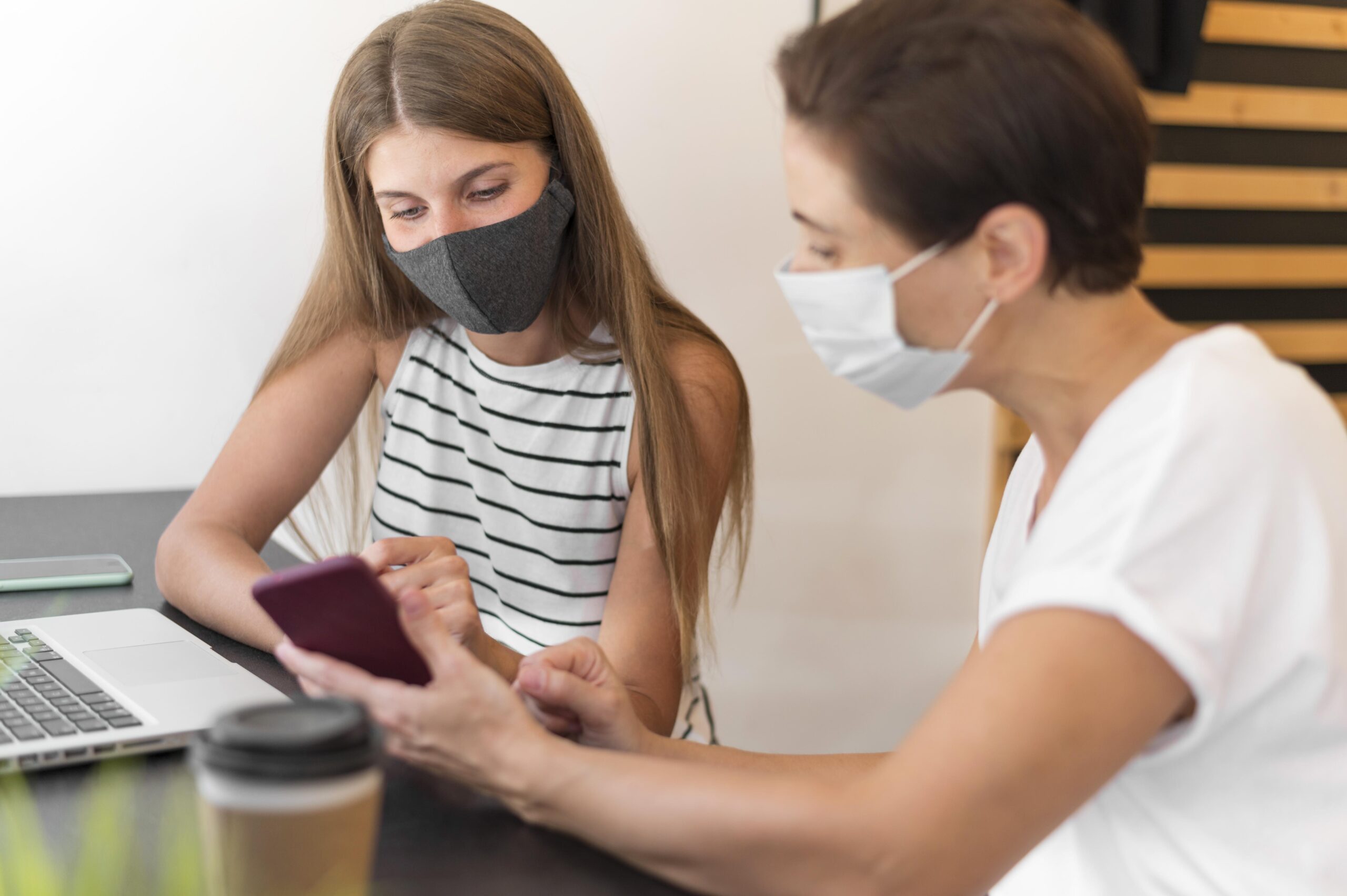
Traveling is exciting, but it can also bring unforeseen health risks. The Ontario Measles Travel Advisory has been issued to alert residents and travelers about a recent outbreak. Understanding the advisory is critical for personal safety, protecting others, and ensuring your travels are not disrupted by preventable illness. This article explores everything you need to know about measles in Ontario, how it spreads, preventive measures, and practical guidance for travelers.
Understanding Measles
Measles is a highly contagious viral infection that primarily affects the respiratory system. It spreads through droplets from coughing or sneezing, and the virus can linger in the air for hours. The infection usually starts with a high fever, runny nose, and cough, followed by a distinctive red rash. While most people recover, measles can lead to serious complications such as pneumonia, encephalitis, and, in rare cases, death.
Vaccination remains the most effective way to prevent measles. The measles vaccine is part of the MMR vaccine, which also protects against mumps and rubella. Most people who receive two doses are considered immune. However, outbreaks can still occur in communities with lower vaccination coverage. The Ontario Measles Travel Advisory is intended to ensure travelers are informed and take appropriate precautions before and during their visit to the province. You can learn more about measles from the official CDC measles page.
Why Ontario Issued the Travel Advisory
Ontario issued this advisory after public health authorities identified multiple cases in several communities. Travelers, especially those coming from areas with ongoing outbreaks or low vaccination rates, are at increased risk of exposure. The advisory is not meant to discourage travel but to ensure that travelers are aware of the situation and prepared.
Public health officials aim to prevent further spread of the virus by alerting the public. During an outbreak, even brief exposure to an infected person can result in infection. Vulnerable populations, including infants, pregnant women, and people with compromised immune systems, are at greater risk of severe illness. Taking the advisory seriously helps protect both travelers and local communities.
Who Should Take Extra Precautions
Certain groups should be particularly vigilant. Children under one year of age cannot receive the standard measles vaccine, so they rely on herd immunity for protection. Adults who have never been vaccinated or have only received one dose of the MMR vaccine are also at risk. Travelers with weakened immune systems should consult a healthcare provider before visiting Ontario.
If you are unsure about your vaccination status, it is advisable to check your records and get vaccinated if needed. Many clinics offer catch-up vaccinations for travelers. Ensuring immunity before travel significantly reduces your risk of contracting and spreading measles. For guidance on vaccines and travel preparation, the Government of Canada provides comprehensive resources at Canada Travel Health.
Symptoms to Watch For
Recognizing the early symptoms of measles is critical. Initial signs include high fever, fatigue, runny nose, watery eyes, and persistent cough. Koplik spots, small white spots inside the mouth, may appear a few days before the characteristic rash. The rash usually starts on the face and spreads to other parts of the body over several days.
Measles symptoms can be mistaken for other viral illnesses, which makes early diagnosis challenging. Travelers who develop these symptoms within two to three weeks after potential exposure should seek medical attention promptly. Early intervention and supportive care can reduce the severity of complications and prevent further transmission.
Preventive Measures for Travelers
Travelers should adopt several preventive measures to minimize the risk of contracting measles. First, verify your vaccination status and receive a booster dose if necessary. Maintaining good hygiene, such as frequent handwashing and avoiding close contact with sick individuals, can further reduce the risk.
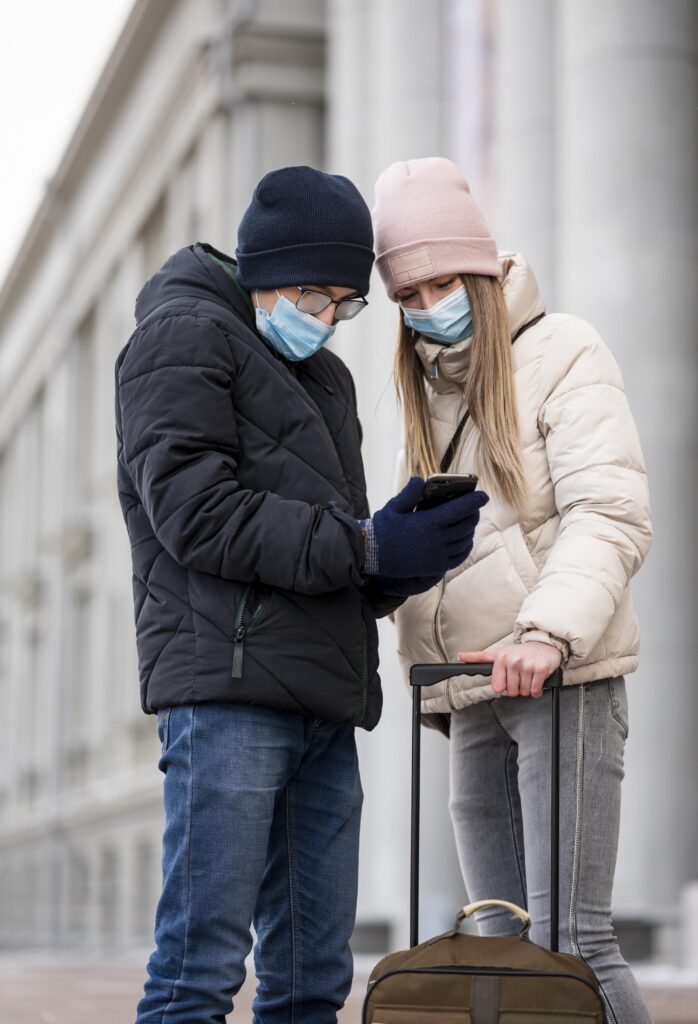
It is also wise to avoid crowded indoor spaces in areas experiencing an outbreak. Wearing a mask in high-risk environments adds an extra layer of protection, especially for those with underlying health conditions. Travel insurance that covers infectious diseases can provide financial support in the event of illness. For up-to-date information on measles outbreaks in Ontario, the Ontario Ministry of Health is an authoritative source.
Travel Preparation and Planning
Before visiting Ontario, consider adjusting your itinerary to minimize exposure. Research local health advisories and outbreak hotspots, and plan visits to outdoor attractions where the risk of transmission is lower. Make sure your accommodations have proper sanitation and access to medical care.
Carrying a small health kit with masks, hand sanitizer, and basic medications can be useful. Keep a record of your vaccination and any previous medical consultations. Being prepared can save time and stress in case of exposure. The Public Health Agency of Canada also provides guidance on travel safety and vaccination at PHAC Travel Health.
Impact on Families and Children
Families traveling with children should take special precautions. Infants and toddlers are more vulnerable because they may not be fully vaccinated. Avoiding crowded spaces, monitoring symptoms, and keeping children away from anyone displaying signs of illness are essential steps.
Educational trips or family vacations may need minor adjustments during an outbreak. Prioritize activities that allow physical distancing, and ensure that children understand the importance of hygiene. Preparing children for these preventive measures helps reduce anxiety while keeping them safe.
Measles Complications and Long Term Effects
Measles is often considered a mild illness, but it can lead to severe complications. Pneumonia is the most common serious complication, followed by inflammation of the brain in rare cases. In addition, measles can weaken the immune system for several weeks after recovery, increasing susceptibility to other infections.
Pregnant women who contract measles are at risk for miscarriage, premature birth, or low birth weight. Travelers with chronic illnesses or immune deficiencies may experience more severe symptoms. Understanding these risks underscores the importance of following the Ontario Measles Travel Advisory and taking proactive health measures.
Medical Consultation and Support
Consulting a healthcare provider before travel is highly recommended. Physicians can review vaccination records, provide boosters, and offer personalized advice based on your health history. If you develop symptoms during or after your trip, seek medical attention immediately and inform healthcare providers about recent travel to Ontario.
Prompt reporting helps public health officials track outbreaks and implement control measures. Telehealth services can be useful for initial consultations and guidance. For detailed medical guidance, the World Health Organization provides authoritative resources on measles prevention and treatment.

Managing Exposure During Travel
If you suspect exposure to measles while in Ontario, immediate action is essential. Isolate yourself to prevent spreading the virus, monitor symptoms, and contact local health authorities. Following recommended protocols helps protect others, including hotel staff, fellow travelers, and the local community.
Documentation of exposure and medical consultations is important for follow-up care. Public health authorities may also advise post-exposure vaccination or other measures to reduce the risk of severe illness. Understanding these steps before travel ensures a quick and organized response.
Returning Home Safely
After traveling from Ontario, monitor your health for at least three weeks, which is the incubation period for measles. If symptoms appear, seek medical attention without delay. Inform your doctor about recent travel and any potential exposure.
Avoid contact with unvaccinated individuals, infants, and pregnant women until you are confirmed to be infection-free. Maintaining communication with local health authorities can help prevent secondary outbreaks. Taking these precautions ensures your safety and protects those around you.
Community Responsibility
Following the Ontario Measles Travel Advisory is not just about individual safety. It also reflects a commitment to the health of communities. Measles spreads rapidly, and even a single case can trigger wider outbreaks in areas with low vaccination coverage.
Travelers have a responsibility to protect public health by adhering to guidelines, practicing good hygiene, and staying informed. This approach contributes to collective efforts to control and prevent outbreaks. Understanding the social and ethical dimensions of measles prevention reinforces the importance of proactive measures.
Vaccine Awareness and Advocacy
Vaccination is the cornerstone of measles prevention. Travelers should encourage friends and family to maintain up-to-date immunizations. Sharing credible information from public health authorities can help counter misinformation and promote informed decision-making.
Community-level vaccine advocacy strengthens herd immunity and reduces the risk of outbreaks. Being an informed traveler also means respecting local health advisories and participating in preventive campaigns when possible. The CDC Vaccines and Immunizations site provides guidance on recommended vaccines for travelers.
Practical Tips for Travelers
Practical preparation can significantly reduce travel-related health risks. Carry a copy of your vaccination record, pack sufficient masks and sanitizers, and know the location of local clinics. Stay informed about outbreak updates and avoid crowded events if the advisory suggests caution.
Maintaining a healthy diet, staying hydrated, and getting adequate rest are simple measures that support immune function. For families, planning age-appropriate activities and maintaining routines helps children adapt safely during travel. Being proactive reduces stress and ensures a smoother experience.
Role of Technology in Health Safety
Technology can aid travelers in staying safe during outbreaks. Health apps provide notifications about disease outbreaks, vaccination reminders, and local medical resources. Digital health records simplify sharing information with healthcare providers.
Social media can alert travelers to changing situations in real time. Using trusted sources and avoiding misinformation ensures that you make informed decisions. Integrating technology with personal precautions enhances overall safety and preparedness.

Long Term Considerations
Even after an outbreak subsides, maintaining awareness is important. Travelers should continue monitoring health guidelines, especially if returning to regions with sporadic cases. Immunity can wane, and staying updated on booster recommendations is prudent.
Understanding the long-term implications of measles and other communicable diseases fosters a culture of preventive health. Planning future travel with these considerations ensures safe and responsible journeys.
Conclusion
The Ontario Measles Travel Advisory is a vital resource for anyone planning to visit the province. Awareness, preparation, and responsible behavior can prevent illness and protect both travelers and communities. By following vaccination guidelines, monitoring symptoms, and consulting healthcare providers, travelers can enjoy their visit while minimizing risks.
Staying informed through official channels like the Ontario Ministry of Health and Public Health Agency of Canada ensures that your decisions are based on accurate and up-to-date information. Taking these steps helps create safer travel experiences for everyone.
Frequently Asked Questions
What is the Ontario Measles Travel Advisory?
The advisory is a public health alert issued to inform travelers about the current risk of measles in Ontario. It highlights outbreak areas and offers guidance on vaccinations, preventive measures, and monitoring symptoms.
Do I need to be vaccinated to travel to Ontario?
Yes, being fully vaccinated with two doses of the MMR vaccine is highly recommended. Vaccination protects you from infection and prevents further spread in the community.
Can infants travel to Ontario safely during the measles outbreak?
Infants under one year of age are at higher risk because they cannot receive the standard measles vaccine. Families should consult a healthcare provider for advice and take extra precautions, such as avoiding crowded areas.
What should I do if I develop measles symptoms after visiting Ontario?
Seek medical attention immediately, inform your doctor about recent travel, and follow public health guidance to isolate and prevent spreading the virus.
Are there any resources for staying updated on measles in Ontario?
Yes, official sources like the Ontario Ministry of Health, Public Health Agency of Canada, and the CDC measles page provide accurate and timely information.
How long should I monitor my health after returning from Ontario?
Monitor your health for at least three weeks, which is the incubation period for measles. Any symptoms during this period should prompt immediate medical consultation.
Is it safe to attend public events in Ontario during the outbreak?
Travelers should avoid crowded indoor events or locations where exposure risk is high. Outdoor activities are generally safer, but practicing hygiene and maintaining distance is still important.
Related Content
https://exploretravel.blog/indiana-travel-advisory-guide/
https://exploretravel.blog/galapagos-islands-travel-7-stunning-reasons/