
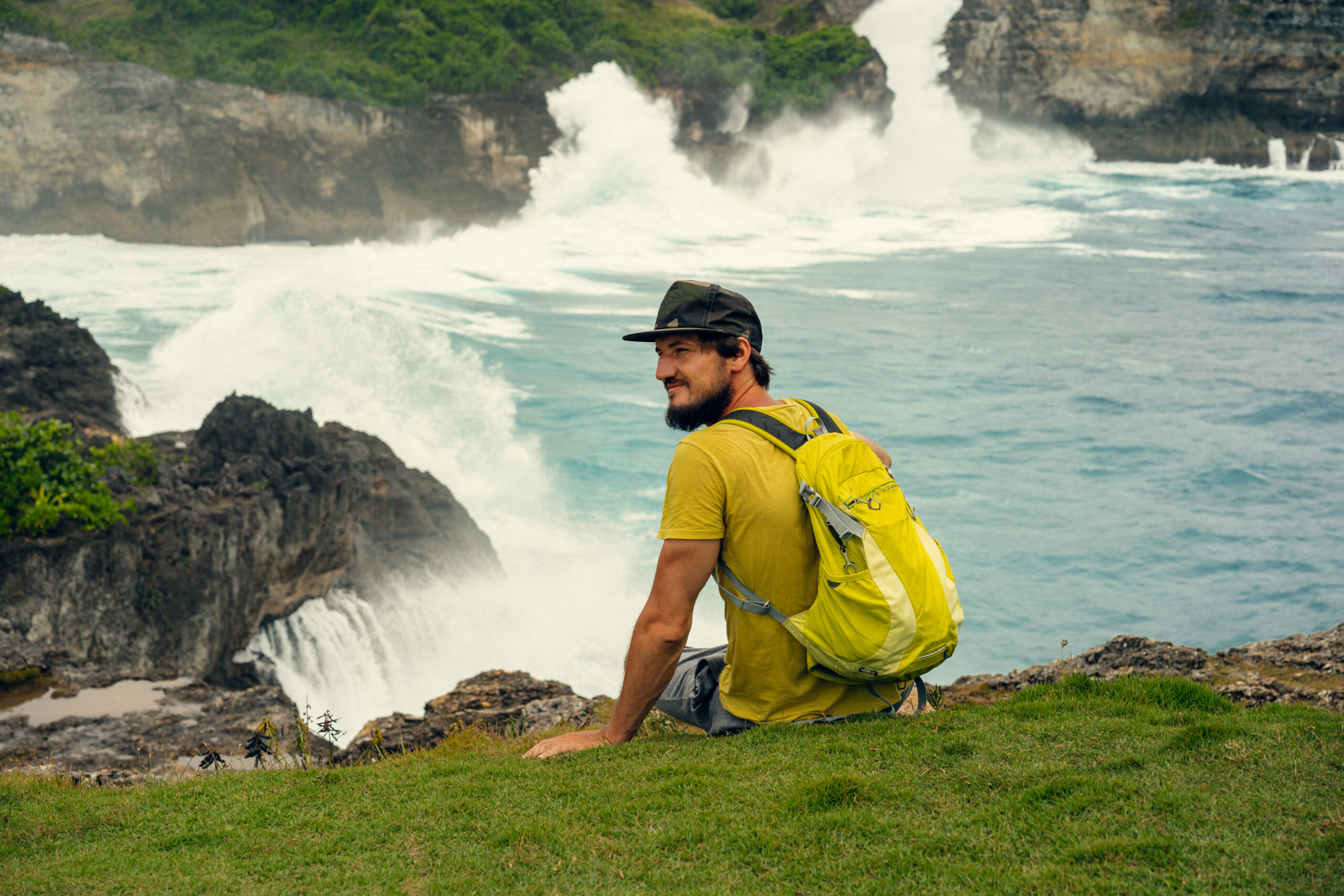
Galapagos Islands travel carries a sense of wonder that is hard to find anywhere else in the world. These islands feel untouched and ancient, yet full of life. Many travelers describe their first arrival as a moment that instantly slows the mind and sharpens the senses. The landscapes look raw and honest, shaped by volcanic forces that created an environment where wildlife thrives without fear of human presence. This purity is what makes Galapagos Islands travel both inspiring and humbling. It is not just a vacation. It is an experience that changes the way people look at the natural world.
Visitors often say that the islands feel like a living storybook. Every corner reveals something unusual. A quiet cove may hide sea turtles gliding through clear water. A rocky shoreline may host marine iguanas warming themselves after a morning swim. The islands invite travelers to observe life in its simplest and most powerful form. This is why Galapagos Islands travel leaves a permanent mark on those who come here. It shows them a world where nature still sets the rules.
What Makes These Islands So Important
The Galapagos Islands hold a rare place in both natural history and scientific discovery. Centuries ago, sailors described them as mysterious and rugged. They had no idea that these same islands would later shape groundbreaking ideas about evolution. When Charles Darwin visited, he observed subtle differences among species that helped him understand how life adapts over time. These observations became important to science and still influence research today. This is one of the reasons Galapagos Islands travel feels meaningful. Travelers find themselves stepping into a landscape that helped reshape global understanding of life itself.
Today, the islands continue to serve as a living classroom. Scientists study wildlife behavior, climate changes, and the ways small ecosystems survive in isolation. Even casual visitors can see these natural stories unfolding. Watching finches, tortoises, or penguins in their natural environment helps travelers appreciate how delicate these systems are. This sense of awareness becomes one of the quiet gifts of Galapagos Islands travel.
Preparing for a Journey Into Protected Nature
Galapagos Islands travel requires a little preparation, and this is part of what makes the experience so rewarding. Since the islands are carefully protected, visitors must follow certain guidelines designed to preserve delicate ecosystems. The rules are simple and respectful. Travelers keep a safe distance from animals, avoid leaving any waste behind, and stay on marked paths to protect native plants. These steps ensure that the islands remain as untouched as possible. This level of protection is one of the reasons Galapagos Islands travel feels so different from typical tourism.
Packing for the trip depends on your travel style. The climate can shift between warm sun and cooler breezes, so light clothing, sunscreen, and a comfortable hat are essential. Since sustainability matters, reusable bottles and small bags for personal items help reduce environmental impact. When travelers prepare with care, their experience becomes smoother and more meaningful. The planning phase is simply the beginning of responsible Galapagos Islands travel.
How to Reach the Islands Smoothly
Most journeys begin in mainland Ecuador. Travelers fly into Quito or Guayaquil, then take a short flight to Baltra or San Cristobal. These flights are usually straightforward, but they include an inspection process to ensure that no foreign species or materials enter the islands. This process may feel strict, but it serves an important purpose. It protects ecosystems that have survived in isolation for thousands of years. A calm mindset helps the arrival process feel easy. It is simply a part of responsible Galapagos Islands travel.
After landing, visitors move toward their lodges, tour vessels, or transportation hubs. Some travelers prefer comfortable hotels in towns, while others choose cruises that allow them to explore multiple islands efficiently. No matter the option, the atmosphere feels peaceful. Even the airports reflect the quiet character of the islands. From the moment travelers step outside, they begin to feel the natural calm that defines Galapagos Islands travel.
The Value of Guided Tours and Cruises
While independent travel is possible, guided tours are highly recommended for Galapagos Islands travel. Certified naturalists trained by the park authorities lead visitors through landscapes with knowledge and care. They describe wildlife behavior, explain geological formations, and teach visitors how species have evolved differently from island to island. This kind of insight transforms every moment into something meaningful. Instead of simply watching animals, travelers learn how they survive and why their existence matters.
Cruises are another popular option. They make it easier to explore remote islands that are not accessible through day tours. A cruise gives travelers the chance to wake up each morning to a new location, ready for fresh discoveries. The experience feels smooth and immersive. Boats vary from simple vessels to luxury yachts, but the atmosphere remains respectful of nature. Many travelers say that a cruise provides one of the most complete forms of Galapagos Islands travel because it combines comfort with deep exploration.
Wildlife Encounters That Stay in Your Memory
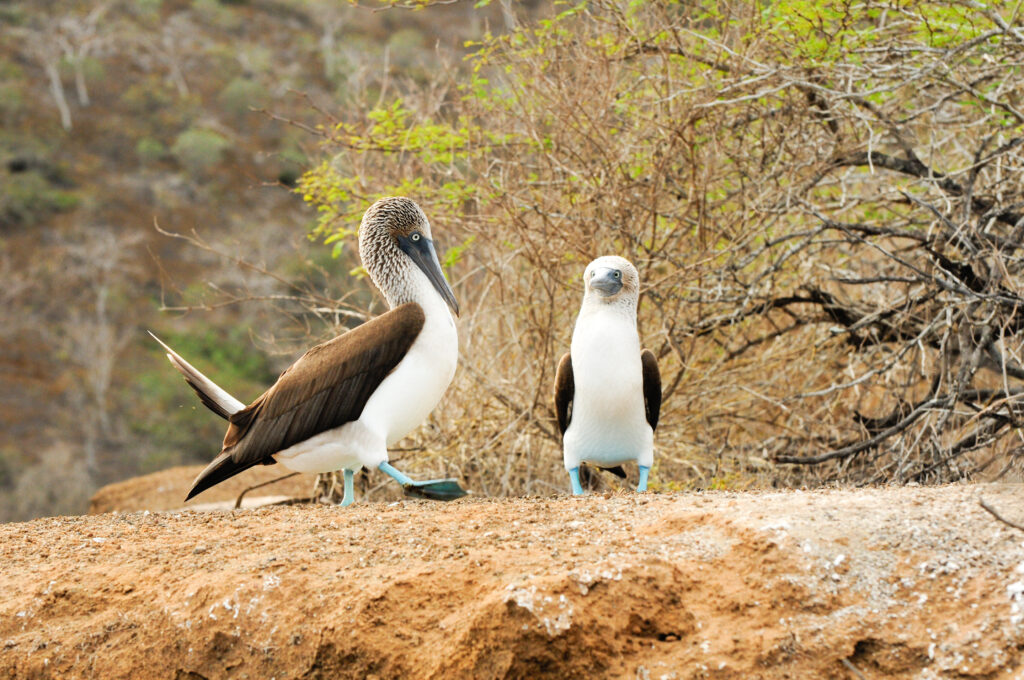
The wildlife is the heart of Galapagos Islands travel. Animals here behave differently because they evolved without intense human threats. Sea lions rest gently on warm sand and sometimes glide near swimmers with natural curiosity. Blue footed boobies perform their iconic dance just a few steps from visitors. Giant tortoises move slowly through misty highlands, fully comfortable in their natural realm. These encounters do not feel staged or forced. They feel honest and unforgettable.
Visitors often talk about the emotional impact of these moments. Watching a penguin dart underwater or seeing a young sea lion play in shallow water reminds travelers how interconnected life truly is. These islands teach quiet lessons about respect and fragility. That is why Galapagos Islands travel is so powerful. It connects people to nature in a way that feels pure and personal.
Understanding Seasonal Differences
Galapagos Islands travel is enjoyable throughout the year, but the seasons offer different experiences. The cooler season from June to November brings nutrient rich waters that attract large marine populations. Snorkelers often encounter sea turtles, playful sea lions, and a wide variety of fish during these months. The ocean becomes lively, and the air carries a refreshing coolness.
The warmer season from December to May offers clear waters, gentle breezes, and bright landscapes. Many species begin breeding during this period, making it an ideal time for observing wildlife behavior. The seas tend to be calm, which makes boat travel smooth. Both seasons have something special to offer. The best choice depends on your personal style of Galapagos Islands travel.
Exploring the Islands on Foot
Walking across the islands reveals layers of life that cannot be appreciated from a boat. Trails lead through volcanic landscapes, gentle highlands, and coastal areas where waves crash against jagged rocks. Every step uncovers something new, whether it is a tiny lizard scuttling across a lava crack or a flock of birds nesting on a cliff. The quiet of the islands encourages visitors to pause, watch, and reflect. Hiking becomes more than physical exercise; it becomes a way to connect deeply with the environment during Galapagos Islands travel.
Guides encourage slow exploration, allowing travelers to absorb every detail. The textures of volcanic stones, the patterns of plant growth, and the subtle movements of animals all add to the experience. By moving carefully and observing attentively, visitors gain a richer understanding of how life survives and thrives in this unique ecosystem. Walking becomes a storytelling journey that connects each traveler to the natural rhythms of the islands.
Snorkeling and Swimming With Wildlife
Snorkeling is a highlight of Galapagos Islands travel. The waters are clear and alive with vibrant marine life. Sea turtles glide effortlessly, rays drift gracefully along the sand, and schools of colorful fish swim around you in synchronized patterns. Swimming beside playful sea lions creates an unforgettable feeling of immersion in a world untouched by human interference. Every underwater encounter reinforces the sense that these islands are a sanctuary for life in all its forms.
Guides carefully select snorkeling locations to match skill levels and ensure safety. Beginners and experienced swimmers alike find opportunities to explore safely while witnessing extraordinary creatures. The quiet patience of marine life creates moments of awe. Travelers often leave the water with a sense of connection and wonder that remains long after the trip concludes.
The Importance of Sustainable Travel
Sustainable practices are at the heart of Galapagos Islands travel. The islands’ ecosystems are fragile, and each visitor must play a part in maintaining their integrity. Simple actions like carrying reusable bottles, following marked paths, and avoiding contact with wildlife ensure that nature continues its natural cycles. Respecting these guidelines allows the islands to remain pristine for future generations.
Sustainability extends beyond individual behavior. Many tour operators integrate environmental education and support local conservation programs. Choosing responsible companies guarantees that your visit has a positive impact. These practices not only protect nature but also enhance the overall quality of the travel experience. Travelers feel proud knowing they contributed to preserving such a unique environment.
Learning From Local Communities
Local towns provide insight into human life in harmony with nature. Residents share stories about fishing, farming, and sustainable living practices that have adapted to the island environment. Experiencing local culture gives travelers a deeper appreciation for how communities coexist with wildlife. Each conversation, meal, or small market visit reinforces the connection between people and nature during Galapagos Islands travel.
Culinary experiences add another layer of enjoyment. Fresh seafood, tropical fruits, and simple recipes reflect the rhythm of island life. Dining outdoors with an ocean view enhances the sensory experience, creating moments that are relaxing and memorable. Supporting local businesses ensures that tourism directly benefits the communities that help maintain the islands’ natural balance.
Visiting the Charles Darwin Research Station
The Charles Darwin Research Station on Santa Cruz Island is central to the conservation story of the archipelago. Scientists here study wildlife, restore habitats, and work to protect endangered species like giant tortoises. Visitors gain insight into the careful strategies used to preserve fragile ecosystems. Learning about these programs deepens understanding of how human efforts can safeguard nature.
For more detailed information, travelers can visit the official website at https://www.darwinfoundation.org. The station’s programs show the direct link between research and the survival of species. A visit encourages travelers to respect the environment and reinforces the ethical principles that define responsible Galapagos Islands travel.
Discovering Iconic Islands
Each island has a distinct personality and contributes differently to Galapagos Islands travel. Santa Cruz offers lush highlands and easy access to giant tortoise habitats. San Cristobal has calm beaches and ideal snorkeling locations. Isabela impresses with towering volcanoes and untouched shorelines. Fernandina remains one of the most pristine islands, home to abundant marine iguanas and unspoiled natural landscapes.
Exploring multiple islands creates a broader understanding of the archipelago. Travelers notice subtle differences in animal behavior, vegetation, and geological formations. The variety keeps the experience fresh and engaging. Seeing these contrasts helps visitors appreciate the scale and diversity that define Galapagos Islands travel.
Safety Measures and Responsible Tourism
Safety and conservation are inseparable on the islands. Guides receive extensive training, trails are maintained carefully, and all activities follow strict guidelines. Travelers feel secure, allowing them to focus fully on experiencing the environment rather than worrying about logistics or hazards. The islands have earned a reputation for well managed tourism that protects both people and wildlife.
Responsible behavior is equally important. Maintaining distance from animals, using environmentally friendly products, and staying within designated areas prevents unintentional damage. Travelers who follow these principles contribute to a positive legacy. The overall experience of Galapagos Islands travel becomes richer when visitors actively support conservation efforts.
Experiencing Wildlife in Depth
One of the most rewarding aspects of Galapagos Islands travel is observing animals in their natural behaviors over time. Spending a few hours or days in a single area allows travelers to notice patterns in feeding, nesting, and social interactions. Sea lions may play along the shore in the morning, while penguins dive nearby in the afternoon. Giant tortoises move with deliberate care, and marine iguanas warm themselves after swimming in the ocean. Each observation reveals the intricate balance of life that has evolved on these islands.
The emotional impact of these encounters is significant. Seeing creatures behave freely without fear creates a sense of connection and humility. Many travelers describe moments when they feel part of the ecosystem rather than just observers. This immersive experience distinguishes Galapagos Islands travel from typical wildlife tourism, leaving a lasting impression of respect and wonder.
The Joy of Photography and Observation
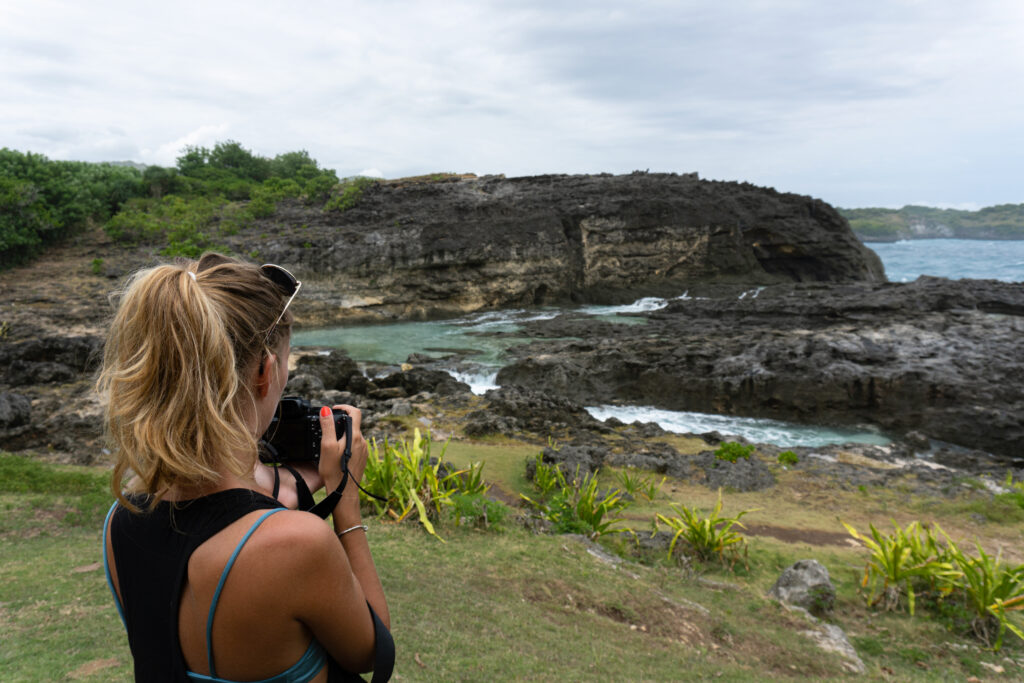
Photography in the islands comes naturally because the wildlife and landscapes are visually striking. Unlike crowded tourist destinations, there is time to wait for the perfect moment. A blue footed booby may perform its courtship display without haste, or a ray may glide elegantly over shallow sand. Even the volcanic landscapes offer dramatic textures and light, creating compelling compositions for photographers of any level.
Some travelers prefer to focus on observation before capturing images. By slowing down and paying attention to movement, colors, and patterns, they gain a deeper appreciation for the ecosystems. Photography becomes an extension of learning rather than just documentation. This mindful approach enhances the quality of Galapagos Islands travel, making the memories both visual and emotional.
Travel for Families and Solo Visitors
Families find the islands particularly engaging for children. Educational tours and naturalist guides provide hands-on learning experiences about evolution, wildlife, and geology. Children often respond with curiosity and awe, noticing animals and plants that adults might overlook. Parents appreciate trails and excursions that are safe, structured, and accessible, making the experience rewarding for all ages.
Solo travelers also benefit from the islands’ quiet and immersive environment. Guided excursions create a friendly atmosphere where people can connect with like-minded individuals or enjoy introspection. The islands encourage reflection and mindfulness, which enhances personal growth. Whether traveling with family or alone, Galapagos Islands travel delivers experiences that feel unique and meaningful.
Nighttime and the Rhythm of the Islands
Night brings a different perspective to Galapagos Islands travel. With minimal artificial lighting, the sky fills with stars, and the sounds of waves, wind, and nocturnal creatures create a calm backdrop. Sitting quietly on a beach or lookout point allows travelers to absorb the natural rhythm of the islands. The peaceful environment encourages reflection and reinforces the sense of connection established during the day.
Nighttime also highlights how life adapts continuously. While humans rest, animals continue their cycles, feeding or moving to new areas. Observing this subtle activity reminds travelers that nature is always in motion, independent of human schedules. This experience becomes one of the quiet, treasured aspects of Galapagos Islands travel.

Planning Future Visits
Many travelers return to the islands multiple times, discovering new experiences with each visit. Different seasons reveal diverse wildlife behaviors and changes in vegetation. New trails, snorkeling locations, or research station programs provide fresh insights. The islands’ dynamic nature ensures that no two visits are identical, making Galapagos Islands travel a long-term passion for enthusiasts.
Returning visitors also notice personal growth in how they interact with nature. Patience, observation skills, and understanding of conservation deepen with repeated exposure. Each trip strengthens the connection to the islands, leaving travelers with both memories and knowledge that last a lifetime.
Frequently Asked Questions About Galapagos Islands Travel
What makes Galapagos Islands travel unique compared to other wildlife destinations
Galapagos Islands travel is unique because wildlife is naturally unafraid of humans, landscapes remain largely untouched, and ecosystems exist in extraordinary balance. Visitors witness animals behaving freely, creating experiences that cannot be replicated elsewhere. The islands are both a natural sanctuary and a living classroom.
When is the best time to experience Galapagos Islands travel
Both main seasons offer memorable opportunities. June to November is cooler and attracts nutrient rich waters, supporting large numbers of marine species. December to May is warmer, with calm seas and bright landscapes. Travelers choose based on preferred wildlife sightings and water activities, ensuring a personalized experience.
Is guided support necessary for Galapagos Islands travel
While independent travel is possible in some areas, guided tours provide insight into species behavior, ecological dynamics, and conservation programs. Certified naturalists enhance understanding and help visitors respect rules that protect wildlife. This guidance is highly recommended for first-time travelers.
Is Galapagos Islands travel suitable for families
Yes. Families benefit from structured tours, safe trails, and educational programs that engage children. Wildlife encounters and interactive learning create rewarding experiences. Parents appreciate the combination of safety, ease of travel, and educational opportunities offered by the islands.
How can travelers ensure their Galapagos Islands travel is responsible
Responsible travelers follow park guidelines, avoid disturbing wildlife, stay on marked paths, use eco-friendly products, and reduce waste. Supporting local businesses and using certified operators further contributes to sustainability. Every small action helps maintain the islands’ ecological integrity.
Where can travelers find more information on conservation during Galapagos Islands travel
Trusted sources include the Charles Darwin Research Station at https://www.darwinfoundation.org, UNESCO at https://whc.unesco.org, and National Geographic at https://www.nationalgeographic.com. These sites provide accurate information on ongoing projects, wildlife protection, and responsible travel practices.
Related Content
https://exploretravel.blog/can-americans-travel-to-russia-guide/
https://exploretravel.blog/caribbean-island-travel-permit-requirement-guide/