
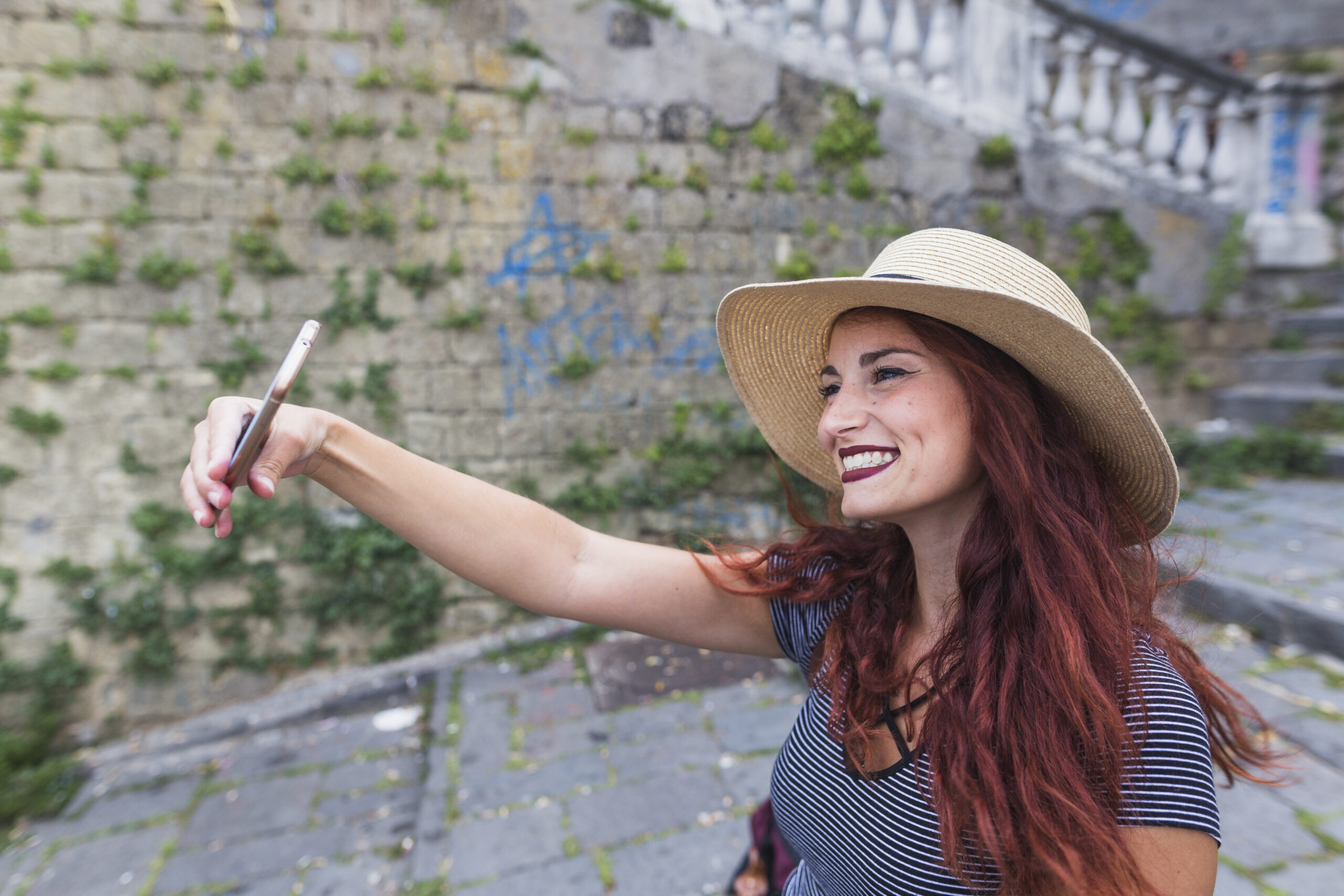
If you have ever asked, “is it safe to travel to Mexico,” you are not alone. Every year millions of tourists visit Mexico from around the world, drawn by its vibrant culture, ancient ruins, stunning beaches, delicious food, and warm hospitality. In 2023, Mexico welcomed over 40 million international visitors, with the United States being the largest source of tourists. Despite this popularity, Mexico’s reputation for crime and safety concerns often makes travelers pause before booking a trip.
The truth is nuanced. Some parts of Mexico are extremely safe and well-traveled, while others carry serious security risks. Understanding these differences, preparing properly, and traveling responsibly can make the difference between a stressful experience and an unforgettable adventure. This guide provides a thorough examination of the country’s safety landscape, practical advice, and insights for travelers of all types.
Understanding the Risks
Mexico is a vast country with diverse regions. Risk levels vary dramatically depending on location, time of day, and travel habits. Let’s examine the main areas of concern.
1. Violent Crime
Violent crime is the most cited concern for travelers. Mexico experiences a range of criminal activity, from armed robbery to organized crime. According to the U.S. Department of State, states such as Guerrero, Michoacán, Colima, Sinaloa, Tamaulipas, and Zacatecas are considered high-risk areas for violent crime. Incidents in these regions are often linked to cartel activity and organized gangs.
However, it’s important to note that violent crime rarely targets tourists directly. Most incidents involve local conflicts or gang disputes. Still, travelers can be caught in the wrong place at the wrong time, so awareness is crucial. (OSAC.gov)
Real-Life Example
In 2022, a small town near Michoacán reported multiple kidnappings and vehicle thefts. Tourists who stayed in nearby resorts reported feeling completely safe by following official travel advice, sticking to well-populated areas, and avoiding night travel on rural roads. This demonstrates that even in regions with crime, practical precautions drastically reduce risk.
2. Petty Crime
Pickpocketing, bag snatching, and ATM fraud are common in busy tourist areas. Cities like Mexico City, Guadalajara, and Monterrey see higher instances of petty crime in crowded markets, public transportation hubs, and tourist attractions.
Tips to avoid petty crime:
- Keep wallets and phones secure and close to your body.
- Avoid using ATMs at night or in isolated locations.
- Don’t display jewelry, cameras, or large amounts of cash in public.
These small precautions significantly reduce the likelihood of being targeted.
3. Kidnapping and Extortion
While rare, tourists have occasionally been victims of express kidnapping, where victims are held briefly for ransom. According to OSAC, these incidents are more common in high-risk states and less likely in major tourist zones. Using reputable transportation, traveling in groups, and avoiding isolated roads reduces this risk.
4. Terrorism
Mexico has a very low risk of terrorism, but the U.S. Department of State includes a terrorism indicator in its travel advisories. Terrorism is primarily linked to organized crime or politically motivated groups, and it is extremely uncommon in areas frequented by tourists. (TravelOffPath)
5. Road Safety
Driving in Mexico comes with risks:
- Unofficial roadblocks set up by criminals to extort money.
- Carjacking and staged accidents on rural roads.
- Poorly maintained roads in remote areas.
Recommendations:
- Stick to toll highways (cuotas) which are safer and better maintained.
- Avoid driving after dark in high-risk states.
- Always keep doors locked and valuables out of sight.
- Consider first-class buses or guided transport for long-distance travel. (Smartraveller.gov.au)

6. Health and Environmental Hazards
Travelers should also consider non-crime risks:
- Food and water safety: Stick to bottled water and reputable restaurants to avoid stomach illnesses.
- Heat and sun exposure: Coastal areas like Quintana Roo can be extremely hot, so hydration and sun protection are crucial.
- Natural hazards: Hurricanes and tropical storms occur in coastal regions from June to November. Being aware of seasonal risks is essential for trip planning.
7. Regional Risk Breakdown
A regional breakdown helps you make informed decisions:
Safer Regions: Normal Precautions Needed
Yucatán, Campeche: very low crime, safe for tourists.
Areas That Need a Bit More Caution
Quintana Roo (Cancún, Tulum, Playa del Carmen), Mexico City, Baja California Sur (Los Cabos): safe with standard precautions.
Places Where Travel Should Be Reconsidered
Certain areas of Jalisco, Puebla, Veracruz: moderate risk, stay alert, avoid night travel in isolated areas.
Locations That Are Best Avoided
Guerrero, Michoacán, Colima, Sinaloa, Tamaulipas, Zacatecas: high crime and kidnapping risk.
8. Scam Awareness
Scams targeting tourists are common in crowded areas:
- Fake police officers asking for fines.
- Overcharging or rigged taxi fares.
- Street hustlers offering fake tour deals.
Tip: Always verify official credentials and stick with recommended services. (Gov.uk)
9. Emergency Services
Emergency response varies by region. While large cities have reliable services, rural or remote areas may have slower response times. Travelers should:
- Carry emergency numbers for local police, ambulance, and consulates.
- Keep digital and physical copies of passports, insurance, and identification.
- Register with their home country’s embassy or travel advisory program.
Cultural Rewards, Travel Scenarios, and Practical Safety Strategies
The Rewards: Why Mexico Remains a Top Travel Destination
Despite concerns about safety, Mexico offers extraordinary experiences for travelers who plan wisely. Its cultural richness, natural beauty, and culinary delights make it one of the world’s most diverse destinations.
1. Rich Cultural Heritage
Mexico is home to a fascinating blend of ancient civilizations and colonial history. Tourists can explore:
- Mayan Ruins in Tulum, Chichen Itzá, and Palenque
- Aztec Sites in Mexico City, including Templo Mayor
- Colonial Cities such as Oaxaca, Guanajuato, and San Miguel de Allende, with colorful architecture, cobbled streets, and lively plazas
Major festivals showcase cultural depth:
- Día de los Muertos in November combines celebration and remembrance with spectacular street parades and traditional altars.
- Guelaguetza in Oaxaca celebrates indigenous culture with music, dance, and local cuisine.
Participating in these events allows travelers to engage safely while experiencing authentic traditions.
2. Natural Landscapes and Outdoor Adventures
Mexico’s geography is remarkably diverse, offering a variety of safe travel experiences:
- Caribbean Coast: Soft white sand beaches and turquoise water in Cancún, Playa del Carmen, and Cozumel are ideal for snorkeling, scuba diving, and sunbathing.
- Pacific Coast: Surfing and whale-watching in Puerto Vallarta and Mazatlán.
- Central Highlands: Hiking and mountain exploration near Puebla and Toluca.
- Jungles and Eco-Parks: Chiapas and Yucatán offer cenotes, waterfalls, and eco-reserves perfect for adventure tourism.
Outdoor activities can be safe when organized through licensed guides or tour operators, who understand local conditions and emergency procedures.
3. Culinary Excellence
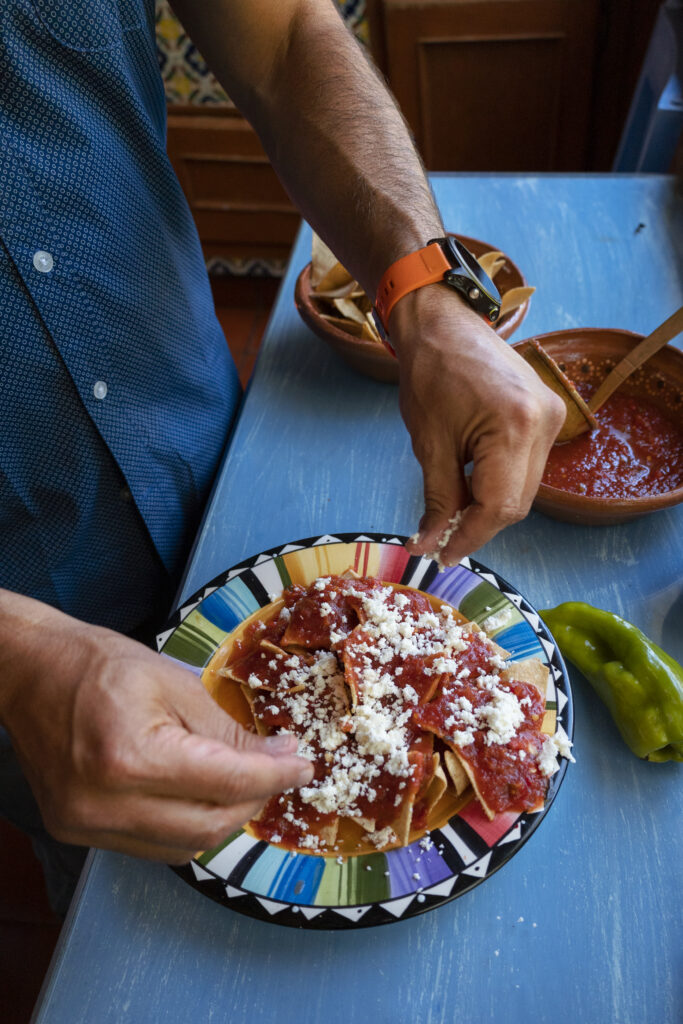
Mexican cuisine is UNESCO-recognized for its heritage and variety. Each region has unique flavors:
- Oaxaca: Famous for mole sauces, tlayudas, and local cheeses.
- Yucatán: Known for cochinita pibil, panuchos, and tropical fruits.
- Baja California Sur: Offers fresh seafood, ceviche, and fish tacos in coastal towns.
Food tours or guided tasting experiences are a safe and rewarding way to explore local cuisine while avoiding street food risks.
Practical Travel Strategies
Smart planning is the key to safe travel in Mexico. Here are strategies based on experience and travel advisories:
1. Research Your Destination
Check official travel advisories, local news, and tourism websites. Knowing which areas are safer can prevent missteps and reduce anxiety. (OSAC.gov)
2. Transportation Safety
- Public Transport: Use regulated bus services or first-class coaches for long-distance travel.
- Taxis and Rideshares: Opt for official taxis or apps like Uber and Cabify in larger cities.
- Driving: Stick to major toll roads and avoid traveling after dark in high-risk states.
3. Accommodation Choices
Choose hotels or hostels with good reviews and security measures. Many resorts in tourist areas offer gated communities, security personnel, and concierge services to ensure guest safety.
4. Personal Security Measures
- Avoid displaying expensive items like jewelry or cameras in crowded areas.
- Keep a digital backup of important documents such as passports and insurance.
- Travel in groups when possible, especially at night.
- Learn basic Spanish phrases to communicate effectively and navigate local interactions.
5. Emergency Preparation
- Keep local emergency numbers handy.
- Register with your embassy or consulate.
- Carry travel insurance covering health, theft, or accidents.
- Know the locations of nearby hospitals and police stations.
Travel Scenarios and Risk Assessment
Travel experiences vary depending on the style and destination. Understanding potential scenarios helps you plan safely.
Scenario A: Standard Tourist Trip
A family visits Cancún, stays in a reputable resort, and takes organized day trips to Chichen Itzá and Isla Mujeres. By using guided tours, regulated transport, and resort security, the risk is very low. This represents the safest form of travel for most visitors.
Scenario B: Backpacking Adventure
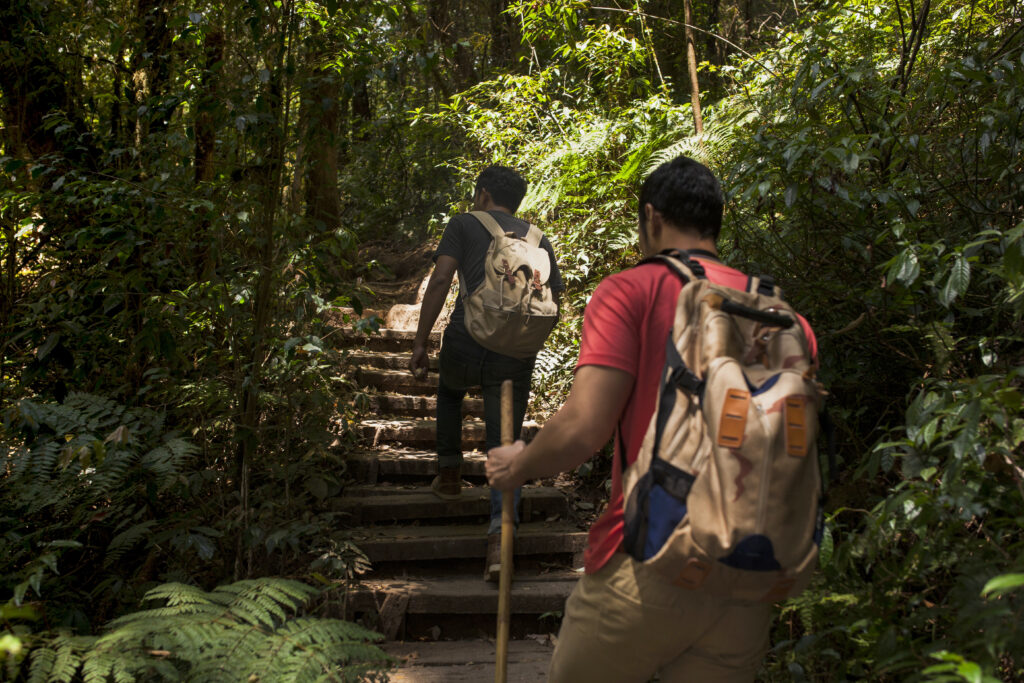
A solo traveler explores Oaxaca, Chiapas, and lesser-known towns. This involves more risk, especially in remote areas, but can be mitigated by:
- Traveling in groups or with guides
- Avoiding isolated roads at night
- Staying informed of local news and advisories
The reward is a deeper cultural experience and encounters with local communities.
Scenario C: Eco-Tourism and Adventure Travel
Tourists visit cenotes, jungle reserves, or surf in Baja California Sur. Risks include natural hazards like sudden weather changes or difficult terrain. Precautions include:
- Using certified guides
- Carrying sufficient water and protective gear
- Staying on marked trails and safe swimming areas
Common Misconceptions About Safety in Mexico
Misconceptions often exaggerate risk and prevent people from traveling intelligently.
Myth 1: Mexico is Too Dangerous for Any Tourist
Reality: Millions visit safely every year. The majority of incidents occur in specific regions and rarely involve tourists.
Myth 2: All Crime Targets Tourists
Reality: Violent crime mostly affects locals or organized criminal networks. Tourists are seldom the target if they take standard precautions.
Myth 3: U.S. Travel Warnings Mean Total Danger
Reality: Travel advisories often apply only to specific states, not the entire country. Many popular destinations remain safe for tourists.
Myth 4: Driving in Mexico is Unsafe Everywhere
Reality: Driving on toll highways during the day, in well-populated areas, is generally safe. Risks are mostly in remote regions or after dark.
Myth 5: Street Food is Unsafe Everywhere
Reality: While some street food carries risks, eating at well-reviewed vendors or guided food tours is both safe and culturally enriching.
Detailed Regional Overview
Understanding the regional safety landscape allows travelers to make informed decisions about where to go, what to do, and how to stay safe. Below is a breakdown of major Mexican states and popular destinations.
1. Quintana Roo
- Highlights: Cancún, Playa del Carmen, Tulum, Cozumel
- Safety: Generally safe for tourists. Hotels and resorts often have security. Stick to tourist areas and avoid isolated beaches at night.
- Tips: Use official taxis or rideshare apps, avoid showing valuables on the beach, and book guided tours to ruins or eco-parks.
2. Mexico City
- Highlights: Historic center, Chapultepec Park, museums, local markets
- Safety: Moderate crime, mainly petty theft and scams. Violent crime is rare in tourist zones.
- Tips: Avoid isolated streets at night, use official transport, and be cautious in crowded markets. Keep an eye on belongings, especially in metro stations.
3. Oaxaca and Chiapas
- Highlights: Colonial architecture, indigenous culture, natural parks, archaeological sites
- Safety: Generally safe in major towns. Rural areas may have higher risk due to remote locations and limited emergency services.
- Tips: Hire local guides, avoid traveling after dark, and stay informed on local news and conditions.
4. Baja California Sur
- Highlights: Los Cabos, La Paz, whale-watching, surfing
- Safety: Low risk in tourist areas. Petty crime can occur in crowded areas.
- Tips: Use regulated transport, avoid deserted beaches at night, and follow hotel or resort guidance on safe activities.
5. Guerrero, Michoacán, Sinaloa, Tamaulipas, Colima, Zacatecas
- Safety: High-risk states with violent crime linked to organized criminal groups. Tourists are generally advised to avoid these areas.
- Tips: If travel is unavoidable, use security services, avoid night travel, and strictly follow local guidance.
Extended Safety Checklist
Here is a practical checklist for safe travel in Mexico:
- Travel Documentation: Keep digital and physical copies of passports, visas, insurance, and emergency contacts.
- Communication: Purchase a local SIM card or international plan for reliable connectivity.
- Transportation: Use official taxis, rideshare apps, or tour services; avoid night travel in high-risk zones.
- Accommodation: Choose hotels or hostels with strong security and good reviews.
- Health Precautions: Carry bottled water, hand sanitizer, and basic medications. Check for required vaccinations before travel.
- Situational Awareness: Always observe your surroundings, particularly in crowded or unfamiliar locations.
- Emergency Contacts: Know the locations of embassies, consulates, hospitals, and local authorities.
- Local Customs: Learn basic Spanish phrases and cultural norms to communicate effectively and show respect.
Frequently Asked Questions (FAQ)
Q: Is it safe to travel to Mexico now?
A: Yes, travel can be safe in most tourist areas like Cancún, Playa del Carmen, Mexico City, and Los Cabos. Avoid high-risk states such as Guerrero, Michoacán, and Sinaloa, and always follow local advisories. (OSAC.gov)
Q: What regions should tourists avoid?
A: Avoid high-crime states including Guerrero, Michoacán, Colima, Sinaloa, Tamaulipas, and Zacatecas. Stick to safer tourist areas for a stress-free experience. (MexicoNewsDaily)
Q: How can I protect myself from petty crime?
A: Keep valuables close, avoid crowded areas at night, and use reputable ATMs. Travel with awareness and minimal exposure of expensive items.
Q: Are tourist areas like Cancún and Playa del Carmen safe?
A: Yes, these areas are well-patrolled and have strong security measures. Following standard safety precautions ensures a largely risk-free visit. (TravelOffPath)
Q: Should I be worried about terrorism?
A: Mexico has a very low terrorism risk. Most safety concerns relate to organized crime rather than political or terrorist activity. (TravelOffPath)
Q: How can I safely drive in Mexico?
A: Stick to toll roads, avoid nighttime travel in high-risk regions, lock car doors, and consider using first-class buses or guided tours for long distances.
Q: Can solo travelers safely visit Mexico?
A: Yes, with careful planning. Stick to safe regions, use trusted transport, avoid isolated areas at night, and maintain situational awareness.
Q: What is the best way to explore local culture safely?
A: Participate in guided tours, attend organized festivals, eat at reputable restaurants, and avoid unverified street vendors.
Q: Are remote areas safe for eco-tourism?
A: With proper preparation, remote eco-tourism can be safe. Use licensed guides, stay on marked trails, and carry emergency supplies.
Q: How do travel advisories impact my trip?
A: Travel advisories highlight high-risk regions and provide recommendations. Use them to plan your route, choose accommodations, and avoid unsafe areas
Conclusion: Making an Informed Decision
So, is it safe to travel to Mexico? The answer is yes, with proper planning. Millions of tourists enjoy Mexico safely each year by choosing the right regions, using reputable services, and taking common-sense precautions.
Mexico rewards travelers with:
- Rich history and culture: ancient ruins, colonial cities, traditional festivals
- Stunning landscapes: beaches, jungles, mountains, deserts
- Exceptional cuisine: regional specialties, guided food tours
- Warm hospitality: locals are welcoming, especially in tourist regions
Key Takeaways
- Research destinations thoroughly: Understand high-risk vs safe zones.
- Use trusted transport and accommodations: Stick to regulated services and reputable hotels.
- Maintain personal security: Minimize exposure, stay alert, and keep emergency contacts handy.
- Plan for emergencies: Travel insurance, embassy registration, and health precautions are essential.
- Respect culture and local norms: Learning Spanish basics and showing respect enhances both safety and experience.
With the right preparation, traveling to Mexico can be both safe and unforgettable. The beauty, culture, and warmth of the country are accessible to anyone willing to take sensible precautions.
Related Content
https://exploretravel.blog/is-peru-safe-to-travel-to-guide/
https://exploretravel.blog/how-can-you-protect-a-mobile-device-while-traveling-5-smart-tips/
https://exploretravel.blog/safe-travel-in-spanish-tips/