
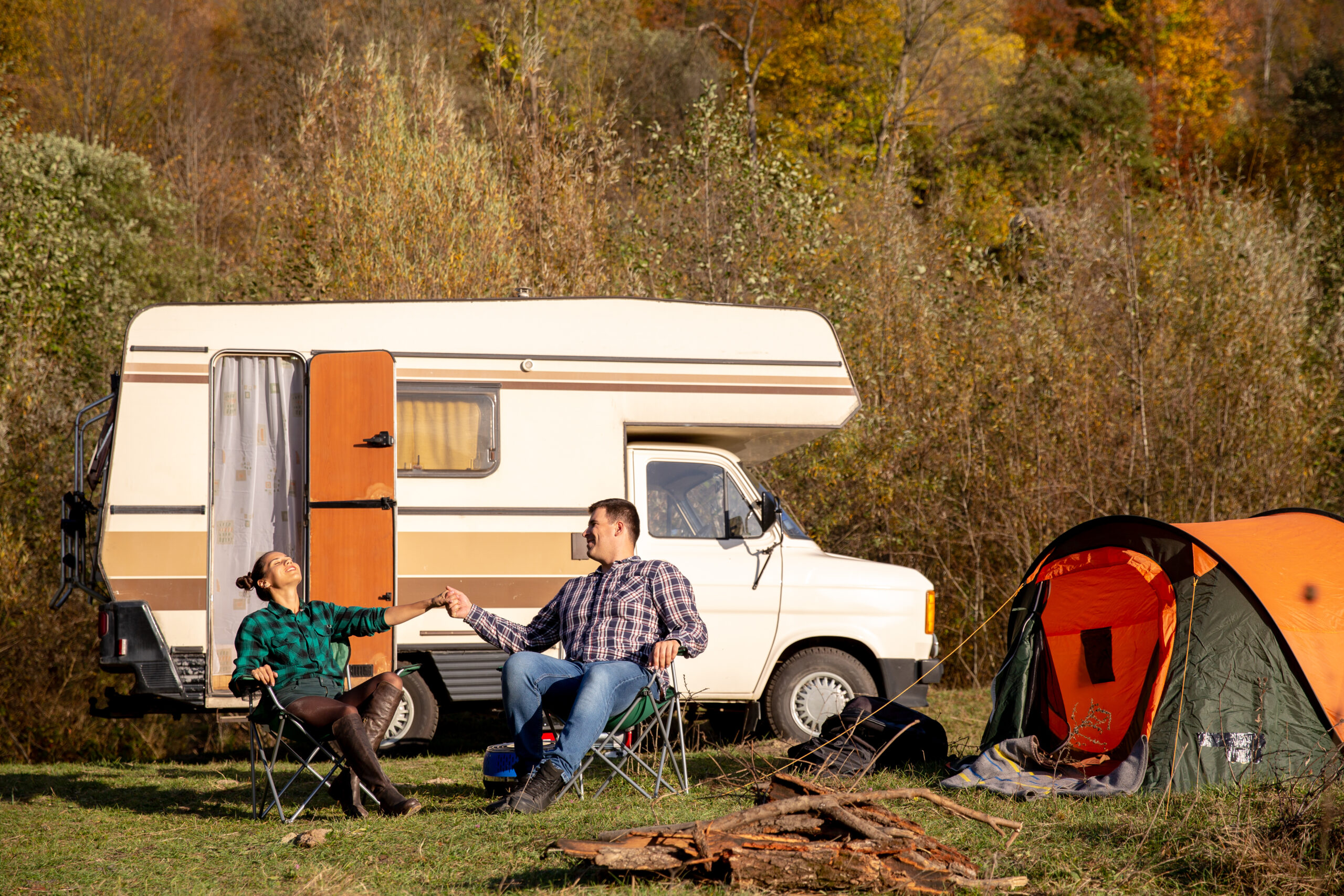
Traveling beyond paved roads brings a sense of freedom that few other experiences match. When you equip yourself with a high-quality off-road travel trailer you unlock the ability to roam farther, stay longer, and carry the comforts of home into remote terrain. In this deep dive we explore what makes off-road travel trailers exceptional how to evaluate them and why they are becoming the go-to for adventure-minded travellers.
What Defines an Off Road Travel Trailer
Not all travel trailers are built the same. A trailer marked “off-road travel trailer” is purpose-designed to handle rough trails steep inclines loose surfaces and less-than-ideal access while providing a safe comfortable place to sleep and live. Key characteristics include:
- A reinforced frame and chassis with high ground clearance and protective underbody shielding.
- Heavy-duty suspension and oversized all-terrain tyres to absorb impacts and traverse rutted tracks. For example one list of best rugged camper trailers notes that true off-road rigs include upgraded suspension systems extra-sturdy frames and metal or high-strength composite bodies. (GearJunkie)
- Bodies designed to resist rot, water intrusion and vibration—many use aluminium or composite rather than wood in key structural points. (theadventureportal.com)
- Towing systems engineered to articulate and flex so the trailer follows your vehicle safely off-trail.
- Off-grid capabilities: solar power, large water and battery systems, rugged kitchens, durable interior finishes.
If your trailer carries the “off-road travel trailer” label but lacks these essentials you’ll want to dig deeper because the real test is how it performs— not just how it is marketed.
Why Choose an Off Road Travel Trailer
There are several compelling advantages for choosing an off-road travel trailer instead of a standard one or simply sleeping in a tent.
Expanded Access
With rugged build and capable suspension you can access remote campsites ski lodges desert flats highland plateaus that conventional trailers cannot reach. This expands your breaking-away possibilities.
Comfort + Freedom
Even out in the wilderness you can enjoy many of the comforts of home—sleep indoors, cook in a kitchen, carry gear in purpose-built storage. It merges adventure with comfort in a way that tents or basic trailers rarely do.
Durability and Longevity
Off-road trailers are built to endure harsh conditions. The stronger structure and protective features mean fewer failures, less rust or rot, better resale value.
Versatility
They can serve as weekend escape vehicles one month then turn into full overland rigs the next with added gear or modifications. The market continues to grow and innovate. For instance new compact towable and off-road travel trailers have landed for 2024. (rvlifemag.com)
Key Evaluation Criteria
Before you buy make sure you evaluate these critical areas. Each of these influences performance ease-of-use and long-term value.
1. Frame and Underbody Protection
Look at how the chassis is constructed—welded steel or aluminium tubing is often stronger than economy options. Underbody protection (skid plates, full metal pans) helps when you crawl over rocks or logs. As noted in one guide, a trailer built for serious terrain is defined by upgraded off-road suspension systems and extra-sturdy frames. (GearJunkie)
2. Suspension, Axles and Tyres
Suspension systems matter a lot. Independent suspensions torsion axles heavy-duty shocks and large diameter tyres make a huge difference in ride quality and durability. One trailer described in a review featured an axleless heavy-duty suspension and large tyres as standard. (theadventureportal.com)
3. Build Materials and Body Integrity
Avoid trailers where wood framing or other vulnerable materials are exposed. Many modern off-road travel trailers replace wood entirely or cover it behind high quality composite panels. A review noted that teardrop off-road trailers emphasised no wood in the structure, making them more reliable. (MotorTrend)
4. Towing Geometry and Hitch System
Off-road towing means sharper turns, uneven surfaces, and more articulation. A hitch that allows flex a articulating coupler and good weight distribution will make things safer and more manageable.
5. Off-Grid Capabilities
If your goal is extended wilderness stays you’ll want large battery capacity solar panels strong electrical systems water storage and possibly heating/cooling systems. Many premium off-road travel trailers built for long term overlanding include these as standard or as optional upgrades. (theadventureportal.com)
6. Weight and Compatibility with Your Tow Vehicle
Just because it is off-road capable does not mean you can haul it easily. Make sure your vehicle’s tow rating matches the trailer’s weight including gear, water, and any extras. Many reviews emphasise staying within safe limits. (US News Cars)
7. Interior Layout, Living Comfort and Storage
You will want space that works: enough headroom good sleeping arrangement readily accessible storage and ease of use (kitchen, bathroom if included). Remember rugged trails may slow you down so once at camp you want to settle easily.
Practical Use Cases
Here are some typical scenarios where an off-road travel trailer really makes sense.
- Remote desert camping far from services or congested campgrounds.
- Mountain basecamps where dirt tracks lead you deeper into wild terrain.
- Multi-week overland trips where you self-supply and need a solid home base.
- Family adventure travel where you want the convenience of a trailer but need the ruggedness to match your destination.
- Gear-haul support for active pursuits: mountain bikes, kayaks, backcountry gear all fit better when the trailer and storage are designed with rough access in mind.
Cost Versus Value
Off-road travel trailers generally cost more than standard ones because of the materials, suspension and build quality. But value can be judged through these lenses:
- Durability means less maintenance, fewer failures, stronger resale.
- Access equates to more destinations and more unique experiences.
- Comfort ensures you enjoy the journey rather than endure it.
If you buy cheaply and your trailer cannot handle the terrain you will pay in frustration, repairs and lost opportunity. Premium models reviewed in industry guides show the price tags are high — but the performance and capability justify it for serious users. (GearJunkie)
Common Mistakes to Avoid
Let’s call out some pitfalls so you can sidestep them.
- Purchasing a standard travel trailer then calling it off-road without verifying the suspension, frame and underbody.
- Ignoring the tow vehicle’s true capacity especially when loaded.
- Underestimating the value of storage and gear access in the field.
- Failing to consider off-grid needs like battery capacity solar and water for remote stays.
- Overlooking how repairs and parts may be more complex in remote terrain.
- Choosing size for style rather than practicality – sometimes a smaller nimble trailer is better than a large heavy one in rough terrain.
Maintenance and Preparation Tips
Once you own one you’ll want to maintain it so it serves you well for years.
- After every rough trip inspect suspension, tyre condition, and underbody for damage or wear.
- Check seals, cabinetry and water systems regularly for leaks and corrosion.
- Clean tyres and undercarriage—mud and grit can hide damage or accelerate wear.
- Carry spare components if you go remote: tyre repair kit, shock absorber parts, spare belts or fans if you have cooling/heating.
- Maintain your tow vehicle equally – weak truck + strong trailer = bad combo.
- Know your trailer’s load limits especially with gear, water, and any modifications.
Future Trends and What to Watch
The category of off-road travel trailers is evolving rapidly as more users demand capability. Here are a few trends worth monitoring:
- Lightweight materials: more use of composites and high strengh materials to reduce weight without sacrificing strength.
- Modular layouts: swap-in gear boxes, multi-use spaces, rear storage modules for bikes, boards, kayaks.
- Integrated renewable energy: larger solar mats, lithium battery packs, smart energy management systems for long range remote trips.
- Tow-vehicle integration: better compatibility and articulation between tow rig and trailer to handle complex terrain.
- Minimalist luxury: trailers built for remote but with design touches that make them comfortable and stylish rather than purely rugged.
Choosing the Right Model for You
Here is a practical decision sequence to choose the right off-road travel trailer.
- Define your main use case: weekend trail escapes? Multi-week overlanding? Family vs solo?
- Match your tow vehicle’s capacity: know your truck or SUV’s tow rating, payload, axle limitations.
- Prioritise terrain: if you will do mild dirt roads vs extreme rock crawling your required spec differs.
- Set a budget that includes trailer + gear + modifications + tow vehicle improvements.
- Inspect key specs: dry weight, GVWR (gross vehicle weight rating), axles, suspension, tyres.
- Check build materials: body, frame, underbody protection.
- Review on-board systems: kitchen, water, battery/solar, storage, living comfort.
- Verify serviceability: parts availability, warranty, ease of maintenance.
- Test tow and fit if possible: manoeuvrability, turning radius, real world ride feel.
- Think long term: resale value, brand reputation, upgrade paths.
If you follow this you will make a much more informed decision than most who buy purely based on look or interior finish.
Here is Part 2 of your article on Off Road Travel Trailers. This continues from where Part 1 left off.
Top Off Road Travel Trailer Models to Consider
When selecting a trailer it helps to look at models that have proven themselves in real‑world conditions. Here are some highly regarded options:
- EarthRoamer XV-LT – Known for extreme durability and off‑grid self‑sufficiency, it comes with reinforced suspension, solar arrays, and large water storage. Ideal for serious overland expeditions. (earthroamer.com)
- Taxa Outdoors TigerMoth – Lightweight yet rugged, this trailer balances easy towing with strong off‑road capability. Its modular interior allows for multi-use setups. (taxaoutdoors.com)
- Black Series HQ19 – Designed for heavy off-road use, it features independent suspension, oversized all-terrain tyres, and a robust frame. Reviewers highlight its reliability in deserts, mountains, and snow trails. (blackseriescamper.com)
- Airstream Basecamp X – A more compact option that merges the classic Airstream style with off-road readiness. It is lightweight, towable by smaller vehicles, and rugged enough for dirt roads and forest trails.
- Oliver Legacy Elite II – Offers luxury and durability, with composite walls and heavy-duty suspension. It is designed for those who want comfort on extreme terrains without compromise.
These models vary in price, features, and size, but each meets the essential off-road criteria: strong frame, capable suspension, and off-grid readiness.
Essential Accessories for Off-Road Travel Trailers
Proper accessories can elevate your off-road experience and ensure safety, convenience, and comfort. Some highly recommended accessories include:
- Spare Tyres and Repair Kits – Off-road travel increases the risk of punctures, so having a spare tyre and a reliable repair kit is crucial.
- Portable Solar Panels and Batteries – Even if your trailer has an onboard solar setup, additional portable panels can extend your energy capacity.
- Water Filtration Systems – Essential for remote areas where potable water is limited.
- Heavy-Duty Jacks and Stabilizers – These improve safety when parked on uneven or rough terrain.
- Recovery Gear – Traction mats, tow straps, and winches can save a stuck trailer.
- Roof Racks and Storage Boxes – For kayaks, bikes, or additional gear. Proper organization reduces stress and ensures all equipment is accessible.
Cost Breakdown and Budgeting
The price of off-road travel trailers depends on size, build quality, features, and brand. Here is a rough guide:
- Entry-Level Models: $15,000 to $30,000 – Lightweight, suitable for mild off-road use, limited off-grid features.
- Mid-Range Models: $30,000 to $60,000 – Durable frames, enhanced suspension, some off-grid capabilities, modular interiors.
- Premium Models: $60,000 to $150,000+ – Full off-road capability, heavy-duty suspension, high-end interiors, extensive off-grid systems.
Remember that the initial cost is only part of the investment. Consider towing vehicle upgrades, maintenance, fuel, gear, and potential modifications for extreme terrain. For serious off-road adventures, investing in a reliable, durable model is more cost-effective than repeatedly repairing a low-quality trailer.
Planning Your Off-Road Adventure
Having the right trailer is only one part of successful off-road travel. Planning ensures safety, enjoyment, and minimal environmental impact.
- Research Destinations – Identify trails, campsites, and regulations for remote areas. Many national parks and forest services provide trail maps and access rules. (nps.gov)
- Check Weather and Terrain Conditions – Avoid areas prone to flooding, mudslides, or extreme heat that may exceed your trailer’s capabilities.
- Pack Smart – Bring essential tools, first aid, spare parts, and enough food and water. Heavy packing affects handling, so balance weight distribution.
- Communications – Satellite phones or GPS trackers are vital in areas with limited cell service.
- Environmental Responsibility – Follow Leave No Trace principles to preserve trails and wilderness areas.
Advantages of Modern Off-Road Travel Trailers
Newer trailers integrate technology and design improvements that enhance both safety and comfort:
- Smart Energy Management – Lithium batteries, solar panels, and energy monitors ensure you can stay off-grid longer.
- Lightweight and Aerodynamic Designs – Reduce fuel consumption and make towing easier.
- Modular and Expandable Interiors – Allow customization based on your activity, such as adding gear storage or expanding sleeping areas.
- Durable Finishes and Materials – Resistant to scratches, dents, moisture, and UV damage.
Off-Road Travel Trailer Safety Tips
Safety is critical when you venture off the beaten path. Some key practices include:
- Inspect Your Trailer Regularly – Check suspension, brakes, tyres, and hitch before every trip.
- Maintain Safe Speeds – Rough terrain can surprise you with sudden dips or rocks. Slow and steady protects both vehicle and trailer.
- Weight Distribution – Keep heavier items low and centered to maintain stability.
- Practice Emergency Procedures – Know how to disconnect the trailer, use recovery gear, and manage tyre blowouts or mechanical issues.
FAQs About Off-Road Travel Trailers
What makes a trailer truly off-road capable?
A trailer is considered off-road capable if it has a reinforced chassis, strong suspension, all-terrain tyres, sufficient ground clearance, and off-grid features that allow safe travel on rough terrain.
Can any vehicle tow an off-road travel trailer?
Not every vehicle is suitable. You need a tow vehicle rated to handle the trailer’s weight including cargo and water. Trucks and SUVs with adequate tow capacity are typically recommended.
Are off-road travel trailers more expensive than standard trailers?
Yes, but the investment is justified by durability, safety, and access to remote locations. Premium models offer advanced features that support extended off-grid travel.
What maintenance is required for off-road trailers?
Regular inspection of suspension, tyres, chassis, water systems, and seals is essential. Cleaning after rough trips and maintaining electrical and mechanical components ensures long-term reliability.
How do I choose the right trailer size?
Size depends on your use case. Consider the number of travelers, gear, and your tow vehicle’s capacity. Smaller trailers are more maneuverable while larger ones provide more living space.
Can I customize my off-road travel trailer?
Many trailers offer modular interiors, expandable storage, solar and energy upgrades, and other customizable options to suit your specific travel needs.
Are off-road travel trailers suitable for family travel?
Yes, there are models designed for family use with sleeping space, kitchen facilities, and storage while maintaining rugged construction to handle rough terrain.
Where can I find reliable reviews and buying guides?
Trusted sources include Gear Junkie, The Adventure Portal, RV Life Magazine, and manufacturer websites like EarthRoamer and Taxa Outdoors.
Related Content
https://exploretravel.blog/federal-travel-regulations-essential-rules/
https://exploretravel.blog/best-mens-travel-bags-guide/