
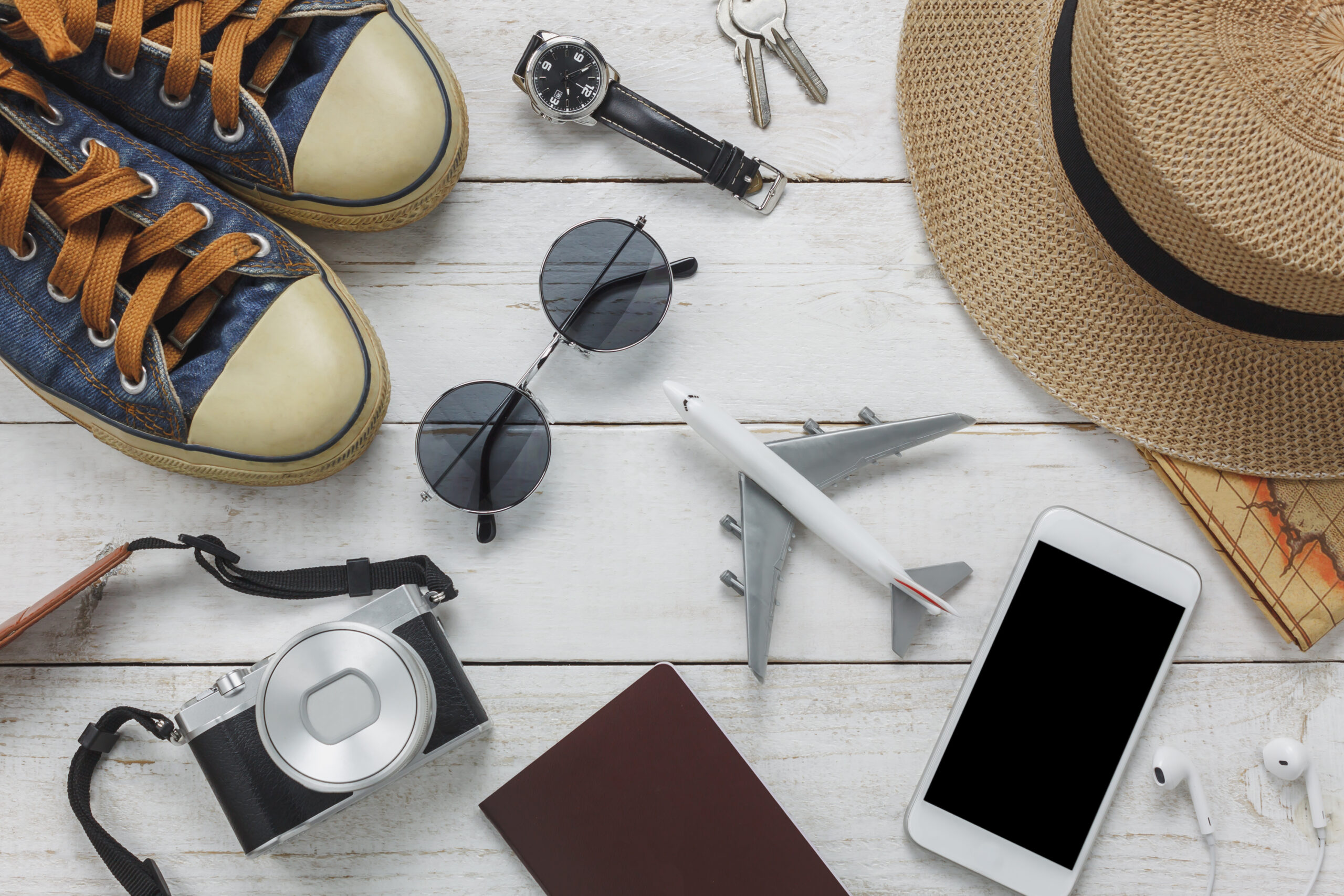
Travel is one of the most rewarding experiences in life. It opens your mind, challenges your habits, and introduces you to new people and cultures. Yet, the difference between a smooth, enjoyable trip and a stressful one often comes down to how well you prepare. The key is not just packing things but packing smart. This guide on Travel Essentials dives deep into everything that truly matters before you leave your home so you can travel smarter, lighter, and happier.
Understanding the Meaning of Travel Essentials
When most people hear the phrase “travel essentials,” they picture a suitcase full of clothes and gadgets. But that is only one part of the story. Travel essentials are not just things you pack but the habits, mindset, and systems you build to make your trip easy and stress free. A true traveler understands that a strong preparation plan saves time, reduces anxiety, and helps you enjoy the journey fully.
Think of travel essentials as your foundation. Every successful trip rests on these core elements: documentation, organization, safety, and comfort. Whether you are planning a weekend city break or a long term international adventure, these areas never change. What changes is the scale and the personal touch you bring to them.
The Foundation of a Perfect Trip
Before you start throwing clothes into a bag, pause and plan. Every professional traveler will tell you that planning is the most underrated travel essential of all. It is what separates an organized traveler from one who is constantly rushing at airports or forgetting small but important things.
- Secure Your Documents First
This is the first and most important part of your travel checklist. Without valid documents, your trip ends before it starts. Make sure your passport is valid for at least six months, check your visa requirements, and confirm all bookings. Always keep digital copies of your passport, national ID, and any other essential paper in your email or cloud storage. This small step will save you if you lose the originals. - Understand the Value of Travel Insurance
Many travelers ignore this part, assuming nothing will go wrong. But travel insurance protects you from medical emergencies, flight cancellations, lost luggage, or theft. It is not just a piece of paper; it is peace of mind. Think of it as a safety net that lets you travel with confidence. - Plan Your Budget and Currency
Money is another travel essential that deserves serious attention. Before leaving, research how much you will need daily, check the local currency rates, and always keep some cash for emergencies. Do not rely entirely on cards. In many places, small shops and local transport only accept cash. Also, inform your bank about your travel dates to avoid card blocks. - Prioritize Health and Safety
A smart traveler always packs a basic health kit. Include bandages, pain relief tablets, any personal medication, and a small bottle of sanitizer. If you are traveling to a new climate or region, add sunscreen, insect repellent, and oral rehydration salts. Staying healthy is part of staying ready.
Smart Packing Starts with Mindset
The biggest mistake most travelers make is overpacking. They fill their suitcases with “just in case” items they never use. The best way to avoid that is to change your mindset. Travel essentials are about balance, not abundance. You do not need ten outfits for a five day trip. Instead, choose clothes that mix and match easily. A few quality items are always better than a pile of things that create confusion.
A strong packing strategy is not just about saving space. It saves time and energy every single day. You spend less time deciding what to wear, less time repacking, and less stress trying to find things.
Categories of Travel Essentials
To simplify packing and planning, divide your travel essentials into categories. This makes it easy to prepare without missing anything. The main categories are:
- Documents and Money
- Clothing and Accessories
- Toiletries and Hygiene
- Electronics and Connectivity
- Luggage and Organization
- Comfort and Extras
Each category plays a role in making your journey smooth and comfortable. In the next part, we will explore each category in detail with practical advice on what to include and how to make every item count.
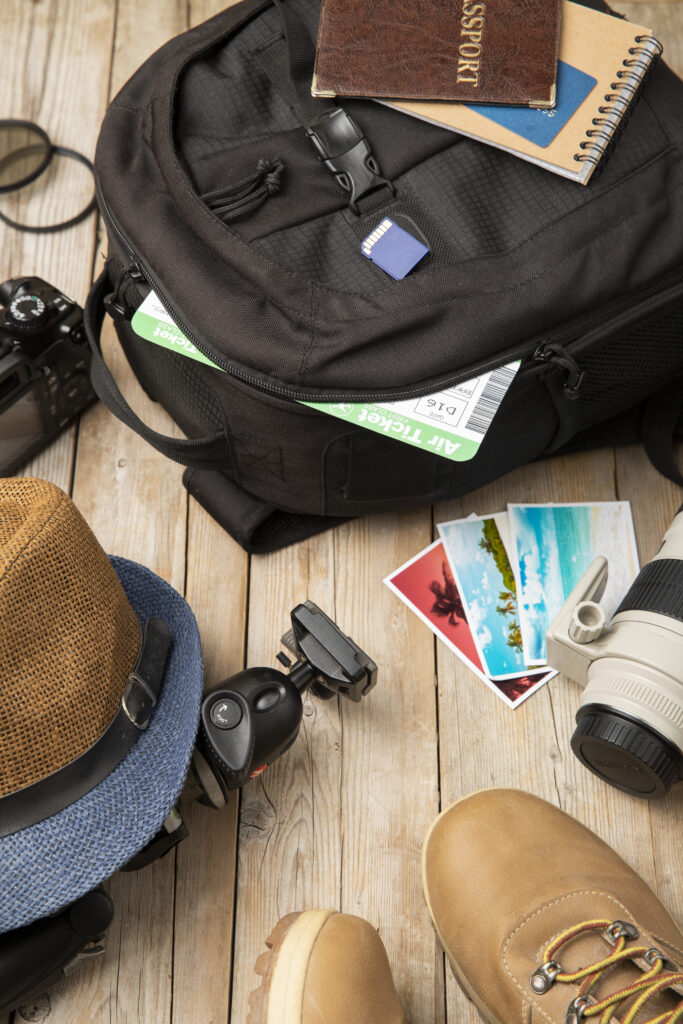
Detailed Breakdown of Travel Essentials
Documents and Money
Your documents and finances are the backbone of your entire trip. If they are lost or misplaced, your journey can turn stressful very quickly. Treat them as the most important category of your travel essentials.
Keep your passport, visa, travel insurance papers, and identification cards in a waterproof pouch or document organizer. Make at least two photocopies of each important document. Leave one copy at home with someone you trust and keep another in a separate section of your bag. It also helps to store digital copies in a secure folder on your phone or in your email for easy access.
Carry some local currency for immediate expenses like taxis, snacks, or entry fees. In addition to that, bring an international debit or credit card for larger transactions. Many travelers make the mistake of relying only on one payment method. If it fails, you could be stuck without cash. Always have a second option.
Clothing and Accessories
Clothing can easily take up the most space in your bag, which is why planning outfits ahead of time is so important. The goal is to build a small, versatile wardrobe that can adapt to weather, culture, and activities.
Start by checking the local climate of your destination. If you are visiting a tropical country, focus on light, breathable fabrics such as cotton and linen. For colder regions, layering is key. Instead of packing one heavy jacket, bring a few lighter layers that you can combine depending on the temperature.
Choose clothes that match each other easily. Neutral colors like black, white, beige, and navy make mixing and matching effortless. Add one or two statement pieces if you want to stand out in photos. Pack comfortable walking shoes because you will likely spend long hours exploring. Include a hat, sunglasses, and a small umbrella depending on the season.
Do not forget items for comfort and rest such as sleepwear, slippers, and a travel pillow. These may sound small, but they make a big difference during long trips.
Toiletries and Hygiene
No matter where you go, maintaining personal hygiene keeps you comfortable and confident. A travel size toiletry kit is a must. Pack only the basics: toothbrush, toothpaste, deodorant, soap, shampoo, lotion, and a razor. If you use skincare products, choose mini bottles or refillable containers to save space.
Add a small towel or microfiber travel towel that dries quickly. Bring sanitizer, disinfectant wipes, and tissues because you will need them in public places. If you are traveling internationally, check the rules about liquids in hand luggage. It is always better to keep liquid containers below one hundred milliliters to avoid airport issues. Carry basic medicines, bandages, and hand sanitizer to stay prepared.
For women, do not forget essentials like sanitary products or any special skincare you rely on. For men, a compact grooming kit can keep your look neat even during long travel days.
Electronics and Connectivity
Modern travel heavily depends on technology. Your phone, camera, and power bank are no longer optional; they are now core travel essentials. Without them, you might struggle with navigation, communication, and safety.
Start with a good quality universal adapter so you can charge your devices anywhere. Keep a durable charging cable and an extra one as backup. A power bank is crucial, especially for long travel days or remote destinations where charging options are limited. Download offline maps and translation apps before your trip. They can save you when there is no internet.
If you work while traveling, carry your laptop or tablet in a padded sleeve for protection. Add earphones for entertainment or calls and a portable hard drive if you need extra storage for photos or work files. Just remember to pack electronics safely and not overload your bag with unnecessary gadgets.
Luggage and Organization
Your luggage is more than just a container for your things; it defines how comfortably you travel. Choose a strong, lightweight suitcase with smooth wheels if you prefer rolling your bag. For flexible or outdoor trips, a durable backpack might be more practical.
Inside your bag, use packing cubes or soft pouches to separate clothes, shoes, and accessories. This makes it easier to find items without creating a mess every time you open your suitcase. Keep your toiletries in a waterproof pouch to prevent leaks. Place heavy items like shoes or books at the bottom to balance the weight.
Label your luggage with your name, contact number, and destination address in case it gets lost. Also, keep a small lock for security. Organized packing saves you time, space, and frustration.
Comfort and Extras
Small comfort items can transform an exhausting trip into a pleasant one. These are the final touches that make your travel experience more personal and enjoyable.
A neck pillow, eye mask, and noise canceling earphones can make long flights or train rides much easier. Bring a reusable water bottle to stay hydrated and some light snacks for when food options are limited. Add a notebook and pen if you like writing down thoughts, plans, or contact details. A travel journal can later become one of your favorite souvenirs.
If your trip involves nature or unpredictable weather, carry a compact raincoat and a foldable umbrella. For language barriers, download a translation app or bring a small phrasebook. All these small extras make your travel smoother and more rewarding.
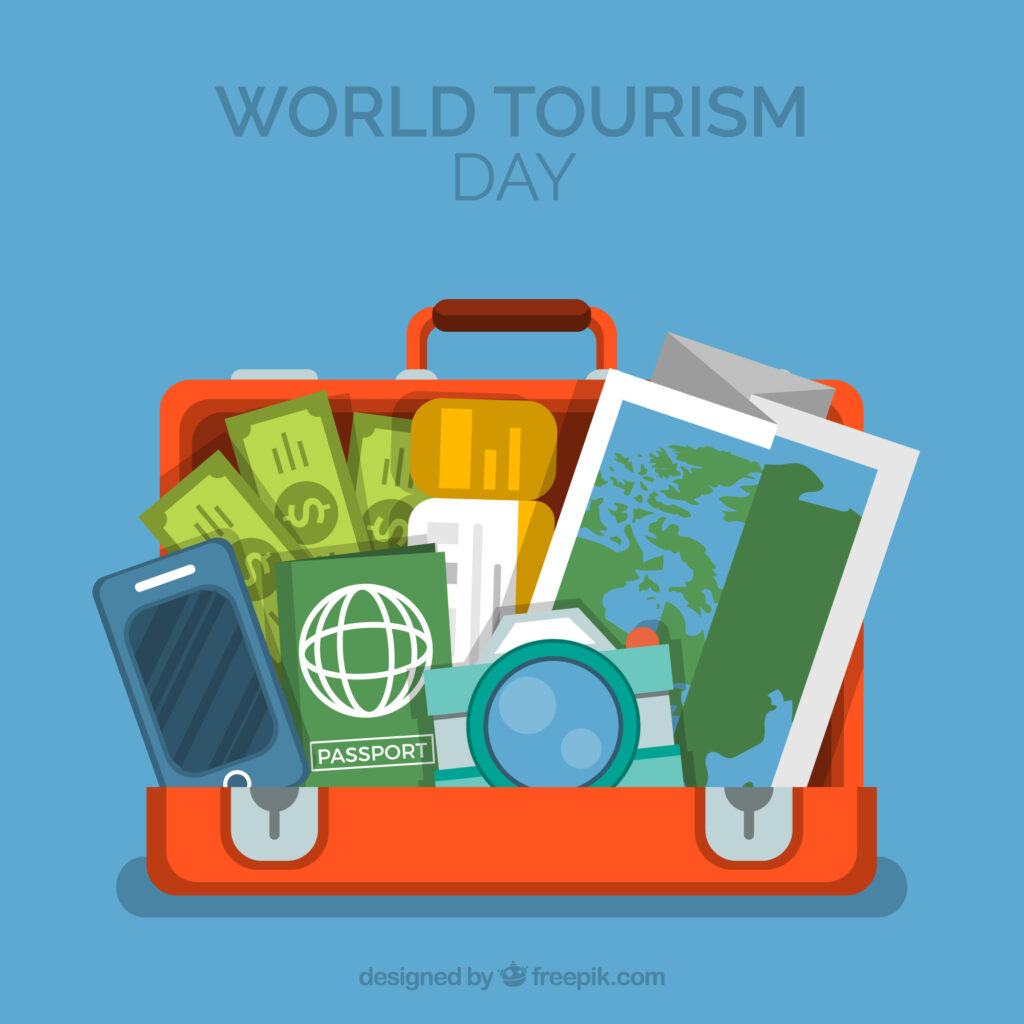
Smart Packing Strategies and Common Mistakes to Avoid
The Art of Smart Packing
Packing is not just about fitting things into a suitcase. It is about building a system that saves you stress and time during your journey. Smart packing starts with clear thinking and ends with comfort and freedom. Once you master this, every trip becomes easier and more enjoyable.
The goal is not to carry everything you might need but to carry only what you will actually use. A smart traveler understands that fewer items create more convenience. When your luggage is light and organized, you move freely, think clearly, and enjoy every destination without worrying about excess baggage.
Here are a few strategies that can completely change how you pack:
- Start Early and Make a Checklist
Do not wait until the last night to start packing. Begin two or three days before departure. Write down everything you think you will need, then review it twice to remove what is unnecessary. A simple checklist keeps your mind calm and ensures that nothing important gets left behind. - Choose Multi Purpose Items
Every item in your bag should serve more than one purpose. A scarf can be used as a blanket, a pillow cover, or even protection from the sun. A good jacket can work for casual outings and slightly formal events. This approach reduces bulk and helps you stay ready for any situation. - Roll Your Clothes Instead of Folding
Rolling clothes saves space and keeps them wrinkle free. It also makes it easier to see everything at a glance when you open your bag. Keep delicate items in the middle and heavier pieces at the bottom. - Keep Essentials Accessible
Place your travel documents, wallet, power bank, charger, and one set of clothes in an easily reachable section of your bag. If your luggage is delayed, you will still have what you need to stay comfortable. - Balance the Weight
Keep heavier items like shoes or books near the bottom of the bag and lighter ones on top. This keeps your bag steady and easy to carry. - Leave Space for Souvenirs
Always leave some room for things you may buy on your trip. It is common to pick up local gifts, snacks, or clothes from your destination. Planning that extra space prevents stress when returning home.
Common Travel Mistakes to Avoid
Even the most experienced travelers make mistakes. The key is to learn from them and pack smarter next time. Here are some common mistakes you can avoid easily.
- Overpacking
The most frequent mistake is bringing too much. Extra clothes and shoes take up space and make it harder to stay organized. The best rule is simple: pack half the clothes you think you need and double the money. You can always buy something small if required. - Ignoring Local Climate and Culture
Research your destination carefully. Many travelers pack for comfort but forget about cultural expectations. In some regions, modest clothing is appreciated. In others, lightweight fabrics are necessary due to heat. Always adapt your travel essentials to match your surroundings. - Not Checking Luggage Restrictions
Airlines have strict baggage limits. Failing to check them can lead to expensive fees at the airport. Always confirm the weight and size limits of both your main and cabin luggage before you pack. - Forgetting Health and Safety Items
Things like medication, sunscreen, or basic first aid supplies might seem small but are vital. You may not easily find them at your destination, so keep them in your essentials list. - Keeping Everything in One Place
Never store all your valuables in a single bag or pocket. Spread your money and cards across multiple safe areas. This protects you in case one bag goes missing. - Depending Entirely on Technology
While smartphones make travel easier, they can also fail due to battery loss or signal issues. Always have physical backups like printed tickets, written addresses, or a paper map. It might feel old fashioned, but it can save you in critical moments.
Personalizing Your Travel Essentials List
There is no universal checklist that fits every traveler. Your travel essentials should reflect who you are, where you are going, and how you like to explore. The more you personalize your list, the smoother your experience becomes.
Start by asking yourself a few questions:
- What is the climate of my destination?
- How many days am I staying?
- What activities will I do there?
- Am I traveling alone or with someone else?
- Do I need to dress formally for any occasion?
- Are there health or dietary needs to plan for?
Your answers to these questions will help you build a personal essentials list that is practical and perfectly suited to your lifestyle.
For example, a digital nomad might include a laptop, noise canceling earphones, and portable Wi-Fi as key items. A nature lover might pack hiking shoes, insect repellent, and a torch. A minimalist traveler might rely on one backpack with only the bare necessities. The right list is the one that fits your travel purpose and habits.
The Role of Mindset in Smart Packing
A relaxed and focused mindset is the most overlooked part of travel preparation. The truth is, even if you forget a small item, you can usually replace it. But if you travel stressed, distracted, or unorganized, your experience suffers.
Be patient with yourself while preparing. Keep things simple, stay organized, and remember that travel is meant to bring peace and adventure, not panic. When your bag is light, your mind is lighter too.
The Final Word on Smart and Prepared Travel
Packing your travel essentials is not just about stuffing a bag with random items. It is a strategy that reflects how prepared and mindful you are as a traveler. The right combination of gear and mindset can make the difference between a smooth journey and a stressful one.
When you plan carefully, you travel with confidence. You know that everything you might need is within reach. You can focus on the experience instead of worrying about what you forgot. It is also about being responsible — packing efficiently helps you travel light, waste less, and move freely.
Building a Personal Travel Routine
Over time, you will develop your own routine for packing travel essentials. Some people prefer to prepare a few days before departure, while others do it the night before. The key is consistency. Create a packing checklist and update it after each trip. Note what worked, what did not, and what you wished you had packed.
This ongoing improvement turns travel preparation into a personal system. Soon, you will not need to think twice about what to bring because it becomes second nature.
Adapting to Different Travel Styles
Every traveler has a unique style. Adventure seekers may focus on outdoor gear, while city explorers prioritize comfort and convenience. Families might pack snacks, entertainment, and first aid items, while solo travelers focus on efficiency and safety.
The core idea is to customize your travel essentials according to your needs. What matters most is comfort, safety, and readiness for any situation. Once you understand your travel personality, you can fine tune your packing for every journey.
The Emotional Side of Travel Preparation
There is also an emotional side to preparing travel essentials. Packing a favorite hoodie, a journal, or a book adds a sense of home wherever you go. It reminds you that comfort can be found even when you are far away.
These small things connect your personal world to your adventures. They help you stay grounded while discovering something new. It is a balance between practicality and emotion — both play an equal role in memorable travel experiences.
The Future of Travel Essentials
As technology continues to evolve, travel essentials are becoming smarter and more sustainable. Solar powered chargers, compact purifiers, and digital wallets are reshaping the way people travel. Eco friendly products are replacing disposable ones, and minimalism is becoming the new luxury.
Modern travelers are realizing that the less they carry, the more they experience. It is not about having everything but having what truly matters.
Final Thoughts
Your travel essentials are more than just items in a bag. They represent preparation, awareness, and self care. Every trip teaches you something new about what you need and what you can live without. The more you travel, the better you become at balancing comfort with simplicity.
Remember, travel is not just about reaching a destination. It is about the journey, and being prepared makes that journey smoother and more meaningful. Keep refining your packing list, stay open to new experiences, and enjoy every step along the way.
Frequently Asked Questions about Travel Essentials
1. What are the most important travel essentials for beginners?
Beginners should focus on the basics such as a passport, comfortable clothes, a charger, toiletries, a reusable water bottle, and emergency cash. These items make your trip smoother and help you handle unexpected situations easily.
2. How can I pack my travel essentials efficiently?
Start by listing everything you need, then remove unnecessary items. Pack lightweight clothes that can be mixed and matched. Roll your clothes instead of folding them, and use small containers for toiletries to save space.
3. Are digital gadgets part of travel essentials today?
Yes, digital gadgets are now an essential part of travel. Smartphones, power banks, noise canceling headphones, and portable chargers make travel easier and safer. They also help you stay connected and informed during your trip.
4. How can I keep my travel essentials safe while traveling?
Always keep valuables in a secure place, like a hidden pouch or locked bag. Use anti theft backpacks, and never leave your belongings unattended. When staying in hotels, use the safe provided to store important items.
5. Why is a first aid kit included in travel essentials?
A first aid kit is vital because it prepares you for minor injuries, headaches, or stomach issues. Carry bandages, pain relievers, antiseptic wipes, and your prescribed medication. Being prepared can prevent small problems from becoming serious.
6. What are some sustainable travel essentials I should consider?
Opt for reusable bottles, cloth bags, bamboo toothbrushes, and eco friendly toiletries. These choices reduce waste and help protect the environment while traveling.
7. How often should I update my list of travel essentials?
Update your list after every trip. Remove items you did not use and add things you missed. This keeps your packing list relevant and efficient for future travels.
8. Can I use my travel essentials for both short and long trips?
Yes, the core travel essentials remain the same. The difference lies in quantity. For longer trips, pack extra clothes and supplies, but maintain the same focus on practicality and organization.
9. What travel essentials are often forgotten?
Many travelers forget adapters, medication, travel locks, and important documents like vaccination cards. Always double check your checklist before departure to avoid stress later.
10. Why are travel essentials important for a smooth journey?
Travel essentials make your trip comfortable, organized, and safe. They help you handle unexpected situations, reduce stress, and allow you to focus on enjoying the experience instead of worrying about what you forgot.
Conclusion:
Packing your travel essentials the right way transforms your journey. It gives you peace of mind, comfort, and confidence wherever you go. The true art of travel lies not in how much you pack but in how wisely you choose what to carry. Every essential has a purpose, and together, they make your adventures memorable and stress free.
Related Content
https://exploretravel.blog/bali-travel-guide-2025-paradise-tips/
https://exploretravel.blog/things-to-do-in-koh-samui/