
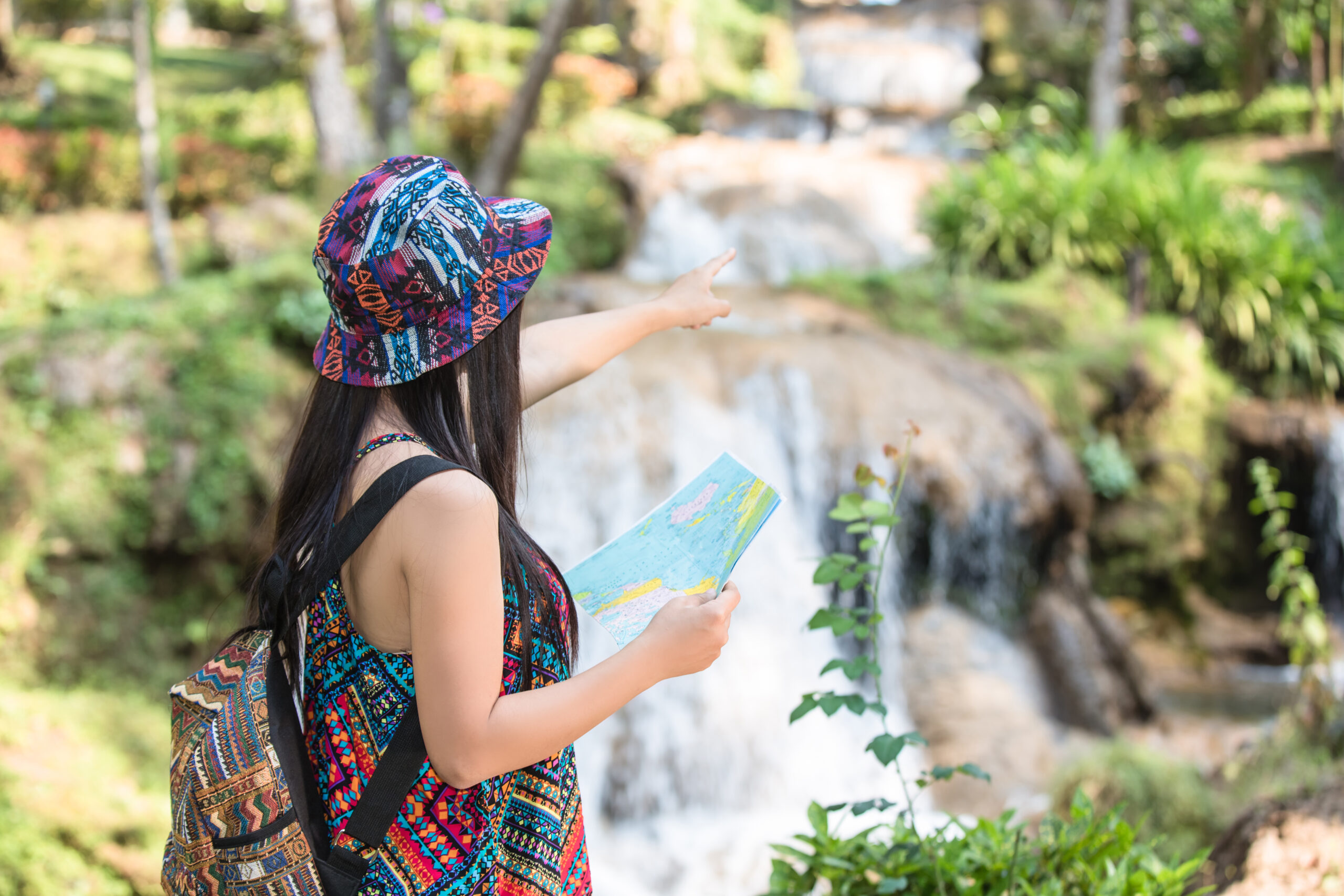
If you are planning a trip to one of the world’s most captivating islands, this Bali Travel Guide will help you create an unforgettable experience. Bali is often described as the Island of the Gods, and once you arrive, it is easy to see why. The island blends natural beauty, rich culture, and warm hospitality in a way that leaves a deep impression on everyone who visits.
This guide goes far beyond the usual tourist suggestions. It will help you understand the best times to visit, how to get around, where to stay, what to see, and how to travel respectfully. Whether you are a first-time traveler or someone returning for a deeper connection, this Bali Travel Guide will give you the insight you need to explore with confidence and purpose.
Why Bali Captures So Many Hearts
There are many tropical islands in the world, but Bali offers something rare. It is not only about the beaches and the sunsets, but about the spiritual energy that flows through its temples, villages, and ceremonies. The rhythm of daily offerings, the scent of incense in the air, and the way locals greet you with genuine warmth all make Bali feel alive in a different way.
Bali also stands out because it satisfies many kinds of travelers. You can surf at sunrise, meditate in a jungle retreat, climb a volcano, or enjoy world-class dining by night. Every corner of the island offers a new atmosphere. The southern beaches attract surfers and nightlife lovers, while the central highlands draw those who seek calm and reflection.
Best Time to Visit Bali
Your timing can shape the entire mood of your trip. Bali’s weather follows two clear seasons: dry and wet.
The dry season, from May to October, is generally the most pleasant. Days are sunny, the humidity is lower, and outdoor adventures like hiking or beach visits are at their best. The island feels vibrant and alive, yet not overwhelmingly hot.
The wet season, from November to March, brings short bursts of heavy rain that usually pass quickly. The landscape becomes greener, waterfalls are fuller, and the atmosphere feels calm. Although travel is still possible, it is wise to plan indoor activities or cultural visits for those occasional rainy afternoons.
If you want great weather without large crowds, the shoulder months of April and September are ideal. Prices drop slightly, beaches are quieter, and you can enjoy a more peaceful experience.
Whichever season you choose, Bali’s warm spirit remains the same.
Getting to Bali and Moving Around
Most travelers arrive through Ngurah Rai International Airport, located near Denpasar in southern Bali. From the airport, you can reach popular areas like Seminyak, Canggu, or Ubud in one to two hours depending on traffic.
Once you are on the island, transport is simple but requires a bit of planning.
Scooter rentals are common and inexpensive, but only recommended if you are confident in busy traffic. Always wear a helmet and make sure your travel insurance covers scooter use.
If you prefer more comfort, you can hire a private car with a local driver. This option allows flexibility and local insight. Many drivers double as informal guides and know hidden spots tourists often miss.
For short trips, ride-hailing apps are reliable and widely used. They are especially helpful around Denpasar, Canggu, and Seminyak.
Walking is possible in smaller towns like Ubud, but the distances between villages can be long, so plan accordingly.
Traffic can be dense during peak hours, especially in the southern region. Try to schedule early morning departures for day trips and avoid the late-afternoon rush.

Where to Stay: Finding Your Perfect Base
Bali’s charm lies in its diversity. Each region offers its own character and pace, so where you stay can shape your entire trip.
Ubud: The Cultural and Spiritual Heart
Ubud sits in the island’s lush interior and feels far from the noise of the coastal towns. It is surrounded by rice terraces, temples, and tropical forest. The atmosphere encourages slow mornings, yoga classes, and creative inspiration. Ubud is perfect for travelers who want to explore traditional art, meditation, or Balinese spirituality.
Canggu and Seminyak: Trendy and Social
On the western coast, Canggu and Seminyak have become the heart of Bali’s modern energy. Canggu is relaxed, filled with cozy cafes and surf schools. Seminyak is more upscale, known for fine dining, lively beach clubs, and stylish shops. Both are great if you want a social vibe with modern comforts.
Uluwatu and the Bukit Peninsula: Dramatic Coastlines and Surf
This southern region offers some of Bali’s most beautiful cliffs and beaches. Uluwatu is famous for its temple perched above the ocean and for its incredible sunsets. The area attracts surfers from around the world and travelers seeking quiet luxury in scenic resorts.
Northern and Eastern Bali: Peaceful and Authentic
If you want to escape crowds, the northern and eastern regions offer a slower pace. Villages like Sidemen or Amed provide a glimpse of traditional Balinese life surrounded by nature. These areas are ideal for relaxation, cultural immersion, and photography.
Many travelers split their stay between two or three regions to experience the island’s full variety. For example, spending a few days in Ubud followed by time near the coast creates a balanced trip.
Top Things to Do in Bali
Bali has more to offer than you could fit in one trip, but some experiences define the island. Here are the essential highlights to include in your journey.
1. Visit Iconic Temples
Bali is home to thousands of temples, each with unique charm. Tanah Lot is one of the most photographed, sitting on a rocky island at sunset. Uluwatu Temple offers sweeping ocean views and evening dance performances. Tirta Empul near Ubud allows visitors to participate in a traditional water purification ritual.
When visiting temples, dress respectfully and wear a sarong. Always move slowly, speak quietly, and avoid interrupting ceremonies.
2. Explore Rice Terraces and Nature Walks
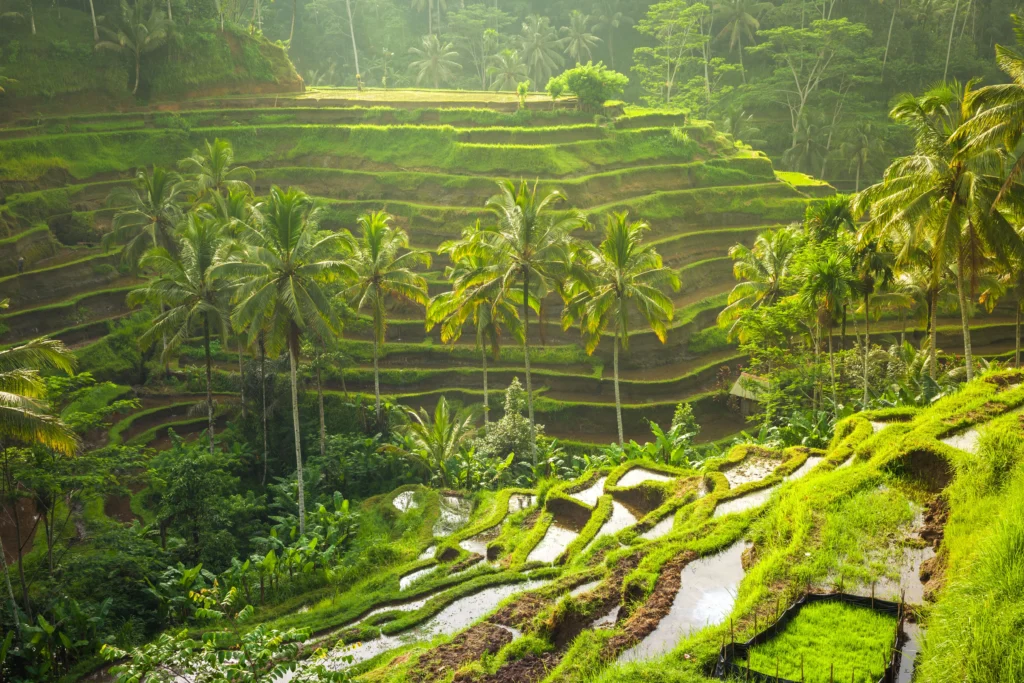
The Tegallalang Rice Terraces north of Ubud are world-famous for good reason, but smaller, lesser-known terraces offer peaceful walks without crowds. For adventure lovers, the Mount Batur sunrise hike provides stunning morning views above the clouds.
Bali’s interior also hides scenic waterfalls such as Tegenungan and Sekumpul. If you prefer gentle activity, cycling through villages and rice fields is a wonderful way to see daily life unfold.
3. Enjoy Beaches and Water Activities
Bali’s coastline offers something for everyone. Surfers can head to Kuta, Canggu, or Uluwatu for consistent waves. Families might prefer calmer beaches like Sanur or Nusa Dua. Snorkeling and diving trips are available from Amed or the Nusa Islands, where coral reefs are colorful and lively.
Avoid littering, respect marine life, and choose responsible tour operators that protect the environment.
Discovering Bali’s Culture and Heritage
Bali’s culture is rooted in a deep sense of spirituality, community, and art. Every village has its own temple, and each ceremony reflects devotion and gratitude. The rhythm of life here revolves around offerings, prayers, and celebration. You will often see locals placing small woven baskets filled with flowers, rice, and incense outside their homes or shops. These are known as canang sari, daily offerings to honor the gods and maintain balance between good and evil.
The sound of gamelan music fills the air during festivals, and traditional dance performances such as Barong and Legong tell stories from ancient epics. To truly experience Bali’s culture, visit Ubud Palace in the evening where dancers move gracefully to the echo of drums and flutes. The art scene here is thriving, and every corner of Ubud feels like a living gallery.
Balinese painting, wood carving, and silver jewelry are famous worldwide. Workshops in Ubud and Celuk let you try your hand at traditional crafts while learning from local artisans. This is not just about buying souvenirs—it is about connecting with the creative pulse of the island.
The Spiritual Side of Bali
Bali is known as the “Island of the Gods,” and once you visit its temples, you understand why. There are more than 20,000 temples across the island, each with its own history and energy. The most iconic ones include:
- Tanah Lot Temple: Perched on a rock formation by the sea, it offers stunning sunset views and a peaceful atmosphere.
- Uluwatu Temple: Located on a cliff overlooking the ocean, it is famous for its sunset Kecak dance performance.
- Besakih Temple: Known as the “Mother Temple,” it sits on the slopes of Mount Agung and is the largest and holiest temple in Bali.
- Tirta Empul: A sacred water temple where locals and tourists take part in a purification ritual in its natural springs.
Each temple visit is not just sightseeing; it is an invitation to slow down and absorb the calmness that defines Balinese spirituality. Dress respectfully by wearing a sarong and sash. Even a short visit to these temples can leave you feeling centered and at peace.
Nature Beyond the Beaches
Bali’s natural beauty extends far beyond its coastline. The island is a paradise for nature lovers who crave diversity—from emerald rice terraces to hidden waterfalls and volcano peaks.
Tegallalang Rice Terraces in Ubud are a must-see. The layered landscape glows in shades of green and gold depending on the sunlight. Walk along the narrow paths or relax in a café overlooking the terraces. Early morning visits offer cooler weather and quiet surroundings.
For a more immersive experience, trek to Mount Batur. It is an active volcano that offers one of the most breathtaking sunrise views in Asia. The climb starts around 3 a.m., but the reward of watching the sun rise above the clouds makes it worth every step.
If you love waterfalls, places like Sekumpul, Gitgit, and Tukad Cepung should be on your list. Each one has its own charm, from powerful cascades hidden in jungles to sunlit streams flowing through caves. Wear comfortable shoes, bring swimwear, and always respect the natural environment.
Exploring Bali’s Hidden Corners
Beyond the tourist hotspots lies the authentic Bali that few travelers see. The northern and eastern parts of the island are less crowded and feel more traditional. Villages like Sidemen and Amed offer serene landscapes, friendly locals, and a slower rhythm of life.
Sidemen is known for its lush valleys and quiet homestays surrounded by rice fields. You can learn how to cook Balinese dishes, join farming activities, or simply relax in the middle of nature. Amed, on the other hand, is perfect for snorkeling and diving. The coral reefs are colorful and vibrant, and you can even explore a shipwreck just off the coast.
For those who love mountain air and tranquility, Munduk in North Bali offers cool weather, misty hills, and hidden waterfalls. It is a great place for short hikes and village walks.
Local Cuisine: A Journey of Flavors
No Bali Travel Guide would be complete without talking about the food. Balinese cuisine is bold, spicy, and full of character. It reflects the island’s mix of cultures and influences.
You must try Nasi Campur, a plate of rice served with various side dishes such as vegetables, meat, and peanuts. Another local favorite is Babi Guling, a roasted suckling pig seasoned with herbs and spices. If you prefer seafood, Jimbaran Beach is famous for its fresh grilled fish served right by the water.
For a vegetarian option, Lawar and Sayur Urab are traditional vegetable dishes mixed with grated coconut and aromatic spices. Street food stalls, called warungs, offer affordable and authentic meals that taste like home-cooked comfort food.
Do not forget to try Kopi Luwak, one of the most expensive coffees in the world, made from beans that have been digested by civet cats. You can taste it at plantations near Ubud while learning about the process.
Bali’s Festivals and Events
If you visit Bali during a festival, you will witness its culture at its most vibrant. The two biggest celebrations are Nyepi and Galungan.
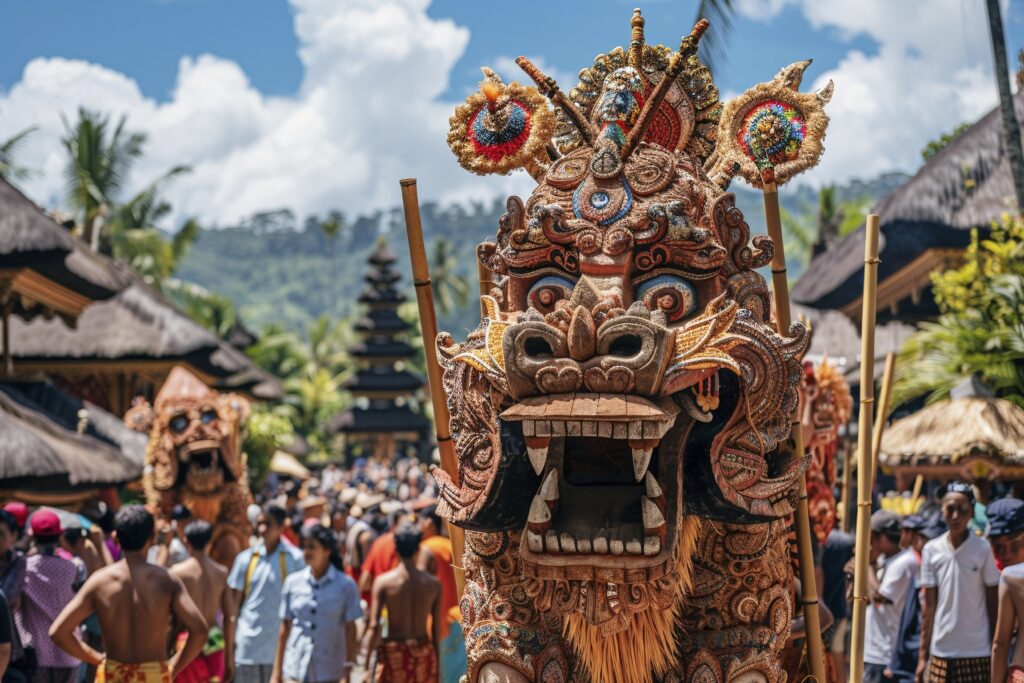
Nyepi, the Balinese New Year, is a day of silence, fasting, and meditation. The entire island shuts down for 24 hours—no traffic, no lights, no noise. Tourists are expected to stay indoors, which might sound unusual but is deeply peaceful. The night before Nyepi, massive paper effigies called Ogoh-Ogoh are paraded through the streets to chase away evil spirits.
Galungan celebrates the victory of good over evil. Villages are decorated with tall bamboo poles adorned with offerings. Families visit temples and share feasts together. The energy during these festivals is full of joy and togetherness.
Other notable events include the Bali Spirit Festival (focused on yoga and wellness), Ubud Writers and Readers Festival, and Bali Kite Festival, where the sky fills with colorful kites shaped like animals and gods.
Each festival adds a unique color to the island’s identity, giving you a chance to experience the true essence of Balinese life.
Adventure, Travel Tips, and the Final Word
The adventure side of Bali is just as exciting as its temples and beaches. Whether you crave surfing, diving, hiking, or just discovering places that most tourists miss, the island never disappoints. This final part of the Bali Travel Guide explores Bali’s adventurous activities, accommodation options, essential travel tips, and a few frequently asked questions to help you plan the perfect trip.
Adventures to Try in Bali
Bali is a paradise for thrill seekers. Its landscape offers everything from volcanic climbs to coral dives.
Surfing is one of the most popular activities here. Beaches like Kuta, Canggu, and Uluwatu attract surfers from all over the world. If you are new to surfing, Kuta Beach is perfect because of its gentle waves and plenty of instructors. Advanced surfers prefer Uluwatu or Padang Padang, where the waves are powerful and challenging.
If you love diving or snorkeling, head to Tulamben, where the famous USAT Liberty shipwreck lies just off the shore. The wreck is covered in corals and home to schools of colorful fish. The Menjangan Island in the northwest is another top spot with clear waters and vibrant marine life.
For those who love being surrounded by nature, white water rafting on the Ayung River offers a perfect mix of excitement and scenic views. The river winds through dense forests, passing waterfalls and traditional villages along the way.
Another unforgettable experience is cycling through the countryside. You can rent a bike and explore rice fields, temples, and local homes at your own pace. Many tours include lunch at a local family house, giving you a glimpse into Balinese hospitality.
If you prefer the sky to the ground, paragliding in Nusa Dua offers breathtaking views of cliffs and turquoise water. For something calmer, try yoga retreats in Ubud, where meditation and healing sessions help you reconnect with yourself in serene surroundings.
Where to Stay in Bali
Bali’s accommodation options suit every traveler’s budget and style.
For luxury seekers, Seminyak and Nusa Dua are ideal. You will find beachfront resorts, infinity pools, and fine dining restaurants. The Mulia, Ayana Resort, and W Bali are among the most loved by travelers for their comfort and elegance.
If you prefer something artistic and peaceful, Ubud offers boutique resorts, yoga retreats, and eco-lodges surrounded by rice terraces. Staying here gives you a calm atmosphere with easy access to temples and waterfalls.
Backpackers and solo travelers often choose Canggu or Uluwatu. Both areas have lively cafes, surf schools, and co-working spaces. The vibe is social but relaxed, making it easy to meet other travelers.
For those looking for a local touch, homestays and guesthouses across the island provide simple comfort and personal warmth at affordable prices. No matter where you stay, the Balinese hospitality always makes you feel at home.
Smart Travel Tips for a Smooth Trip
A Bali Travel Guide would not be complete without a few practical tips that make your journey easy and enjoyable.
- Visa and Entry: Most travelers receive a visa on arrival, valid for 30 days. Check the latest rules before flying.
- Currency: The local currency is the Indonesian Rupiah. Carry cash for small shops or rural areas, though cards are accepted in most tourist spots.
- Transport: Renting a scooter is the most common way to get around, but always wear a helmet. You can also use ride apps like Gojek or Grab for convenience.
- Best Time to Visit: April to October is dry season, offering sunny days and calm seas. November to March brings rain but fewer crowds.
- Respect Local Customs: Always dress modestly in temples, remove shoes before entering homes, and use your right hand when giving or receiving something.
- Health Precautions: Drink bottled water, use sunscreen, and carry mosquito repellent.
- Connectivity: Wi-Fi is widely available in cafes, hotels, and even beaches, making it easy to stay connected.
Following these tips helps you explore confidently while respecting the island’s traditions and people.
Responsible Tourism in Bali
Tourism is vital to Bali’s economy, but it also affects its environment. Travelers can play a role in keeping the island beautiful. Avoid single-use plastics, respect wildlife, and support local businesses. Simple choices like eating at family-run restaurants or buying handmade crafts help preserve Bali’s culture and economy.
Many communities now run eco-projects where visitors can volunteer for beach cleanups or tree-planting events. Joining such activities adds deeper meaning to your trip. The best memories often come from giving back to the place that welcomed you so warmly.
Final Thoughts
Bali is more than a destination. It is a living blend of spirituality, adventure, art, and nature that touches every traveler differently. Whether you come for beaches, temples, or peace of mind, Bali offers experiences that stay with you long after you leave.
Every sunrise over Mount Batur, every wave crashing in Uluwatu, every smile from a local tells you one thing—you are not just visiting Bali; you are becoming part of it.
So pack your curiosity, respect the island’s spirit, and let this Bali Travel Guide be your compass to an unforgettable journey. For official Bali travel and tourism updates you can also visit Love Bali – Bali Provincial Government
FAQs About Bali Travel Guide
What is the best time to visit Bali for a perfect vacation?
The best time to visit Bali is during the dry season from April to October. The weather is sunny, beaches are calm, and outdoor activities are easy to enjoy. However, if you prefer fewer crowds and lower prices, traveling between November and March can also be rewarding despite occasional rain.
Is Bali expensive for travelers?
Bali can be as affordable or as luxurious as you want it to be. You can find simple meals and guesthouses that fit a small budget or stay in five-star resorts with world-class amenities. Transportation and local food are generally inexpensive, which helps travelers manage their costs easily.
How safe is Bali for tourists?
Bali is considered one of the safest destinations in Southeast Asia. Petty theft can happen in crowded areas, so keep an eye on your belongings. Follow local laws, respect customs, and use registered taxis or ride apps for transportation to ensure a worry-free trip.
What should I not miss during my trip to Bali?
Do not miss watching the sunset at Uluwatu Temple, exploring Ubud’s rice terraces, diving at Tulamben, and trying local dishes such as Nasi Campur and Babi Guling. Visiting a traditional village or attending a Balinese ceremony also offers unforgettable cultural experiences.
Is Bali suitable for solo travelers?
Yes, Bali is a great destination for solo travelers. It is safe, easy to navigate, and full of friendly people. Many solo visitors join yoga retreats, surf camps, or community events where it is simple to meet others. The island’s mix of social and peaceful spots suits every travel style.
Do I need to book tours in advance?
It depends on the season and activity. For popular adventures like Mount Batur sunrise trekking or diving in Tulamben, booking a few days early helps you secure a spot. Many local operators also accept walk-ins, giving you flexibility once you arrive.
What makes this Bali Travel Guide different from others?
This Bali Travel Guide focuses on both depth and authenticity. It helps travelers go beyond popular attractions to experience the true culture, nature, and spirituality of Bali. Every section is written to give you value, not just information, so your journey becomes more meaningful and enjoyable.
Why should I trust this Bali Travel Guide for my trip?
You should trust this Bali Travel Guide because it provides real, experience-based advice on where to go, what to eat, and how to explore safely. It focuses on giving travelers practical tips and authentic insights that help make every Bali trip memorable and stress-free.
Related Content
https://exploretravel.blog/places-to-travel-in-december/
https://exploretravel.blog/top-15-amazing-attractions-verona-youll-love/