
Sri lanka travel is a journey that stays with you long after it ends. The island is not only a point on the map but a living story shaped by ocean winds, ancient kings, faith, and resilience. From the first moment you arrive, the country feels layered rather than loud. History sits quietly beside daily life, and nature moves at its own unhurried pace. This balance is what gives Srilanka travel its unique emotional pull.
What makes Sri Lanka especially compelling is how much it offers within a relatively small space. In a single day, you can watch the sun rise over misty mountains and set behind a golden beach. You can explore centuries old ruins in the morning and share tea with locals by evening. This compact richness creates an experience that feels intimate rather than overwhelming, allowing travelers to connect deeply with the land and its people.
Geography That Shapes Every Experience
Sri Lanka’s geography plays a powerful role in shaping how life unfolds across the island. The central highlands rise gently from the lowlands, creating a cool green heart that contrasts with the warm coastal plains. Rivers flow outward from these hills like veins, nourishing farmland and sustaining villages that depend on their steady rhythms.
The coastline stretches gracefully around the island, offering calm lagoons, dramatic cliffs, and long sandy beaches. Each coastal region feels distinct, influenced by monsoon patterns and local culture. The west coast is lively and social, while the east feels slower and more reflective. This geographic diversity allows Sri Lanka to offer something meaningful to every type of traveler, whether they seek adventure, rest, or reflection.
A History Carved in Stone and Memory
The history of Sri Lanka is ancient, complex, and deeply human. It reaches back over two thousand years, marked by powerful kingdoms that built vast cities from stone and brick. Places like Anuradhapura and Polonnaruwa were once centers of learning, trade, and spiritual life, and their ruins still carry a quiet dignity today.
Colonial influences later added new layers to this history. Portuguese, Dutch, and British rule left visible marks on architecture, language, and systems of governance. Rather than erasing earlier traditions, these influences blended into the cultural fabric. Modern Sri Lanka reflects this long journey, where the past is not hidden away in museums but lived daily through rituals, festivals, and shared memory.
Culture Rooted in Daily Life
Culture in Sri Lanka is not something you observe from a distance. It surrounds you in everyday moments, from the way people greet each other to how meals are prepared and shared. Family remains central, and respect for elders and teachers is deeply ingrained. Hospitality is sincere rather than performative, often expressed through simple gestures like offering tea or sharing fruit.
Religious traditions guide much of daily life. Buddhism plays a major role, especially in the southern and central regions, while Hinduism, Islam, and Christianity are also practiced widely. Temples, mosques, churches, and shrines often stand close together, reflecting a long history of coexistence. This spiritual diversity gives Sri Lanka a calm moral center that many visitors find grounding.
Languages That Carry Identity
Language in Sri Lanka reflects its layered identity. Sinhala and Tamil are the main national languages, each with its own literary heritage and cultural depth. English is widely spoken, especially in cities and tourist areas, making communication easier for international visitors while still preserving local expression.
What is especially striking is how language connects people to place. Proverbs, songs, and everyday expressions often reference nature, seasons, and shared history. Listening closely to conversations, even when you do not understand every word, reveals a strong sense of belonging and continuity that defines Sri Lankan identity.
Food as a Window Into the Soul
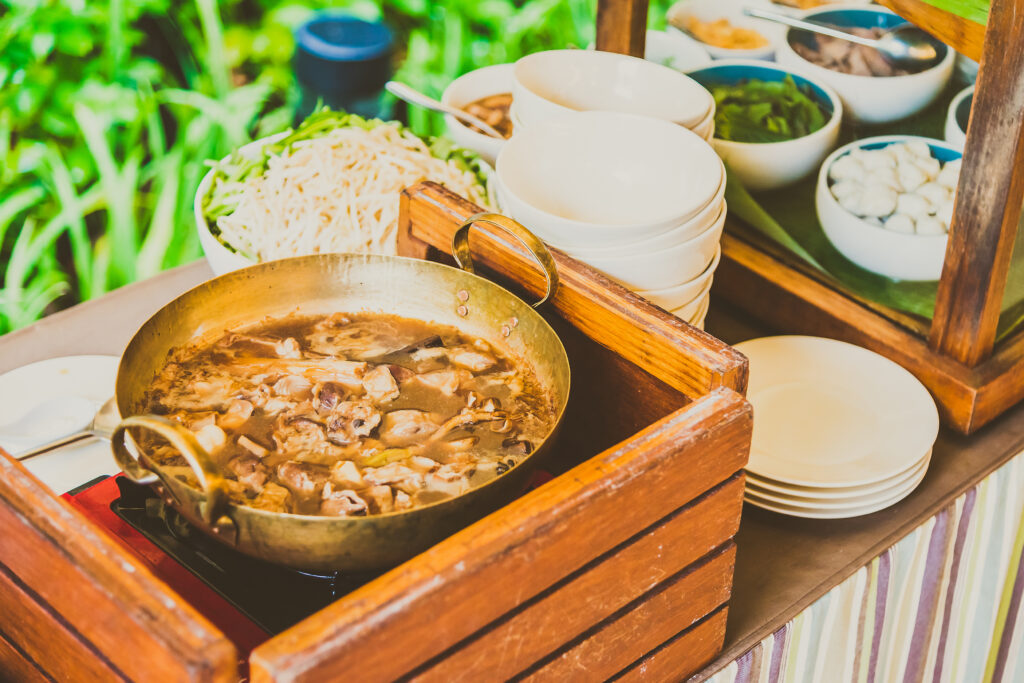
Sri Lankan food tells stories that words cannot fully capture. Meals are built around rice, accompanied by a variety of curries that balance spice, aroma, and texture. Coconut is used generously, lending richness and warmth to many dishes. The flavors are bold but thoughtful, designed to nourish rather than overwhelm.
Street food culture adds another layer of enjoyment. From crispy snacks sold at roadside stalls to sweet treats enjoyed during festivals, food becomes a social experience. Eating in Sri Lanka is rarely rushed. Meals invite conversation, laughter, and connection, reinforcing the idea that nourishment is both physical and emotional.
Nature Preserved and Respected
Sri Lanka’s natural environment is treated with a quiet respect that runs deep in cultural values. National parks protect elephants, leopards, birds, and countless plant species. These spaces are not simply tourist attractions but vital ecosystems that locals understand and value.
Rainforests, wetlands, and coral reefs add to the island’s ecological richness. Conservation efforts continue to grow, supported by local communities and international partners. For visitors, experiencing nature in Sri Lanka often feels personal and humbling, reminding them of the delicate balance between human life and the natural world.
Travel Infrastructure With a Human Touch
Traveling through Sri Lanka is an experience in itself. Trains wind slowly through tea plantations and valleys, offering views that feel almost meditative. Bus rides, while lively, provide insight into daily life and local humor. Roads connect even remote areas, making exploration accessible without feeling overly commercialized.
Accommodation options range from family run guesthouses to elegant heritage hotels. What unites them is a strong emphasis on personal care. Hosts often take pride in sharing local knowledge, helping visitors understand not just where to go but why places matter. This human touch transforms travel into genuine exchange.
Modern Challenges and Renewed Strength
Like many nations, Sri Lanka has faced significant challenges in recent years. Economic pressures and global disruptions tested the resilience of communities across the island. Yet what stands out is how people responded with cooperation, creativity, and hope.
Grassroots initiatives, local entrepreneurship, and renewed focus on sustainable tourism have begun to shape a more balanced future. Visitors who come with awareness and respect play a role in this recovery, contributing to livelihoods while gaining a deeper understanding of the country’s realities.
Why Sri Lanka Leaves a Lasting Impression
Sri Lanka is not defined by a single image or experience. It is the quiet smile of a tea picker, the echo of chants at dawn, the taste of spices lingering after a meal, and the feeling of time slowing just enough to let you breathe. These moments accumulate, creating a connection that feels personal and lasting.
For those willing to engage thoughtfully, Sri Lanka offers more than beauty. It offers perspective. It reminds travelers that richness is not measured only in landmarks but in relationships, stories, and shared humanity. This is why Sri Lanka continues to call people back, not just to visit again, but to understand more deeply.
For official travel guidance and destination information, the national tourism authority provides reliable resources at https://www.srilanka.travel.
Ancient Cities That Still Speak
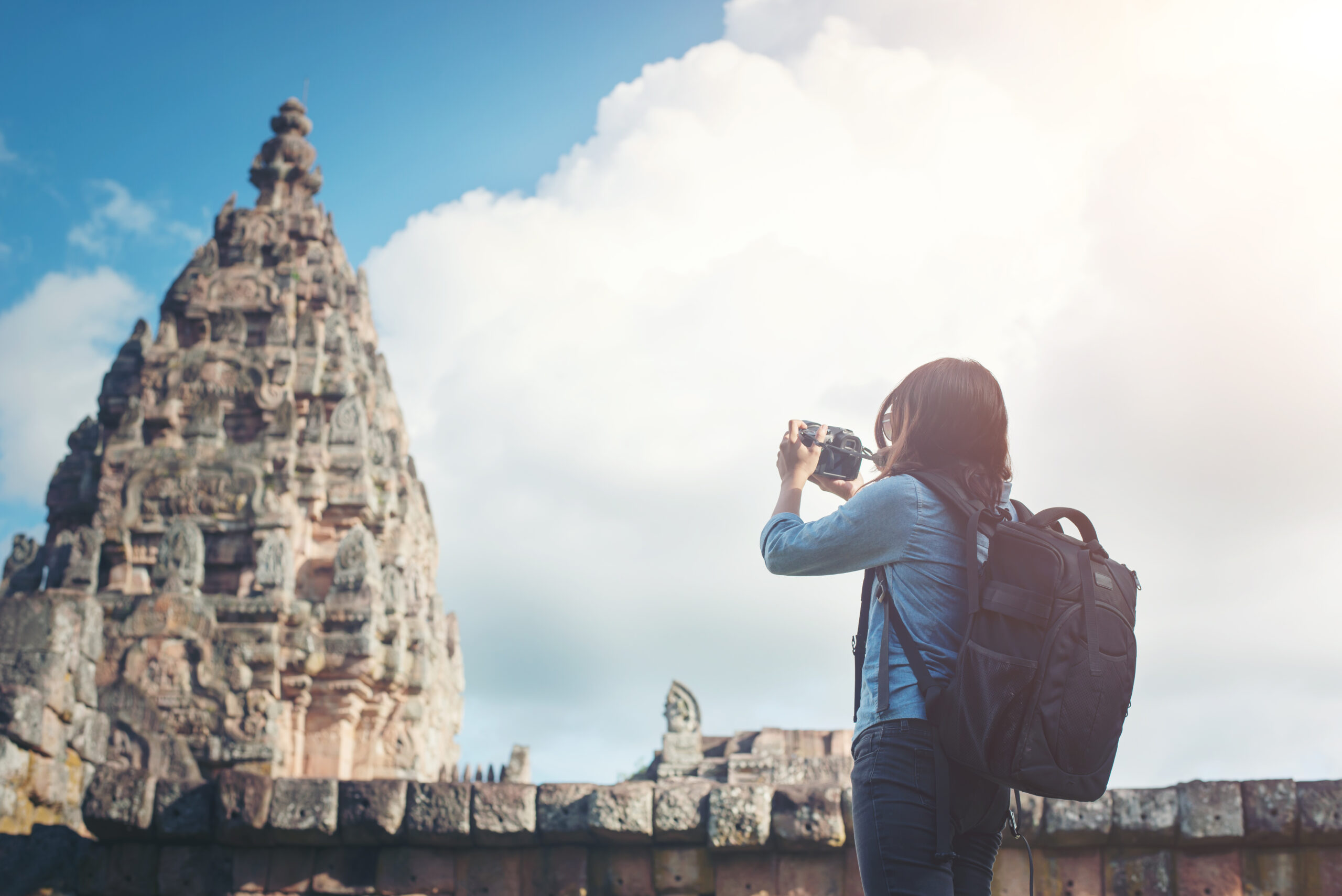
Sri Lanka’s ancient cities are not silent ruins but living reminders of human ambition and belief. Anuradhapura stands as one of the longest continuously inhabited cities in the world, where massive stupas rise from open plains and sacred trees are cared for with deep devotion. Walking through this city feels less like sightseeing and more like stepping into an ongoing spiritual rhythm that has lasted for centuries.
Polonnaruwa offers a different atmosphere, more compact yet equally powerful. Its stone carvings, royal baths, and colossal Buddha statues reflect a period of artistic confidence and refined planning. These cities matter because they reveal how Sri Lanka balanced power, faith, and environmental awareness long before modern concepts of sustainability existed.
The Central Highlands and the World of Tea
The central highlands shape both the climate and the character of Sri Lanka. Rolling hills, cool air, and misty mornings define regions like Nuwara Eliya and Ella. These landscapes feel calm and spacious, inviting long walks, quiet reflection, and slow conversations over warm cups of tea.
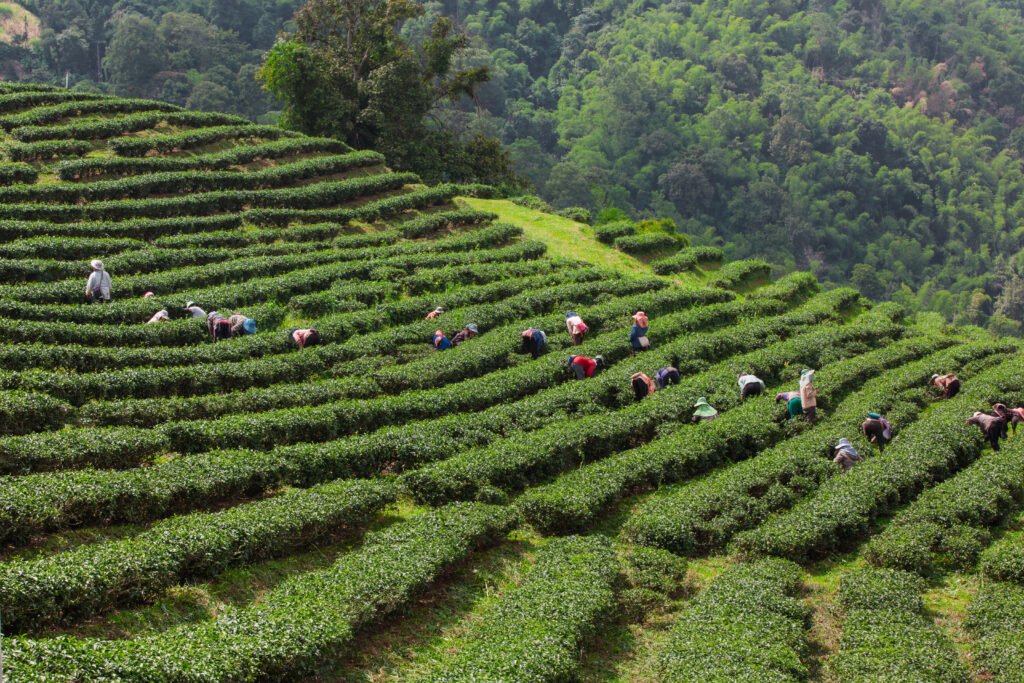
Tea is more than an export here. It is a way of life. Estates stretch across the hills like green waves, and generations of workers have shaped this land with care and skill. Visiting a tea factory or plantation reveals the human effort behind every cup. For deeper insight into the tea industry and its global role, the Tea Board of Sri Lanka provides authoritative information at https://www.srilankateaboard.lk.
Coastal Life and Ocean Rhythms
Life along the coast of Sri Lanka moves to the rhythm of the sea. Fishing villages wake before dawn, and beaches slowly come alive as the day unfolds. The west and south coasts are known for social energy, cafes, and surfing culture, while the east coast feels quieter and deeply connected to tradition.
The ocean influences food, livelihoods, and belief systems. Fresh seafood is prepared with simple confidence, and coastal temples often face the sea as a sign of respect. For travelers, coastal Sri Lanka offers both relaxation and insight into how communities adapt to nature’s cycles rather than trying to control them.
Wildlife Encounters That Feel Ethical
Sri Lanka is one of the best places in Asia to experience wildlife responsibly. National parks such as Yala, Wilpattu, and Udawalawe protect diverse ecosystems where animals live freely in their natural habitats. Safaris here focus on observation rather than spectacle, creating experiences that feel respectful and grounded.
Elephants are especially significant, both culturally and ecologically. Seeing them roam across open land reinforces the importance of conservation efforts led by local experts. Information on wildlife protection and biodiversity can be explored further through the Department of Wildlife Conservation at https://www.dwc.gov.lk, a trusted official source.
Festivals That Unite Communities
Festivals in Sri Lanka are expressions of collective identity rather than isolated events. Vesak, which celebrates the life of the Buddha, transforms cities and villages with lanterns, light, and generosity. Streets become places of sharing, where free food and kindness are offered to all without expectation.
Hindu, Muslim, and Christian festivals are celebrated with equal sincerity. These events reveal how diversity functions in daily life rather than only in theory. Participating respectfully allows visitors to witness unity built on shared space and mutual understanding.
Art, Craft, and Local Expression
Traditional arts in Sri Lanka remain closely tied to community life. Handloom textiles, wood carving, mask making, and pottery continue through family lineages. These crafts are not frozen in time but adapt gently to modern needs while preserving core techniques.
Supporting local artisans creates meaningful exchange. Markets and small workshops provide opportunities to learn the stories behind each object. These interactions remind visitors that art in Sri Lanka is not about decoration alone but about identity, survival, and pride.
Urban Energy in Colombo
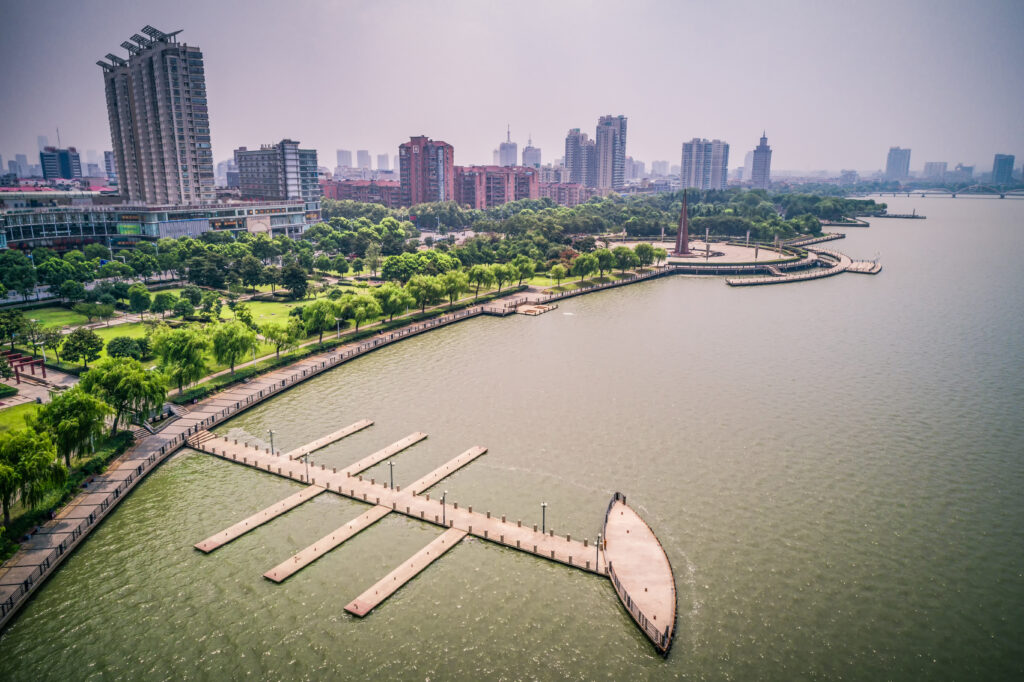
Colombo reflects the modern face of Sri Lanka, dynamic yet layered. Colonial buildings stand beside glass towers, and street food vendors operate near luxury hotels. This contrast creates a city that feels real rather than curated.
Cafes, galleries, and public spaces show how young creatives are shaping new narratives. Colombo is also where national conversations about growth, sustainability, and culture intersect. Spending time here helps visitors understand how Sri Lanka negotiates tradition and change in real time.
Responsible Travel and Local Impact
Travel in Sri Lanka carries responsibility. Choosing local guides, family owned stays, and ethical experiences directly supports communities. Sustainable tourism is not just a concept here but a practical necessity that affects livelihoods and environments.
Visitors who approach travel with awareness often leave with stronger connections and clearer memories. Sri Lanka rewards curiosity and respect, offering depth to those who seek it. Official guidance on responsible travel practices can be found through the Sri Lanka Tourism Development Authority at https://www.sltda.gov.lk.
Practical Travel Insights for Visitors
Experiencing Sri Lanka fully requires planning that balances curiosity with comfort. Transportation is varied and accessible, from trains that glide through tea plantations to buses that connect towns and villages. While trains offer scenic and relaxing journeys, buses provide insight into daily life. Hiring a car with a local driver can be ideal for more remote areas, ensuring flexibility while supporting local employment.
Accommodations range widely, from family run guesthouses to boutique hotels and luxury resorts. Choosing locally owned stays not only enhances cultural immersion but also directly benefits communities. Meals are best explored at small restaurants and street stalls, where flavors are authentic and preparation reflects local traditions. Travelers are encouraged to ask about ingredients and preparation methods to engage respectfully with culinary practices.
Experiences That Define Sri Lanka
Sri Lanka is a place where experiences remain memorable because they involve all the senses. Watching the sun rise over Sigiriya Rock, climbing its ancient steps, and feeling the weight of history is an unforgettable encounter. Exploring the sacred city of Kandy, with its temple of the tooth relic, provides insight into religious devotion and architectural beauty. Wildlife safaris in Yala or Udawalawe reveal both the majesty of animals and the importance of conservation.
Adventure seekers can surf on the southern coast, hike through Horton Plains, or dive into coral reefs along the east coast. Each activity offers a balance of excitement and reflection. Cultural experiences, such as attending a traditional dance performance or participating in local festivals, create connections that extend beyond sightseeing. Every interaction, whether with people or nature, deepens understanding of Sri Lanka’s rhythms and values.
Health and Safety Considerations
Visitors to Sri Lanka should prioritize health and safety while traveling responsibly. Vaccinations may be recommended for certain regions, and it is important to drink safe water and eat freshly prepared foods. Roads in rural areas can be challenging, so travelers are advised to use reliable transport and remain attentive when navigating traffic. Travel insurance and local guidance help ensure both security and peace of mind.
Respect for local customs is equally essential. Modesty in attire, especially when visiting temples or religious sites, and courteous behavior toward elders and community members, demonstrates awareness and consideration. Following these guidelines enriches interactions and ensures a smoother, more meaningful journey.
Connecting With Local People
What truly makes Sri Lanka memorable is its people. Hospitality is genuine, and small gestures often carry deeper meaning. Conversations with locals, whether about daily life, traditional crafts, or personal stories, reveal the strength and warmth that define communities. Asking questions respectfully and listening attentively creates experiences that are both insightful and transformative.
Travelers who invest time in understanding the cultural context often leave with more than photographs; they carry stories and perspectives that broaden their own worldview. This human connection is one of the most valuable aspects of a visit to Sri Lanka, creating lasting impressions that cannot be measured in typical tourist terms.
Environmental Awareness and Sustainable Travel
Sri Lanka’s natural beauty depends on careful stewardship. Many destinations emphasize conservation, from forest reserves to coastal mangroves. Visitors are encouraged to minimize plastic use, respect wildlife, and follow designated paths in natural areas. Choosing eco friendly tours and accommodations further supports sustainability and local economies.
Understanding environmental priorities also enhances appreciation for the landscapes themselves. Recognizing how local communities manage resources, from water and soil to forest and marine life, adds depth to the travel experience. For authoritative information, travelers can consult the Ministry of Environment of Sri Lanka at https://www.environmentmin.gov.lk.
Personal Reflections and Travel Philosophy
Traveling in Sri Lanka is as much about internal discovery as external exploration. The island encourages patience, observation, and appreciation for subtleties that may be missed in hurried journeys. The warmth of people, the serenity of landscapes, and the persistence of traditions inspire reflection and perspective. Many visitors return home with a renewed sense of balance, having experienced a place where life flows with intention and respect.
Approaching Sri Lanka with mindfulness creates a richer journey. Observing without judgment, engaging with curiosity, and embracing simplicity allows travelers to connect deeply with the culture and environment. Each encounter, whether a shared meal or a conversation with a guide, carries significance beyond immediate experience.

Frequently Asked Questions About Sri Lanka
What is the best time to visit Sri Lanka?
The best time depends on the region. The southwest coast and central highlands are ideal from December to March, while the east coast shines from April to September. This seasonal variation allows travelers to plan according to preferred activities and weather.
Is Sri Lanka safe for international travelers?
Sri Lanka is generally safe for tourists. Normal precautions such as securing personal belongings, avoiding unlit areas at night, and using reliable transport are recommended. Being aware of local customs and respectful of traditions enhances safety and enjoyment.
What languages are commonly spoken in Sri Lanka?
Sinhala and Tamil are the national languages, and English is widely understood in urban and tourist areas. Learning a few local phrases can enrich interactions and demonstrate respect for culture.
How can travelers experience authentic Sri Lankan culture?
Engaging with local communities, visiting small villages, participating in festivals, and choosing family run accommodations provide genuine cultural exposure. Observing rituals and listening attentively to local stories deepens understanding and connection.
What are must see destinations in Sri Lanka?
Key highlights include the ancient cities of Anuradhapura and Polonnaruwa, the central highlands with Nuwara Eliya and Ella, Sigiriya Rock, Kandy and its temple of the tooth relic, Yala and Udawalawe for wildlife, and coastal towns such as Mirissa and Trincomalee.
How does Sri Lanka support sustainable tourism?
Sri Lanka promotes responsible travel through conservation programs, eco tours, and community initiatives. Travelers can support these efforts by choosing environmentally conscious accommodations, minimizing waste, and respecting protected areas.
Where can travelers find official guidance and updates about visiting Sri Lanka?
Reliable information is available through the Sri Lanka Tourism Development Authority at https://www.sltda.gov.lk and the national tourism site at https://www.srilanka.travel.