Travelling through Colombia is not just about moving across a country. It is about entering a world where history, nature, and human warmth exist side by side. Colombia feels alive in a way that few places do, with energy that comes from its people as much as its landscapes. From mountain cities to coastal towns, every region offers a different mood, yet all of them share a sense of openness that makes visitors feel welcome rather than distant.
What makes Travelling through Colombia unique is how deeply personal it can become. Instead of rushing from one attraction to another, travelers often find themselves slowing down to listen, observe, and connect. Colombia invites curiosity and patience. The more time you give it, the more it reveals. This is not a destination that can be understood in a hurry. It rewards those who approach it with attention and respect.
Colombia Beyond Old Narratives
For many years, Colombia was seen through a narrow lens shaped by conflict and misunderstanding. Today, the reality is far richer and far more hopeful. The country has undergone profound transformation, building safer cities, stronger communities, and a vibrant cultural identity. Travelers who arrive with outdated expectations are often surprised by the creativity and confidence they encounter.
Travelling through Colombia means discovering a nation that has reclaimed its voice. Art, music, literature, and entrepreneurship flourish in both large cities and small towns. People are proud of their heritage and eager to share it. Conversations with locals often reveal a deep sense of resilience and optimism. This emotional layer is as important as any landscape or landmark, and it changes the way visitors understand the country.
Geography That Shapes Every Experience
Colombia is one of the most geographically diverse countries in the world. High mountains, dense forests, fertile valleys, long coastlines, and vast rivers coexist within its borders. This diversity affects climate, culture, and daily life. In one journey, travelers may experience cool mountain air, tropical heat, and rainforest humidity, sometimes within the same week.
When Travelling through Colombia, geography influences how you move and what you feel. Roads wind through mountains, boats connect remote communities, and flights link distant regions. Distances can feel longer than expected, yet the journey itself often becomes a highlight. Watching clouds drift over coffee plantations or seeing the sun rise above the Andes creates moments that feel intimate and unforgettable.
To better understand the natural and cultural richness of Colombia, official tourism resources offer valuable insight into regions and experiences. One reliable source is https://www.colombia.travel which provides detailed information about destinations, traditions, and travel planning across the country.
The Rhythm of Colombian Life
Colombian life moves at a rhythm shaped by conversation, family, and community. People value presence and connection more than speed. Greetings are warm, conversations are expressive, and shared meals carry emotional meaning. This rhythm may feel unfamiliar to travelers used to faster environments, yet it often becomes one of the most memorable aspects of the journey.
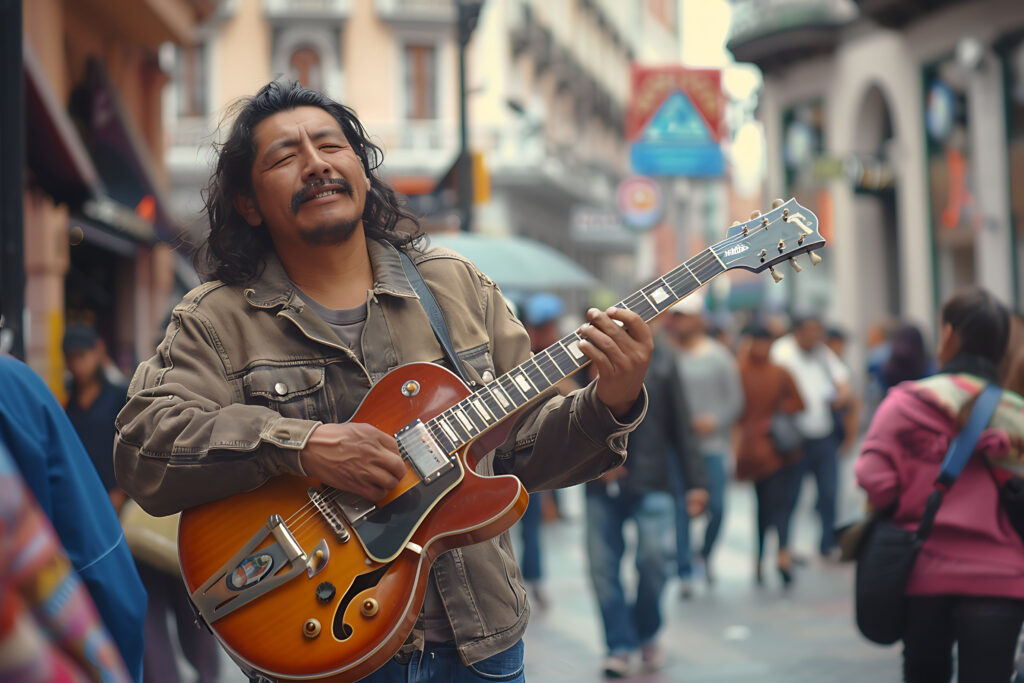
Travelling through Colombia allows visitors to step into this rhythm rather than observe it from a distance. Sitting in a small cafe, talking with a shop owner, or listening to street musicians reveals how deeply culture is woven into everyday life. These moments may seem simple, but they create a sense of belonging that transforms travel into something more than movement.
Cities That Tell Different Stories
Colombian cities are not defined by a single identity. Each one tells a different story shaped by geography, history, and social change. Bogota reflects intellectual depth and artistic ambition. Medellin represents innovation and community renewal. Cartagena embodies history and coastal elegance. Smaller cities and towns add their own voices, often quieter but equally meaningful.
Travelling through Colombia becomes richer when cities are explored beyond famous landmarks. Neighborhoods, local markets, libraries, and public spaces reveal how people actually live. Urban Colombia is not only about architecture or nightlife. It is about ideas, creativity, and everyday resilience that give each city its unique character.
Landscapes That Feel Alive
Nature in Colombia is not distant or decorative. It is present in daily life, shaping routines and emotions. Mountains influence weather and agriculture. Rivers connect communities. Forests preserve ancient ecosystems. Beaches offer both relaxation and cultural identity. This closeness to nature creates a sense of harmony that many travelers find refreshing.
When Travelling through Colombia, landscapes often feel like companions rather than backdrops. Hiking through cloud forests, walking along quiet beaches, or exploring rural valleys brings travelers into direct contact with the environment. These experiences encourage reflection and awareness, turning natural beauty into something deeply personal.
For those who want historical and geographical context to deepen their understanding, https://www.britannica.com provides reliable background on Colombia, its history, and its cultural development.
The Emotional Impact of the Journey
Many travelers expect to remember Colombia for its scenery. Instead, they often remember how it made them feel. The warmth of strangers, the pride of communities, and the sense of renewal present in many regions create an emotional connection that lasts long after the trip ends. Colombia does not simply offer experiences. It offers perspective.
Travelling through Colombia can change how people think about travel itself. Rather than focusing on destinations alone, visitors begin to value moments of connection, silence, and conversation. The country teaches patience and curiosity in subtle ways. By the end of the journey, many travelers realize that Colombia has not only shown them new places but has also changed how they see the world.
Moving Across the Country with Purpose
Travelling through Colombia is shaped by how you move between regions. Transportation is not simply a tool but a window into daily life. Domestic flights connect major cities quickly, making it easier to cover long distances in a short time. Buses remain the most common way locals travel, offering affordability and access to smaller towns that flights cannot reach.
Road journeys reveal Colombia at a human pace. You pass farmland, mountain villages, roadside cafes, and changing landscapes that show how geography influences lifestyle. While travel times can be longer than expected, these journeys often become moments of reflection. Travelling through Colombia teaches patience and rewards those who see movement as part of the experience rather than an obstacle.
Understanding Regional Diversity
Colombia cannot be understood as a single culture. Each region has its own identity shaped by climate, history, and ancestry. The Caribbean coast feels expressive and rhythmic, with strong African influences in music and cuisine. The Andean regions tend to feel introspective and grounded, shaped by mountains and agricultural traditions.
Travelling through Colombia becomes richer when travelers adjust expectations with each region. Language accents change, food preferences shift, and social norms adapt to local values. Recognizing and respecting these differences allows visitors to engage more meaningfully. Instead of comparing regions, travelers learn to appreciate how each contributes to the country as a whole.
Life Beyond Major Cities
While cities attract attention, rural Colombia often leaves the deepest impression. Small towns and countryside communities offer a slower pace and a strong sense of belonging. People greet strangers with curiosity rather than suspicion, and daily life revolves around family, land, and shared routines.
Travelling through Colombia in rural areas highlights the importance of tradition. Farming schedules shape daily rhythms, and local festivals bring entire communities together. Staying overnight rather than passing through allows travelers to experience genuine hospitality and understand how deeply values are rooted in place and history.
Food as a Reflection of Identity
Colombian food is simple, regional, and deeply tied to geography. Coastal areas emphasize fish, rice, and coconut, while mountain regions favor hearty soups, beans, and corn based dishes. Ingredients are local and seasonal, reflecting centuries of adaptation to environment and climate.
Travelling through Colombia becomes more intimate through food. Eating at small family run restaurants or local markets opens conversations about recipes, childhood memories, and regional pride. Food is rarely rushed and often shared. It becomes a way to connect without formality, allowing travelers to feel included rather than observed.
Social Etiquette and Cultural Awareness
Colombian culture values warmth, respect, and presence. Greetings matter, and taking time to acknowledge people is considered polite rather than inefficient. Conversations often begin with personal questions that reflect interest, not intrusion. Understanding this helps travelers navigate interactions with confidence.
When Travelling through Colombia, cultural awareness enhances both safety and enjoyment. Dressing appropriately for different regions, being mindful with valuables, and listening to local advice shows respect. These small gestures build trust and often lead to kindness in return. Cultural understanding turns travel into exchange rather than observation.
Safety Through Awareness and Confidence
Safety is a common concern for visitors, yet the reality is more balanced than many expect. Colombia has made significant progress in public safety, especially in areas frequented by travelers. Like anywhere, awareness matters more than fear. Knowing where you are and how locals behave provides guidance.
Travelling through Colombia feels safer when travelers blend common sense with confidence. Using registered transport, avoiding isolated areas late at night, and following local recommendations create a sense of control. Most Colombians take pride in helping visitors feel welcome and secure, which adds reassurance throughout the journey.
Nature as a Daily Presence
Colombia is one of the most biodiverse countries in the world, and nature is never far away. National parks, rivers, forests, and coastlines are woven into everyday life rather than set apart. Wildlife sightings often happen unexpectedly, reminding travelers of the country’s ecological richness.
Travelling through Colombia allows nature to shape the pace of travel. Activities like hiking, swimming, and wildlife observation encourage mindfulness and presence. Conservation efforts play an important role in preserving these environments. For broader context on biodiversity and environmental protection, https://www.worldwildlife.org offers valuable insights that align with responsible travel values.
Human Connection at the Heart of the Journey
Travelling through Colombia often leaves travelers thinking less about places and more about people. Colombians are open in a way that feels sincere rather than performative. Conversations begin easily and often deepen without effort. A short exchange in a taxi or a small shop can turn into a thoughtful discussion about life, family, or dreams for the future. These interactions create a sense of shared humanity that stays with visitors long after they leave.
What makes these connections meaningful is the absence of pretense. People are not trying to impress or sell an image. They are simply present. Travelling through Colombia becomes emotionally rich when travelers allow space for these moments. Listening matters more than speaking. Curiosity matters more than knowledge. This human warmth is one of the country’s most enduring gifts.
Art, Music, and Creative Expression
Creativity in Colombia is not confined to museums or concert halls. It lives in streets, neighborhoods, and everyday routines. Murals tell stories of memory, struggle, and renewal. Music flows naturally from homes, buses, and public squares, reflecting African, Indigenous, and European influences blended into something distinctly Colombian.
Travelling through Colombia reveals how art functions as communication and healing. Creative expression often emerges from history and lived experience, giving it emotional depth. Whether attending a small live performance or simply observing street art, travelers gain insight into how Colombians process identity and change. Art here is not decoration. It is conversation.
Responsible Travel and Shared Stewardship
Colombia’s natural and cultural wealth carries responsibility for both locals and visitors. Tourism plays a growing role in supporting communities and conservation, but only when approached thoughtfully. Responsible travel means understanding that presence has impact, both positive and negative.
When travelling through Colombia, choosing locally owned accommodations, respecting cultural boundaries, and minimizing environmental footprint contribute to long term sustainability. Many communities depend on tourism income while also protecting fragile ecosystems. Supporting ethical practices allows travelers to participate in preservation rather than consumption. Responsible choices turn travel into partnership rather than extraction.
Practical Preparation for a Smooth Experience
Good preparation enhances freedom while travelling through Colombia. Carrying copies of important documents, keeping modest amounts of cash, and learning basic Spanish phrases reduce friction. Internet access is reliable in most cities and towns, making navigation and communication easier than many expect.
Health and comfort considerations are straightforward. Staying hydrated, using sun protection, and adjusting to altitude gradually help prevent common issues. Travelling through Colombia does not require extreme caution, only adaptability and awareness. Preparation allows travelers to focus on experience rather than logistics.
Why Colombia Stays with You
Many travelers describe Colombia as a place that lingers in memory. This is not only because of landscapes or cities, but because of how the journey feels. There is a sense of sincerity that runs through daily interactions and shared moments. The country does not try to impress. It invites engagement.
Travelling through Colombia often reshapes expectations about travel itself. Visitors learn to value depth over speed and connection over checklists. Colombia rewards those who arrive with openness and leave with humility. The experience becomes less about where you went and more about who you met and how you changed.
Frequently Asked Questions About Travelling through Colombia
Is travelling through Colombia suitable for solo travelers
Yes, travelling through Colombia works well for solo travelers who value connection and awareness. Hostels, tours, and shared transport create natural opportunities to meet others. By staying observant and following local advice, solo travelers often find Colombia welcoming and engaging.
How expensive is travelling through Colombia compared to other destinations
Travelling through Colombia is generally affordable, especially when compared to North America or Europe. Accommodation, food, and transport offer good value without sacrificing quality. Costs vary by region, with major cities and tourist areas being slightly higher.
Do I need to know Spanish before travelling through Colombia
While Spanish enhances the experience, it is not essential. Many people in tourist areas speak some English, and communication often happens through patience and goodwill. Learning basic phrases shows respect and often leads to warmer interactions while travelling through Colombia.
What kind of traveler enjoys travelling through Colombia the most
Travelling through Colombia suits curious travelers who enjoy cultural exchange and flexibility. Those who value conversation, local life, and meaningful experiences tend to connect deeply with the country. It is ideal for travelers who prefer engagement over observation.
Is Colombia safe for long term travel
Colombia can be safe for extended stays when travelers remain informed and attentive. Choosing reputable transport, listening to local guidance, and maintaining awareness help create a secure experience. Travelling through Colombia long term allows deeper understanding and stronger connections.