
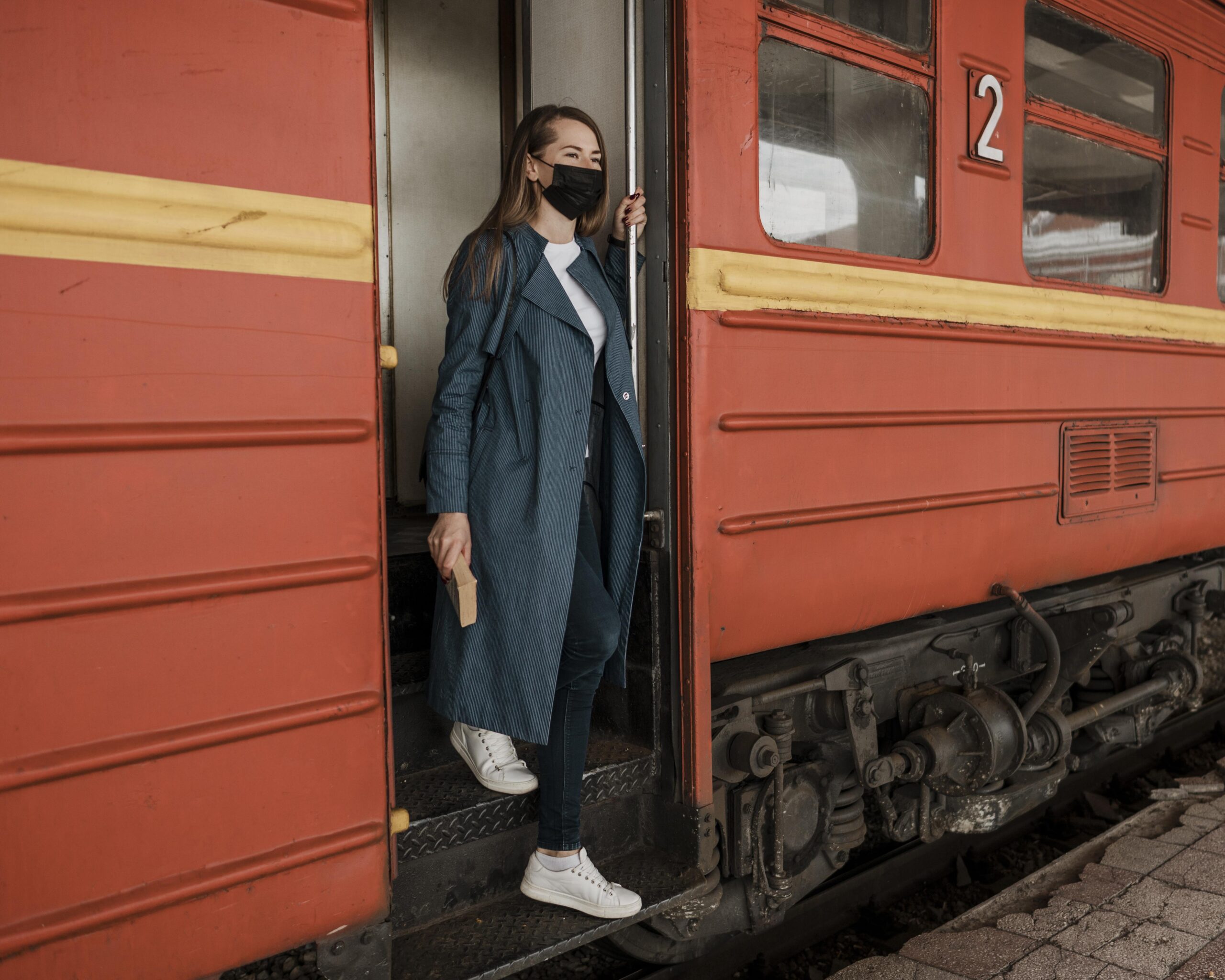
Travel from Venice to Florence by train is one of the most convenient ways to experience Italy. The journey combines speed, comfort, and scenic beauty while dropping you directly in the heart of both cities. Trains provide a practical alternative to driving or buses, saving time and letting you enjoy the countryside rather than worrying about traffic or parking.
Trains in Italy are reliable, frequent, and equipped with modern amenities. Venice’s Santa Lucia station places you right among canals and historic architecture, while Florence’s Santa Maria Novella station puts you within walking distance of the city’s iconic landmarks. For travelers who want efficiency and ease, train travel is an excellent choice.
Why Train Travel Makes Sense
Choosing to travel from Venice to Florence by train offers several advantages. Trains are fast and avoid city traffic, meaning you can maximize sightseeing time. They are also flexible, with multiple departures daily and options for first class, business, and standard seating. Onboard amenities such as wi fi, power outlets, and quiet cars make the journey more comfortable.
Another benefit is the opportunity to enjoy Italy’s landscapes. From the flat plains of Veneto to the rolling hills of Tuscany, the route offers a unique window into regional scenery that would be impossible to experience from a plane. Watching the countryside glide by allows you to relax and transition from Venice’s canals to Florence’s Renaissance streets.
Overview of the Route
The distance between Venice and Florence is approximately 260 kilometers. High-speed trains take around 1 hour and 40 minutes, while slower intercity trains can take up to 3 hours. Most direct trains pass through Bologna, a convenient transfer point for alternative routes or stops along the way.
Trains are operated primarily by Trenitalia (www.trenitalia.com) and Italo (www.italotreno.it), both offering reliable schedules, multiple fare options, and online ticketing. High-speed trains like Frecciarossa or Italo provide the fastest journey, while intercity trains offer a slightly slower but often more economical option.
Train Types and Classes
Several types of trains connect Venice and Florence. High-speed trains are ideal for travelers who value speed and comfort. They feature spacious seating, onboard service, and reserved seats. Intercity trains are slightly slower but still comfortable and may suit travelers who want a balance between cost and convenience. Regional trains stop frequently and take longer, but they allow for exploring smaller towns along the way.
Classes range from standard to executive. Standard class offers sufficient comfort for most passengers. Business and premium classes provide more space, quieter cars, and extra amenities such as complimentary beverages or priority boarding. Choosing the right class depends on your priorities, whether speed, comfort, or cost.
Venice Santa Lucia Station
Venice Santa Lucia station is a striking entry point to the city. Situated on the Grand Canal, it provides immediate access to Venice’s famous canals, historic buildings, and charming streets. The station has luggage storage, cafes, and seating areas to make your wait comfortable. Staff are helpful, and signage is clear for first-time visitors. Arriving at Santa Lucia allows you to start your Venice exploration instantly without additional transport.
Florence Santa Maria Novella Station
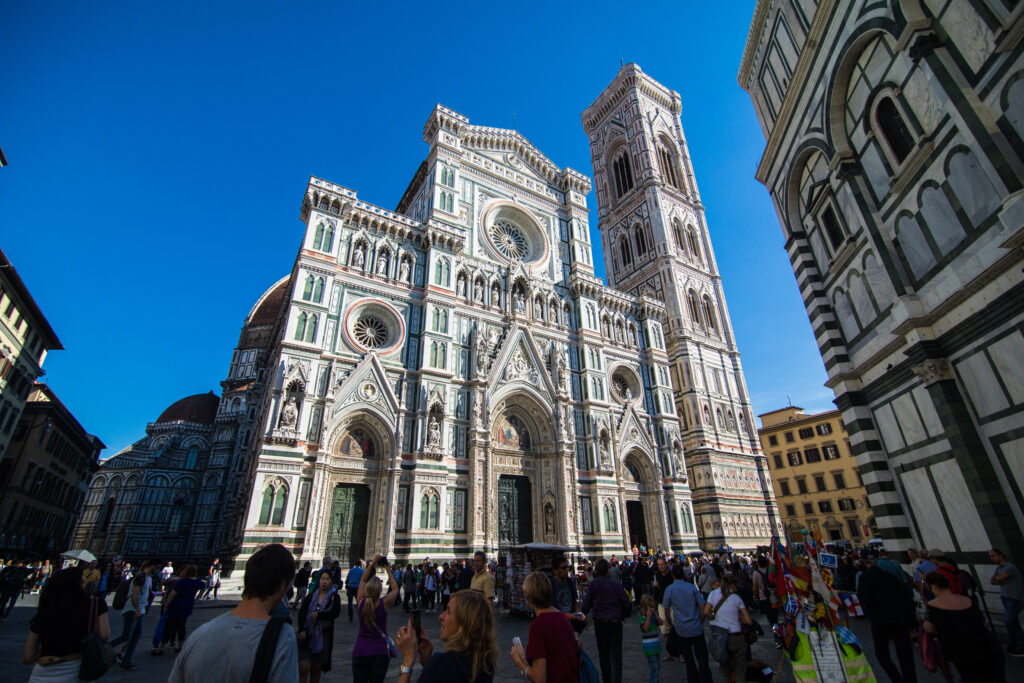
Florence Santa Maria Novella station places you in the heart of the city. Within minutes, you can reach landmarks like the Duomo, Ponte Vecchio, and major museums. The station offers luggage storage, ticket counters, cafes, and clear directions for taxis or buses. Its central location is a major reason train travel is preferred, allowing visitors to arrive and start exploring immediately.
Packing and Seat Tips
For this journey, a small day pack is sufficient. Bring essentials such as water, snacks, a book, or electronics. For comfort, a light sweater is recommended because train temperatures vary. Window seats offer scenic views, while seats around tables are ideal for work or travel companions. Avoid seats near restrooms or doors if you prefer a quieter ride.
Scenic Highlights
One of the joys of this route is the scenery. The train passes fields, vineyards, olive groves, and small towns with characteristic red-tiled roofs. This visual experience is a subtle way to enjoy Italy’s charm and makes the journey feel part of your trip rather than just transportation.
Booking Tickets Made Simple
Booking tickets for the journey from Venice to Florence by train is straightforward. You can reserve online through Trenitalia (www.trenitalia.com) or Italo (www.italotreno.it), which both provide clear schedules, fare options, and seat selections. When booking, choose your departure from Venice Santa Lucia and arrival at Florence Santa Maria Novella. The websites allow you to select your travel date, class, and preferred time. After payment, you receive a digital ticket to print or store on your phone.
Booking early is recommended for high-speed trains, especially during peak tourist seasons or holidays. Advance purchase often secures lower fares and guarantees preferred seating. For travelers who prefer in-person booking, ticket counters and self-service kiosks at both stations are available with English-speaking staff to assist.
Choosing the Right Train and Class
Trains vary in speed and comfort. High-speed trains such as Frecciarossa or Italo reach Florence in about 1 hour and 40 minutes. Intercity trains are slower but less expensive and stop at more towns along the way. Regional trains are the slowest, often requiring transfers, but allow glimpses of smaller towns for those who wish to explore en route.
Selecting the right class also affects your travel experience. Standard class is comfortable for most travelers, providing ample legroom, storage, and access to restrooms. Business and premium classes offer quieter cars, extra space, and added services such as refreshments. Choosing a class depends on priorities: efficiency, comfort, or a mix of both.
Station Facilities and Navigation
Venice Santa Lucia station offers easy access to cafes, waiting areas, luggage storage, and ticket counters. Its location on the Grand Canal allows travelers to step into the city immediately. Similarly, Florence Santa Maria Novella station is centrally located and equipped with amenities such as luggage storage, cafes, and clear directions for taxis and buses. Knowing where facilities are helps minimize stress and makes the journey smoother.
Both stations have clear signage, helpful staff, and accessibility options. Travelers with special needs can request assistance when booking tickets or upon arrival. Accessible seating, ramps, and priority boarding are commonly available on high-speed trains.

Onboard Comfort and Services
Modern trains are designed for comfort and convenience. Seating is ergonomic, with overhead racks and storage areas at car ends. High-speed trains offer onboard food and beverage service, wi fi, and power outlets. Quiet cars are available for those who want to read, work, or rest.
Bringing small items like water, snacks, or headphones enhances comfort. A light sweater is recommended due to variable temperatures on trains. Observing the scenery is part of the experience: vineyards, rolling hills, and historic towns create a moving postcard along the journey.
Timing and Travel Tips
The journey from Venice to Florence is best enjoyed by planning departure times wisely. Early morning trains offer a serene start and scenic light, while afternoon departures provide a relaxed pace. If you are flexible with timing, comparing train schedules can reveal cheaper options or less crowded trips.
Always confirm whether your ticket requires a reserved seat. Most high-speed trains do, and boarding without a reservation can result in standing or being relocated. Arriving at the station 20–30 minutes before departure ensures a stress-free start.
Common Pitfalls to Avoid
Travelers often make avoidable mistakes. Waiting until the last minute to book can lead to higher fares or limited seat options. Confusing Florence Santa Maria Novella with other local stations may add unnecessary travel time. Carrying untagged luggage or leaving valuables unattended is risky. Awareness of these points ensures a smooth experience from Venice to Florence by train.
Making the Most of Your Journey
Traveling from Venice to Florence by train is not just about getting from one city to another. It can be part of your Italian experience. If time allows, consider planning brief stops at towns along the route such as Bologna, Ferrara, or Padua. These cities offer charming streets, historic architecture, and local cuisine. Even a short walk from the station gives a glimpse into everyday Italian life.
Onboard, take advantage of quiet moments to plan your Florence itinerary. Having a digital map or guidebook allows you to hit key attractions immediately upon arrival. Enjoying a snack while watching the countryside pass provides a relaxing pause that makes the journey feel luxurious rather than rushed.
Sightseeing and Transportation Tips in Florence
Once in Florence, your train arrival gives a major advantage: proximity to central landmarks. From Santa Maria Novella station, walking to the Duomo, Piazza della Signoria, and Ponte Vecchio takes only minutes. Public buses and taxis are readily available for destinations further away.
Consider purchasing tickets in advance for museums such as the Uffizi Gallery or Accademia to save time. Walking between historic sites is both efficient and enjoyable, as Florence’s streets themselves are filled with art, shops, and cafes.
Dining Options on the Route
While high-speed trains provide onboard snacks and beverages, you may prefer local delicacies before departure. Venice Santa Lucia station has cafes offering pastries, coffee, and sandwiches. Alternatively, pack a small picnic to enjoy while traveling.
Upon arrival in Florence, explore nearby restaurants or trattorias for authentic Tuscan cuisine. Sampling local wines, cheeses, and pasta dishes makes the transition between cities part of the culinary journey.

Safety and Travel Etiquette
Train travel in Italy is generally safe. Standard precautions such as keeping bags close, securing valuables, and being mindful in crowded areas ensure a smooth trip. Unattended luggage is discouraged, and unofficial helpers at stations should be approached cautiously.
Respect for fellow passengers enhances the experience. Quiet cars are for reading or resting, and noise should be minimized. Boarding efficiently and following signage helps maintain a smooth flow for everyone on the train.
FAQs About Travel from Venice to Florence by Train
How long does it take to travel from Venice to Florence by train?
High-speed trains take about 1 hour and 40 minutes, while intercity trains may take up to 3 hours depending on stops. Choosing direct trains saves time and simplifies the journey.
What is the best way to book tickets for this route?
Online booking through Trenitalia (www.trenitalia.com) or Italo (www.italotreno.it) is convenient and allows seat selection. Early booking ensures lower prices and guarantees your preferred seat.
Can I travel with luggage comfortably?
Yes, trains have overhead racks and storage areas. For larger luggage, store it in designated areas at car ends. Carry-on bags fit easily near your seat.
Is the train route scenic?
Absolutely. The journey passes through vineyards, olive groves, small towns, and rolling hills, offering views of both Veneto and Tuscany countryside. Window seats are recommended for the best experience.
Are there any discounts available?
Discounts are sometimes available for youth, seniors, or group bookings. Flexible departure times and advance reservations can also reduce ticket costs.
Are stations accessible for travelers with special needs?
Yes, both Venice Santa Lucia and Florence Santa Maria Novella stations provide accessible facilities, ramps, and staff assistance. Requesting support in advance ensures smooth boarding and arrival.
Conclusion
Traveling from Venice to Florence by train is efficient, comfortable, and full of opportunities to enjoy Italy along the way. The journey combines modern convenience with scenic beauty, placing you in the heart of two historic cities without the stress of traffic or complicated transfers.
By choosing the right train, booking early, selecting a suitable class, and preparing your trip carefully, you can turn what might be a simple transfer into a memorable part of your Italian adventure. Whether it is the views from the window, the comfort of modern trains, or the ease of arriving in city centers, this journey enhances your travel experience in ways that go beyond transportation.
For additional practical guidance on train travel in Italy, see Italy Rail Guide and official Trenitalia Tips for schedules, fares, and services.
Related Content
Travel from New York to Washington by Train