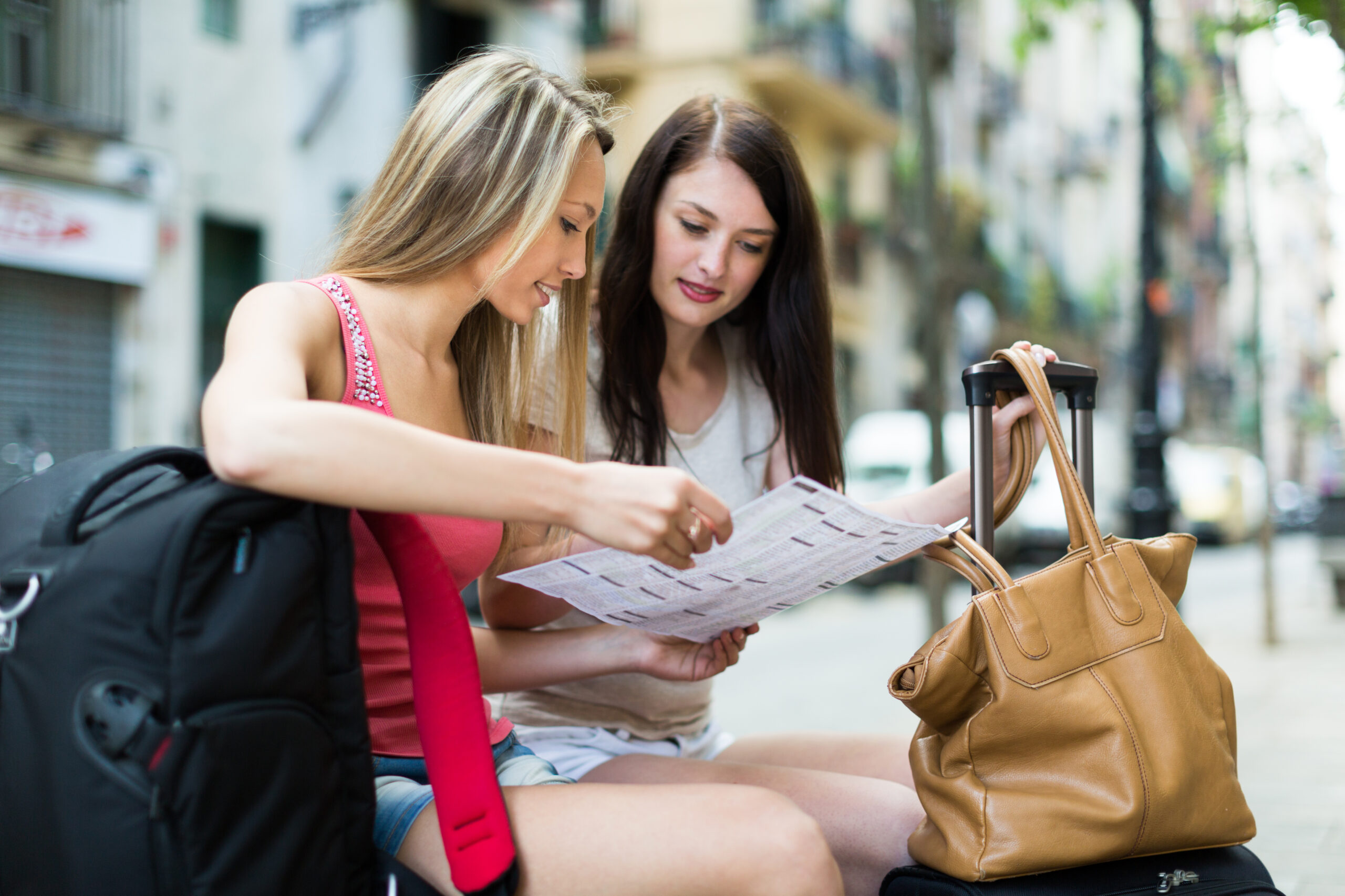
Traveling internationally is exciting but can quickly become overwhelming if you are not prepared. A well-thought-out International Travel Packing List is essential to ensure you have everything you need without carrying excess baggage. The right planning saves time, reduces stress, and lets you focus entirely on the experiences that await.
Packing for international travel is more than just throwing clothes into a suitcase. It requires understanding your destination, the duration of your trip, and the activities you plan to undertake. By following a structured packing approach, you can balance practicality, comfort, and convenience, all while keeping your luggage manageable.
Creating a precise International Travel Packing List begins with assessing your personal essentials. This includes travel documents, electronics, and health-related items. Organizing your items by category ensures nothing is forgotten and allows you to make last-minute adjustments easily. Thinking in categories also helps when you face airline luggage restrictions.
Travel Documents and Essentials
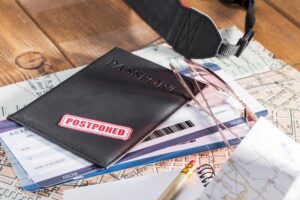
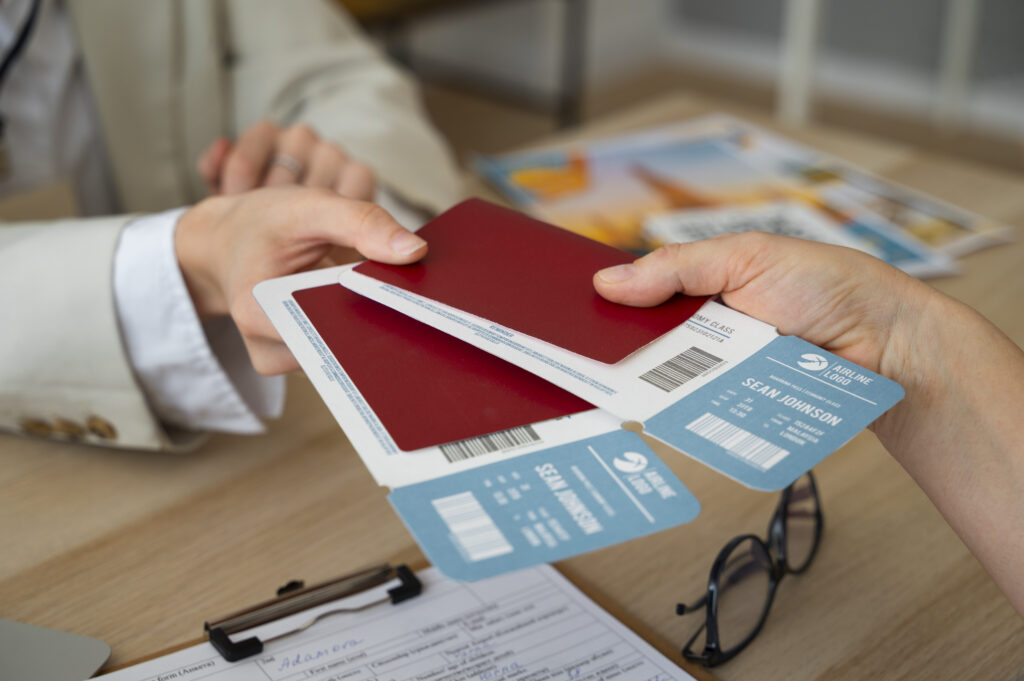
At the top of any International Travel Packing List are documents. These include your passport, visa if required, flight tickets, and hotel confirmations. Many travelers overlook carrying a printed copy of important documents even in the digital age. Printing these ensures you have a backup in case of technical issues.
Health documents have also become vital in recent years. Vaccination records, medical prescriptions, and travel insurance papers should be readily accessible. Consider keeping them in a waterproof travel pouch or an organized folder within your carry-on bag.
Additionally, a small notebook or digital device to store emergency contacts and itinerary details is invaluable. This may include the local embassy contact, your hotel information, and any pre-booked tour details. Having these readily accessible ensures you can handle unexpected situations without panic.
Clothing Essentials
Clothing accounts for the bulk of any international travel luggage. A smart approach is to pack versatile pieces that can be layered for different climates. For example, lightweight shirts, a few pairs of trousers, and a jacket suitable for both chilly evenings and mild rain will cover a wide range of weather conditions.
Consider the cultural norms of your destination. Some countries have conservative dress codes, so a few modest outfits may be necessary. Packing items that are easy to mix and match reduces the number of pieces you need while increasing outfit variety.
Footwear is equally important. A pair of comfortable walking shoes is essential, especially if you plan to explore urban areas or natural attractions. If you expect formal events or dinners, include one pair of dress shoes that are lightweight and easy to carry. For beach or pool destinations, water-friendly sandals should be added to the list.
Toiletries and Personal Care Items
Even though many toiletries can be purchased at your destination, it is advisable to carry travel-sized essentials. Toothbrushes, toothpaste, deodorant, shampoo, and conditioner are basic items. If you have specific brands you prefer, bring enough for the duration of your trip to avoid inconvenience.
Health and skincare products should not be overlooked. Sunscreen, insect repellent, hand sanitizer, and any prescription medications should be part of your International Travel Packing List. Carrying a small first-aid kit can be a lifesaver, including bandages, antiseptic wipes, and basic medications like pain relievers or allergy medicine.
If you use contact lenses or glasses, pack spares and cleaning solutions. Even minor issues with vision can disrupt travel plans. Keeping items in clear, resealable bags can help prevent leaks and make airport security checks smoother.
Electronics and Travel Gadgets
In modern travel, electronics play a central role in staying connected and organized. Your International Travel Packing List should include a smartphone, charger, power bank, and travel adapter compatible with the country you are visiting. Many destinations have different plug types and voltage standards, so a universal adapter is highly recommended.
Laptops or tablets can be useful for work or leisure, but they add bulk. If you plan to use them, pack a protective case and store them in an easily accessible section of your carry-on. Noise-canceling headphones or earphones improve your travel experience, especially during long flights or bus rides.
Other useful gadgets include portable Wi-Fi devices, e-readers, and travel-friendly cameras. If photography is a priority, consider extra memory cards and batteries. Always check airline regulations regarding battery types to avoid surprises during security checks.
Travel Accessories and Comfort Items
Comfort during travel is often overlooked. Neck pillows, eye masks, and lightweight blankets can make long flights or train journeys much more manageable. A reusable water bottle is also essential, allowing you to stay hydrated and reduce single-use plastic consumption.
Packing organizers or compression bags can help maximize space in your luggage. These allow you to separate clothes, accessories, and electronics efficiently. Luggage locks and tags are not just for security—they also make it easier to identify your bags at crowded airports.
Small items like a foldable tote bag, laundry bags, and ziplock pouches provide extra convenience. They can be used for dirty clothes, wet swimwear, or separating fragile items. A lightweight backpack or daypack is indispensable for daily excursions and city tours.
Packing Strategies for Efficiency
The way you pack can significantly affect both comfort and convenience. Rolling clothes instead of folding them reduces wrinkles and maximizes space. Place heavier items at the bottom of your suitcase and lighter items on top to maintain balance.
Layering items strategically can help in managing different temperatures. For instance, packing thin, breathable layers allows you to adjust clothing without carrying too much bulk. Using packing cubes or organizers ensures you can locate items quickly without unpacking everything.
Consider the duration of your trip and plan for laundry. Carrying a small detergent packet allows you to wash essential items in your hotel sink. This approach reduces the need to overpack and keeps your luggage light.

Destination-Specific Essentials
Every destination has unique requirements. If you are traveling to a tropical region, include sun hats, sunglasses, and insect repellent. For colder climates, thermal layers, insulated jackets, and gloves are necessary.
Beach destinations require swimwear, flip-flops, and quick-dry towels. Urban city trips often benefit from a mix of casual and semi-formal outfits, while hiking or adventure trips require sturdy shoes and moisture-wicking clothing. Research local weather and cultural norms before packing to ensure your International Travel Packing List is comprehensive.
It is also wise to check airline baggage policies for weight limits and prohibited items. Overpacking can result in extra fees, while underpacking may require last-minute purchases at your destination. Official travel tips by the U.S. Department of State can provide valuable guidance on documentation and destination preparation.
Safety and Security Essentials
Safety should be a top priority when preparing your International Travel Packing List. Carry a money belt or neck pouch to keep cash, cards, and important documents secure. Avoid keeping all valuables in one place to reduce risk in case of theft or loss.
Travel locks for luggage and tamper-proof bags add an extra layer of security. Many airports now use smart luggage tracking systems, which can be useful for longer trips. Additionally, carrying a small flashlight and a whistle can be helpful in emergencies, especially if you plan outdoor adventures or remote excursions.
Familiarize yourself with local laws, emergency numbers, and embassy contacts. Centers for Disease Control and Prevention also provide updated travel health and safety guidelines, including tips for disease prevention, vaccinations, and food safety. Preparing in advance allows you to travel confidently without unnecessary worry.
Food, Snacks, and Hydration
Carrying snacks may seem minor but can make a significant difference during long journeys. Pack non-perishable items such as nuts, dried fruits, granola bars, or crackers. These are convenient for flights, bus rides, or unexpected delays.
A reusable water bottle is essential for staying hydrated. Many airports and cities have refill stations, reducing the need to buy bottled water constantly. If you have dietary restrictions, bring appropriate supplements or meal replacements. Planning meals and snacks in advance ensures you maintain energy levels throughout your trip.
Local cuisine is part of the travel experience, but having familiar snacks can help when adjusting to different foods or time zones. For longer international flights, consider packing items that comply with airline liquid and gel regulations to avoid confiscation at security checks.
Health and Personal Wellbeing
Maintaining health is critical during international travel. Beyond medications, include items like hand sanitizer, disinfecting wipes, and face masks if needed. Adjusting to new climates, time zones, and food can affect your wellbeing, so a basic first-aid kit and over-the-counter remedies are essential.
Sleep aids, travel pillows, or even earplugs can improve rest during flights or overnight travel. For those with specific medical needs, carry documentation for medications and prescriptions to avoid complications at customs or pharmacies. World Health Organization offers guidance on travel health and vaccinations for different regions.
Exercise and light stretching during long flights or layovers can prevent stiffness and circulation issues. Planning physical activity, even in small amounts, ensures you arrive at your destination feeling fresh and ready to explore.
Last-Minute Packing Tips
When finalizing your International Travel Packing List, perform a last-minute review to ensure nothing essential is forgotten. Check chargers, travel documents, medication, and personal care items before leaving.
Use a checklist approach to quickly confirm each category: clothing, electronics, toiletries, safety items, and documents. Rolling clothes, using packing cubes, and keeping items organized ensures you can access everything easily during transit.
If possible, weigh your luggage in advance to avoid overweight baggage fees. Keep important items in your carry-on in case of delays or lost checked luggage. Planning for contingencies ensures a smooth, stress-free travel experience.
Frequently Asked Questions
What is the most important item on an International Travel Packing List?
The most important items are travel documents including your passport, visa, and flight tickets. Without these, other preparations are irrelevant. Keeping them accessible and backed up digitally or in print ensures smooth travel.
How can I pack efficiently for international travel?
Use packing cubes, roll clothes instead of folding, and organize items by category. Planning for layers and versatile clothing reduces bulk and ensures you have suitable outfits for varying weather.
Should I carry snacks and food items internationally?
Yes, packing non-perishable snacks is wise for long flights, layovers, or travel to remote areas. Be aware of customs regulations and avoid prohibited items to prevent issues at border crossings.
How do I manage electronics in my packing list?
Include essential electronics such as a smartphone, chargers, travel adapters, and headphones. Consider backup batteries, protective cases, and storing items in easily accessible sections of your carry-on.
Where can I find official travel advice for packing and safety?
Trusted sources include the U.S. Department of State, Centers for Disease Control and Prevention, and World Health Organization. These provide up-to-date guidelines on safety, health, and documentation requirements.