
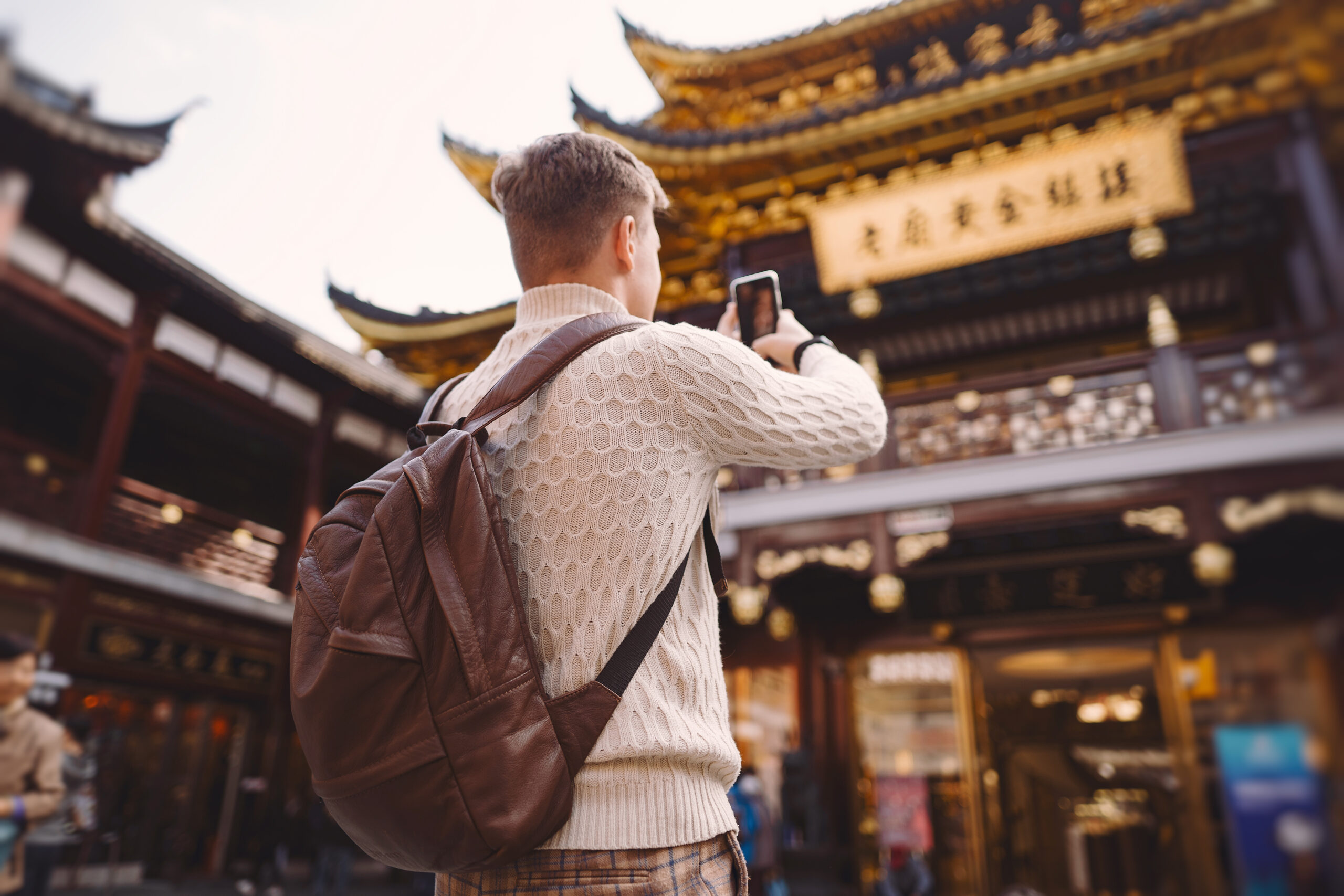
Travel to China is not simply about visiting another destination. It is an invitation to step inside a civilization that has shaped human thought, trade, art, and innovation for thousands of years. Every street, landscape, and tradition carries layers of meaning that reveal themselves gradually. This sense of depth is what makes the experience feel personal rather than tourist driven.
What truly defines Travel to China is contrast. Ancient temples sit quietly beside modern skylines, and traditional values continue to guide life inside some of the most advanced cities on earth. This balance creates a journey that feels rich, thoughtful, and endlessly surprising.
Why China Captivates the Modern Traveler
China captivates travelers because it refuses to fit into a single narrative. One moment you are standing in a palace shaped by imperial power, and the next you are surrounded by cutting edge architecture and technology. Travel to China constantly challenges expectations and invites reflection.
Beyond landmarks, it is the rhythm of daily life that leaves the strongest impression. Morning markets, evening street food scenes, and quiet public parks reveal a society that values both community and continuity. These moments transform a trip into a lasting connection.
Understanding Cultural Depth Before You Go
To appreciate Travel to China fully, understanding its cultural foundations is essential. Respect for elders, emphasis on harmony, and deep attachment to tradition influence everyday interactions. Simple awareness of these values helps travelers move through the country with confidence and grace.
China is also home to many ethnic communities, each with distinct customs, festivals, and culinary traditions. Exploring this diversity adds richness to travel experiences and allows visitors to see the country as a living mosaic rather than a single identity.
Planning Your First Journey to China
Planning Travel to China becomes easier when the journey is shaped around clear interests. Whether drawn to history, food, nature, or modern life, narrowing your focus helps reduce overwhelm. The country is vast, but thoughtful planning brings clarity.
A balanced itinerary often combines famous highlights with quieter destinations. While iconic sites provide context, smaller towns and rural regions offer moments of genuine connection. This mix creates a journey that feels complete and deeply satisfying.
Visa and Entry Essentials Explained Simply
One of the first practical steps in Travel to China is securing the correct visa. Most visitors require a tourist visa obtained before arrival, supported by basic documents and a travel plan. While the process may appear formal, it is straightforward when approached calmly.
For accurate and official guidance, travelers should consult the Chinese Ministry of Foreign Affairs at https://www.fmprc.gov.cn. Relying on official information ensures clarity and reduces uncertainty before departure.
Choosing the Best Time to Travel to China
Timing has a strong influence on the overall experience of Travel to China. Spring and autumn are often preferred due to comfortable weather and balanced travel conditions. These seasons allow for extended exploration without climate related discomfort.
That said, every season offers something unique. Winter can be quieter and culturally rich, while summer reveals lush landscapes in many regions. Understanding regional climate differences helps travelers choose wisely.
Major Regions That Define China
China feels like several worlds within one country. The eastern coast reflects global influence and rapid development, while western regions reveal dramatic terrain and historic trade routes. Travel to China becomes more meaningful when these regional distinctions are recognized.
Northern areas highlight imperial heritage, central regions reflect traditional lifestyles, and the south offers vibrant food culture and natural beauty. Each region contributes a unique voice to the national story.
Iconic Cities Worth Exploring
Cities such as Beijing, Shanghai, and Xian often anchor Travel to China itineraries. Beijing offers insight into political and imperial history, Shanghai showcases modern ambition, and Xian connects visitors to ancient civilization.
Each city has its own pace and personality. Spending time beyond major attractions allows travelers to understand how history, creativity, and daily life intersect in urban China.
Historic Sites That Reveal China’s Past
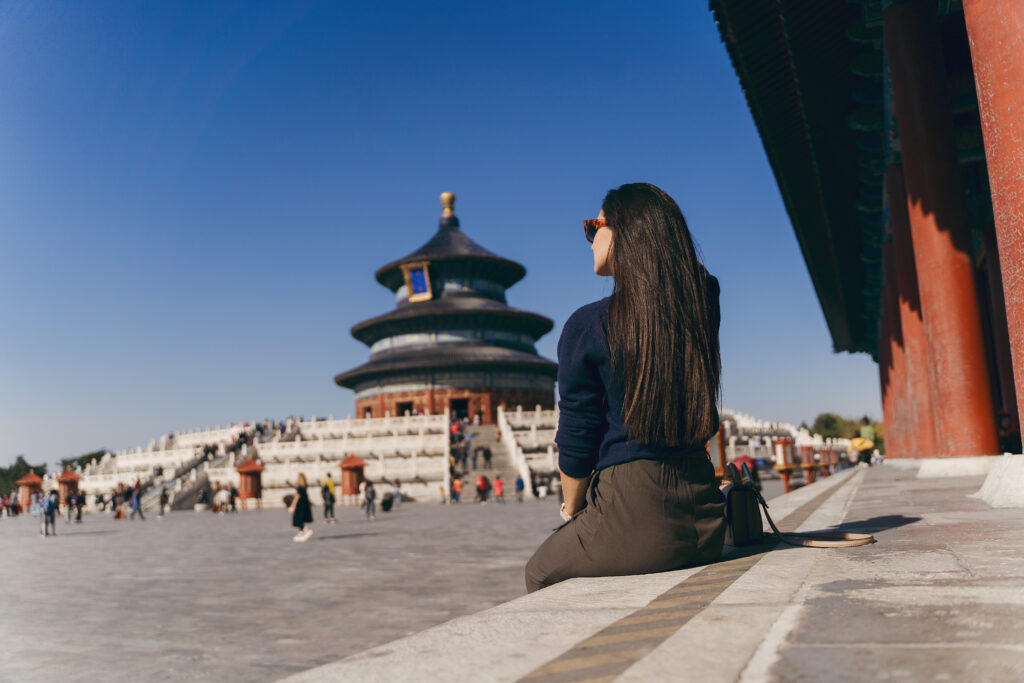
Historic landmarks across the country act as gateways into China’s long and complex story. Ancient walls, temples, and archaeological sites reflect shifts in power, belief, and artistic expression. Travel to China gains depth when these places are explored thoughtfully.
For global context on culturally significant locations, the UNESCO World Heritage Centre offers valuable insight at https://whc.unesco.org/en/list. This resource highlights why these sites matter beyond national borders.
Natural Landscapes That Surprise Travelers
Many visitors are amazed by the natural beauty encountered during Travel to China. Mountain ranges, river valleys, deserts, and forests provide moments of calm that contrast sharply with busy cities. These landscapes have inspired generations of artists and philosophers.
Nature focused travel encourages slower movement and deeper appreciation. Whether walking scenic trails or observing rural life, these experiences reveal a quieter side of the country.
Modern China and Everyday Innovation
Modern development is one of the most striking elements of Travel to China. Efficient transport systems, digital services, and smart infrastructure shape daily routines in impressive ways. Visitors often find these systems intuitive and convenient.
What makes this transformation fascinating is how it coexists with tradition. Ancient customs remain present, guiding behavior and values even in highly modern environments.
Food Culture as a Cultural Gateway
Cuisine plays a central role in understanding Travel to China. Each region offers flavors shaped by geography, climate, and history. Meals are diverse, expressive, and deeply tied to local identity.
Dining is also a social ritual. Shared dishes encourage connection and conversation, making food one of the most powerful ways to experience culture during travel.
Communication and Language Considerations
Language differences can feel intimidating at first, but they rarely hinder Travel to China in a meaningful way. Many locals are helpful and patient, especially when travelers show courtesy and effort.
Digital translation tools and visual communication bridge gaps easily. Over time, travelers often rely less on words and more on shared gestures and understanding.
Everyday Etiquette and Cultural Awareness
Respectful behavior enhances Travel to China significantly. Simple actions like observing local customs, showing patience, and respecting public spaces create positive interactions. These gestures are noticed and appreciated.
Flexibility is equally important. Cultural norms may differ, and adapting with openness leads to smoother experiences and genuine connections.
Preparing for Daily Life in China
Once familiar with basic systems, daily life during Travel to China becomes surprisingly smooth. Public transport is reliable, cities are organized, and essential services are widely accessible. Learning these routines early adds confidence.
Technology plays a major role in daily activities. From navigation to payments, digital tools simplify travel when understood in advance.
Designing a Meaningful Travel to China Itinerary
Creating an itinerary for Travel to China works best when depth is prioritized over speed. Instead of trying to see everything, focusing on a few regions allows time to absorb culture, history, and daily life. China rewards travelers who slow down and stay curious rather than rushing from landmark to landmark.
A thoughtful itinerary balances cities with quieter areas. Urban centers provide context and energy, while smaller towns and scenic regions offer reflection and authenticity. This balance helps travelers experience China as both a global power and a deeply human society.
Transportation Across China Made Simple
Transportation is one of the strongest advantages of Travel to China. High speed trains connect major cities efficiently and comfortably, making long distances feel manageable. Stations are modern and well organized, allowing travelers to move with confidence once familiar with basic procedures.
Domestic flights are useful for covering vast regions, especially between east and west. Public transport within cities is affordable and reliable, making daily movement easy even for first time visitors. Understanding transport options early removes stress and saves valuable time.
High Speed Rail and Long Distance Travel
China’s rail network has transformed Travel to China into a smooth experience. High speed trains are punctual, clean, and widely available, offering scenic views along the way. Booking tickets in advance is recommended during peak seasons to ensure preferred travel times.
Train travel also offers insight into daily life. Observing fellow passengers, countryside views, and station culture adds an unexpected layer to the journey. It is both practical and culturally enriching.

Getting Around Cities with Confidence
Urban transportation makes Travel to China surprisingly accessible. Metro systems are extensive, clearly marked, and affordable. Even in large cities, navigation becomes intuitive after a short adjustment period.
Buses and taxis are also widely used. Ride hailing apps simplify communication and payment, reducing language barriers. With a little preparation, moving through cities becomes efficient and stress free.
Accommodation Options for Every Travel Style
Accommodation choices for Travel to China range from international hotels to local guesthouses. Major cities offer a wide selection of comfortable and professionally managed stays, while smaller areas provide charming alternatives that reflect local character.
Choosing accommodation based on location rather than luxury often improves the experience. Staying near public transport or cultural districts allows easier exploration and deeper immersion into everyday life.
Hotels Versus Local Guesthouses
Hotels provide predictability and comfort, which many travelers appreciate during their first experience of Travel to China. They often include helpful staff, English support, and modern amenities that ease cultural transition.
Guesthouses, on the other hand, offer warmth and authenticity. Hosts often share local knowledge and personal stories, creating memorable connections. Both options have value depending on travel goals and comfort levels.
Understanding Money and Payments in China
Money management is an important aspect of Travel to China. While cash is still accepted, digital payments dominate daily transactions. From restaurants to transportation, mobile payment systems are widely used.
Setting up payment apps before arrival helps avoid inconvenience. It also allows travelers to move through daily activities smoothly, blending into local routines with ease.
Managing Connectivity and Internet Access
Staying connected during Travel to China requires some preparation. Internet access is widespread, but certain global platforms may be limited. Planning ahead ensures uninterrupted communication and access to essential tools.
Many travelers choose local SIM cards or international roaming options. For accurate travel advisories and connectivity guidance, the official China Tourism website at https://www.travelchina.gov.cn offers useful information for visitors.
Staying Safe and Healthy While Traveling
Safety is a common concern, yet Travel to China is generally very safe for visitors. Public areas are well monitored, and violent crime against tourists is rare. Basic awareness and common sense go a long way.
Health wise, travelers should stay hydrated, rest well, and follow standard precautions. Access to pharmacies and medical services is widely available in cities, adding reassurance throughout the journey.
Respecting Local Laws and Customs
Understanding local laws enhances Travel to China and prevents misunderstandings. Regulations may differ from what travelers are used to, and respecting them shows cultural sensitivity. Observing rules regarding public behavior and documentation is essential.
Cultural customs are equally important. Showing patience, humility, and respect builds positive interactions and reflects appreciation for local values. These qualities often lead to kindness in return.
Shopping and Souvenirs with Purpose
Shopping during Travel to China can be both enjoyable and meaningful. Markets offer handmade crafts, textiles, and regional specialties that reflect local identity. Choosing souvenirs thoughtfully supports artisans and preserves tradition.
Bargaining is common in markets, but it should be done respectfully. Viewing shopping as cultural exchange rather than transaction adds depth to the experience.
Festivals and Seasonal Experiences
Festivals bring Travel to China to life in unique ways. Celebrations are deeply rooted in history and family tradition, offering insight into values and beliefs. Experiencing a festival creates lasting memories.
Planning travel around major holidays requires awareness, as transportation and accommodation fill quickly. When approached thoughtfully, festivals become highlights rather than obstacles.
Learning Through Interaction with Locals
Human connection is at the heart of meaningful Travel to China. Simple conversations, shared meals, and everyday encounters reveal perspectives that guidebooks cannot capture. Locals often appreciate genuine interest and curiosity.
Even small interactions can leave strong impressions. Smiles, gestures, and shared moments transcend language and make the journey deeply personal.
Balancing Expectations with Reality
Approaching Travel to China with an open mind allows space for discovery. Some aspects may feel unfamiliar or challenging at first, but flexibility transforms these moments into growth.
Letting go of rigid expectations opens doors to unexpected beauty. The most memorable experiences often come from unplanned encounters and quiet observations.
Preparing for Deeper Cultural Immersion
This second part of the journey highlights the practical side of Travel to China, from transportation and accommodation to daily life and connection. These elements form the backbone of a confident and rewarding experience.
In the final part, the focus will shift toward immersive experiences, responsible travel, hidden destinations, and a detailed FAQ section. Travel to China continues to unfold with depth, meaning, and unforgettable moments waiting ahead.
Immersive Experiences That Define Travel to China
The most powerful moments during Travel to China often come from immersion rather than observation. Participating in daily routines such as morning exercises in public parks or sharing tea with locals allows travelers to feel part of the environment rather than separate from it. These experiences build understanding through presence.
Hands on activities such as calligraphy workshops, cooking classes, or traditional craft sessions provide insight into values passed down through generations. They transform cultural appreciation into lived experience and leave a lasting impression long after the journey ends.
Exploring Lesser Known Destinations
While famous landmarks shape first impressions, lesser known regions often define the soul of Travel to China. Smaller towns, rural villages, and remote landscapes reveal rhythms of life untouched by mass tourism. These places offer calm, authenticity, and meaningful encounters.
Venturing off common routes requires curiosity and patience, but the rewards are substantial. Local hospitality, unfiltered traditions, and quiet beauty allow travelers to see China through a more intimate lens.
Responsible and Respectful Travel Practices
Responsible Travel to China begins with awareness. Respecting local customs, protecting cultural heritage, and minimizing environmental impact contribute to sustainable tourism. Simple actions such as reducing waste and supporting local businesses make a difference.
Travelers also carry stories back home. Approaching the journey with humility and accuracy ensures that impressions shared with others are fair and respectful. Responsible travel strengthens cultural exchange rather than exploiting it.
Understanding Religion and Spiritual Life
Spiritual traditions are deeply woven into Travel to China. Buddhism, Taoism, Confucianism, and folk beliefs influence architecture, festivals, and daily values. Temples and sacred sites often function as community spaces rather than tourist attractions.
Visitors are welcome when they observe quietly and respectfully. Understanding basic spiritual practices adds context to rituals and symbols encountered along the journey.
Nature Based Travel and Slow Exploration
Nature invites a slower pace within Travel to China. Mountain regions, river valleys, and countryside trails encourage reflection and appreciation. These landscapes provide balance to urban exploration and deepen emotional connection to place.
Slow travel through nature fosters mindfulness. Whether watching mist rise over hills or listening to village life at dusk, these moments offer clarity and peace.
Health Awareness and Travel Preparedness
Staying healthy during Travel to China involves preparation and mindfulness. Drinking safe water, resting adequately, and listening to your body help maintain energy throughout the journey. Preventive care is always preferable to reactive solutions.
For international health guidance, the World Health Organization offers trusted travel health information at https://www.who.int. Consulting reliable sources ensures confidence and peace of mind.
Personal Growth Through Travel
Travel to China often becomes a journey of personal growth. Exposure to different values, rhythms, and perspectives encourages reflection and adaptability. Many travelers return home with renewed curiosity and broader understanding.
The experience reshapes how one views progress, tradition, and community. These lessons extend beyond travel and influence everyday life in subtle but meaningful ways.
Capturing Memories with Intention
Photography and journaling enhance Travel to China when done thoughtfully. Capturing moments respectfully preserves memory without disrupting experience. Seeking permission and being mindful of sacred spaces shows cultural sensitivity.
Written reflections help process emotions and insights gained along the way. These records become personal archives that deepen appreciation over time.
Returning Home with Perspective
Returning from Travel to China often feels like carrying two worlds at once. The journey leaves traces in habits, thoughts, and values. This lingering impact is a sign of meaningful travel.
Reflecting on experiences allows lessons to settle. The goal is not to compare cultures but to understand them with clarity and respect.
Final Reflections on Travel to China
Travel to China is layered, complex, and deeply rewarding. It challenges assumptions, nurtures curiosity, and offers insight into one of the world’s most influential civilizations. Each journey unfolds differently depending on openness and intention.
Those who travel thoughtfully discover more than destinations. They discover connection, understanding, and a renewed sense of perspective that lasts far beyond the trip itself.
Frequently Asked Questions About Travel to China
Is Travel to China suitable for first time international travelers
Yes, Travel to China can be very suitable for first time travelers when planned carefully. With organized transportation, clear signage, and helpful locals, many visitors find the experience manageable and rewarding.
How much time is ideal for Travel to China
Ideally, two to three weeks allows travelers to experience multiple regions without rushing. However, even shorter trips can be meaningful when focused on specific areas and interests.
Is Travel to China expensive compared to other destinations
Travel to China offers a wide range of budget options. While luxury experiences exist, transportation, food, and accommodation can be very affordable when chosen thoughtfully.
Can travelers manage without speaking Chinese
Yes, Travel to China is possible without speaking Chinese. Translation apps, clear visuals, and patient communication help bridge language gaps effectively.
What cultural etiquette should travelers prioritize
During Travel to China, showing respect, patience, and openness is essential. Observing local customs and remaining flexible leads to smoother interactions and positive experiences.
Is Travel to China safe for solo travelers
Generally, Travel to China is considered safe for solo travelers. With basic awareness and preparation, individuals can navigate cities and regions confidently.
How does Travel to China impact personal perspective
Travel to China often broadens worldview by exposing travelers to different values and lifestyles. This exposure encourages reflection and personal growth long after the journey ends.