

An Iran Travel Advisory exists to help travelers make informed decisions before planning a trip to the country. It brings together guidance on safety, legal expectations, health concerns, and regional conditions that may affect visitors. Rather than discouraging curiosity, the advisory aims to prepare travelers with realistic information so they can assess personal risk and responsibility.
Iran is a nation of deep history, rich culture, and remarkable hospitality, yet it also presents unique challenges for foreign visitors. An effective Iran Travel Advisory explains both sides clearly. It acknowledges the beauty of ancient cities and traditions while addressing political tensions, legal differences, and security considerations that may feel unfamiliar to many travelers.
Current Safety Climate for Visitors to Iran
Safety conditions in Iran can change based on political events and regional developments. Public areas in major cities are generally calm, and everyday life continues in a predictable rhythm for residents. However, diplomatic tensions between Iran and some Western governments can influence the treatment of foreign nationals during periods of heightened stress.
An Iran Travel Advisory often highlights the risk of arbitrary detention, especially for travelers holding dual nationality. Visitors may not always receive the same legal access or consular support they expect elsewhere. Understanding these realities in advance helps travelers evaluate whether the current climate aligns with their comfort level and travel goals.
Legal and Cultural Expectations Travelers Must Respect
Iranian laws are based on local customs and religious principles, and they differ significantly from those in Europe or North America. Dress codes apply to both men and women, with women required to cover their hair in public spaces. Alcohol is prohibited, and public behavior is expected to remain modest at all times.
A responsible Iran Travel Advisory emphasizes that ignorance of the law is not accepted as an excuse. Social media activity, photography near sensitive sites, and political discussions can all attract unwanted attention. Respect for cultural norms not only keeps travelers safe but also fosters more meaningful and positive interactions with local communities.
Entry Requirements and Visa Considerations
Most travelers require a visa to enter Iran, and the application process varies by nationality. Some visitors must arrange a guided itinerary or receive prior authorization before arrival. Processing times can be unpredictable, making early planning essential for anyone considering travel.
An Iran Travel Advisory typically recommends confirming entry rules with official sources before booking flights. Changes to visa policies can occur with little notice. Travelers should also ensure their passport has sufficient validity and blank pages, as entry requirements are strictly enforced at border checkpoints.
Transportation and Movement Within Iran
Iran has a well developed domestic transportation network that includes buses, trains, and domestic flights connecting major cities. Roads are extensive, but driving standards may differ from what foreign visitors are used to, with traffic laws enforced unevenly in some areas.
An Iran Travel Advisory often suggests using reputable transportation services and avoiding travel near border regions. Certain areas close to neighboring countries may pose higher security risks. Staying informed about regional conditions and following local guidance can significantly reduce travel related stress.
Health Care Access and Medical Considerations
Medical facilities in Iran are generally adequate in large urban centers, with skilled doctors and modern hospitals available. However, access to specialized care may be limited outside major cities. Prescription medications may also differ in availability or formulation.
A thorough Iran Travel Advisory advises travelers to bring necessary medications and obtain comprehensive travel insurance. Sanctions can affect the availability of some medical supplies, so preparation is essential. Consulting a healthcare provider before departure ensures travelers are aware of recommended vaccinations and general health precautions.
Financial Realities and Money Management
International banking systems do not operate normally in Iran due to sanctions. Foreign credit and debit cards are generally unusable, requiring travelers to rely on cash for all expenses. This reality can surprise first time visitors who are accustomed to digital payments.
An Iran Travel Advisory stresses the importance of budgeting carefully and carrying sufficient funds in accepted foreign currencies. Exchange services are widely available, but rates can vary. Understanding the financial landscape in advance helps travelers avoid inconvenience and unnecessary risk.
Communication and Internet Access in Iran
Internet access in Iran is available but subject to restrictions. Some websites and social media platforms may be blocked or monitored. Connection speeds can vary, particularly during periods of political sensitivity or public demonstrations.
A practical Iran Travel Advisory encourages travelers to manage expectations around connectivity. Messaging apps may function inconsistently, and public discussions online should be approached with caution. Maintaining respectful communication habits helps visitors navigate the digital environment more safely.
Cultural Richness and Responsible Tourism
Despite official advisories, many travelers describe Iran as one of the most welcoming places they have visited. Historic sites like Isfahan, Shiraz, and Persepolis offer deep insight into Persian civilization. Local residents often go out of their way to help guests feel comfortable.
An Iran Travel Advisory does not dismiss these positive experiences but places them in context. Responsible tourism means appreciating cultural heritage while remaining aware of boundaries. Travelers who approach Iran with humility and preparation often find the experience rewarding on a personal level.
Regional Variations in Safety and Stability
Iran is geographically diverse, and safety conditions can differ significantly by region. Major cities such as Tehran, Isfahan, and Shiraz generally experience stable daily life with visible security presence. Rural areas and border regions may present additional risks due to smuggling routes or regional tensions.
An informed Iran Travel Advisory recommends avoiding travel near borders with Iraq, Afghanistan, and Pakistan. These areas can experience sporadic unrest and limited infrastructure. Understanding regional differences allows travelers to plan itineraries that prioritize safety and comfort.
Political Sensitivities and Public Gatherings
Political demonstrations do occur in Iran, sometimes with little advance notice. While many protests remain localized, authorities may respond quickly to maintain order. Foreigners present in the vicinity may face questioning regardless of their involvement.
A well written Iran Travel Advisory advises travelers to avoid public gatherings and protests entirely. Staying alert to local news and guidance from trusted sources helps visitors steer clear of sensitive situations. Neutral behavior and discretion are key principles for staying safe.
Interaction With Authorities and Law Enforcement
Encounters with Iranian authorities can feel intimidating for visitors unfamiliar with local procedures. Security personnel may conduct checks at hotels, airports, or public venues. Cooperation and respectful communication are essential during any interaction.
An Iran Travel Advisory highlights the importance of carrying identification at all times. Travelers should avoid confrontation and follow instructions calmly. Understanding that legal processes may move slowly helps set realistic expectations in the unlikely event of an issue.
Photography and Media Restrictions
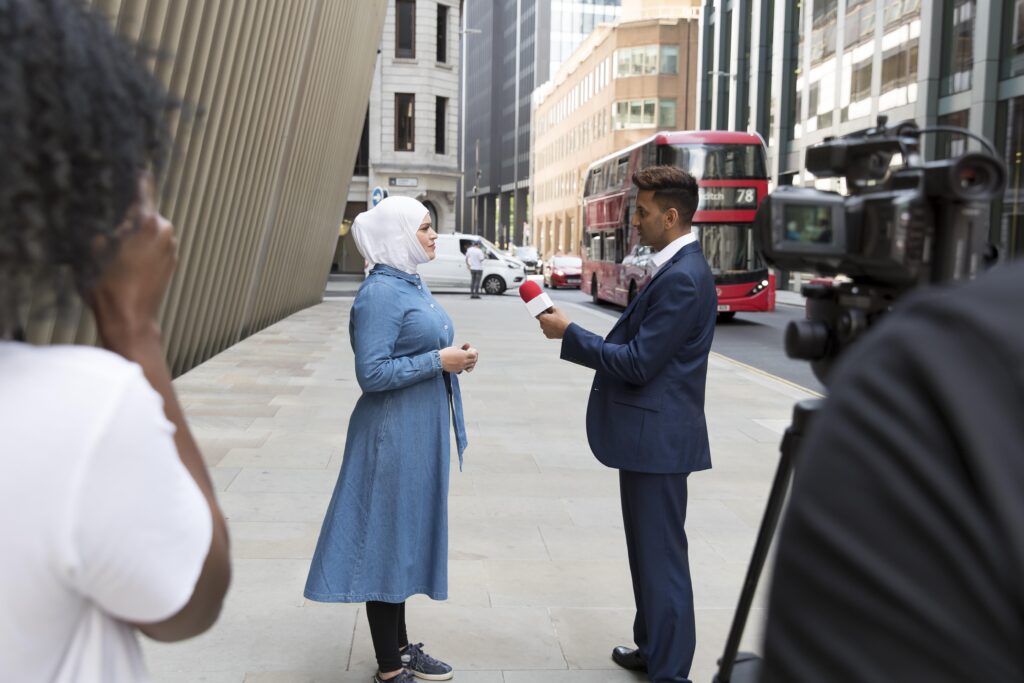
Iran offers stunning architecture and landscapes, but photography rules are strict in certain areas. Government buildings, military sites, and security installations must never be photographed. Even casual photos can raise concern if taken in sensitive locations.
A careful Iran Travel Advisory reminds travelers to ask permission before photographing people and to remain aware of surroundings. When in doubt, it is better to put the camera away. Respecting these boundaries prevents misunderstandings that could escalate unnecessarily.
Gender Considerations and Social Norms
Gender roles in Iran are shaped by tradition and law. Women travelers must follow dress requirements and may encounter gender segregated spaces. Men are also expected to dress modestly and behave respectfully in public settings.
An Iran Travel Advisory explains these expectations clearly to help travelers adapt smoothly. Many women report feeling safe while traveling in Iran, especially in urban areas. Awareness and preparation allow visitors of all genders to navigate social norms with confidence.
Religious Practices and Public Behavior
Religion plays a visible role in daily life in Iran. Prayer times, religious holidays, and observances influence business hours and public activities. Non Muslims are generally respected but are expected to behave appropriately in religious settings.
An Iran Travel Advisory encourages visitors to observe local customs during religious events. Participation is not required, but sensitivity is appreciated. Understanding the rhythm of religious life enhances cultural appreciation while avoiding unintentional offense.
Language Barriers and Cultural Communication
Persian is the primary language spoken in Iran, though English is increasingly understood in tourist areas. Communication can still be challenging in smaller cities or rural regions. Gestures and basic phrases often bridge gaps effectively.
A thoughtful Iran Travel Advisory suggests learning a few common Persian expressions before arrival. Simple greetings and polite words go a long way in building goodwill. Patience and friendliness often result in warm and memorable interactions.
Travel Insurance and Emergency Planning
Comprehensive travel insurance is essential for anyone considering a trip to Iran. Coverage should include medical care, evacuation, and unexpected disruptions. Not all international insurance policies are accepted locally, so verification is crucial.
An Iran Travel Advisory emphasizes planning for emergencies in advance. Travelers should know how to contact their embassy and keep copies of important documents. Preparation provides peace of mind and reduces stress during unforeseen situations.
Trusted Sources for Official Guidance
Reliable information is vital when evaluating an Iran Travel Advisory. Government and international organizations provide regularly updated guidance based on verified intelligence and diplomatic assessments. Travelers should avoid relying solely on informal online opinions.
Trusted sources include travel.state.gov for official United States guidance, who.int for health related updates, and iata.org for airline and travel regulation information. Reviewing multiple sources ensures a balanced understanding before making travel decisions.
Balancing Curiosity With Caution
Travel to Iran requires thoughtful consideration rather than impulse. The country offers profound cultural and historical experiences, yet it also demands respect for rules that may feel restrictive. Balancing curiosity with caution allows travelers to make choices aligned with their values and risk tolerance.
An Iran Travel Advisory supports this balance by presenting facts without exaggeration. It encourages travelers to assess timing, purpose, and preparedness honestly. Those who proceed with awareness often find their journey both enlightening and manageable.
Ethical Travel and Cultural Responsibility
Ethical travel involves more than personal safety. Visitors should consider how their presence affects local communities and perceptions. Supporting local businesses, respecting traditions, and avoiding sensitive discussions contribute to positive cultural exchange.
A responsible Iran Travel Advisory frames travel as a privilege that comes with responsibility. Travelers who act thoughtfully help foster mutual understanding. These small actions matter in destinations shaped by complex international narratives.
Preparing Mentally for a Different Experience
Iran may challenge assumptions shaped by media portrayals. Daily life is often quieter and more ordinary than expected, yet rules are enforced in ways unfamiliar to many visitors. Mental preparation helps travelers adapt without frustration.
An Iran Travel Advisory encourages flexibility and open mindedness. Understanding that comfort zones may shift allows visitors to engage more fully with the experience. Travel becomes more meaningful when expectations align with reality.
When an Iran Travel Advisory Changes
Travel advisories are dynamic and can change quickly. Political developments, regional conflicts, or diplomatic incidents may prompt updates. Travelers should monitor conditions closely before and during their trip.
An Iran Travel Advisory is not a one time document. Checking updates regularly ensures travelers respond appropriately to new information. Staying informed is one of the most effective safety strategies available.
Final Thoughts on Traveling to Iran
Iran is a destination of contrasts, where ancient beauty meets modern complexity. For some travelers, the challenges outlined in an Iran Travel Advisory outweigh the rewards. For others, careful preparation opens the door to an unforgettable cultural journey.
Ultimately, the decision to travel rests with the individual. Access to clear, honest information empowers travelers to choose wisely. An Iran Travel Advisory serves as a guide, not a verdict, supporting informed and responsible exploration.
Frequently Asked Questions About Iran Travel Advisory
Is the Iran Travel Advisory a complete ban on visiting the country
However, an Iran Travel Advisory does not usually represent a legal ban for most travelers. Instead, it outlines risks and considerations to help individuals decide whether travel is appropriate. Travelers must weigh official guidance against personal circumstances and tolerance for uncertainty.
Can tourists travel safely if they follow the Iran Travel Advisory closely
Therefore, many visitors report safe experiences when they strictly follow guidance in an Iran Travel Advisory. Avoiding sensitive areas, respecting laws, and staying informed significantly reduce risk. Preparation and awareness are essential for safer travel.
Does the Iran Travel Advisory apply equally to all nationalities
In contrast, the Iran Travel Advisory may affect nationalities differently. Dual citizens and travelers from certain countries may face higher scrutiny. Reviewing advisory details specific to nationality is a critical step in planning.
How often is an Iran Travel Advisory updated
As a result, an Iran Travel Advisory can be updated whenever conditions change. Political events or security incidents may prompt revisions without notice. Travelers should check official sources regularly for the latest information.
Should cultural attractions be avoided because of the Iran Travel Advisory
Nevertheless, cultural sites are often among the safest places to visit when following an Iran Travel Advisory. Historic landmarks and museums operate normally in many cities. Respectful behavior and situational awareness allow travelers to enjoy these experiences responsibly.
Where can travelers verify health guidance related to Iran Travel Advisory
Finally, travelers should consult who.int for health related updates that complement an Iran Travel Advisory. Combining safety, health, and legal information provides a well rounded view for informed decision making.\