

Golf travel bags are not just accessories for frequent flyers. They are protective systems designed to safeguard one of the most personal and expensive sets of equipment a golfer owns. Clubs are precision tools. Shafts can crack, heads can bend, and grips can deform if they are not properly supported during transit. A high quality travel bag reduces those risks and adds peace of mind that lets you focus on your game instead of worrying about damage.
Another reason these bags matter is consistency. When you travel with familiar equipment, your swing remains natural. Renting clubs often leads to subtle adjustments that affect performance. A reliable travel bag allows you to bring your own setup anywhere in the world, whether you are heading to a coastal resort or a competitive tournament. That consistency often translates directly into better scores and more enjoyable rounds.
Different Types of Golf Travel Bags Explained Clearly
There are three main categories of golf travel bags, and each serves a specific type of traveler. Hard case bags offer the highest level of protection. They use rigid shells that shield clubs from crushing forces during flights. These are ideal for long haul travel or for players carrying premium equipment. The tradeoff is weight and storage space, since rigid cases are heavier and less flexible.
Soft case bags are more popular among casual and frequent travelers. They are lighter, easier to store, and often include thick padding in key areas. Many modern soft bags include reinforced club heads and internal straps that reduce movement. Hybrid cases combine features from both styles by offering semi rigid frames with flexible panels. They aim to balance protection and convenience for golfers who travel often but still want manageable weight.
Materials and Construction That Actually Make a Difference
The materials used in golf travel bags directly affect durability and performance. High denier nylon and ballistic polyester fabrics resist tearing and abrasion during handling. Reinforced stitching at stress points ensures the bag holds up after repeated trips. Internal padding should be dense and strategically placed around club heads and shafts where impact damage is most likely.
Zippers are another overlooked detail. Quality travel bags use heavy duty locking zippers that glide smoothly and resist bursting under pressure. Wheels should be sturdy and well mounted, preferably with inline skate style bearings for smoother rolling. Handles and grab points matter too, since poorly placed handles make lifting awkward and increase strain during transit.
Choosing the Right Bag Based on Your Travel Style
Your travel habits should guide your choice of golf travel bags. If you fly several times a year and check your clubs regularly, protection should be the top priority. In that case, a hard or hybrid case makes sense. If you mostly drive or take short flights, a padded soft case may offer enough protection without extra bulk.
Storage space at home is another practical consideration. Hard cases require more room, while soft bags can often be folded or collapsed. Also think about airline policies. Weight limits vary, and heavier bags may push you into extra fees. Choosing a lighter bag with strong construction can save money over time and make travel less stressful.
Airline Handling and Real World Protection Factors
Airline baggage systems are not gentle. Bags are stacked, dropped, and sometimes exposed to weather. Golf travel bags are designed to handle these realities, but not all perform equally. Reinforced bases protect against drops, while internal compression straps prevent clubs from shifting during turbulence.
Many experienced travelers also use club support rods inside their bags. These rods extend slightly above the clubs and absorb vertical impact. While not mandatory, they add another layer of security. According to the United States Golf Association, proper equipment care extends the lifespan of clubs and maintains performance consistency https://www.usga.org.
Smart Features That Improve the Travel Experience
Modern golf travel bags often include thoughtful features that make travel easier. External pockets allow storage of shoes and apparel without crowding the club compartment. Smooth rolling wheels reduce strain in airports, especially over long distances. Some bags even include tracking pockets designed for location devices, which can be reassuring during international travel.
Interior organization also matters. Well designed straps keep clubs separated and stable. Padded dividers reduce friction and vibration. These small details may not be obvious at first glance, but they contribute significantly to long term satisfaction and equipment safety.
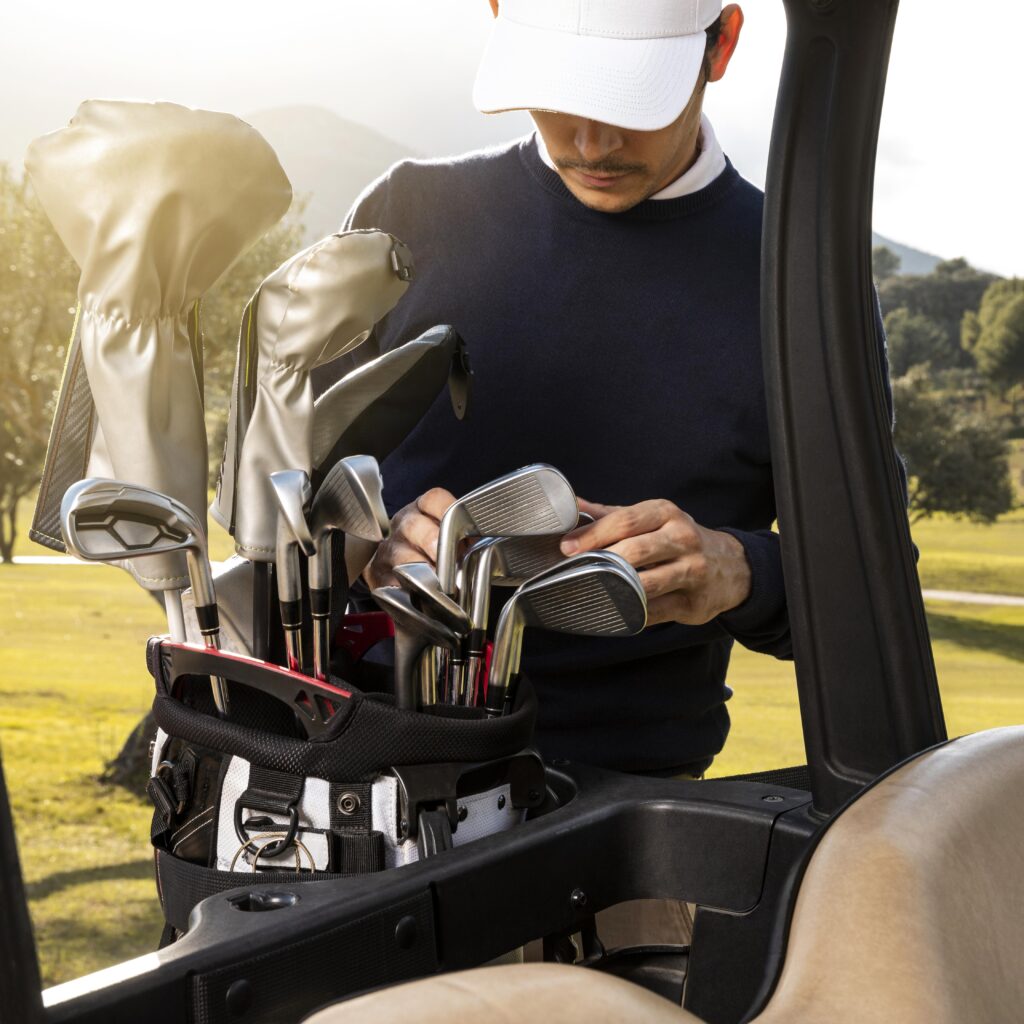
How Golf Travel Bags Protect Your Investment
Golf clubs represent a serious investment, both financially and emotionally. Custom fittings, specialty shafts, and trusted putters are not easily replaced. A quality travel bag acts as insurance against damage that could cost hundreds or even thousands to repair or replace. This protection becomes even more important as equipment technology advances and components become more specialized.
Consumer testing has shown that well constructed travel bags significantly reduce impact force on club heads during drops and compression events https://www.consumerreports.org. This data supports what seasoned travelers already know. Cutting corners on a travel bag often leads to regret after the first rough trip.
Trusted Brands and Industry Standards
While brand names alone do not guarantee quality, established manufacturers tend to follow proven design standards. Many leading brands collaborate with professional players and travel frequently themselves. This experience informs better designs and more reliable construction. The Professional Golfers Association often highlights the importance of proper equipment transport for touring players https://www.pga.com.
It is also worth noting that reputable brands provide better warranties and customer support. If a zipper fails or a wheel breaks, having access to replacement parts or service can extend the life of your bag and protect your investment over time.
Getting the Right Size and Fit for Your Equipment
Sizing is one of the most misunderstood aspects of golf travel bags. Many golfers assume that one size fits all, but club length, driver head size, and additional accessories all affect fit. Standard bags usually accommodate drivers up to forty six inches, but some modern drivers are longer. Checking internal length and headroom prevents pressure on club heads during transport.
Fit also includes how snugly the clubs are held in place. A bag that is too loose allows movement, which increases impact risk. A bag that is too tight can strain shafts and grips. Adjustable internal straps help fine tune fit and keep clubs stable. Taking time to measure your longest club and compare it with the bag specifications avoids costly mistakes.
Weight Balance and Airport Mobility Considerations
Weight distribution matters just as much as total weight. A poorly balanced golf travel bag feels heavier than it is and becomes difficult to maneuver through airports. Well designed bags place wheels near the center of gravity, allowing the bag to roll upright without tipping. This reduces strain on wrists and shoulders, especially during long walks between terminals.
Airline weight limits are another factor. Even a durable bag becomes a liability if it pushes you over the limit. Lightweight materials combined with strong frames offer the best solution. Packing smart also helps. Shoes and heavier items should be placed near the wheels to maintain balance and reduce stress on the upper section of the bag.
Comparing Price Versus Long Term Value
Price ranges for golf travel bags vary widely, but cost alone does not reflect value. Cheaper bags often compromise on padding, wheel quality, or stitching. These weaknesses may not show up immediately, but they tend to fail after repeated use. A moderately priced bag with strong construction often outlasts a budget option and provides better protection.
Long term value also includes warranty coverage and brand support. Some manufacturers offer multi year warranties that cover defects and wear. This adds confidence and reduces replacement costs over time. Spending slightly more upfront often leads to fewer headaches and better performance in the long run.

Common Buying Mistakes Golfers Should Avoid
One common mistake is prioritizing appearance over function. While style matters, a sleek looking bag with poor protection does more harm than good. Another error is ignoring wheel quality. Cheap wheels crack or jam easily, turning travel into a frustrating experience.
Some golfers also underestimate how rough baggage handling can be. Choosing minimal padding to save weight may seem smart until the first damaged club. Reading user reviews and looking for real world testing feedback helps avoid these pitfalls and leads to more informed decisions.
Packing Techniques That Improve Safety
How you pack your clubs inside golf travel bags affects protection just as much as the bag itself. Removing adjustable driver heads reduces stress on the shaft and creates a more compact profile. Wrapping towels or soft clothing around club heads adds cushioning without adding weight.
Placing heavier items like shoes near the bottom stabilizes the bag. Using internal straps correctly prevents clubs from shifting. These simple habits significantly reduce movement and impact risk during transit and help maintain club condition trip after trip.
Storage and Maintenance Between Trips
Proper storage extends the life of golf travel bags. After each trip, allow the bag to air out to prevent moisture buildup. Dirt and debris should be cleaned from wheels and zippers to keep them functioning smoothly. Storing the bag in a cool dry place prevents fabric degradation and mold growth.
Periodic inspection is also wise. Check stitching, wheel mounts, and handles for early signs of wear. Addressing small issues early prevents larger failures later. Maintenance takes little time but pays off in reliability and longevity.
Real World Testing and User Feedback Importance
Marketing descriptions rarely tell the full story. Real world testing reveals how golf travel bags perform under pressure. Drop tests, compression tests, and repeated rolling over rough surfaces highlight strengths and weaknesses that specs alone cannot show.
Independent reviews and golfer forums provide valuable insights. According to testing insights shared by Golf Digest, travel bags that combine reinforced tops with flexible sides perform best in balancing protection and usability https://www.golfdigest.com. Learning from experienced travelers helps narrow choices and avoid disappointment.
Advanced Tips for Frequent Golf Travelers
For golfers who travel often, small refinements make a big difference over time. One smart approach is to keep a dedicated packing checklist specifically for golf travel bags. This ensures nothing important is forgotten and helps maintain consistent packing habits that protect equipment. Items like support rods, head covers, and soft padding become second nature when they are part of a routine.
Frequent travelers also benefit from learning how different airlines handle sports equipment. Some carriers are known for stricter inspections or tighter weight enforcement. Adjusting how you pack based on the airline reduces surprises at check in. Over time, experience combined with a dependable travel bag creates a smoother and less stressful journey.
How Travel Frequency Changes What You Should Buy
Occasional travelers can prioritize convenience and storage flexibility. A soft case with strong padding may meet their needs without taking up excessive space at home. On the other hand, golfers who fly several times a year should lean toward durability and protection, even if it means a heavier or bulkier bag.
Travel frequency also affects wear and tear. Wheels, handles, and zippers are the first components to fail under constant use. Choosing golf travel bags with replaceable wheels or reinforced hardware becomes more important as travel increases. Thinking long term rather than trip by trip leads to smarter purchasing decisions.
Environmental and Climate Considerations While Traveling
Climate plays a role in how equipment and bags perform. Humidity can affect grips and shafts, while extreme heat may weaken adhesives in club heads. Golf travel bags with moisture resistant linings and ventilation help reduce these risks. After traveling through humid regions, airing out the bag becomes essential.
Cold climates present different challenges. Stiff materials can crack if handled roughly in low temperatures. Flexible fabrics with reinforced frames tend to perform better in varied conditions. Understanding where you travel most often helps narrow down which features truly matter for your situation.
When It Makes Sense to Upgrade Your Bag
An upgrade becomes necessary when protection no longer feels reliable. If you notice increased movement inside the bag or visible wear around stress points, it may be time to replace it. Another sign is frustration during travel. Struggling with broken wheels or jammed zippers adds unnecessary stress to what should be an enjoyable experience.
Technology also evolves. Newer golf travel bags often include improved padding systems and smarter layouts that did not exist a few years ago. Upgrading can provide tangible benefits in protection and usability, especially if your current bag was purchased many seasons ago.

Balancing Style With Practical Performance
While performance should always come first, style still matters to many golfers. A clean and professional looking bag reflects pride in your equipment. The good news is that modern designs rarely force a compromise between appearance and function.
Choosing neutral colors can reduce visible scuffs and wear over time. Subtle branding often ages better than bold graphics. A well chosen bag can look good for years while continuing to deliver dependable protection.
Final Thoughts on Making the Right Choice
Choosing the right golf travel bags is about understanding your habits, your equipment, and your priorities. There is no single best option for everyone, but there is a best option for you. Taking time to evaluate materials, construction, and real world performance leads to confident decisions.
A quality travel bag becomes a trusted companion on your golfing journey. It protects your investment, supports your performance, and removes unnecessary worry from travel. When chosen thoughtfully, it pays for itself through reliability and peace of mind.
Frequently Asked Questions About Golf Travel Bags
To begin with, are golf travel bags required for flying with clubs
Most airlines allow clubs to be checked as standard baggage, but using golf travel bags is strongly recommended. They provide protection against rough handling and reduce the risk of damage during transit. Without a proper bag, clubs are far more vulnerable to impact and compression.
Additionally, do soft golf travel bags really protect clubs well enough
Yes, high quality soft golf travel bags can offer excellent protection when designed with dense padding and internal support systems. They are especially effective for moderate travel frequency and shorter trips. Proper packing techniques further enhance their protective ability.
Moreover, how long do golf travel bags usually last
The lifespan depends on build quality and usage. Well constructed golf travel bags used a few times a year can last many seasons. Bags used frequently may show wear sooner, but regular maintenance and careful handling extend their usable life significantly.
Furthermore, can golf travel bags fit oversized drivers
Many modern bags are designed to accommodate longer drivers, but not all do. Checking internal length specifications before buying is essential. Removing adjustable driver heads also helps ensure a better fit and reduces stress on shafts.
Finally, are expensive golf travel bags worth the cost
Higher priced golf travel bags often justify their cost through better materials, stronger construction, and longer warranties. While not every golfer needs a premium model, investing in quality usually results in better protection and fewer replacements over time.