
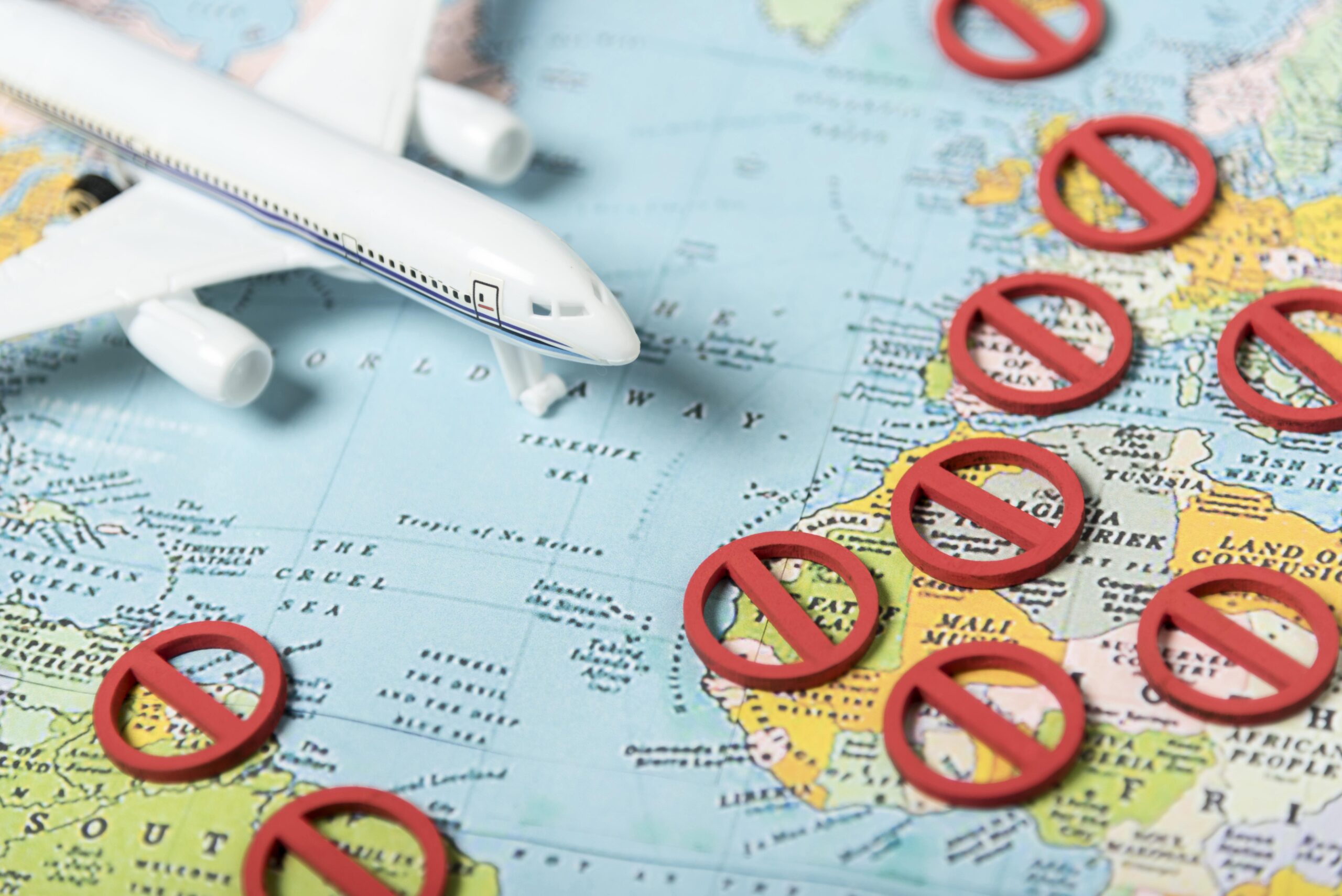
The phrase Caribbean Travel Ban often triggers confusion, anxiety, and misinformation. Many travelers imagine a single sweeping restriction that applies to every island in the region. In reality, the Caribbean is made up of dozens of independent nations and territories, each with its own immigration rules, health policies, and border control decisions. What looks like a regional ban from the outside is usually a collection of country specific measures shaped by local priorities.
Travel restrictions in the Caribbean have historically emerged during periods of global disruption. Health emergencies, security concerns, and diplomatic disputes have all played roles. However, the modern conversation around the Caribbean Travel Ban is mostly rooted in public health responses and changing entry requirements rather than outright prohibitions. Understanding this distinction is essential for anyone planning a trip or following regional travel news.
Another important factor is how quickly policies evolve. Caribbean governments often respond faster than larger nations because tourism is deeply tied to economic stability. When borders close, the impact is immediate. When they reopen, the process is usually phased and carefully managed. This constant adjustment makes it crucial to rely on verified sources rather than social media speculation.
Why Caribbean Travel Restrictions Are Implemented
Caribbean nations depend heavily on tourism revenue, yet they also face unique vulnerabilities. Limited hospital capacity, reliance on imported medical supplies, and smaller populations make risk management a top priority. When a Caribbean Travel Ban or restriction is announced, it is usually intended to protect public health rather than discourage visitors permanently.
Natural disasters also influence travel policies. Hurricanes, volcanic activity, and earthquakes can temporarily disrupt airport operations and port access. In these cases, travel advisories may resemble bans even though they are logistical responses rather than legal restrictions. Once infrastructure is restored, travel typically resumes quickly.
Diplomatic and security issues play a smaller but still relevant role. Certain restrictions may target travelers from specific regions due to visa policies or bilateral agreements. These are often misreported as broad Caribbean Travel Ban measures when they are actually narrow and administrative in nature.
Is There a Single Caribbean Travel Ban
There is no unified Caribbean Travel Ban enforced across all islands. The Caribbean is not a single governing entity. Each country controls its own borders, even when participating in regional organizations. While neighboring islands often coordinate policies, they do not surrender sovereignty over immigration decisions.
During global health crises, many Caribbean nations adopted similar entry rules such as testing requirements or temporary closures. This created the impression of a region wide ban. In practice, timelines and conditions varied widely. Some islands reopened within months, while others maintained stricter controls for longer periods.
Understanding this decentralization helps travelers avoid unnecessary cancellations. A restriction in one destination does not automatically apply to another. Careful destination specific research remains the most reliable approach.
How Travelers Are Most Commonly Affected
For most visitors, the impact of Caribbean Travel Ban related policies appears in the form of entry conditions rather than outright denial. These may include health documentation, arrival screenings, or proof of onward travel. While these steps add complexity, they are far from a full ban.
Flight availability can also change quickly. Airlines adjust routes based on demand and government guidance. A sudden drop in flights may feel like a travel ban, even though borders remain open. This is especially common for smaller islands that rely on limited air connections.
Travel insurance requirements have also become more common. Some Caribbean destinations now expect visitors to carry coverage that includes medical care and evacuation. These measures are designed to protect both travelers and local systems, not to deter tourism.

The Role of International Guidance and Advisories
International organizations play an influential role in shaping perceptions of Caribbean Travel Ban conditions. Agencies issue travel advisories based on health data, security assessments, and infrastructure readiness. These advisories do not carry legal force, but they strongly influence traveler behavior and airline operations.
The World Health Organization provides global health guidance that many Caribbean governments reference when adjusting border policies. Its updates often signal shifts in testing or vaccination expectations. You can review official guidance directly at https://www.who.int for the most accurate information.
Similarly, government travel advisories from major source markets affect tourism flows. When advisory levels change, bookings often rise or fall within days. Understanding the difference between an advisory and a ban helps travelers interpret headlines more accurately.
Media Influence and Public Perception
Media coverage has a powerful effect on how Caribbean Travel Ban news is understood. Headlines often prioritize urgency over nuance, leading readers to assume borders are closed when they are not. This can cause unnecessary cancellations and financial losses for both travelers and local businesses.
Social media amplifies this problem. Outdated posts and personal anecdotes spread quickly, even after policies change. A single viral claim about a Caribbean Travel Ban can persist long after restrictions are lifted. This makes official government sources essential for confirmation.
Local tourism boards frequently work to counter misinformation by publishing clear updates. Many now provide real time alerts and traveler hotlines. These efforts reflect how critical accurate information is to the survival of tourism dependent economies.
Economic Impact on Caribbean Nations
When travel restrictions tighten, the economic consequences are immediate and severe. Tourism supports employment across hotels, transportation, food services, and cultural industries. A Caribbean Travel Ban or even the perception of one can ripple through the economy within weeks.
Small businesses are often hit first. Family run guesthouses, tour operators, and market vendors depend on steady visitor numbers. Extended travel disruptions can push these businesses to the brink. Governments must balance public safety with economic survival, a challenge that has shaped many policy decisions.
In response, several Caribbean nations have invested in resilience planning. Diversifying economies, upgrading healthcare infrastructure, and developing digital travel systems have become priorities. These efforts aim to reduce the need for strict travel measures in the future.
How Policies Differ Between Popular Destinations
Not all Caribbean destinations approach travel restrictions in the same way. Larger tourism hubs often have more resources to implement screening and monitoring systems. Smaller islands may opt for stricter entry controls to compensate for limited capacity.
For example, some destinations prioritize cruise tourism, while others focus on longer stay visitors. These strategic choices influence how and when restrictions are applied. Understanding these differences helps travelers select destinations that align with their comfort level and travel goals.
Regional cooperation also plays a role. Groups like the Caribbean Community facilitate information sharing, but they do not mandate uniform policies. This flexibility allows each nation to respond based on its own circumstances while still benefiting from shared data.

Current Realities of the Caribbean Travel Ban in Practice
Today, the Caribbean Travel Ban is rarely a total closure. Instead, it exists as a patchwork of entry conditions that change based on risk assessments. Most Caribbean destinations remain open to international visitors, but they may require documentation that feels restrictive to unprepared travelers. These measures are designed to manage risk while keeping tourism alive.
One common reality is conditional entry. Travelers may be allowed to enter but must meet specific criteria such as health declarations or proof of accommodations. While this is often described casually as a ban, it is more accurate to see it as controlled access. Understanding this distinction reduces stress and helps travelers plan more confidently.
Another reality is timing. Policies can shift within weeks or even days. What matters most is the rule in place at the moment of arrival, not when the ticket was purchased. This dynamic environment explains why flexibility has become one of the most valuable traits for modern Caribbean travel.
Differences Between Islands and Territories
Each Caribbean destination approaches travel control through its own lens. Some islands depend almost entirely on tourism and aim to keep borders open with layered safeguards. Others prioritize caution due to smaller populations or limited infrastructure. These differences shape how a Caribbean Travel Ban is experienced in practice.
Territories connected to larger nations may follow guidance from their governing country while adapting locally. Independent nations, on the other hand, set policies based on domestic priorities and regional data. This results in noticeable variation even between neighboring islands.
Travelers often assume consistency across the region, but that assumption leads to mistakes. Entry requirements that apply in one destination may not apply in another just a short flight away. Researching each destination individually remains essential.
How Entry Requirements Typically Work
Most current Caribbean Travel Ban related measures revolve around pre travel preparation. Visitors may need to complete digital forms before departure. These forms collect basic information and help authorities manage arrivals efficiently.
Health related requirements have become more standardized over time. While specifics differ, the goal is usually early detection and preparedness rather than exclusion. These systems allow destinations to respond quickly without shutting borders entirely.
Upon arrival, travelers may encounter brief screenings or verification checks. These steps are generally smooth and well organized, especially in destinations with high visitor volumes. Knowing what to expect makes the process feel routine rather than intimidating.
The Role of Airlines and Airports
Airlines act as the first checkpoint in enforcing Caribbean Travel Ban rules. They verify documents before boarding to avoid complications upon arrival. If paperwork is incomplete, travelers may be denied boarding even if the destination itself remains open.
Airports across the Caribbean have invested heavily in process improvements. Clear signage, trained staff, and streamlined procedures help maintain a positive first impression. These investments reflect how important tourism is to national identity and economic health.
Transit hubs also play a role. Connecting flights through third countries may introduce additional requirements. Travelers should consider not only their destination but also every stop along the journey.
Planning a Trip During Restriction Periods
Planning travel during periods associated with a Caribbean Travel Ban requires attention to detail rather than fear. The most successful travelers approach planning as a checklist driven process. This includes confirming entry rules, airline policies, and accommodation requirements.
Flexibility in booking is another key strategy. Choosing tickets and hotels with flexible change policies reduces financial risk. Many Caribbean businesses now offer more accommodating terms in recognition of changing conditions.
Travel insurance has become a practical necessity. Coverage that includes medical support and trip interruption offers peace of mind. This is not about expecting problems, but about preparing intelligently.

How Governments Communicate Changes
Clear communication has improved significantly across the region. Governments now publish updates through official portals and press briefings. These announcements often include effective dates and transition periods to help travelers adjust.
Some destinations use dedicated travel authorization platforms. These systems centralize information and reduce confusion. They also allow authorities to adapt quickly without issuing blanket restrictions.
For regional context, the Caribbean Tourism Organization provides insights into policy trends and recovery efforts. Their official updates can be found at https://www.onecaribbean.org and offer a broader perspective beyond individual islands.
The Impact on Cruise and Air Travel
Cruise tourism experiences Caribbean Travel Ban effects differently than air travel. Ports may adjust protocols based on ship size and itinerary. Cruise lines often work directly with governments to align safety measures.
Air travel tends to reflect policy changes more immediately. Flight schedules adjust quickly in response to demand and regulation. This makes airfare pricing more volatile during periods of uncertainty.
Despite these challenges, both sectors have shown resilience. Collaboration between governments and travel providers has helped maintain access while protecting communities.
Local Community Perspectives
Local residents play a crucial role in shaping travel policies. Public opinion influences how governments balance openness with caution. When communities feel protected, they are more welcoming to visitors.
Many Caribbean citizens rely on tourism for their livelihoods. They understand the importance of keeping borders open safely. This shared interest often drives innovative solutions rather than strict closures.
Community engagement has led to better compliance and smoother implementation of rules. Travelers who respect local guidelines contribute positively to this balance.
Evaluating Risk Versus Reality
The idea of a Caribbean Travel Ban often sounds more severe than the reality on the ground. Most restrictions are targeted, temporary, and designed to adapt. Understanding this reduces unnecessary anxiety.
Risk exists in all travel, but informed decision making minimizes it. By focusing on verified information and practical preparation, travelers can navigate changing conditions with confidence.
The Caribbean remains one of the most accessible and visitor friendly regions in the world. Its response to challenges reflects adaptability rather than isolation.
The Future Outlook for Caribbean Travel Policies
Looking ahead, the idea of a permanent Caribbean Travel Ban is highly unlikely. Caribbean nations have learned valuable lessons about balancing safety with economic survival. Future policies are expected to focus on rapid response systems rather than prolonged border closures. This shift reflects a growing confidence in monitoring tools and regional cooperation.
Governments are investing in digital infrastructure that allows real time assessment of risk. Instead of shutting borders, authorities can now adjust entry conditions quickly and precisely. This flexibility reduces disruption for travelers while maintaining public confidence. Over time, this approach strengthens trust between visitors and host communities.
The long term vision centers on resilience. By improving healthcare capacity, upgrading airports, and refining communication channels, Caribbean destinations aim to stay open even during global challenges. Travel may look different, but access is likely to remain.
How Travelers Can Stay Ahead of Policy Changes
Staying informed is the most effective way to navigate Caribbean Travel Ban concerns. Travelers who monitor official sources close to departure dates rarely face surprises. Signing up for airline alerts and destination updates adds another layer of preparedness.
Another smart strategy is understanding patterns rather than reacting to headlines. Most policy changes follow data driven assessments. Sudden closures are rare, and when they occur, they are usually accompanied by clear guidance. Knowing this helps travelers remain calm and adaptable.
For aviation specific updates, the International Air Transport Association offers insights into global travel trends and regulations. Their official resources are available at https://www.iata.org and provide useful context for understanding how airlines respond to policy shifts.
The Role of Responsible Tourism Going Forward
Responsible tourism is becoming central to policy decisions. Visitors who respect local rules and community needs help destinations avoid stricter controls. This shared responsibility reduces the likelihood of severe restrictions.
Caribbean nations increasingly emphasize education over enforcement. Clear guidelines and transparent communication encourage cooperation rather than resistance. Travelers who engage thoughtfully contribute to a positive cycle that supports open borders.
This evolving relationship between visitors and hosts shapes the future of Caribbean travel. It moves the conversation away from bans and toward collaboration.

Reframing the Caribbean Travel Ban Narrative
The term Caribbean Travel Ban often oversimplifies a complex reality. Most measures are temporary, targeted, and designed to protect rather than exclude. Reframing the narrative helps travelers see opportunities instead of obstacles.
Understanding context transforms perception. When travelers recognize the reasons behind policies, they are more likely to comply and less likely to feel restricted. This mindset shift benefits both sides.
Ultimately, the Caribbean remains open in spirit and practice. Its approach to travel regulation reflects care, adaptability, and a deep commitment to welcoming the world.
Frequently Asked Questions About the Caribbean Travel Ban
So what does the Caribbean Travel Ban actually mean today
In most cases, the Caribbean Travel Ban refers to specific entry requirements rather than a complete prohibition. Instead of closed borders, travelers encounter conditions designed to manage arrivals safely. Therefore, understanding the exact rules of your destination is far more important than fearing a general ban.
However can Caribbean Travel Ban rules change suddenly
Yes, changes can occur, but they are rarely abrupt without notice. Governments usually announce updates with clear timelines. As a result, travelers who check official sources close to departure can adjust plans with minimal disruption.
Moreover does a Caribbean Travel Ban apply to all islands equally
No, each island sets its own policies. While regional trends exist, rules differ based on local circumstances. Consequently, travelers should research each destination individually rather than assuming uniform restrictions.
In addition are airlines affected by Caribbean Travel Ban decisions
Airlines play a direct role in enforcing entry rules. They verify documents before boarding to ensure compliance. Therefore, meeting airline requirements is just as important as meeting destination rules.
Finally is it still safe and worthwhile to plan Caribbean travel
Absolutely. The Caribbean continues to welcome visitors with thoughtful safeguards in place. When travelers prepare carefully and stay informed, they can enjoy rich experiences without unnecessary concern about a Caribbean Travel Ban.