
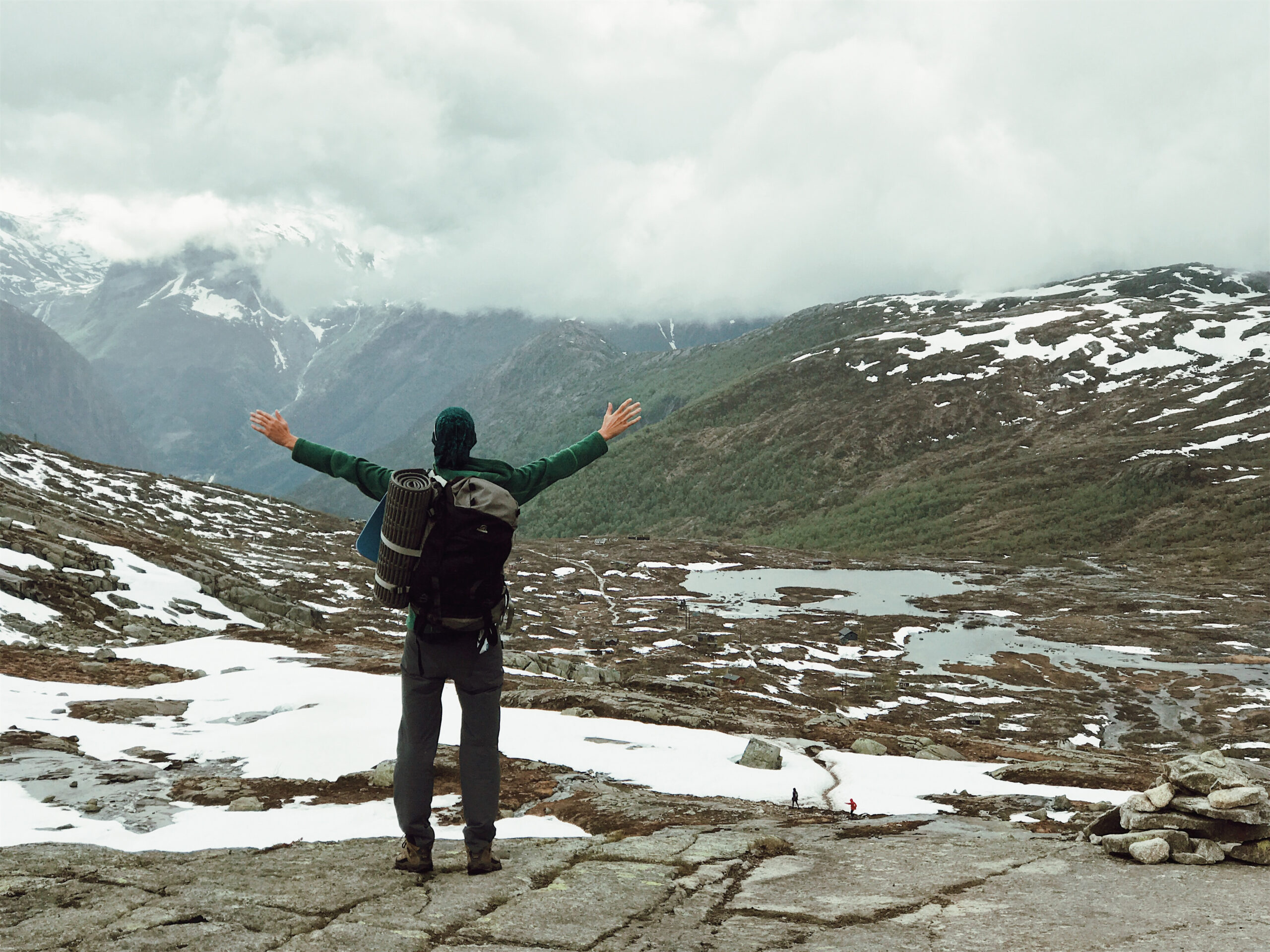
New Zealand Travel has a way of changing how people think about distance and time. The country sits far from most continents, yet once you arrive everything feels close, personal, and carefully preserved. Mountains rise directly from the sea, forests feel ancient rather than managed, and cities move at a human pace. This balance between wild nature and modern comfort is what sets the experience apart from other global destinations.
Another reason New Zealand Travel stands out is the attitude of the people. Locals tend to be open, practical, and quietly proud of their land. Visitors often notice how conversations feel unforced and how help is offered without expectation. That social ease removes stress from travel and allows you to focus on the landscapes, food, and stories that define the country.
Understanding the Geography Before You Plan
New Zealand is divided into two main landmasses, the North Island and the South Island, with each offering a very different experience. The North Island is warmer, more populated, and culturally dense. It is home to vibrant cities, geothermal regions, and strong Maori heritage. The South Island feels wilder and more dramatic, shaped by glaciers, alpine ranges, and deep fjords.
For anyone planning New Zealand Travel, understanding this split is essential. Trying to see everything in one short trip can lead to rushed days and long drives. A focused approach works better. Choose one island if time is limited, or plan a slower journey that allows each region to reveal itself naturally rather than as a checklist.
The Best Time of Year for New Zealand Travel
New Zealand experiences four clear seasons, but weather patterns can change quickly, especially in alpine areas. Summer from December to February offers long daylight hours and ideal conditions for outdoor exploration. This is also the busiest period, with higher accommodation prices and fuller attractions.
Autumn and spring are often overlooked but can be excellent for New Zealand Travel. These shoulder seasons bring fewer crowds, softer light for photography, and more availability across the country. Winter, while colder, opens access to ski regions and quieter towns. Choosing the right season depends less on temperature and more on the type of experience you want.
Entry Requirements and Practical Preparation
Most travelers can enter New Zealand with either a visa waiver or a visitor visa, depending on nationality. Requirements can change, so it is important to check official sources before booking flights. The New Zealand Immigration website provides the most accurate and up to date guidance for entry and length of stay at https://www.immigration.govt.nz.
Beyond paperwork, preparation for New Zealand Travel should include realistic budgeting and health planning. The country has high standards of safety and healthcare, but travel insurance is still essential. Medical costs for visitors can be significant without coverage, especially in remote areas where evacuation services may be required.
Transportation and Getting Around Comfortably
Driving is one of the most rewarding ways to experience New Zealand Travel. Roads are well maintained, scenery is constantly changing, and distances are manageable if planned carefully. However, driving occurs on the left side of the road, which can take adjustment for many visitors.
Public transportation works well in major cities, but rural areas are better accessed by car or organized tours. Domestic flights can save time between distant regions, especially between islands. Choosing the right mix of transport depends on your route, comfort level, and how deeply you want to explore less visited places.

Where to Stay for a Meaningful Experience
Accommodation in New Zealand ranges from luxury lodges to simple holiday parks. What makes staying here special is the emphasis on location rather than excess. Many places are designed to frame views of lakes, mountains, or coastlines, allowing nature to remain the main feature.
For New Zealand Travel, smaller locally owned lodges and guesthouses often provide the most memorable stays. Hosts share regional knowledge, recommend lesser known spots, and create a sense of connection to the area. Booking early is wise during peak seasons, especially in popular regions like Queenstown and Rotorua.
Respecting Nature and Local Culture
New Zealand takes environmental protection seriously, and visitors are expected to do the same. Many hiking tracks and natural areas operate under strict conservation guidelines. Staying on marked paths and following local advice helps preserve fragile ecosystems for future generations.
Cultural respect is equally important during New Zealand Travel. Maori traditions and values are woven into daily life, from language to ceremonies. Learning basic cultural etiquette and understanding the significance of certain sites adds depth to your journey and shows appreciation for the people who call this land home.
Exploring the North Island With Purpose
The North Island offers a layered experience where culture, landscape, and everyday life blend seamlessly. Auckland is often the first stop for New Zealand Travel, not because it demands attention but because it introduces balance. Beaches, volcanic cones, and modern neighborhoods exist side by side. Spending time here helps travelers adjust to the pace of the country before heading deeper.
Further south, Rotorua reveals the geothermal heart of the island. Steam vents, mineral pools, and boiling mud create an environment that feels almost alive. The region is also central to Maori culture, with guided experiences that focus on storytelling rather than spectacle. This combination of natural forces and living tradition gives the North Island its emotional depth.
Wellington and the Creative Pulse
Wellington feels different from other capitals. Compact, walkable, and shaped by wind and sea, it rewards curiosity. Cafes double as cultural hubs, and small galleries reflect a strong creative identity. For New Zealand Travel, Wellington provides context rather than contrast, showing how urban life adapts to geography instead of overpowering it.
The city is also home to national institutions that explain the country beyond its scenery. Museums and historic sites explore migration, conflict, and innovation in ways that feel personal rather than academic. Spending even a short time here adds clarity to everything seen later on the road.
The South Island and Its Dramatic Landscapes
The South Island defines how many people imagine New Zealand Travel. Snow capped peaks, glacial lakes, and wide open valleys create a sense of scale that is difficult to describe accurately. Places like Mount Cook National Park invite slow exploration rather than hurried sightseeing.
Driving through the South Island feels cinematic but grounded. Small towns appear between long stretches of wilderness, offering warmth and human connection. This contrast between isolation and hospitality becomes one of the most lasting impressions for visitors who take their time.
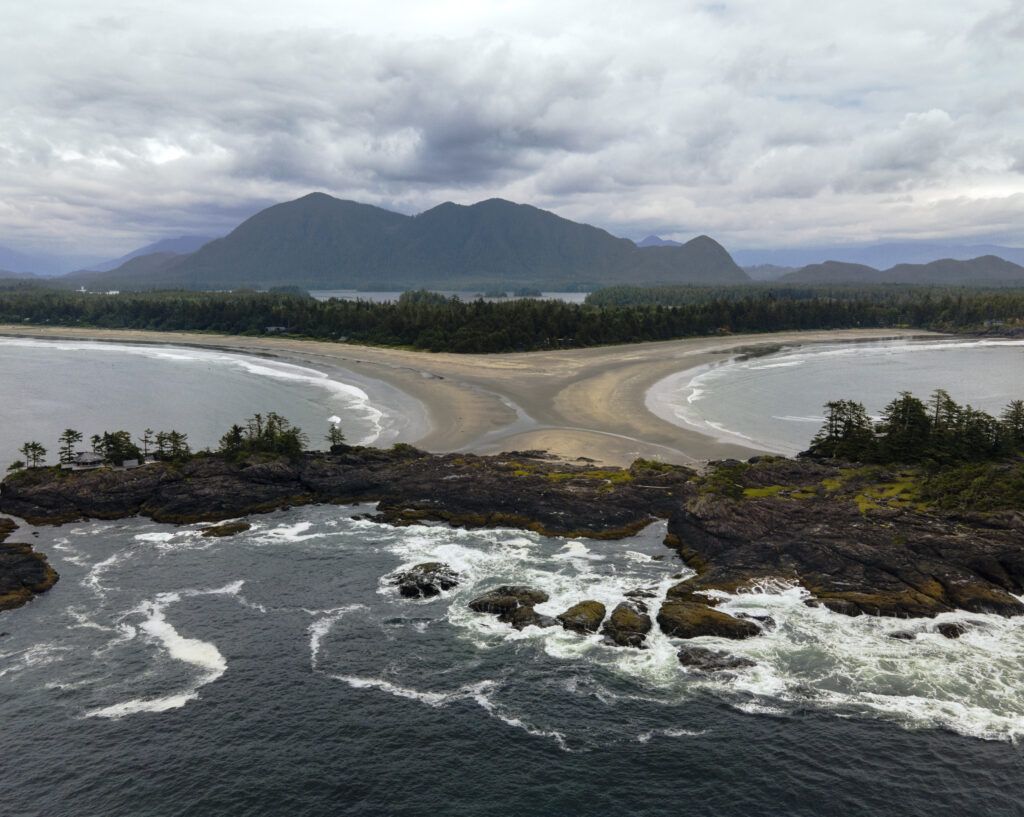
Queenstown Beyond Adventure
Queenstown is often associated with adrenaline activities, but reducing it to that misses its quieter strengths. The town sits beside a lake that reflects changing light throughout the day, creating moments of stillness even during busy seasons. For New Zealand Travel, Queenstown works best when treated as a base rather than a checklist.
Nearby regions like Arrowtown and Glenorchy provide historical depth and natural calm. Short drives lead to walking trails, vineyards, and viewpoints that feel untouched. Choosing balance over excess allows Queenstown to reveal its softer side.
Fjords, Glaciers, and the Power of Silence
Fiordland National Park represents one of the purest expressions of nature in New Zealand Travel. Milford Sound and Doubtful Sound are often described as dramatic, but the true impact comes from silence. Waterfalls fall into dark water, clouds drift slowly, and sound seems absorbed by the landscape.
Glaciers on the West Coast offer another perspective on time and change. Walking near these ice formations makes climate and geography feel immediate rather than abstract. Respecting safety guidance is essential here, as conditions can shift quickly and without warning.
Food Culture and Local Flavors
Food in New Zealand reflects its geography and values. Fresh seafood, seasonal produce, and simple preparation dominate menus across the country. Meals tend to focus on quality rather than complexity, allowing ingredients to speak for themselves.
For New Zealand Travel, exploring local markets and small eateries provides insight into daily life. Regional wines and craft beverages also play a role, especially in areas like Marlborough and Central Otago. Tasting locally connects travelers to the land in a way that scenery alone cannot.

Building an Itinerary That Feels Right
A successful New Zealand Travel itinerary leaves room for change. Weather, conversations, and unexpected discoveries often lead to the best moments. Planning fewer destinations with more time in each creates space for depth rather than fatigue.
It is also important to account for driving time realistically. Roads are scenic but winding, and short distances can take longer than expected. Treat travel days as part of the experience, not obstacles to be rushed through.
Understanding Costs and Budget Planning
New Zealand Travel is not a budget destination, but it rewards thoughtful spending. Accommodation, food, and transportation reflect the country’s high living standards and strong worker protections. While prices may feel higher than in parts of Asia or Eastern Europe, value often comes through cleanliness, safety, and reliability rather than luxury.
Smart budgeting starts with prioritization. Spending more on experiences like guided nature tours or scenic stays often delivers better memories than overspending on constant dining out. Self catering accommodations, local bakeries, and supermarkets help balance costs without sacrificing quality or comfort.
Safety, Health, and Peace of Mind
New Zealand consistently ranks as one of the safest countries in the world for travelers. Violent crime is rare, and solo travel is widely accepted and supported. That said, safety in New Zealand Travel is more about nature than people. Weather changes, ocean conditions, and mountain terrain require respect and preparation.
Healthcare standards are excellent, but visitors should never rely on public coverage. Travel insurance remains essential, especially for outdoor activities. Following local guidance, reading trail notices, and listening to weather updates reduces risk and ensures a smoother experience across the country.
Responsible Travel and Environmental Care
Responsible travel is not optional in New Zealand. It is part of the national identity. Visitors are expected to follow the principles of care for land, water, and wildlife. This includes disposing of waste properly, conserving water, and respecting protected areas.
New Zealand Travel becomes more meaningful when visitors align with these values. Simple actions like supporting local businesses, avoiding overcrowded hotspots, and learning about conservation efforts help protect what makes the country special. Responsibility here is not restrictive. It deepens connection.
Staying Connected Without Losing Presence
Internet access in New Zealand is reliable in cities and towns, with coverage extending to many rural areas. However, some remote regions have limited or no signal. Planning offline maps and downloads in advance prevents frustration during road trips.
At the same time, New Zealand Travel invites disconnection in the best way. Long stretches of silence, open landscapes, and slow evenings encourage presence. Many travelers later realize that these quieter moments became the most restorative part of their journey.

Final Thoughts on Experiencing New Zealand Fully
New Zealand Travel is not about rushing through highlights. It is about rhythm. The country reveals itself gradually through movement, conversation, and stillness. Those who approach it with patience often leave with a sense of clarity rather than exhaustion.
What stays with most visitors is not a single landmark but a feeling. A morning light over a lake. A shared story with a local. A drive that felt longer than planned but somehow perfect. These moments define the experience more than any itinerary ever could.
Frequently Asked Questions About New Zealand Travel
First of all, how many days are ideal for New Zealand Travel
Ideally, a minimum of ten to fourteen days allows travelers to experience New Zealand Travel without constant rushing. This timeframe supports either a focused exploration of one island or a balanced introduction to both with careful planning and realistic expectations.
Secondly, is New Zealand Travel suitable for first time international travelers
Yes, New Zealand Travel is very suitable for first time international travelers due to its safety, clear infrastructure, and English speaking environment. Moreover, signage, services, and travel systems are intuitive, which reduces stress for those new to long distance travel.
Additionally, do I need to rent a car for New Zealand Travel
While not mandatory, renting a car greatly enhances New Zealand Travel, especially outside major cities. Public transport works well in urban areas, but a personal vehicle allows access to remote landscapes and flexible pacing that many travelers value.
Meanwhile, is New Zealand Travel expensive compared to other destinations
Compared to many regions, New Zealand Travel can feel expensive, particularly for accommodation and dining. However, the quality of services, safety standards, and natural access often justify the cost when planned thoughtfully and balanced with self managed options.
Finally, what makes New Zealand Travel different from similar nature destinations
What truly separates New Zealand Travel is the balance between accessibility and preservation. Landscapes feel wild yet reachable, and cultural respect is woven into daily life. This combination creates an experience that feels both adventurous and grounded at the same time.