

Travel advisories often create unnecessary fear because they compress complex realities into short warnings. A Honduras Travel Advisory should never be read as a judgment of the entire country. Honduras is diverse, regional, and deeply influenced by local conditions. Some areas face serious challenges related to crime and infrastructure, while others are stable, welcoming, and well prepared for visitors.
Many travelers who plan carefully and stay informed report meaningful and positive experiences. They discover warm hospitality, rich cultural traditions, and landscapes that remain refreshingly untouched. The key is not ignoring risks but understanding where they exist, why they exist, and how to manage them with confidence and awareness.
This guide is written to provide clarity rather than alarm. It explains current safety conditions, regional differences, common risks, and practical strategies that genuinely reduce problems. The purpose is to help you decide intelligently whether Honduras fits your travel goals and comfort level.
Current Safety Landscape in Honduras
How Crime Actually Affects Travelers
When reviewing a Honduras Travel Advisory, it is important to separate national crime statistics from the reality most travelers experience. Honduras has struggled with violent crime for years, and that reality should not be dismissed. However, these incidents are highly concentrated in specific locations and rarely affect visitors who stay within recommended areas.
Violent crime is largely limited to certain neighborhoods in Tegucigalpa and San Pedro Sula. These districts are well known to locals and are not places tourists typically enter by accident. Tourist zones, beach destinations, and historic towns operate under very different conditions, with increased security and community awareness.
Petty crime such as pickpocketing or bag theft does occur, especially in crowded areas or transportation hubs. This is comparable to many global destinations. Simple precautions such as avoiding flashy items, staying alert, and using secure transport dramatically lower the risk.
Government Efforts and Tourism Protection
The Honduran government continues to work with international partners to improve public safety and tourism protection. While progress is uneven, travelers benefit from increased police presence in tourist areas and better emergency response in major cities and resort zones.
Tourism plays a significant role in the economy, which means protecting visitors is a priority in popular destinations. Hotels, tour operators, and local businesses actively coordinate with authorities to maintain safe environments.
Regional Differences That Matter
Safer Regions for Visitors
One of the most important details often missed in a Honduras Travel Advisory is how dramatically safety conditions vary by region. Honduras cannot be understood as a single travel environment.
The Bay Islands, including Roatan and Utila, are widely regarded as the safest areas for travelers. These islands depend heavily on tourism and maintain strong local security practices. Violent crime is rare, and most reported incidents involve minor theft. Visitors who stay in reputable accommodations and use licensed transportation generally feel comfortable exploring.
Copan Ruinas, near the Guatemalan border, is another destination with a strong safety record. Known for its Maya ruins and relaxed pace, the town attracts cultural travelers and maintains a calm, organized atmosphere. Tourism is central to the local economy, and visitors are treated with care and respect.
Areas That Require Extra Caution
Major cities such as Tegucigalpa and San Pedro Sula require more awareness. These cities contain both safe districts and high risk neighborhoods. Travelers should remain within known zones, avoid walking at night, and rely on trusted transportation arranged through hotels or verified services.
Rural regions vary widely. Some communities are peaceful and welcoming, while others lack infrastructure and rapid emergency services. Travelers planning to explore remote areas should consider guided tours and local expertise to ensure safety and smooth navigation.
Political Stability and Social Conditions
Protests and Public Demonstrations
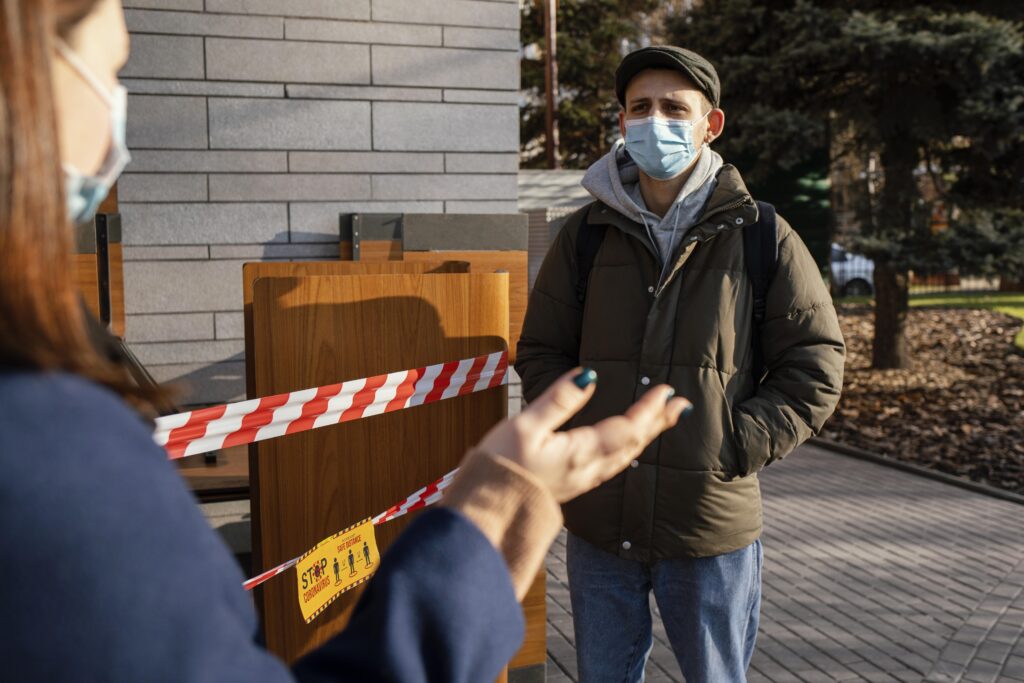
Political demonstrations and labor protests do occur in Honduras, usually in response to economic or policy issues. These events are typically localized and not aimed at tourists, but they can disrupt traffic and public services without much warning.
A Honduras Travel Advisory often mentions the possibility of sudden road blockages during protests. Staying informed through local news and hotel staff helps travelers adjust plans when necessary. It is always wise to avoid large gatherings, even when they appear peaceful.
Understanding the Broader Social Context
Economic inequality remains a major challenge and contributes to crime in certain areas. Understanding this background helps travelers approach Honduras with empathy and realism rather than fear. Supporting local businesses and choosing ethical tourism options can positively impact the communities you visit.
Health Considerations for Travelers
Medical Access and Preventive Care
Health guidance is a critical part of any Honduras Travel Advisory. Healthcare quality varies significantly across the country. Major cities and tourist areas have private clinics and hospitals that meet acceptable standards, but rural areas may have limited resources.
Routine vaccinations should be up to date before travel. Mosquito borne illnesses such as dengue and chikungunya are present, particularly during rainy seasons. Using insect repellent and wearing protective clothing are essential preventive measures.
Tap water is not consistently safe for drinking. Bottled or purified water should be used for drinking and brushing teeth in most areas. Food safety is generally good in established restaurants, but travelers should be cautious with unfamiliar street food.
For reliable and current health guidance, consult the World Health Organization at https://www.who.int and the Centers for Disease Control and Prevention at https://www.cdc.gov. These sources provide practical recommendations specific to Honduras.
Transportation Safety and Infrastructure
Getting Around Safely
Transportation concerns frequently appear in a Honduras Travel Advisory. Road conditions vary from modern highways to poorly maintained rural routes. Driving habits can be unpredictable, and traffic laws are not always strictly enforced.
Many travelers choose private shuttles or domestic flights to reduce risk. In cities, registered taxis or ride services arranged through hotels are safer than hailing vehicles on the street. On the islands, licensed taxis and golf carts are common and generally reliable.
Public buses are inexpensive but can be crowded and are occasionally targeted for theft. Long distance coach services operated by reputable companies provide a safer alternative for intercity travel.
Weather can also impact transportation. Heavy rain during hurricane season may cause flooding or landslides in mountainous areas. Monitoring forecasts and allowing extra travel time can prevent unnecessary stress.
Understanding Official Travel Advisories
How to Read Advisories Correctly
Travel advisories are designed to prioritize safety, often leaning toward caution rather than nuance. A Honduras Travel Advisory issued by one country may differ significantly from another based on policy and risk assessment.
The United States Department of State provides detailed regional guidance at https://travel.state.gov, highlighting specific departments and cities rather than labeling the entire country the same way. Comparing multiple official sources helps travelers identify consistent risk patterns.
It is important to read beyond the headline warning level. Many advisories clearly state that large numbers of visitors travel safely each year while outlining areas to avoid and behaviors that reduce risk.
Preparing Mentally for Travel to Honduras
Travel safety is not only about logistics. Mindset matters. Travelers who arrive informed but open minded tend to navigate challenges more calmly and make better decisions. Understanding the realities described in a Honduras Travel Advisory allows you to travel with awareness rather than fear, setting the foundation for a responsible and rewarding experience.
Personal Safety Strategies That Actually Work
Practical Habits That Reduce Risk
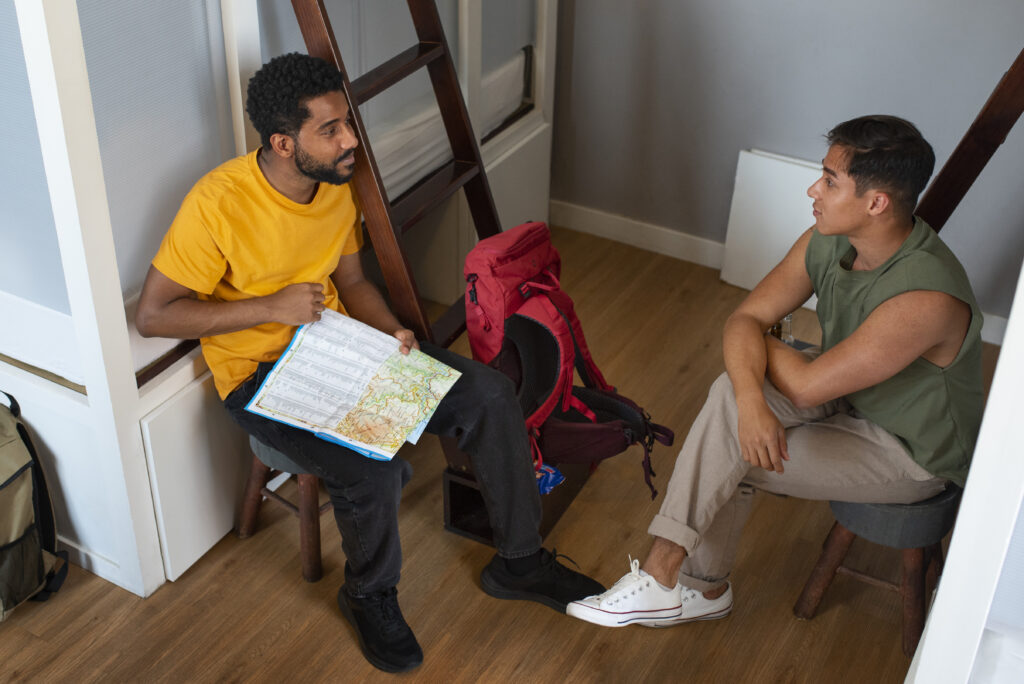
A Honduras Travel Advisory becomes far more useful when translated into daily habits. Most safety issues faced by travelers are preventable with simple, consistent behavior. Staying aware of surroundings, avoiding unnecessary attention, and moving with purpose make a real difference.
Dress modestly and keep valuables discreet. Expensive watches, jewelry, or visible electronics can attract unwanted attention. Carry only what you need for the day and leave passports and excess cash secured at your accommodation whenever possible.
Trust local knowledge. Hotel staff, guides, and residents understand which areas are best avoided and which routes are safest at different times of day. Listening to their advice often matters more than online opinions.
Nighttime Awareness and Movement
Even in relatively safe regions, nighttime requires added caution. Walking alone after dark is rarely recommended, especially in unfamiliar neighborhoods. Using trusted transportation arranged through hotels or licensed providers significantly lowers risk.
If you plan to enjoy nightlife in areas like Roatan or Copan Ruinas, stay within well lit zones and travel in groups when possible. Responsible enjoyment and clear judgment go a long way toward staying safe.
Accommodation Choices and Location Awareness
Why Where You Stay Matters
Your choice of accommodation plays a central role in how safe your trip feels. A Honduras Travel Advisory often emphasizes location because risk levels can change dramatically within the same city.
Well reviewed hotels, eco lodges, and guesthouses in tourist friendly neighborhoods invest in security measures such as controlled access, trained staff, and local coordination. These properties also provide valuable guidance on transportation and nearby areas.
Avoid accommodations that seem unusually cheap without clear reviews or location transparency. Saving a small amount on lodging is rarely worth increased stress or uncertainty.
Resorts Versus Independent Stays
Resort areas and organized eco lodges offer a controlled environment that appeals to travelers seeking peace of mind. These options often include transportation, excursions, and on site support.
Independent stays such as apartments or small guesthouses can also be safe if chosen carefully. Research the neighborhood thoroughly and confirm access to reliable transport. Communication with hosts before arrival often reveals how well they understand and manage local safety considerations.
Money Management and Financial Safety
Handling Cash and Payments
Cash remains widely used across Honduras, especially outside major tourist zones. A Honduras Travel Advisory often advises travelers to carry modest amounts and avoid displaying large sums.
ATMs are available in cities and tourist areas, but it is wise to use machines located inside banks or shopping centers. Withdraw money during daylight hours and remain alert to your surroundings.
Credit cards are accepted in many hotels and restaurants, particularly in tourist destinations. Inform your bank of travel plans in advance to avoid service interruptions.
Avoiding Common Financial Scams
While Honduras is not known for sophisticated tourist scams, basic caution is still important. Be wary of unsolicited offers, overly helpful strangers, or deals that feel rushed.
Confirm prices before services such as taxis or tours begin. Using established operators and recommendations from your accommodation greatly reduces the chance of misunderstandings.
Interacting With Locals Respectfully
Cultural Awareness and Communication
Understanding local culture enhances safety and enjoyment. Hondurans are generally warm, polite, and helpful. A respectful attitude goes a long way in building positive interactions.
Learning basic Spanish phrases helps navigate daily situations and shows goodwill. Even simple greetings and expressions of thanks are appreciated and often result in better assistance.
Avoid discussing sensitive topics such as local politics or crime unless invited. Listening more than speaking allows you to understand perspectives without causing discomfort.
Trust and Boundaries
Most interactions with locals are positive, but healthy boundaries are important anywhere you travel. Be friendly without oversharing personal details or travel plans with strangers.
If a situation feels uncomfortable, remove yourself calmly. Trusting your instincts is a valuable safety tool and aligns well with guidance found in any Honduras Travel Advisory.
Natural Hazards and Environmental Awareness
Weather and Seasonal Risks
Honduras is exposed to seasonal weather patterns that travelers should understand. Heavy rainfall during certain months can lead to flooding and landslides, particularly in mountainous regions.
Hurricane season affects the Caribbean coast and islands. While direct hits are rare, storms can disrupt travel plans. Monitoring forecasts and maintaining flexible itineraries reduces stress.
Sun exposure and heat can be intense year round. Staying hydrated, wearing sun protection, and pacing activities help prevent health issues.
Wildlife and Outdoor Safety
Outdoor adventures are a major draw for travelers. From coral reefs to jungle trails, Honduras offers rich natural experiences. Guided activities are recommended for hiking, diving, and wildlife encounters.
Following local guidelines protects both visitors and ecosystems. Avoid touching marine life, stay on marked trails, and respect conservation rules. Responsible behavior supports sustainable tourism and personal safety.
Emergency Preparedness and Support
What to Do in an Emergency
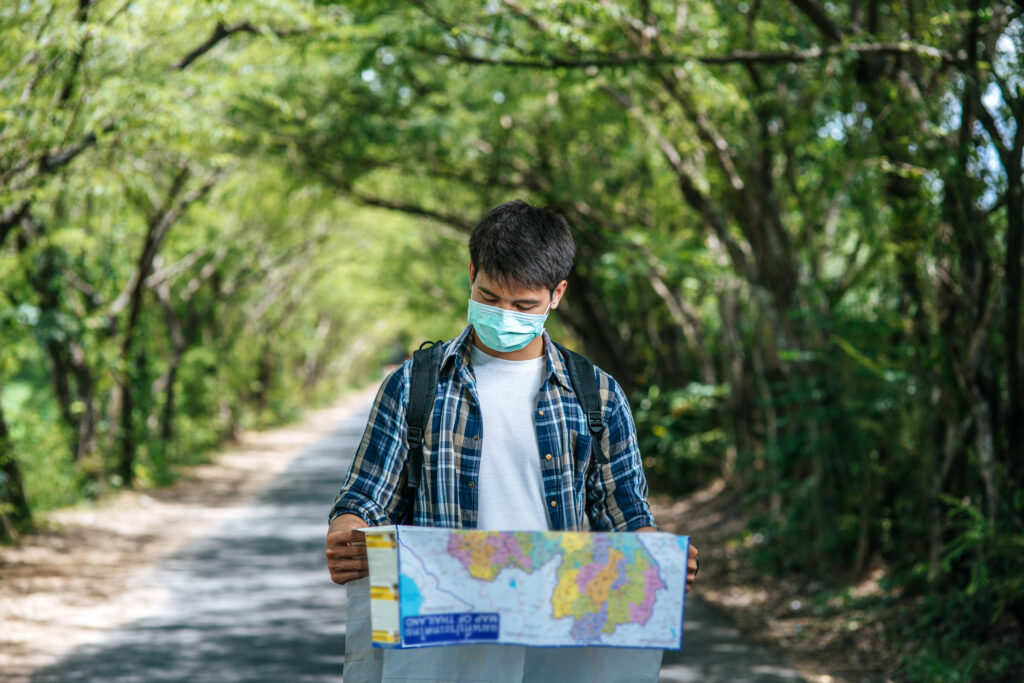
Knowing how to respond in an emergency brings confidence. A Honduras Travel Advisory typically encourages travelers to understand local emergency numbers and procedures.
Police, medical services, and private clinics are available in major areas, though response times vary. Keeping accommodation contact details easily accessible helps coordinate assistance quickly.
Registering your trip with your embassy or consulate provides an added layer of support. In case of natural disasters or political unrest, official channels can provide guidance and assistance.
Consular Resources and Travel Insurance
Comprehensive travel insurance is strongly recommended. Coverage should include medical evacuation, emergency care, and trip interruption. This preparation often determines how manageable unexpected situations become.
For official guidance and traveler support, consult embassy resources such as the United States Department of State at https://travel.state.gov. These platforms offer updated alerts and contact information relevant to Honduras.
Weighing Risks Against Rewards
Every destination involves trade offs. A Honduras Travel Advisory highlights risks, but it does not define the entire experience. Travelers who prepare thoughtfully often find Honduras rewarding, affordable, and deeply memorable.
From coral reefs to ancient ruins, the country offers experiences that feel personal and uncommercialized. Understanding risks allows you to engage with these places responsibly rather than avoiding them entirely.
Informed travel is not about eliminating uncertainty but managing it wisely. With realistic expectations and practical preparation, Honduras can be explored safely and respectfully.
Planning Your Trip Efficiently
Choosing the Right Time to Visit
Timing can dramatically influence both safety and enjoyment. Honduras has a tropical climate with regional variations. The dry season, typically November through April, offers easier travel conditions, clearer skies, and safer road access. Rainy months can make rural travel challenging and increase the risk of flooding or landslides.
For coastal areas and the Bay Islands, avoiding the peak hurricane months of August through October reduces the chance of weather related disruptions. Planning activities and accommodations around seasonal patterns improves both comfort and safety.
Trip Duration and Itinerary Design
Short trips focused on one or two regions are easier to manage safely. Attempting to cover multiple distant areas in a single visit increases exposure to unfamiliar roads, neighborhoods, and transport risks.
A balanced itinerary might include time in Tegucigalpa or San Pedro Sula for urban culture, Copan Ruinas for historical exploration, and the Bay Islands for relaxation and water activities. Spreading travel over several days between regions allows for adjustments if weather or local conditions require changes.
Tourism and Sustainable Practices
Supporting Local Communities
Honduras offers opportunities for responsible tourism that directly benefits local communities. Choosing family run hotels, local guides, and craft markets supports livelihoods and creates a safer, more welcoming environment.
Community tourism initiatives also promote cultural exchange while minimizing disruption to local life. Engaging respectfully and purchasing goods directly from artisans reinforces ethical travel and fosters positive relationships with locals.
Eco Friendly Travel Considerations
The country’s natural beauty depends on conservation. Travelers should avoid littering, follow established trails, and respect wildlife. Diving and snorkeling activities should follow eco standards, avoiding contact with corals or marine creatures.
Eco tourism not only protects the environment but also ensures continued safety. Clean, well maintained destinations reduce hazards and provide a more reliable infrastructure for visitors.
Travel Documentation and Legal Requirements
Entry and Visa Considerations
Most travelers need a valid passport with at least six months’ validity. Visa requirements vary depending on nationality, so checking official sources before departure is essential. Airlines and border officials strictly enforce documentation requirements, and incomplete paperwork can cause significant delays.
For official guidance, consult Honduras’ government portal at https://www.gob.hn or embassy resources in your country. These sites provide up to date entry rules, visa exemptions, and procedural details.
Carrying Copies and Emergency Records
It is advisable to keep digital and physical copies of travel documents, including passport, visa, travel insurance, and emergency contacts. Having these records readily available facilitates recovery in case of loss or theft and is strongly recommended by all reliable travel advisories.
Staying Connected and Informed
Mobile Connectivity and Internet Access
Cell coverage is strong in cities and major tourist areas, but remote regions may have intermittent service. Purchasing a local SIM card or using international roaming helps maintain access to maps, emergency contacts, and travel updates.
Reliable internet allows travelers to monitor news, weather, and safety alerts in real time. Following local authorities and trusted news sources reduces the risk of being caught unaware by political or environmental developments.

Health and Wellness on the Road
Maintaining Physical Health
Traveling in a tropical country requires consistent attention to hydration, sun protection, and nutrition. Bottled or purified water is recommended, and meals should be chosen based on hygiene and familiarity.
Carrying basic medications and a small first aid kit helps address minor health issues promptly. Maintaining routines such as sleep, balanced meals, and moderate activity preserves energy and alertness, which are critical for both enjoyment and safety.
Mental Preparedness
Travel often involves unexpected changes. Staying calm and adaptable enhances both safety and the overall experience. Familiarity with local customs, basic language skills, and realistic expectations about infrastructure and services reduces stress and builds confidence.
Conclusion: A Balanced Perspective
A Honduras Travel Advisory provides guidance but should not overshadow the rich experiences available. Honduras combines natural beauty, cultural heritage, and warm hospitality with challenges that are manageable with preparation and awareness.
By understanding regional differences, practicing practical safety measures, supporting local communities, and remaining informed, travelers can explore Honduras responsibly and enjoyably. Risk is part of travel, but informed decisions allow visitors to minimize danger and maximize reward.
Honduras is a destination that rewards those who approach it thoughtfully. Proper planning, respect for local customs, and awareness of potential hazards ensure a meaningful and safe journey.
Frequently Asked Questions
Is it safe to visit Honduras right now?
Safety varies by region. Following a Honduras Travel Advisory and avoiding high risk neighborhoods in Tegucigalpa and San Pedro Sula while sticking to tourist friendly areas like the Bay Islands or Copan Ruinas significantly reduces risk. Awareness, trusted transport, and responsible behavior are key.
What areas should I avoid according to the Honduras Travel Advisory?
Travel advisories generally highlight certain urban districts with higher crime rates. Avoid walking alone at night, steer clear of known unsafe neighborhoods, and monitor local news for protests or disruptions. Tourist zones, islands, and cultural towns are generally considered safe.
How can I stay healthy during my trip to Honduras?
Use bottled or purified water, apply insect repellent, stay hydrated, and practice food safety. Keep routine vaccinations up to date and follow guidance from sources like https://www.cdc.gov and https://www.who.int.
Do I need travel insurance for Honduras?
Yes. Comprehensive travel insurance is strongly recommended. It should cover medical emergencies, evacuation, and trip interruptions. Insurance offers peace of mind and access to resources if unexpected events occur.
Where can I find official travel updates for Honduras?
Official updates can be found through embassy websites, the United States Department of State at https://travel.state.gov, and trusted international health sites. Cross checking multiple sources provides a clearer, nuanced understanding.