Travel from Milan to Venice by train is one of those experiences that quietly sets the tone for an Italian journey. It connects two cities that feel completely different in spirit yet deeply linked by history, commerce, and culture. Milan moves fast and thinks forward. Venice drifts slowly and invites reflection. The train does not just take you from one place to another. It gives you time to adjust your mindset as the landscape changes and the pace softens.
Many travelers approach this route with a simple question. What is the best way to get from Milan to Venice? The answer, time after time, is the train. Not because it is trendy or romantic, but because it works. It respects your time, removes unnecessary stress, and delivers you directly into the heart of Venice without compromise.
This guide is written for travelers who want clarity, not shortcuts. It explains the journey in depth, answers real questions, and helps you make smart choices so that travel from Milan to Venice by train becomes one of the most satisfying parts of your trip rather than a logistical hurdle.
Why the train fits Italy so well
Italy is a country where cities were built long before modern transport. Roads can be narrow, parking limited, and airports distant from historic centers. Trains, on the other hand, were designed to connect people where they actually live and visit.
In Milan, trains depart from Milano Centrale, a grand station that is both functional and iconic. In Venice, trains arrive at Venezia Santa Lucia, which opens directly onto the Grand Canal. This alone is a strong argument in favor of rail travel. You do not lose time transferring from airports or navigating unfamiliar road systems.
Travel from Milan to Venice by train also aligns with how Italians themselves move between cities. Business travelers, students, and families rely on the rail network daily. This shared use keeps standards high and schedules reliable.
There is also a quieter benefit. The train allows you to observe the country as it unfolds naturally. You pass through industrial zones, agricultural land, small towns, and historic cities. It is an education in geography without effort.
Distance, timing, and what the journey really feels like
The distance between Milan and Venice is roughly two hundred eighty kilometers. On paper, that may not seem far. In practice, how you travel makes all the difference.
High speed trains complete the journey in a little over two hours. Slower trains may take closer to three hours. Both options are reasonable, but the experience differs.
On a high speed train, the journey feels precise and efficient. You board, settle into your seat, and before you know it the canals of Venice appear. On a regional train, time stretches slightly. You stop more often, see more detail, and feel less urgency.
Neither option is wrong. The choice depends on whether your priority is speed or flexibility. What remains constant is the comfort and predictability that rail travel offers.
Unlike driving, there is no concern about traffic. Unlike flying, there is no long security process or early arrival requirement. Travel from Milan to Venice by train fits neatly into a travel day without consuming it.

Understanding the types of trains available
Italy offers two main categories of trains on this route. Each serves a distinct purpose and traveler profile.
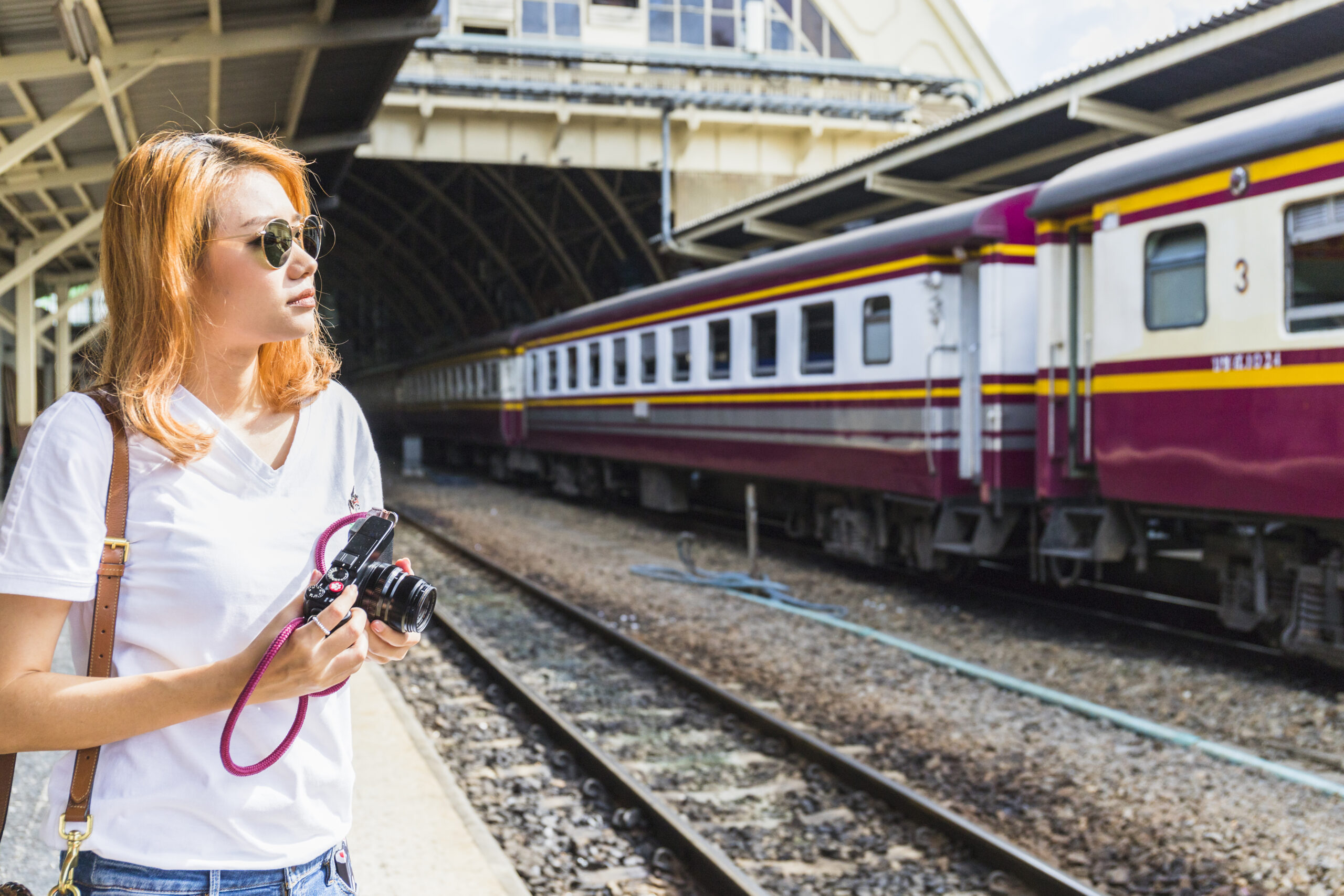
High speed services are operated by Trenitalia and Italo. These trains are modern, quiet, and designed for long distance comfort. Seats are reserved, which means you know exactly where you will sit. Carriages are climate controlled, luggage space is generous, and onboard amenities are consistent.
Regional trains are slower and make more stops. Tickets are cheaper and more flexible, but seating is not always assigned. These trains appeal to travelers who are less concerned with time and more interested in cost or spontaneity.
For first time visitors, high speed trains usually provide the smoothest experience. They reduce uncertainty and make scheduling easier, especially if you have hotel check in times or planned activities.
Official schedules, ticket options, and service details can be found on the national rail website at https://www.trenitalia.com which remains the most authoritative source for Italian train travel.
How to book tickets with confidence
Booking train tickets in Italy is straightforward, but understanding a few key points can make a noticeable difference.
High speed train prices change based on demand. Buying early often results in significant savings. Waiting until the last minute usually means paying more, especially during weekends or peak travel seasons.
Tickets can be purchased online, through mobile applications, or at station counters. Online booking offers the clearest comparison of prices and travel times. It also allows you to select your seat and receive a digital ticket that can be stored on your phone.
When booking, always confirm the departure and arrival stations. In Milan, the correct departure point for most long distance services is Milano Centrale. In Venice, you want Venezia Santa Lucia, not Mestre. Mestre is located on the mainland and requires an additional transfer to reach the historic city.
If you prefer a simplified booking experience with clear explanations in English, https://www.italotreno.it provides a user friendly interface for high speed services.
What to expect on board the train
Once on board, the experience is calm and organized. Conductors check tickets shortly after departure. This is routine and does not interrupt the journey.
Seats are designed for comfort, with adequate legroom and wide windows. Power outlets are available on most high speed trains, making it easy to charge devices. Wi Fi quality varies, but it is sufficient for basic use.
Luggage storage is simple. Smaller bags fit overhead, while larger suitcases can be placed in designated areas near the carriage entrance. There is no strict enforcement of baggage size, which is especially helpful for travelers carrying more than one bag.
Food service is modest but convenient. Some trains have a cafe carriage, while others offer at seat service depending on class. Many travelers choose to bring their own snacks, which is perfectly acceptable.
As the train approaches Venice, the atmosphere shifts. The landscape flattens, water becomes more visible, and anticipation builds. Travel from Milan to Venice by train ends not with congestion or confusion, but with a clear sense of arrival.

Choosing the best time to travel
Timing your journey can enhance the experience significantly. Trains run from early morning until late evening, offering flexibility.
Morning departures are ideal if you want to maximize your day in Venice. Arriving before midday allows you to explore before crowds peak. Late afternoon or evening trains are quieter and can be a good choice if you are transitioning between hotels.
Season also matters. Spring and early autumn offer comfortable temperatures and manageable crowds. Summer is busy, especially in Venice, but train services remain frequent and reliable.
Weekdays tend to be less crowded than weekends, particularly for regional trains. If your schedule allows, traveling midweek can provide a calmer experience.
No matter when you travel, booking ahead ensures peace of mind and a smoother journey.
Arrival in Venice and first impressions
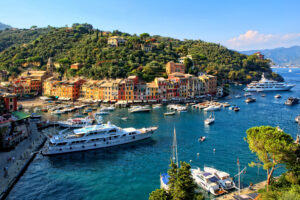
Venezia Santa Lucia station sits directly on the Grand Canal. Stepping outside feels like entering another world. Water replaces roads, boats replace cars, and the pace changes immediately.
From the station, you can reach most areas of Venice by vaporetto or on foot. Clear signage helps guide you, and staff are available to assist if needed.
For those unfamiliar with Venice, understanding its layout can be helpful. The city is divided into districts called sestieri, each with its own character. Knowing where your accommodation is located in advance can save time and confusion.
A reliable overview of Venice geography and history can be found at https://en.wikipedia.org/wiki/Venice which provides context without unnecessary complexity.
Travel from Milan to Venice by train delivers you directly into this environment without dilution. There is no buffer zone or transitional sprawl. The experience begins the moment you arrive.
Practical tips for a smoother journey
Preparation enhances comfort. Arrive at the station at least twenty minutes before departure, especially if you are unfamiliar with the layout. Milano Centrale is large, but well organized.
Keep your ticket accessible, either digitally or in printed form. While ticket checks are routine, having it ready avoids delays.
Label your luggage clearly. While theft is uncommon, stations are busy and clear identification helps prevent mix ups.
If you are traveling with children or elderly companions, high speed trains offer quieter carriages that can make the journey more pleasant.
Travel from Milan to Venice by train is already efficient. These small considerations simply refine the experience.
Comparing train travel with other options
Driving from Milan to Venice offers flexibility but introduces challenges. Traffic congestion, toll roads, fuel costs, and parking difficulties in Venice can outweigh the benefits. Once you reach Venice, cars must be left outside the historic center.
Flying seems faster in theory, but when airport transfers and security procedures are considered, it rarely saves time. Flights also arrive at airports that require additional transport into the city.
The train avoids these complications entirely. It balances speed, comfort, and direct access in a way that other modes of transport struggle to match.
For travelers who value efficiency without sacrificing experience, travel from Milan to Venice by train remains the clear choice.
The environmental perspective
Train travel is also one of the more environmentally responsible ways to move between cities. Rail transport produces fewer emissions per passenger compared to cars and planes.
Choosing the train aligns with sustainable travel practices without requiring sacrifice. You gain comfort and convenience while reducing environmental impact.
Italy continues to invest in its rail infrastructure, making this option even more appealing for conscious travelers.
Making the journey part of the experience
One of the overlooked aspects of travel from Milan to Venice by train is the opportunity it provides to slow down mentally. The journey becomes a pause between two intense destinations.
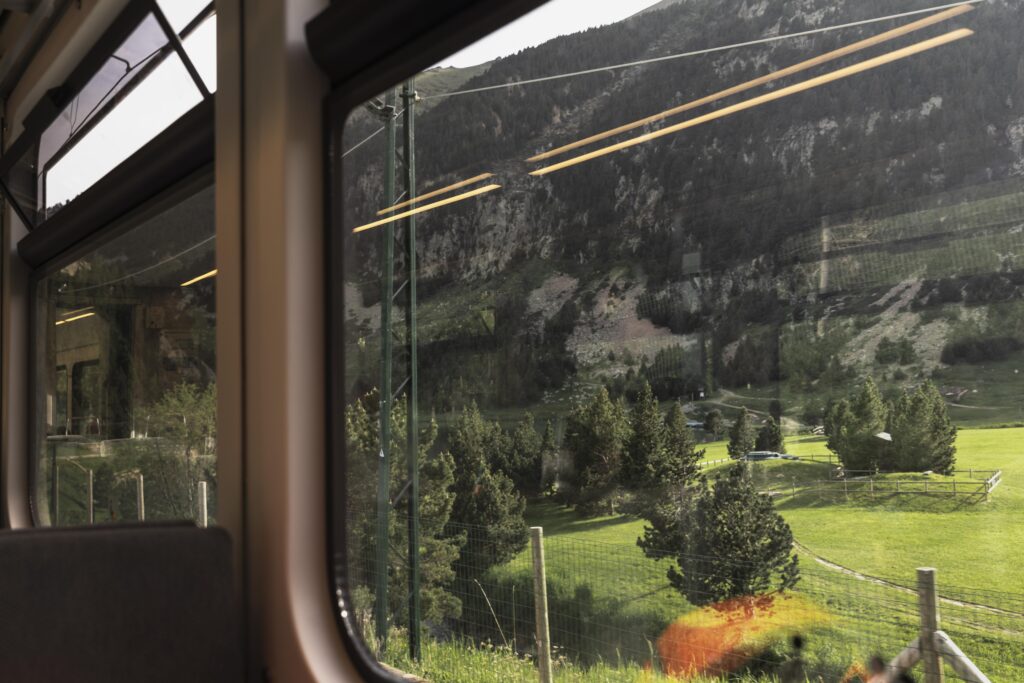
Use the time to reflect, read, or simply observe. Watch how the architecture changes, how the land flattens, and how water begins to dominate the scene.
This transition prepares you for Venice in a way that no other mode of transport can. You arrive not just physically, but mentally ready to engage with the city.
Final thoughts on this iconic route
Travel from Milan to Venice by train is not just practical. It is thoughtful. It respects your time, supports sustainable travel, and enhances the overall experience of visiting Italy.
From booking to arrival, the process is intuitive and reliable. Whether you are a first time visitor or a returning traveler, the train offers consistency without monotony.
Choosing this route is a decision that simplifies your journey while enriching it. It is one of those choices that feels obvious in hindsight.
Frequently Asked Questions
Is travel from Milan to Venice by train suitable for first time visitors to Italy?
Yes, because the rail system is well organized and clearly signed, travel from Milan to Venice by train is one of the easiest routes for first time visitors. It removes uncertainty and provides a direct connection between city centers.
How early should I book tickets when planning travel from Milan to Venice by train?
Ideally, tickets should be booked several weeks in advance, especially if you plan to use high speed services. This approach offers better prices and guarantees seat availability.
Can I bring large luggage when I travel from Milan to Venice by train?
Yes, because there are no strict baggage limits on Italian trains. As long as you can manage your luggage independently, you can bring suitcases without additional fees.
Is it better to choose morning or evening travel from Milan to Venice by train?
That depends on your schedule. However, morning travel allows you to enjoy more time in Venice, while evening travel tends to be quieter and more relaxed.
Does travel from Milan to Venice by train offer scenic views?
While the route is not mountainous, it provides a clear view of northern Italy’s plains, towns, and waterways. This makes the journey visually engaging in a subtle and authentic way.
What should I do if my train is delayed during travel from Milan to Venice by train?
Delays are uncommon, but if they occur, station staff and onboard conductors provide guidance. High speed services often offer assistance or rebooking options if delays are significant.
By understanding the journey in depth, travel from Milan to Venice by train becomes more than a transfer. It becomes a meaningful part of your Italian experience.