
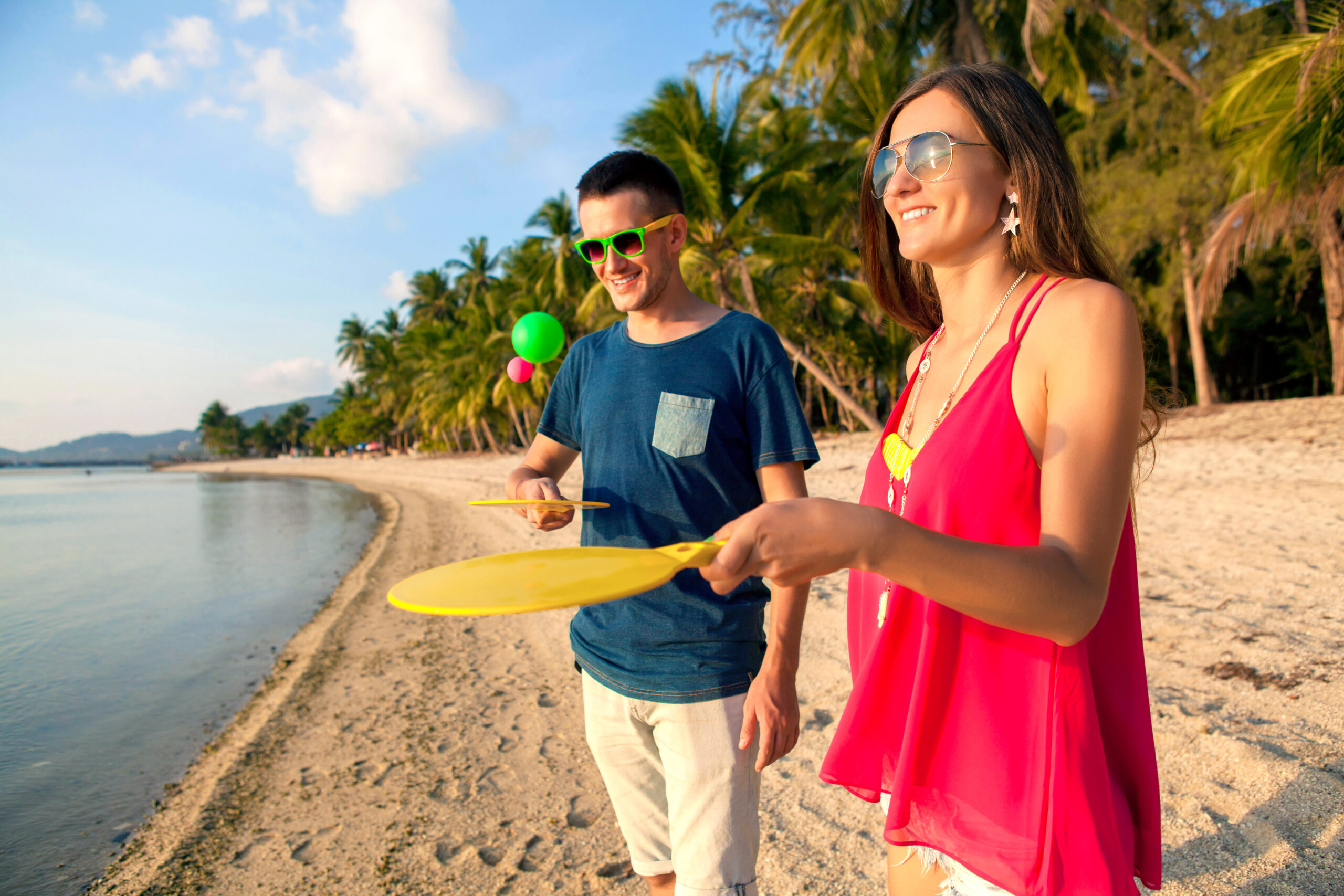
Hawaii is a collection of islands in the middle of the Pacific Ocean. It is one of the most inspiring places on Earth. If you want sun soaked beaches, lush mountains, calm ocean waves, rich culture, and luxurious comfort all in one trip then this Hawaii Travel Guide will help you plan an unforgettable journey. This guide is designed for curious travelers who want depth and clarity before booking flights and making plans. You will find honest recommendations, smart tips, and insights based on experience and research.
Why Hawaii Is Different
Hawaii stands apart from other destinations because it feels like another world. The islands formed from ancient volcanic activity which means each island has a unique personality and environment. You can find black sand beaches, cascading waterfalls, dense rain forests, dramatic sea cliffs, and gently rolling sugar cane fields all within the same state. Beyond natural beauty there is history, music, dance, and food that you will not experience anywhere else.
One of the first things you should understand for planning is that Hawaii is not one island but an archipelago. The most visited islands are Oahu, Maui, Kauai, and the Big Island of Hawaii. Each island deserves time and attention because they offer different experiences.
Before you decide where to go think about what matters most for your travel experience. Do you want luxury and nightlife, quiet beaches and hiking, or learning about ancient culture and traditions? The following sections of this Hawaii Travel Guide will help you decide.
When To Go
Weather in Hawaii is warm year round yet there are seasonal differences that matter. The high season is from December to March when travelers escape cold weather in other places. Summer from June to August is also busy because families travel during school break. Shoulder seasons in April to May and September to October often offer moderate weather with fewer crowds and better prices.
Rainfall patterns differ from one island to another and between windward and leeward sides. The windward side of islands like Oahu and Maui receives more rain which makes the landscape green and fertile. The leeward side is generally drier and sunnier. Understanding this helps you choose where to stay depending on weather preferences.
There are advantages to every season. Winter months are great for humpback whale watching while summer months offer calmer seas and more comfortable water temperatures for snorkeling and swimming.
How To Choose Your Island
Each island in Hawaii has its own energy and best experiences. Here is how to think about your choices.
Oahu
Oahu is the most populated and visited island. It is home to Honolulu and the famous Waikiki Beach. This is a great choice if you want a blend of city life and beach time. Oahu offers world class surf breaks, historical sites like Pearl Harbor, and a wide range of restaurants and entertainment. If you have never been to Hawaii before and want a well rounded introduction to culture, beaches, and island life then Oahu is a strong first choice.
Maui
Maui is often chosen by couples and honeymooners because of its beautiful beaches and scenic drives. The Road to Hana is an iconic coastal route with waterfalls and lookout points that will stay with you long after the trip ends. Hiking in the crater of Haleakala at sunrise feels surreal and magical. Snorkeling in places like Molokini Crater is rewarding and clear water invites you to explore below the surface.
Kauai
Kauai is quieter and greener than the other popular islands. It is called the Garden Isle because of its abundant vegetation and dramatic natural formations like the Napali Coast and Waimea Canyon. If you want deep nature experiences or peaceful moments by the ocean then Kauai is a perfect choice.
Big Island of Hawaii
The Big Island is the largest and most diverse in landscape. You can find volcanic deserts, rainforests, snow on mountain peaks, black lava fields, and coral reefs all in a single day. Hawaii Volcanoes National Park is a must see if you are interested in geology and earth science. The Big Island invites exploration and rewards curiosity at every turn.
Each island deserves at least four to five days if you want to experience it fully. If you plan to visit more than one island then allow time to travel between them and adjust your schedule accordingly.
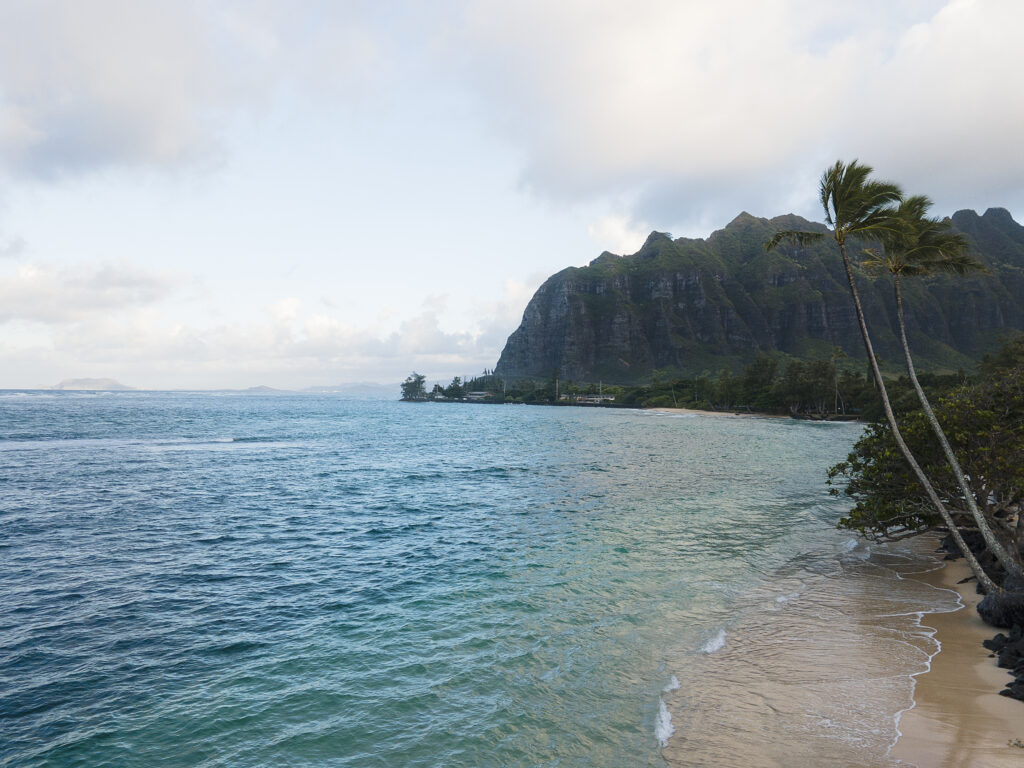
Where To Stay
Choosing the right place to stay is central to your trip experience. Hawaii Travel Guide planning means thinking about your priorities first then picking lodging that matches your expectations.
Hotels And Resorts
Hawaii has a range of hotels and resorts that cover everything from luxury to budget friendly. Luxury resorts often offer beach access, pools, spa services, and organized activities. They are ideal if you want a mix of comfort and convenience.
Family friendly hotels often include large rooms, kid friendly menus, and entertainment. Some resorts provide guided tours or on site classes that introduce you to Hawaiian culture through dance, music, and craft.
Vacation Rentals
Vacation rentals give you space and privacy that a hotel room cannot match. If you are traveling with family or a group of friends then a rental home or apartment can be cost effective and comfortable. Some rentals come with kitchens so you can prepare meals and eat like a local.
If you prefer quiet mornings sipping coffee on a lanai or evenings with a book under the stars then a vacation rental might suit you best.
Budget Stays
Hostels and budget inns are available especially on Oahu and Maui. These options might not have luxury amenities but they are clean, safe, and good for travelers who plan to spend most of the day exploring outdoors. Staying budget conscious gives you more to spend on experiences like snorkeling tours, luau dinners, or helicopter rides.
Where you stay matters because travel times can vary. If you want to explore city life then staying near Honolulu is convenient. If your priority is beaches and sun then Maui or Kauai might be better bases.
Transportation Tips
Getting around the islands requires planning. Public transportation exists but it is limited outside the major urban centers. Most travelers find that renting a car gives the most flexibility. Roads are scenic and well kept but some rural areas can be narrow and winding.
Air travel between islands is common and many airlines offer frequent flights. Booking early often helps secure better prices. When planning multiple island visits check the cost of transport carefully as flights, ferries, and parking can add up.
Explore official travel resources for current schedules and recommendations at the Hawaii Tourism Authority website which offers practical guides and travel updates. https://www.hawaiitourismauthority.org
Essential Activities In Hawaii
Hawaii is full of experiences that go beyond beaches and resorts. To make the most of your trip, it is helpful to plan activities based on interests and energy levels.
Beach Experiences
Hawaii has beaches for every type of traveler. Waikiki Beach on Oahu is perfect for beginner surfers and city vibes. For more secluded settings, Maui and Kauai have stretches of sand where you can walk for miles without seeing another person. Snorkeling is a highlight for many visitors. Hanauma Bay on Oahu and Molokini Crater off Maui offer abundant marine life in clear waters. Always check local guidelines and weather conditions to ensure safe swimming.
Hiking And Nature Trails
Hawaii’s natural landscape is breathtaking, and many trails lead to waterfalls, volcanoes, and panoramic lookouts. The Kalalau Trail on Kauai offers some of the most dramatic coastal scenery. Haleakala National Park on Maui features a sunrise hike that feels like stepping onto another planet. On the Big Island, trails in Hawaii Volcanoes National Park let you explore lava fields and volcanic craters. Packing comfortable shoes, water, and sun protection is essential.
Cultural Experiences
Immersing yourself in Hawaiian culture adds depth to your trip. Attend a luau for traditional food, dance, and music. Visit Iolani Palace in Honolulu for insight into Hawaiian monarchy and history. Art galleries, local markets, and museums on each island provide opportunities to understand the traditions and stories that shaped Hawaii. Engaging with local guides enriches the experience and ensures authenticity.
Adventure Activities
For thrill seekers, Hawaii offers many options. Surfing lessons, paddleboarding, zip lining, and helicopter tours allow you to see the islands from different perspectives. Helicopter tours of the Big Island reveal active lava flows and inaccessible valleys. If you enjoy water sports, try snorkeling with manta rays at night on the Big Island for a unique encounter. Always choose licensed operators for safety and quality.
Wildlife Encounters
Hawaii’s ocean and land ecosystems host a variety of wildlife. Whale watching from December to April is a highlight on Maui. Green sea turtles can be spotted on beaches and in shallow waters, and bird watching on Kauai reveals species found nowhere else on Earth. Respecting wildlife regulations is crucial to protecting these fragile habitats.
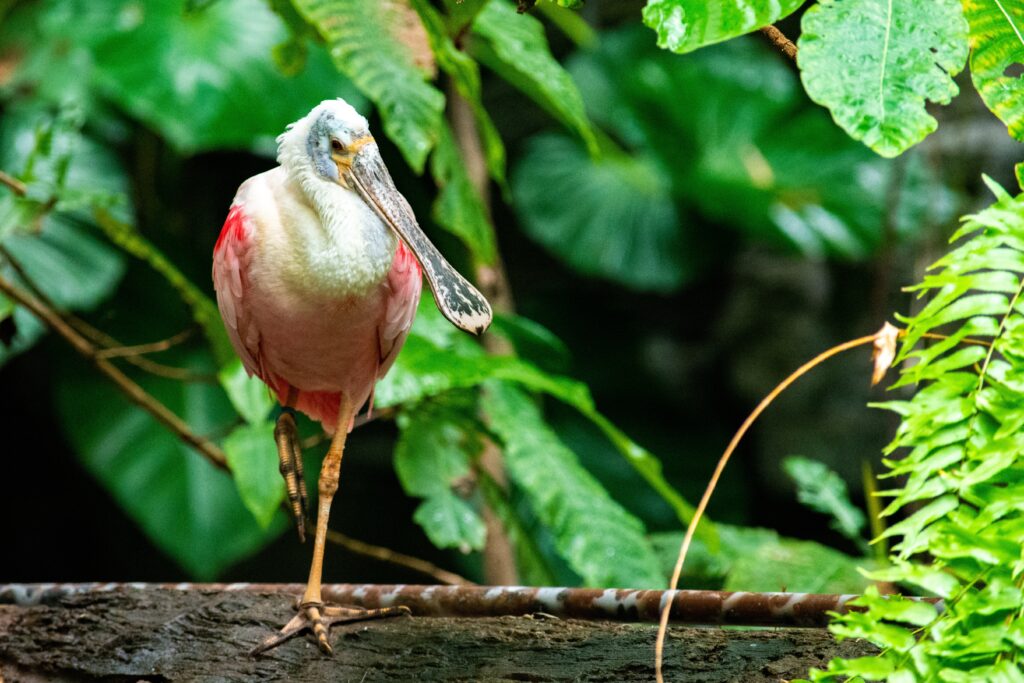
Food And Dining
Hawaiian cuisine reflects the islands’ multicultural heritage. Local foods feature fresh fish, tropical fruits, and flavors from Japan, Korea, the Philippines, and Portugal.
Must Try Dishes
Poke bowls are a popular staple made from fresh raw fish seasoned with soy sauce, sesame, and other flavors. Kalua pig, traditionally cooked in an underground oven called an imu, offers a smoky and tender experience. Plate lunches provide a combination of rice, macaroni salad, and protein options like teriyaki chicken.
Local Markets
Visiting farmers markets is a great way to taste authentic ingredients. The KCC Farmers Market on Oahu and Upcountry Maui Farmers Market showcase local produce, snacks, and artisan products. Sampling fruits such as pineapple, mango, and starfruit allows you to taste the islands in a way restaurants cannot replicate.
Dining Tips
Hawaiian restaurants range from high end resorts to small family owned spots. Scheduling meals outside peak times reduces wait periods. Tipping is customary and usually 15 to 20 percent of the bill. Many restaurants post menus online which helps you plan ahead and accommodate dietary preferences.
For more detailed dining guides and safety tips, the official Hawaii Food and Beverage Association provides reliable information. https://www.hawaiifoodandwinefestival.com
Planning Activities By Island
While you can find common experiences on all islands, some activities are unique to specific locations. Planning in advance prevents missing out on popular spots.
Oahu Highlights
Oahu blends urban convenience with natural beauty. Beyond Waikiki Beach and Pearl Harbor, hike Diamond Head Crater for panoramic views or explore the North Shore for world class surfing competitions. Cultural sites like Bishop Museum provide historical context and deep insight into Hawaiian heritage.
Maui Highlights
Maui is famous for scenic drives and nature encounters. The Road to Hana requires a full day but rewards travelers with waterfalls, black sand beaches, and tropical forests. Haleakala National Park sunrise tours are highly recommended and should be booked in advance due to popularity. Snorkeling and whale watching add adventure to any itinerary.
Kauai Highlights
Kauai is ideal for travelers seeking quiet natural beauty. Napali Coast boat tours reveal dramatic cliffs and secluded beaches. Waimea Canyon, often called the Grand Canyon of the Pacific, offers hiking trails and viewpoints. Kayaking along rivers and exploring waterfalls provides immersive experiences in the lush environment.
Big Island Highlights
The Big Island’s geography is diverse. Volcanoes National Park is a must for witnessing active geological processes. Black sand beaches and lava fields are striking and unique to this island. Kona coffee farms and star gazing on Mauna Kea add depth and variety to your itinerary.
Planning around island highlights ensures your experience is rich and balanced. Check official park websites for updated hours and permit requirements. https://www.nps.gov/havo/index.htm
Health And Safety Considerations
Traveling to Hawaii is generally safe but being informed improves the experience.
Sun And Heat
The sun in Hawaii is strong year round. Protect your skin with high SPF sunscreen and wear hats and sunglasses. Stay hydrated, especially during hikes and long outdoor activities.
Ocean Safety
Waves, currents, and tides can be unpredictable. Only swim in designated areas and pay attention to warning signs. If you are inexperienced in surfing or snorkeling, hire certified guides.
Wildlife Awareness
Do not approach or feed wildlife including sea turtles, birds, and marine life. Following regulations protects both visitors and natural habitats.
Emergency Services
Emergency numbers in Hawaii are the same as in the continental United States. Hospitals, clinics, and urgent care centers are widely available in urban areas. Keep local emergency contacts handy and understand the locations of nearest medical facilities when staying in remote areas.

Budget Tips For Hawaii Travel
Hawaii is often perceived as expensive but careful planning allows for a memorable trip without overspending.
Flights And Transportation
Booking flights early usually secures better prices. Consider flying midweek rather than on weekends for cost savings. For inter-island travel, check small carriers that offer competitive rates. Renting a car is often essential for exploring beyond urban centers. Compare prices online and book in advance to get better deals.
Accommodation
Vacation rentals or budget hotels provide significant savings compared to luxury resorts. Staying slightly inland rather than right on the beach can also reduce costs while still offering quick access to major attractions. Some vacation rentals include kitchens which allow you to prepare meals and save on dining.
Food And Activities
Street food, farmers markets, and local eateries are affordable and delicious options. Avoid dining exclusively at tourist heavy restaurants. Many hiking trails, beaches, and cultural sites have free or low cost access. Planning a mix of paid activities and free experiences keeps your trip balanced financially.
Packing Advice
Packing wisely makes your travel smoother and more enjoyable.
Essentials
Lightweight clothing, comfortable walking shoes, swimwear, sun protection, and a reusable water bottle are must haves. Evenings can be cooler at higher elevations so include a light jacket.
Electronics
Bring waterproof bags for electronics if planning water activities. A portable charger is handy for long days exploring the islands. Cameras or smartphones will help capture stunning scenery but protect them from sand and water.
Travel Documents
Keep identification, flight tickets, hotel confirmations, and rental car documents organized. Consider digital copies stored on your phone in case of emergency.
Eco Friendly Travel Tips
Hawaii’s natural environment is fragile. Practicing sustainable tourism preserves it for future generations.
Reduce Waste
Use reusable water bottles, shopping bags, and containers. Avoid single use plastics whenever possible.
Respect Wildlife And Nature
Stay on marked trails to protect native plants and avoid disturbing wildlife. Do not remove sand, rocks, or plants from beaches and parks.
Support Local Businesses
Choose local guides, restaurants, and shops over chains. Supporting local businesses strengthens the community and ensures your experience reflects authentic Hawaiian culture.
For more guidance on eco conscious travel in Hawaii, visit the Hawaii Environmental Education Alliance. https://www.heha.org
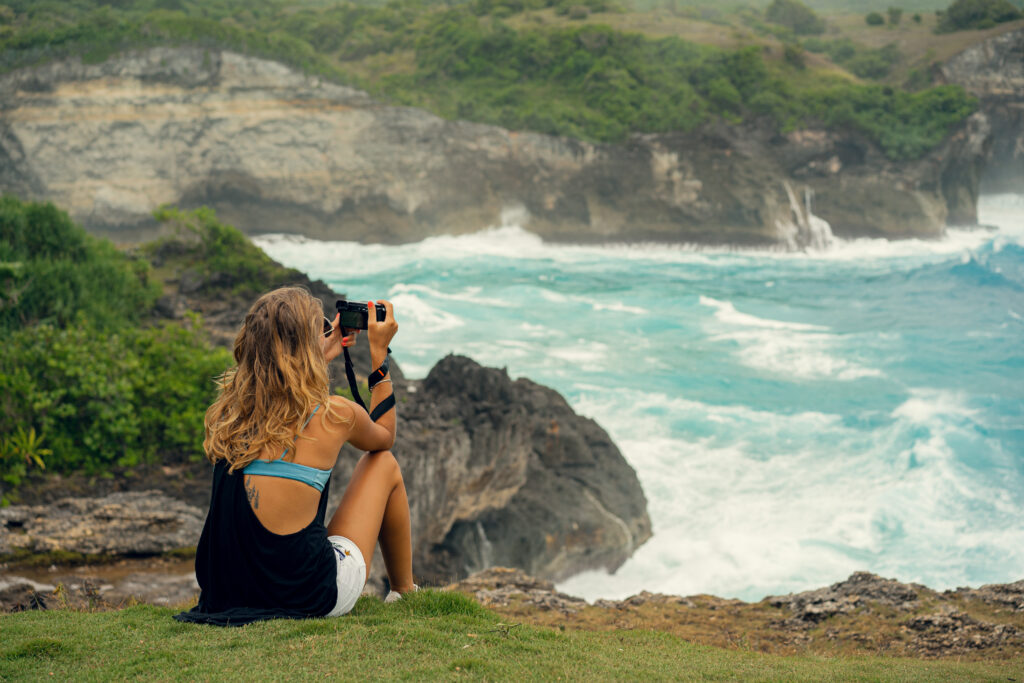
Suggested Itinerary For First Time Visitors
Here is a sample seven day itinerary that balances culture, adventure, and relaxation. Adjust based on your chosen island or interests.
Day 1
Arrive in Honolulu, Oahu. Settle into your hotel, take a short walk along Waikiki Beach, and enjoy a local dinner.
Day 2
Visit Pearl Harbor and Iolani Palace for history. In the evening, attend a luau to experience traditional Hawaiian food and entertainment.
Day 3
Drive the North Shore. Watch surfers, visit small towns, and explore local beaches. Return to Honolulu for dinner.
Day 4
Fly to Maui. Drive the Road to Hana, stopping at waterfalls and scenic spots along the way. Overnight in Hana or return to central Maui.
Day 5
Hike Haleakala Crater at sunrise. Spend the afternoon snorkeling at Molokini Crater. Relax on beaches in the evening.
Day 6
Fly to Kauai. Take a boat tour of Napali Coast or explore Waimea Canyon. Evening at leisure on a quiet beach.
Day 7
Return to your home island. Enjoy last minute shopping or a local farmers market before departure.
This itinerary provides a taste of Hawaii’s diversity while keeping travel manageable and enjoyable. Adjust the pace according to your interests and stamina.
Hawaii Travel Guide FAQs
What is the best time of year to visit Hawaii?
The best time to visit Hawaii is during shoulder seasons from April to May and September to October. During these months, the weather is pleasant, beaches are less crowded, and flights and accommodations are often more affordable. Peak winter months from December to March are ideal for whale watching, while summer is perfect for swimming and snorkeling.
How should I choose which Hawaiian island to visit?
Choosing an island depends on what type of experience you seek. Oahu is ideal for urban exploration and iconic beaches. Maui is perfect for scenic drives and romantic escapes. Kauai offers lush landscapes and peace for nature lovers. The Big Island is best for volcanic landscapes and adventure activities. Planning your itinerary around interests ensures a richer experience.
Is it necessary to rent a car in Hawaii?
While public transport exists, it is limited in most areas. Renting a car provides the freedom to explore beaches, mountains, and cultural sites at your own pace. On islands like Oahu, urban areas may be walkable, but for Maui, Kauai, and the Big Island, a car is highly recommended.
What are some safety tips for ocean activities in Hawaii?
Hawaii has strong waves and currents in many areas. Swim only at designated beaches, check conditions before entering the water, and hire certified guides for surfing or snorkeling if inexperienced. Respect local wildlife and avoid touching or feeding marine animals. Safety is essential to enjoy Hawaii responsibly.
How can I experience Hawaiian culture authentically?
Attend a traditional luau, visit historical sites, and explore local museums. Supporting family owned businesses and guided tours led by locals ensures a genuine connection to Hawaiian culture. Engage respectfully and take time to understand traditions.
What does this Hawaii Travel Guide cover for first time visitors?
This Hawaii Travel Guide covers everything first time visitors need, including island selection, top beaches, cultural experiences, hiking trails, local dining, and tips for safe and enjoyable travel. Following this guide ensures a complete and unforgettable Hawaiian experience.
How can a Hawaii Travel Guide help plan a budget friendly trip?
A Hawaii Travel Guide helps plan a budget friendly trip by providing advice on affordable flights, cost effective accommodations, local dining options, free or low cost activities, and smart transportation choices, making it easier to enjoy the islands without overspending.