
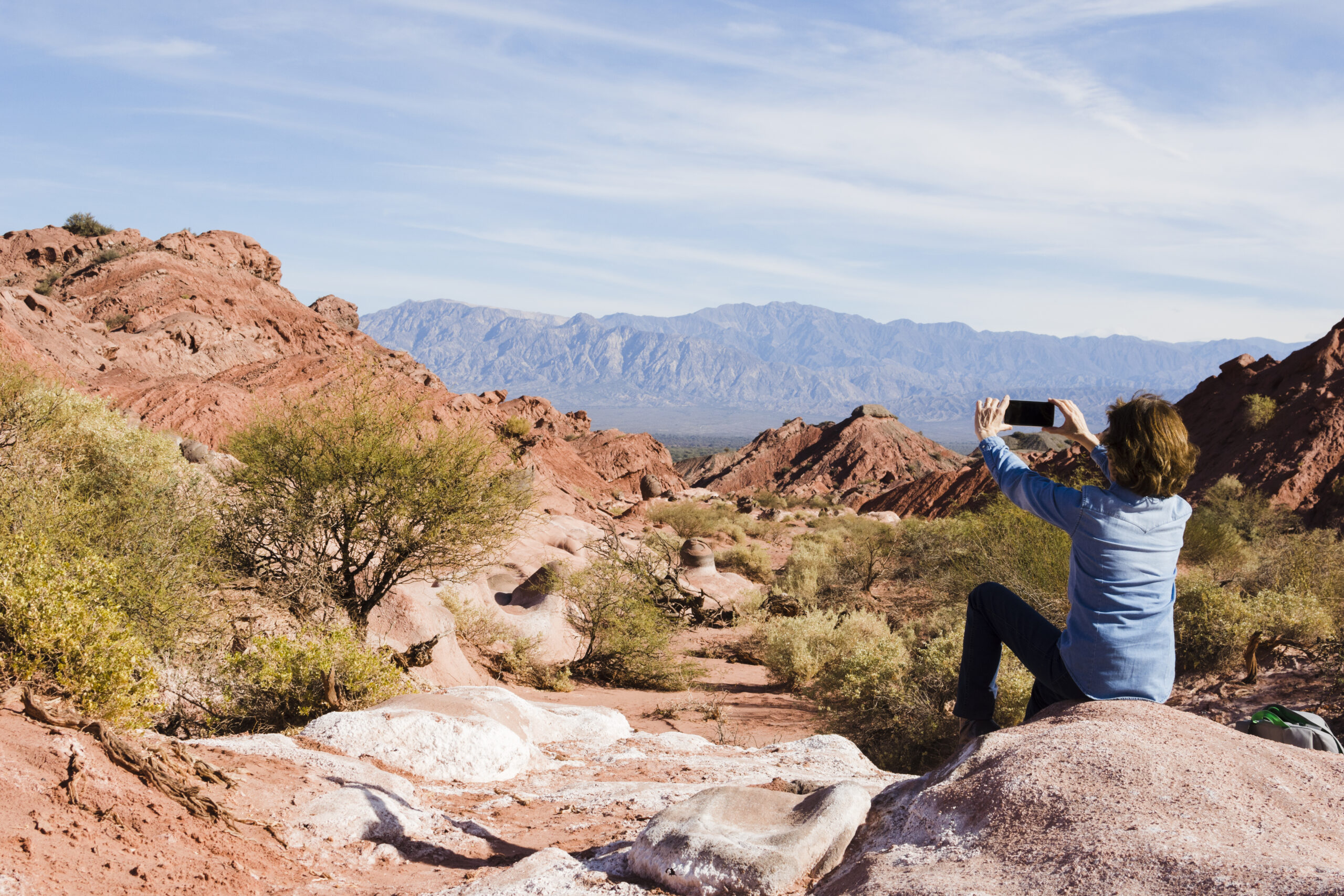
Travel through Middle East invites you into a world shaped by ancient civilizations, golden deserts, vibrant cities, and warm hospitality. Many people hear stories about this region but only a few truly understand its depth. This guide helps you experience it with clarity and confidence. Whether you want culture, food, history, adventure, luxury, or spiritual peace, the Middle East gives you more than you expect.
Most guides focus on basic tips, surface level attractions, and general facts. This article goes deeper. It helps you understand the rhythm of the region, the cultural map, the hidden experiences, and the practical details that matter for real travelers. The goal is to give you value that your competitors cannot match.
To offer accurate cultural and historical background, this guide draws on trusted resources. For example, the UNESCO World Heritage list contains excellent information about historic places in this region that you may want to explore. You can find more details at UNESCO Official Site.
This article will take you from the Arabian Peninsula to the Levant, from the banks of the Nile to the peaceful beaches of Oman. The goal is to help you plan your journey with complete understanding and confidence.
Why Travel through Middle East is a Life Changing Experience
Travel through Middle East is not just a holiday choice. It is an immersive cultural journey. The region blends ancient stories with modern architecture, warm people, and some of the most impressive landscapes on earth.
Here are a few reasons many travelers feel transformed after visiting.
Culture that feels alive
Every country in this region has preserved traditions that are still part of daily life. You see it in the call to prayer, the local markets, the family gatherings, and the respectful way people interact. Even in the most modern cities, tradition remains visible.
A history that shaped the world
When you travel through Middle East, you walk through places that influenced humanity for thousands of years. Civilizations like Mesopotamia, Egypt, Persia, and the early Islamic world began here. You can stand in front of ancient temples, step inside historic mosques, visit desert forts, and explore archaeological sites that tell stories older than many nations.
The experience of true hospitality
Many travelers say this is the friendliest region they have ever visited. People welcome guests with a genuine sense of honor. Sharing food, guiding strangers, and offering help is part of the culture. Even in large cities, the warmth of the people remains strong.
Modern glamour and natural beauty in one place
Few places in the world combine futuristic skylines with untouched deserts, crystal clear seas, and peaceful mountains. The Middle East stands out because you can experience modern luxury and ancient simplicity on the same day.
Understanding the Region Before You Go
Travel through Middle East becomes easier when you understand the structure of the region. Although many countries are close to each other, each one feels unique. Their languages, climates, traditions, and landscapes vary widely.
The Arabian Peninsula
This part includes Saudi Arabia, United Arab Emirates, Qatar, Oman, Kuwait, and Bahrain. It is known for desert beauty, modern cities, and some of the most rapidly growing tourism hubs.
The Levant
This region includes Jordan, Lebanon, Syria, Palestine, and Israel. It is rich in history and natural scenery, especially the Dead Sea, Wadi Rum, and the mountains of Lebanon.
North Africa
Countries like Egypt and parts of Sudan share cultural and historical connections with the Middle East. Egypt is particularly important for its ancient sites and the Nile River.
Understanding these divisions helps you plan your route and choose the right experiences.
Best Destinations when You Travel through Middle East
The Middle East offers everything from beach vacations to cultural tours. Here are the destinations that leave the strongest impression on travelers.
United Arab Emirates
The UAE is known for innovation, futuristic ideas, and luxurious experiences. Dubai attracts visitors with its skyscrapers, shopping centers, and creative attractions. Abu Dhabi balances culture and modern life with stunning architecture.
For reliable travel information, you can check official tourism guidance on Visit Dubai.
Saudi Arabia
Saudi Arabia has recently opened its doors for global tourism. It offers untouched landscapes like the Empty Quarter desert, heritage sites in AlUla, and major cities like Jeddah and Riyadh. Pilgrims also visit Makkah and Madinah for spiritual journeys.
Jordan
Jordan is perfect for travelers who want adventure mixed with culture. Petra, one of the New Seven Wonders of the World, attracts visitors from across the globe. Wadi Rum gives you a peaceful desert atmosphere and the Dead Sea provides a relaxing natural experience.
Oman
Oman is ideal for travelers who enjoy nature and calm environments. The country has mountain villages, traditional markets, and some of the cleanest beaches in the region. Its culture is welcoming and peaceful.
Egypt
Egypt feels like a living museum. The pyramids, the Sphinx, the Nile cruises, and the ancient temples are unforgettable. Cairo is energetic and full of life, while Luxor and Aswan take you deep into ancient history.
For historical background and cultural research, you can explore the resources at National Geographic.
Cultural Etiquette to Know Before You Travel through Middle East
Understanding local etiquette makes your journey smoother and gives you a better connection with the people. The region values respect, modesty, hospitality, and politeness.
Dress modestly in most places
You do not always need traditional clothing, but it is better to dress respectfully. In religious sites and traditional areas, modest clothing is appreciated.
Respect religious practices
Call to prayer is an important part of daily life. During Ramadan, eating publicly during fasting hours might be considered disrespectful in some countries.
Be polite with greetings
People usually greet with respect and calm energy. In many places, shaking hands is common, but you should wait for the other person to initiate.
Photography rules
Always ask before taking pictures of individuals. Many historic and religious sites have specific instructions.
Accept hospitality kindly
If someone offers tea or food, taking it is seen as a polite gesture.
Best Time to Travel through Middle East
The Middle East experiences a wide range of climates. Some countries have intense summer heat, while others enjoy mild coastal weather. Choosing the right time can make your trip more enjoyable and more comfortable.
Winter months
From November to March, most of the region becomes pleasant. The evenings feel cool and the days are warm enough for sightseeing. This season is ideal for desert safaris, city tours, and visits to ancient ruins. Many travelers prefer this period because it creates a comfortable environment for long outdoor adventures.
Spring and autumn
April and October offer balanced weather in places like Jordan, Lebanon, and parts of the Gulf. Landscapes appear greener during these months, especially around mountains and valleys. This is also a great time to explore historic sites without large crowds.

Summer season
Some countries become extremely hot between June and August. However, coastal cities like Alexandria and Beirut stay fairly comfortable. Major cities in the Gulf provide air conditioned malls, museums, and hotels, so you can still enjoy an indoor friendly tour. If you plan to travel through Middle East during this season, choose activities early in the morning or late in the evening.
A useful resource for climate research is the official records available through World Meteorological Organization.
How to Travel through Middle East Safely and Smartly
Safety concerns often discourage new travelers, but the region is much more peaceful and structured than many people assume. Most popular destinations focus heavily on security and controlled tourism. With basic precautions, your journey stays smooth.
Stay aware of regional news
Before your trip, check travel advisories from official sources. Conditions can vary from one country to another. You can review updates from reliable international travel agencies or government advisory portals for accurate information.
Respect local rules
The Middle East values order and public discipline. Countries like the United Arab Emirates, Qatar, and Oman follow clear social guidelines. Following basic rules about dress, behavior, and conduct keeps your experience peaceful.
Use official taxis and apps
Most cities have regulated ride services. Using official transport ensures safety and fair pricing. Public transportation is well maintained in many major cities, especially in Dubai, Cairo, and Amman.
Choose secure accommodations
Hotels and guesthouses in major cities are known for strict security measures. Modern destinations invest heavily in tourist safety. Staying in well reviewed places keeps you comfortable and protected.
Transportation Options when You Travel through Middle East
Travelers often worry about logistics, but the region offers a wide range of transportation choices suitable for every budget.
International flights
Major airports such as Dubai International Airport, Hamad International Airport in Doha, and King Khalid International Airport in Riyadh act as global hubs. They connect Asia, Europe, and Africa with smooth transit options. These airports provide clear directions and modern facilities, making travel easy even for first time visitors.
Intercity buses
Countries like Jordan, Egypt, and Lebanon offer comfortable bus networks that connect cities at affordable rates. These buses are usually clean and well managed, especially on routes that link major tourist destinations.
Domestic flights
Saudi Arabia, Egypt, and the United Arab Emirates have strong domestic flight networks. If you want to save time on long routes, internal flights are a practical choice.
Car rentals
Driving allows you to experience the region more freely, especially in Oman and Saudi Arabia where landscapes are wide and open. Road conditions in many areas are excellent. Keep your passport and driving permit with you to avoid issues during checks.
Metro systems
Dubai and Cairo have well developed metro networks. They are reliable, clean, and budget friendly.
Food Experiences when You Travel through Middle East
Food is one of the strongest reasons people return to this region. The taste is bold yet balanced. The ingredients are fresh, and the cooking styles are rooted in centuries of tradition.
Traditional dishes
Every country has its special meals. Mansaf in Jordan, Kabsa in Saudi Arabia, Mandi in Yemen, and Koshari in Egypt are iconic foods that reflect local cultures. These dishes are usually served during family events and celebrations.
Street food
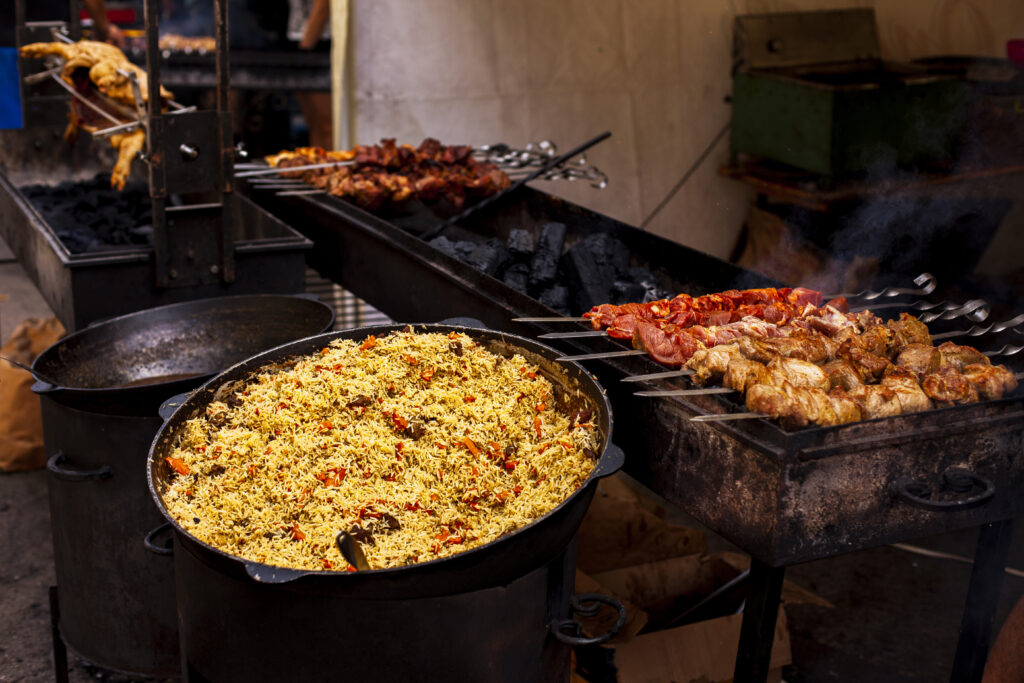
Street food markets bring you closer to everyday life. Shawarma, falafel, grilled corn, and freshly baked bread offer delicious flavors at low prices. The aroma of spices and the sight of long food counters create a memorable experience.
Sweet treats
Desserts like Kunafa, Baklava, Basbousa, and Umm Ali carry a strong cultural background. Their sweetness and texture make them popular among travelers.
Modern dining
Cities like Dubai, Doha, and Riyadh have world class restaurants. You can taste global cuisines prepared by famous chefs. These cities attract culinary talent from around the world, giving you endless dining choices.
For cultural learning about food history, you can explore research publications available at Smithsonian Magazine.
Hidden Places that Make Your Journey Special
Some experiences are not advertised widely, yet they stay in your memory forever. These places are perfect for travelers who love quiet moments and less crowded routes.
Al Balad in Jeddah
This old neighborhood has traditional houses built with coral stones. The narrow lanes and small shops create a peaceful atmosphere. It feels like stepping back in time.
Ras Al Jinz in Oman
This coastal area is famous for turtle nesting. Watching the turtles arrive at night is a rare and beautiful experience.
Siwa Oasis in Egypt
Siwa remains untouched by modern influence. Its salt lakes, ancient temples, and bare landscapes make it one of the most peaceful places in North Africa.
Jebel Shams in Oman
This mountain is often called the Grand Canyon of Arabia. The view from the top is breathtaking, especially during sunrise.
Aqaba in Jordan
Aqaba offers calm beaches and clear water. It is perfect for travelers who enjoy diving and snorkeling.
Budgeting Tips when You Travel through Middle East
Your budget depends on the country you choose. Some places are affordable while others lean toward premium pricing. With smart planning, you can enjoy the region without overspending.
Plan your route carefully
Travel costs rise when you jump between distant countries. Choose neighboring destinations to save time and money.
Use public transport
Many cities have reliable buses and trains. They cost much less than private taxis.
Choose local food spots
Traditional restaurants give generous portions at fair prices. The taste often feels more authentic than upscale dining venues.
Stay in guesthouses
In Jordan, Egypt, and Lebanon, you can find clean and comfortable guesthouses that provide good value. They also allow you to connect with local people.
Buy souvenirs from local markets
Markets in Saudi Arabia, Egypt, and Oman offer handmade products at reasonable prices. Bargaining is common, especially in traditional souqs.
Planning Your Itinerary when You Travel through Middle East
Creating a balanced itinerary helps you enjoy both modern attractions and cultural experiences. Below are sample routes depending on your travel style.
Adventure route
Jordan, Oman, and Saudi Arabia are ideal for hikers and nature lovers. You can explore mountains, deserts, and coastal areas.
Cultural route
Egypt, Lebanon, and Jordan offer strong cultural depth. Ancient temples, historic cities, and museums form the core of this journey.
Luxury route
The United Arab Emirates, Qatar, and parts of Saudi Arabia provide world class hotels, resorts, and entertainment projects.
Mixed experience route
Begin in Dubai for modern attractions, then fly to Jordan for Petra and Wadi Rum, and end in Egypt for the pyramids and Nile views.
Family Travel through Middle East
Many families choose this region for vacations because it is safe, clean, and filled with activities suitable for all age groups. The culture places strong value on family, which means most destinations offer family friendly facilities and plenty of entertainment options.
Family activities
Theme parks in the United Arab Emirates, marine life attractions in Oman, desert camps in Jordan, and cultural shows in Egypt make the trip exciting and educational. Many resorts provide kids clubs, supervised play areas, and spacious rooms that keep children comfortable.
Ease of transportation
Families find it convenient to travel through Middle East because airports and public transport systems are organized. Most popular attractions are well connected, and many cities offer stroller friendly pathways.
Spiritual Tourism in the Middle East
The region carries deep spiritual meaning for millions of people around the world. Travelers come for reflection, peace, and religious experiences.
Islamic heritage
Makkah and Madinah in Saudi Arabia hold central importance for Muslims. Many people travel through Middle East specifically for spiritual journeys or to understand the roots of Islamic history.
Christian biblical sites
Jordan, Palestine, and Lebanon contain several places mentioned in religious texts. Sites such as Bethany Beyond the Jordan, the Mount of Olives, and the Sea of Galilee attract many visitors from different cultures.
Ancient temples and sacred sites
Egypt and Jordan contain historic temples that reflect early belief systems. These sites help visitors understand how ancient civilizations shaped the spiritual landscape of the world.
The Middle East provides a calm environment for people who want deeper understanding or peaceful moments of personal reflection.
Common Mistakes to Avoid When You Travel through Middle East
Learning from other travelers helps you enjoy a smoother journey. People often make simple mistakes that can be avoided with clear guidance.
Ignoring local customs
Wearing inappropriate clothing, taking pictures of people without permission, or speaking loudly in religious places can create uncomfortable situations. Show respect and you will receive respect in return.
Traveling without research
Every country has different rules about visas, transportation, and entry requirements. Always check official websites or embassy pages before your trip.
Underestimating distances
The region looks small on the map, but driving between countries can take long hours. Plan your transport schedule carefully.
Relying only on international food
Local food is flavorful, clean, and often healthier. Try regional dishes instead of eating the same global meals.
Skipping travel insurance
Insurance protects you from unexpected medical issues or sudden changes in plan. It is better to stay prepared.
Why Travel through Middle East Appeals to Every Type of Traveler
Different travelers come for different reasons, yet almost everyone leaves with a satisfying experience. Here is why the appeal is universal.
For history lovers
The region preserves thousands of years of stories. Every city feels like a chapter from a living book.
For adventure seekers
From deserts and mountains to deep seas and open valleys, the Middle East offers incredible natural playgrounds.
For food enthusiasts
The region offers a blend of spices, fresh ingredients, and family recipes that warm the heart.
For luxury travelers
Modern cities deliver world class hospitality, architecture, and entertainment.
For budget travelers
Many countries offer affordable transport, food, and accommodation without compromising quality.
For cultural learners
Meeting local people gives you new perspectives. The culture values kindness, modesty, and meaningful conversation.
Final Thoughts on Travel through Middle East
Travel through Middle East brings you close to a region that shaped art, philosophy, religion, science, and global trade for thousands of years. You get a rare chance to see ancient ruins standing beside futuristic cities. The warmth of traditional homes mixes naturally with the comfort of modern luxury. Nature, history, food, spirituality, and adventure come together here in a way no other region can match.
Most of all, this journey teaches you something about human connection. The hospitality here touches people. The landscapes slow you down. The silence of the desert, the call of the mountains, and the beauty of the sea stay with you long after the trip ends.
If you want a destination that changes your outlook and gives you a meaningful experience, this region is an excellent choice for your next journey.
Frequently Asked Questions
Why should I choose to travel through Middle East instead of visiting other regions
People choose to travel through Middle East because it combines history, natural beauty, spiritual depth, and modern attractions within a single region. Few destinations offer such a complete experience. You get culture, adventure, food, and architecture all in one journey.
Is it safe to travel through Middle East for first time visitors
Although many travelers worry about safety, the truth is that most popular destinations are well managed and secure. Countries like the United Arab Emirates, Oman, Qatar, Jordan, and Saudi Arabia maintain strong safety systems. With basic precautions, traveling here feels comfortable even for beginners.
What is the best time to travel through Middle East
Winter is the most comfortable season because the weather stays pleasant across the region. However, spring and autumn offer a good balance as well. If you plan your activities wisely, even the summer months can be manageable in major cities.
How expensive is it to travel through Middle East
The cost depends on the countries you choose. Some places offer luxurious experiences, while others are budget friendly. You can keep expenses low by using public transport, eating local food, and staying in guesthouses.
What should I wear when I travel through Middle East
It is always better to dress modestly, especially in cultural and religious areas. Comfortable clothing that covers shoulders and knees is respectful and helps you blend in. In modern cities, the dress code is more relaxed but still balanced.
Do I need a guide when I travel through Middle East
A guide is helpful for historic sites or desert tours, but many cities are easy to explore independently. Public transport, clear road signs, and helpful locals make navigation simple.
Which countries are best for adventure when I travel through Middle East
Jordan, Oman, and Saudi Arabia are excellent choices. They offer deserts, mountains, deep sea diving spots, and national parks. These destinations give you both thrill and natural beauty.
Can families travel through Middle East easily
Yes. The region is extremely family friendly. Cities provide clean public areas, modern parks, and safe transport. Resorts and hotels also offer activities designed for children.
Is local food safe for travelers who travel through Middle East
Local meals are usually fresh, clean, and delicious. Street food vendors in busy markets maintain good quality because they prepare food continuously. As long as you choose clean spots, you can enjoy the flavors without concern.
How do I stay respectful while I travel through Middle East
Show interest in local customs, dress appropriately, be polite, avoid loud conversations in religious areas, and ask before taking pictures of people. These small gestures create positive interactions.
Related Content
https://exploretravel.blog/2025/11/14/travel-aesthetics-7-ways-to-transform-trips/
https://exploretravel.blog/2025/11/11/safe-travel-in-spanish-tips/