
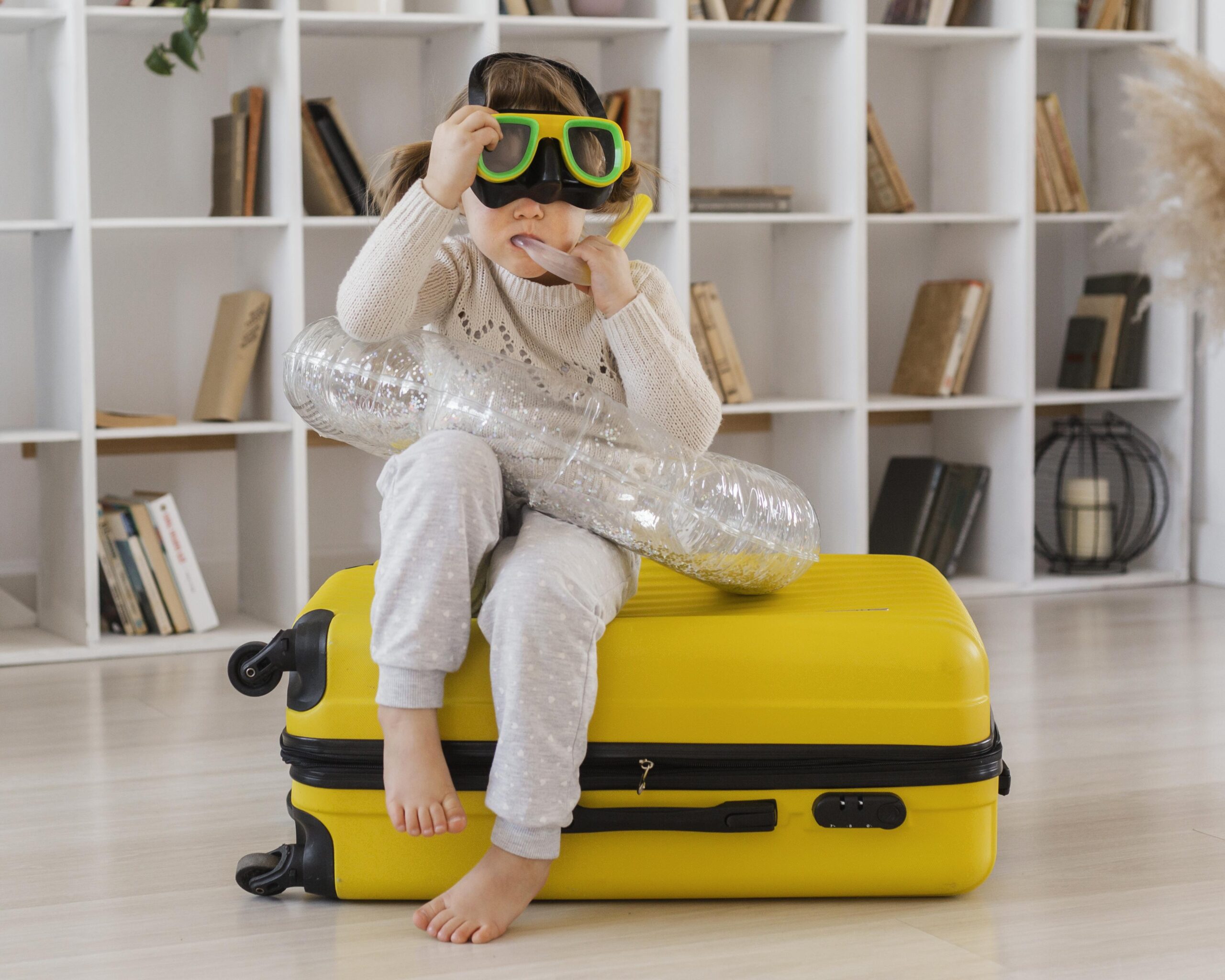
When you prepare for a family trip, one of the most overlooked details is your child’s travel bag. It may seem like a small thing, but it can shape the way your journey unfolds. A well-chosen bag gives your child independence, keeps travel smooth, and saves you from endless unpacking chaos. Whether it is a short weekend getaway, a family vacation abroad, or a visit to grandparents, the right bag can turn travel into a positive experience for both parent and child.
A child’s travel bag is not just luggage. It is a small world that holds comfort, excitement, and a sense of ownership. Every pocket and zipper tells a story of preparation and adventure. Children love to feel responsible, and giving them their own bag allows them to participate in travel instead of just following along. They learn to organize, to decide what to carry, and to value their belongings.
Why the Right Child’s Travel Bag Matters
Parents often underestimate how much a good bag affects the rhythm of travel. A child with an easy-to-manage bag can move confidently through airports, train stations, and car rides. A bag that fits properly prevents fatigue and frustration. A sturdy design saves you from breakage, tears, or last-minute replacements. Most importantly, it helps your child stay organized and calm even during long journeys.
A travel bag suited for a child should meet several needs at once. The bag should be light enough to carry yet durable enough to handle a fall from a seat. Opening it should be simple, but it needs to stay secure so nothing spills. Inside, there should be enough room for clothes, snacks, toys, and other essentials without feeling bulky. When chosen carefully, the bag can last for several years and multiple adventures.
A review from a well-known travel magazine pointed out that a high-quality child’s travel bag is more than storage. It is a small tool that teaches life skills. The article explained that giving a child their own bag can foster independence and confidence because they learn to care for their own items. Parents who invest time in choosing the right one usually find that travel becomes smoother and less stressful.
Key Qualities to Look for in a Child’s Travel Bag
To help you make the best decision, here are the essential qualities that define an ideal travel bag for kids.
1. Lightweight and Properly Sized
The first thing to consider is size and weight. A bag that is too large will overwhelm your child, while a very small one will not hold enough. Choose a size that your child can comfortably lift or pull. The goal is balance, not capacity. A compact design around the size of a small carry bag often works best for younger travelers. Always test the bag’s weight when it is empty, then imagine it filled with clothing and essentials. If your child can still handle it easily, the size is right.
2. Comfortable Design and Fit
If the bag is meant to be worn, padded straps are essential. A soft back panel and adjustable straps prevent shoulder strain. Some bags come with additional chest or waist support that helps distribute weight evenly. For rolling bags, check if the handle extends smoothly and whether your child can reach it without stooping. A comfortable fit keeps your child happy throughout the journey.
3. Durable Material and Quality Construction
Children’s luggage faces more rough handling than adult luggage. Bags get dragged, dropped, and sometimes used as seats. Look for thick fabric, reinforced stitching, and strong zippers. Water resistance is also a valuable feature, especially during rainy days or outdoor trips. High-quality materials can make the difference between a one-time purchase and a long-term investment.
4. Smart Organization and Storage
The inside of the bag should offer more than one compartment. A spacious main section can hold clothes, while smaller pockets can store snacks, books, or gadgets. Mesh compartments or elastic straps help keep things tidy and visible. Bags with outer pockets allow easy access to frequently used items like tissues or a water bottle. Good organization saves you from searching through a pile of clothes every time your child needs something.
5. Style and Personal Appeal
Children take pride in their belongings when they look good. A travel bag with a fun color, a friendly print, or a character they love makes them excited to use it. Beyond aesthetics, visual appeal also helps in crowded places. A bright bag is easier to spot at airports or train stations. Let your child have a say in the design. Their enthusiasm will encourage responsibility.
6. Safety and Ease of Use
Safety often gets ignored in children’s luggage. Choose a bag that does not have small parts that could come loose. If the bag has wheels, check that they are stable and smooth. The zippers should glide easily without getting stuck. Reflective strips are also a great idea if your child will carry the bag outdoors during early mornings or evenings.
Balancing Function and Fun
While it is tempting to buy a bag only because it looks cute, remember that design should never come at the cost of comfort. The best child’s travel bag balances function and fun. It must make travel simpler for the parent and enjoyable for the child. When both factors align, you will notice how much more smoothly every trip unfolds.
A simple rule can help: choose with practicality first and personality second. Once you have a durable, comfortable, and lightweight bag, let your child personalize it with small accessories or name tags. This way you maintain quality and safety while allowing your child’s unique style to shine through.
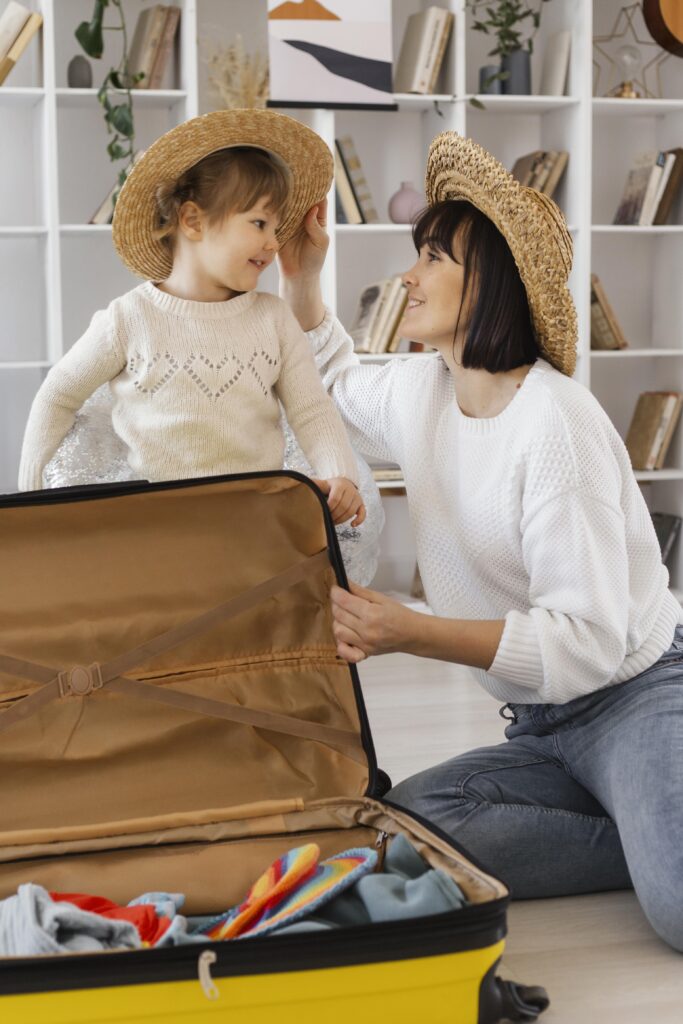
Choosing the Right Size for a Child’s Travel Bag
Selecting the correct size is one of the most important steps in finding the perfect child’s travel bag. The right fit depends on your child’s age, strength, and how long the trip will last. A well-sized bag gives your child freedom and comfort, while the wrong one can cause strain or frustration.
For Younger Children (Ages Three to Six)
Children in this age range need something small, soft, and easy to carry. A compact backpack or tiny rolling case that fits their body size works best. It should hold a few sets of clothes, small toys, and travel snacks without becoming heavy. Keep in mind that younger children tire easily, so they should never be expected to carry a full bag for long distances.
Choose lightweight materials and wide straps. For short trips, a backpack with two sections is usually enough. If you are flying, make sure it fits under an airplane seat. Younger children enjoy having bags decorated with friendly characters or bright colors because it gives them a sense of excitement about travel.
For School-Aged Children (Ages Seven to Twelve)
As children grow, they can handle slightly larger and more structured bags. Around this age, they may prefer rolling luggage with handles or convertible bags that can switch between rolling and carrying. A capacity of twenty five to thirty five liters often provides enough space for clothes, shoes, and essentials.
At this stage, look for durable wheels, smooth zippers, and internal straps that keep clothing in place. These features help children stay organized and make it easier for them to manage their own belongings. If the child will be packing for school trips or family vacations, extra compartments for toiletries or electronic devices will come in handy.
For Teenagers
Teenagers can usually manage standard carry-size luggage but may still prefer smaller options if the trip is short. They often value style as much as practicality. For this age, neutral designs with modern colors work better than cartoon prints. Teens appreciate compartments for gadgets, chargers, or small items they want to access easily.
When buying for this age group, let them participate in the selection. It helps them develop a sense of ownership and teaches them to choose based on comfort and practicality rather than only appearance.
Smart Packing for a Child’s Travel Bag
Once you have chosen the right bag, the next challenge is packing it efficiently. The way you organize items inside can determine how smoothly your journey goes. Smart packing saves time, avoids clutter, and keeps your child comfortable throughout the trip.
1. Start with a Packing List
Before you begin, make a checklist. Include clothes, shoes, toiletries, snacks, toys, and any necessary documents or medications. Involve your child in the process. Let them decide which toy or book they want to bring. This small step gives them confidence and helps them remember what they packed.
2. Roll Clothes Instead of Folding
Rolling clothes takes up less space and prevents wrinkles. It also helps children see everything in the bag without unpacking everything. If you use small pouches or cloth bags for grouping clothes, label them clearly so your child can find what they need without help.
3. Use Separate Compartments
Keep essentials in easy-to-reach sections. For example, place snacks and a water bottle in outer pockets. Store toiletries and small accessories in zip pouches. Keep a change of clothes near the top of the main compartment for quick access in case of spills or accidents. The more predictable the layout, the more confident your child will be while using their travel bag.
4. Pack for Balance
When using a rolling bag, place heavier items like shoes or books near the wheels to maintain balance. For backpacks, heavier items should be placed closer to the back panel so the weight rests evenly across the shoulders. A balanced bag feels lighter and reduces the risk of shoulder pain or tipping.
5. Include a Mini Comfort Kit
Long journeys can get tiring for children. Create a small comfort kit with travel wipes, tissues, headphones, and a small toy or stuffed animal. It can be kept in an outer pocket or a small pouch inside the bag. This simple addition helps your child stay calm during long waits or unexpected delays.
6. Add a Personal Touch
Let your child personalize the bag slightly. A name tag, a fabric patch, or a luggage charm can make their travel bag feel special. Personal touches make the bag easily recognizable in crowded areas and build emotional attachment. When children love their bags, they take better care of them.
Common Mistakes to Avoid When Choosing a Child’s Travel Bag
Even with the best intentions, parents sometimes make choices that reduce the comfort and usefulness of a child’s travel bag. Avoiding these mistakes can save both money and stress.
1. Buying a Bag That Is Too Large
It may seem smart to buy a bigger bag your child can grow into, but this approach often backfires. A heavy or oversized bag becomes hard to manage. Children may drag it awkwardly or rely on parents to carry it. The goal is to choose the right size for today’s needs, not a future guess.
2. Ignoring Material Quality
A bag that looks appealing but has weak zippers or thin fabric will not last. Once a zipper breaks or a seam rips, the whole bag loses its function. Always test the strength of handles and wheels before purchase.
3. Focusing Only on Style
Appearance matters, but comfort and durability are more important. A beautiful design is useless if the straps cause discomfort or the wheels jam after one trip. Function should come first, followed by color and pattern.
4. Forgetting Easy Access Pockets
Children often need to grab small items quickly, such as snacks or a toy. A bag with no accessible pocket means constant unpacking. A few small exterior pockets can make travel much easier for both child and parent.
5. Ignoring How the Bag Feels When Carried
Never buy a bag without testing it. Let your child wear or pull it around the store. Watch how easily they can handle it. If it feels awkward or heavy even when empty, it will only get worse once filled.
6. Skipping Safety Features
Safety is not limited to keeping valuables secure. Reflective details, sturdy buckles, and smooth wheels all play a role in keeping your child safe and comfortable. A strong handle prevents finger pinches, while good balance prevents tipping on stairs or uneven ground.
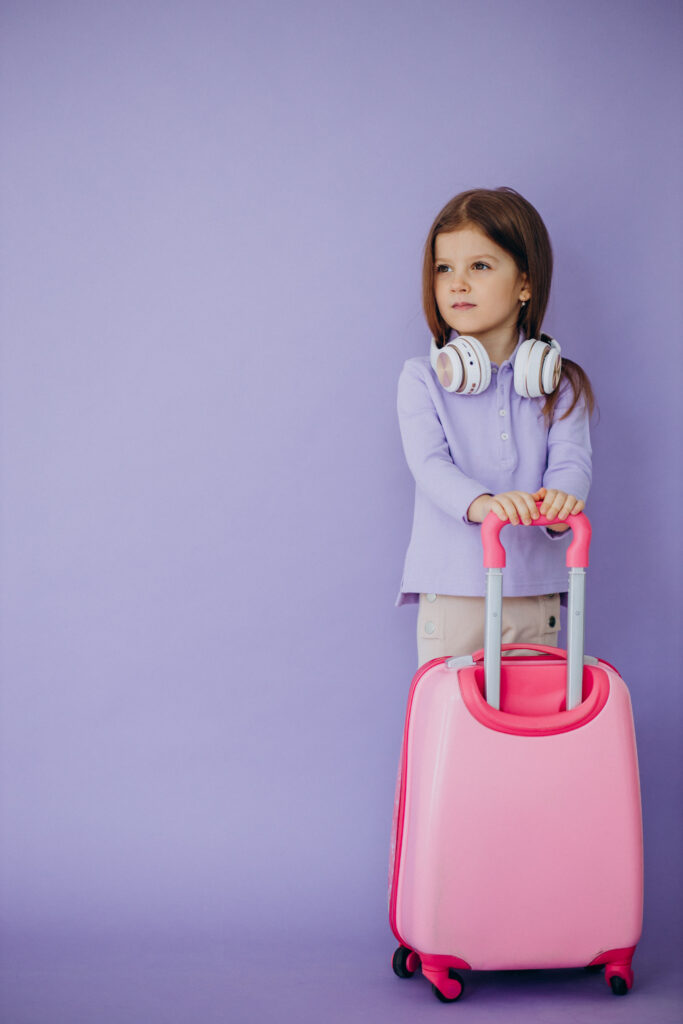
How to Use a Child’s Travel Bag Effectively During Trips
Having the perfect child’s travel bag is only half the journey. The way you use it can either simplify travel or create new challenges. Teaching your child how to manage their bag and organizing it properly will make every trip smoother and more enjoyable for both of you.
Teach Your Child to Handle Their Bag
Children love to imitate adults, and travel is a great chance to teach them responsibility. Before you leave, show your child how to roll, carry, or wear their bag properly. Explain which side should face their body, how to lift it safely, and where to place it when sitting down. Let them practice at home for a few minutes so they feel comfortable managing it during travel.
During the trip, encourage them to take care of their belongings. Simple habits like placing the bag upright, closing zippers after use, and keeping it close in public spaces build awareness and responsibility. It also prevents you from constantly having to remind them.
Keep Essentials Within Easy Reach
A well-organized child’s travel bag can save time during security checks or sudden stops. Keep travel documents, snacks, wipes, and water bottles in the outer pockets. Store heavier or less frequently used items in the main compartment. When your child knows exactly where things are, they feel more confident and independent.
If you are traveling by plane, bus, or train, teach your child how to keep the bag near their feet or under the seat. This way they can access what they need without standing up or searching through overhead compartments.
Balance Independence and Guidance
It is important to let your child feel in charge of their own travel bag, but always supervise quietly. Check the contents before leaving to ensure essentials are packed. Young children may forget basic things like a toothbrush or a jacket. Gently remind them without taking complete control. Travel becomes more enjoyable when they feel trusted yet supported.
Plan for Quick Access at Security or Checkpoints
If you are traveling internationally or through busy stations, make sure items like tablets or liquids are placed near the top of the bag for easy removal. This reduces delays and teaches your child how to stay organized in structured environments. It also helps them understand the importance of cooperation during travel checks.
Encourage Neatness During the Trip
A bag that starts organized should stay that way. Encourage your child to repack their belongings after each use. Create a simple rule such as “what you take out, you put back right away.” These habits prevent clutter and make unpacking at the destination faster.
Helpful Accessories for a Child’s Travel Bag
A few small accessories can greatly improve how efficiently your child uses their travel bag. These items add comfort, security, and convenience without adding much weight.
1. Travel Name Tags
Always label your child’s bag clearly with their name, your contact number, and destination details if needed. Choose tags made from soft material so they do not break easily. A personalized name tag also helps your child identify their bag quickly.
2. Packing Cubes or Cloth Pouches
Packing cubes simplify organization and make unpacking effortless. You can group clothes by type or day. They also help your child remember where their things belong. For very young children, color-coded pouches work well because they can associate colors with specific items.
3. Small Toiletry Kit
A miniature toiletry kit designed for kids keeps hygiene items separate from clothing. Include toothbrush, toothpaste, a small towel, and travel-safe bottles. Make sure all containers are secure to prevent leaks.
4. Waterproof Bag for Wet Clothes
Children often spill, swim, or play in ways that lead to wet clothing. A small waterproof bag or plastic pouch can save the rest of their belongings from moisture. It is also useful for dirty laundry during long trips.
5. ID and Travel Card Holder
If your child travels frequently, give them a soft holder for an identification card or small travel pass. It builds a sense of importance and teaches them to keep personal documents safe.
6. Luggage Strap or Belt
A simple adjustable strap helps keep rolling luggage closed and adds stability during transport. It also gives parents peace of mind knowing the bag will not burst open accidentally.
7. Reusable Snack Containers
Rather than plastic bags, use small reusable containers for snacks or fruit. They prevent crumbs inside the bag and teach your child an eco-friendly habit at a young age.
When to Upgrade a Child’s Travel Bag
Every travel bag has a lifespan. Even the most durable design will eventually show signs of wear. Knowing when to replace it helps maintain safety and convenience.
If zippers begin to stick, wheels wobble, or fabric tears at the seams, it is time for an upgrade. Likewise, as your child grows taller, the bag’s size or handle height may no longer be suitable. A bag that once fit perfectly might become too small or awkward.
Consider replacing it when travel becomes uncomfortable for your child. A new, well-fitted bag can reignite their excitement for future trips. Involving them in the selection process again helps reinforce responsibility and decision-making.
The Long-Term Value of a Quality Child’s Travel Bag
It can be tempting to buy a cheaper bag, especially when children grow quickly. However, a well-made travel bag often proves more economical in the long run. High-quality materials reduce the risk of breakage, and thoughtful design ensures years of use.
A strong zipper that works smoothly saves frustration. Reinforced corners and water-resistant fabric protect the contents from damage. Smooth wheels glide effortlessly even when the bag is full. When you invest in quality once, you avoid the cost and hassle of frequent replacements.
Moreover, a durable bag creates trust between the child and their belongings. Children begin to value the reliability of good materials. They learn that well-made things last longer when handled with care. This small lesson can carry into other parts of their lives.
High-quality child’s travel bags also have emotional value. Many children remember their first “real” travel bag as part of their early adventures. The bag becomes a companion that holds memories of airports, road trips, or holidays. That connection is worth preserving.
Real-Life Travel Scenarios and Tips for Parents
Traveling with children can be unpredictable. The right child’s travel bag can make a noticeable difference in how relaxed and prepared you feel. Here are a few real-world situations and how to handle them smoothly.
1. Road Trips
For car journeys, prioritize easy access. Place the child’s travel bag where your child can reach it without unbuckling. Pack a small pillow, water bottle, and snacks in the outer pockets. Keep a book, soft toy, or game in the top compartment to help pass time between stops.
Remind your child to close zippers after every use, especially if the bag rests on the seat. Spilled snacks or open pockets can lead to mess and distraction.
2. Airplane Travel
Airports require more organization. Make sure travel documents, boarding passes, and any tablets or entertainment items are easy to remove. Place them in the front pocket of the bag. Avoid overpacking so your child can lift or roll their bag without help.
If the airline allows, let your child wheel their bag through check-in and security. This builds confidence and teaches them how to follow travel procedures. Always double-check the weight to ensure it meets hand-carry rules.
3. Train or Bus Journeys
In crowded terminals or bus stations, keep the child’s travel bag strapped or placed between your seats. Choose a bright color so it’s easy to spot among other luggage. Pack wipes and sanitizers near the top since public surfaces can be dusty or sticky.
Encourage your child to carry their essentials — like earphones, coloring books, or light snacks — rather than scattering them around the seat. This makes cleanup quick when you reach your stop.
4. Vacations and Family Visits
When visiting relatives or staying in hotels, teach your child to unpack their bag neatly in one designated spot. This prevents their belongings from mixing with others. Keeping things organized reduces stress when it’s time to repack.
If staying for more than a few days, show your child how to separate clean and used clothes. The waterproof pouch you packed earlier will come in handy here.
Maintenance and Care of a Child’s Travel Bag
Proper care extends the lifespan of any travel bag. A quick cleaning routine after every trip keeps it fresh and ready for the next adventure.
1. Empty the Bag Completely
Once you return home, remove every item from each pocket. Small crumbs or wrappers can attract insects or odors if left inside.
2. Clean the Fabric
Use a soft cloth and mild soap solution to wipe the outer surface. Avoid soaking it, especially if the fabric isn’t fully waterproof. For rolling bags, clean the wheels gently with a damp cloth to remove dirt buildup.
3. Air Dry Thoroughly
Leave the bag open in a well-ventilated space. This prevents moisture from causing mold or unpleasant smells.
4. Store it Properly
Keep the bag upright in a dry area, away from direct sunlight. If space is limited, you can stuff it with paper or old fabric to maintain shape.
These simple steps preserve both appearance and structure. The better you care for it, the longer your child will enjoy using it.
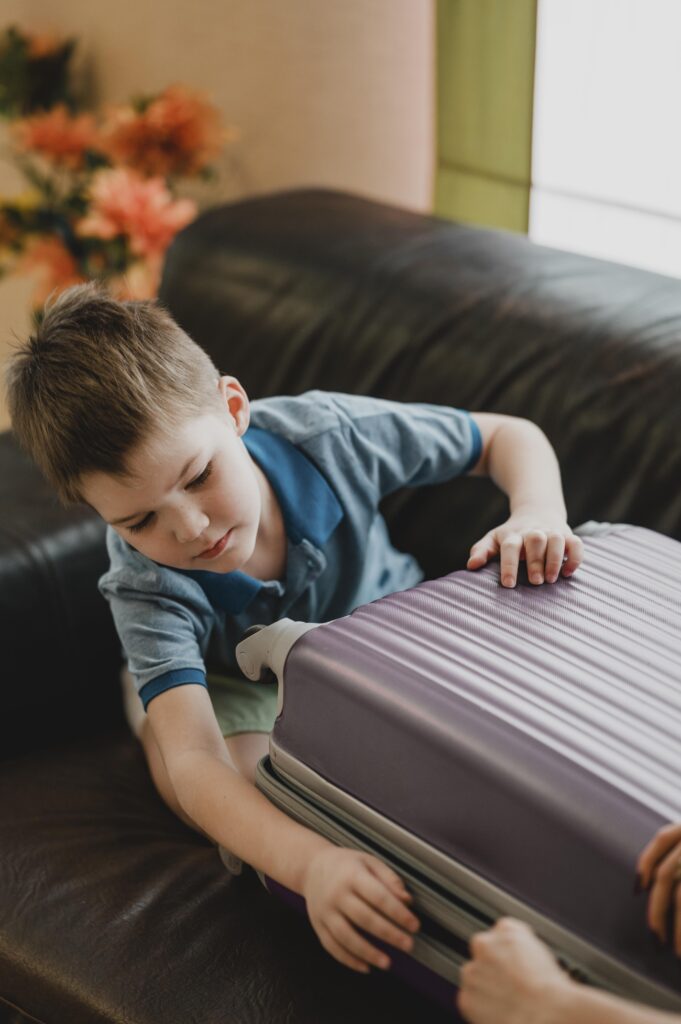
Why a Child’s Travel Bag Is More Than Just Luggage
For parents, a travel bag is often a checklist item. But for children, it represents something more — a small piece of independence. It becomes their personal space, filled with their favorite things. Whether it’s a small backpack for a weekend trip or a rolling suitcase for a family vacation, it gives them a sense of responsibility and identity.
A child’s travel bag teaches lessons about order, cleanliness, and ownership. It can spark early confidence, showing them that being organized can make life easier. And because it’s something they use on fun occasions, those lessons feel natural and enjoyable.
The right bag doesn’t just carry belongings — it carries experiences. Every sticker, scratch, or tag tells a story of places visited and moments shared. That’s what makes it special.
Frequently Asked Questions About Child’s Travel Bags
What is the ideal age for a child to start using their own travel bag?
Children as young as three can start using a small backpack. By age six or seven, they can manage a rolling suitcase comfortably if it is lightweight and fitted to their height.
What size should a child’s travel bag be?
For short trips, a 10 to 15 liter backpack works well. For longer vacations, look for 18 to 25 liters or a small suitcase around 16 to 18 inches in height. The bag should not be taller than your child’s torso.
Should I buy a rolling bag or a backpack for my child?
It depends on the type of travel. Rolling bags are best for airports and smooth floors, while backpacks suit car trips, outdoor travel, or destinations with uneven ground. Many parents choose a convertible option with both straps and wheels for flexibility.
How can I ensure my child’s travel bag is safe to use?
Check that zippers are smooth, straps are adjustable, and materials are free from sharp edges. Reflective strips on the outer surface improve visibility during night travel. Avoid bags that are too heavy when empty.
What materials are best for durability?
Water resistant polyester and reinforced nylon are both strong and easy to clean. Avoid cheap plastics that can crack or tear after a few uses.
How do I make my child excited about their new travel bag?
Let them choose the design, color, or cartoon character. Personal involvement builds excitement and responsibility. You can also add small charms or name tags to make the bag feel unique.
How often should I replace a child’s travel bag?
Most good quality bags last two to three years with proper care. Replace it sooner if the zippers fail, wheels jam, or the bag becomes too small for your growing child.
Can a child’s travel bag be used for school or daily activities?
Yes, many compact travel bags double as school bags or weekend backpacks. However, if it has wheels, make sure your child can handle them safely in crowded hallways.
How do I pack efficiently for my child?
Use packing cubes or pouches for different categories such as clothes, toys, snacks, and hygiene items. Keep frequently used things in outer pockets. Always balance weight evenly to prevent strain.
What is the best way to clean a child’s travel bag?
Hand cleaning with mild soap is usually enough. Avoid machine washing unless the label specifically says it is safe. Let it air dry completely before storing.
Final Thoughts
A child’s travel bag is not just a small piece of luggage. It’s a companion for family adventures, a classroom for learning responsibility, and a vessel for memories that will last far beyond the trip itself. Choosing the right one means balancing design, comfort, safety, and function.
When your child feels proud of their own bag, travel becomes something they look forward to rather than something they have to do. And for parents, that simple joy of watching them take charge — even in small ways — is what makes the journey truly worth it.
Related Content
https://exploretravel.blog/2025/11/07/best-mens-travel-bags-guide/
https://exploretravel.blog/2025/11/04/nomatic-travel-pack-review/