
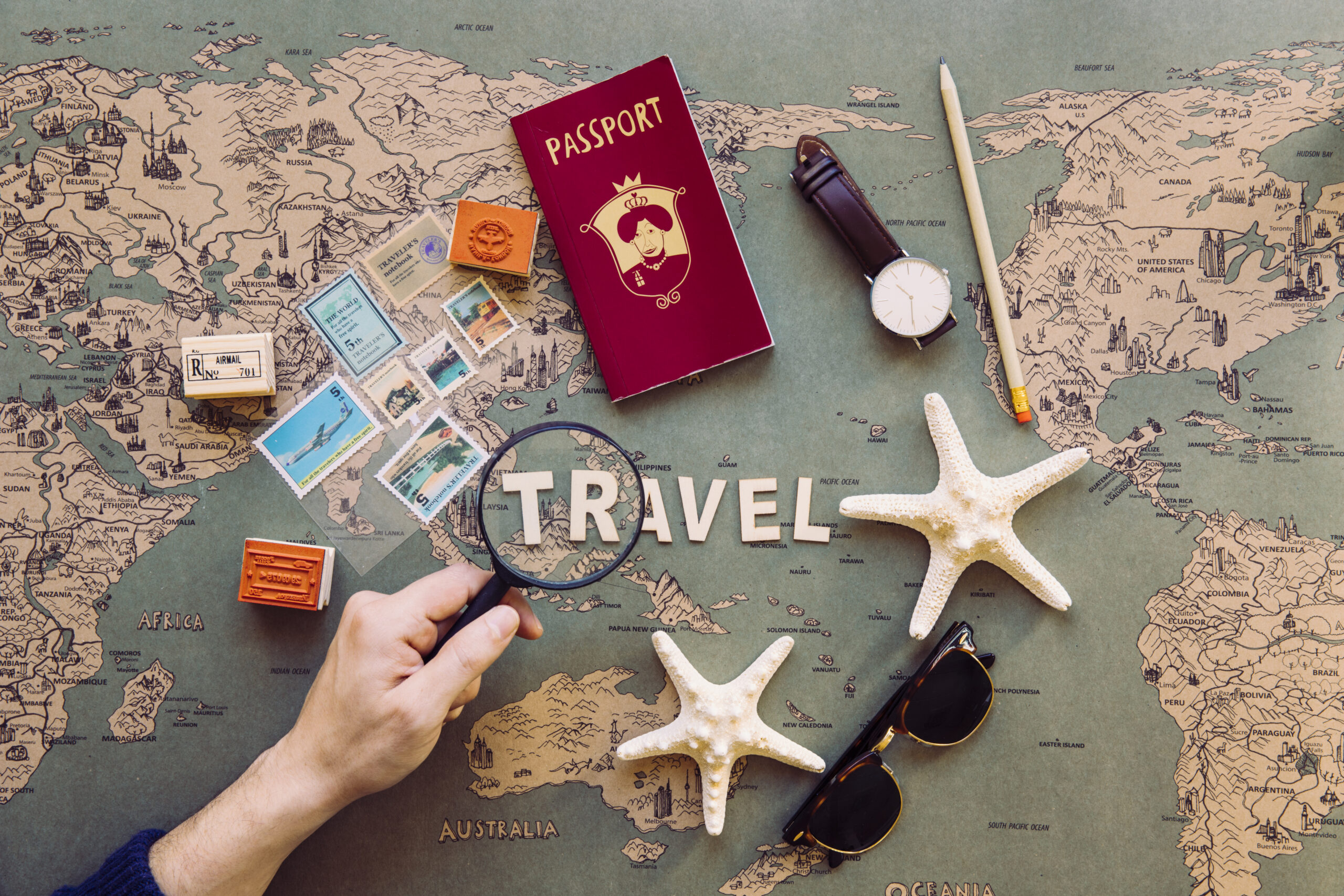
Every great trip begins long before you pack your bags. It starts with a plan not a rigid schedule, but a roadmap that helps you make the most of your time, energy, and money. That roadmap is your travel itinerary.
A well-made itinerary doesn’t just tell you where to go; it gives structure to your adventure. It balances excitement with ease, ensuring you don’t waste hours wondering what to do next or rushing through places you’ll never forget. Whether you’re planning a solo trip, a family vacation, or a group getaway, learning how to create a smart and flexible travel itinerary can completely change how you travel.
In this guide, you’ll learn what a travel itinerary really is, why it’s essential, how to design one like a pro, and how to tailor it to any destination or travel style. By the end, you’ll have the tools to build your own itinerary that’s realistic, organized, and filled with unforgettable moments.
What Is a Travel Itinerary
A travel itinerary is a detailed outline of your trip that lists what you’ll do, where you’ll go, and when you’ll do it. It usually includes information like flight details, hotel reservations, sightseeing plans, transportation options, and meal breaks.
Think of it as your travel blueprint — it guides you from one experience to the next while keeping your days balanced and stress-free.
But a true travel itinerary is more than just a list of times and places. It’s a reflection of your travel goals. For some, it’s about seeing every major landmark. For others, it’s about slowing down and exploring hidden gems. That’s why every great itinerary is personalized — designed around what matters most to you.
Here’s what a typical travel itinerary may include:
- Dates of your trip
- Destination(s) and routes
- Transportation schedules (flights, trains, etc.)
- Accommodation details
- Daily activity breakdowns
- Meal plans or restaurant stops
- Free time for rest or spontaneous plans
- Emergency contacts and important information
Having all this in one place saves you from confusion and ensures you stay on track without feeling rushed.
Why a Travel Itinerary Matters
A lot of travelers underestimate how powerful a simple plan can be. They assume spontaneity is the key to fun. While being flexible is important, having a structured itinerary doesn’t mean losing freedom — it actually gives you more of it.
Here’s why a travel itinerary is worth the effort:
- Maximizes your time: With a plan, you’ll see more, experience more, and waste less time deciding what to do next.
- Saves money: Booking ahead and knowing your routes helps you avoid overpriced last-minute decisions.
- Reduces stress: You can travel confidently knowing you’ve already handled logistics like transport and accommodation.
- Balances rest and exploration: An itinerary helps you avoid burnout by spacing out activities realistically.
- Improves safety: Keeping copies of key details like emergency numbers and hotel info can be lifesaving in unfamiliar places.
- Enhances travel memories: You’re more present when you’re not constantly figuring out what’s next.
A well-designed travel itinerary isn’t about controlling every moment — it’s about building a framework that lets you enjoy your trip to the fullest.
Core Elements of a Perfect Travel Itinerary
Not all itineraries are created equal. The best ones are detailed enough to keep you organized but flexible enough to handle changes. To build an effective one, focus on these core elements:
1. Clear Travel Dates and Duration
Start by confirming your arrival and departure dates. Everything else will depend on this. Know exactly how many days you have so you can divide your time wisely between destinations.
2. Destination Research
Before you plan daily activities, research your destination. Look into its climate, culture, distances between attractions, and local events. This helps you avoid unrealistic schedules and lets you plan activities that make sense.
3. Transportation Details
Include how you’ll move between places — flights, trains, taxis, rental cars, or buses. Write down times, booking confirmations, and addresses to avoid last-minute confusion.
4. Accommodation Information
List your hotel or Airbnb addresses, contact numbers, and check-in/check-out times. Add a backup option if your plans change unexpectedly.
5. Daily Schedule
Break your trip into days and plan morning, afternoon, and evening slots. Keep it balanced — mix popular spots with local experiences and allow time for breaks or spontaneous discoveries.
6. Budget and Expenses
Outline estimated costs for transport, accommodation, food, and activities. Having a basic idea of your spending helps prevent overspending and keeps your trip stress-free.
7. Emergency Details
Include important contacts such as your country’s embassy, local hospitals, or family members. Store a digital and physical copy of these details for safety.
8. Flexibility
Leave open time blocks for relaxation or unplanned fun. A rigid plan often leads to frustration. Flexibility makes your itinerary sustainable and enjoyable.

Step-by-Step Guide to Creating a Travel Itinerary
Creating a travel itinerary might sound like a lot of work, but once you know the process, it becomes surprisingly simple and enjoyable. Think of it as designing the map of your adventure — one that makes every moment count. Whether you are planning a quick weekend getaway or a long international journey, the steps below will help you create a smart, efficient, and personal travel itinerary that fits your goals and budget.
Step 1: Define the Purpose of Your Trip
Before diving into dates and destinations, ask yourself why you are traveling.
Are you looking to relax by the beach, explore a city’s culture, or experience nature?
Your purpose shapes everything that follows.
For example:
- If you are seeking relaxation, you might plan longer stays in fewer places.
- If your goal is adventure, your itinerary will focus on experiences and outdoor activities.
- If it’s a family vacation, you will prioritize comfort and kid-friendly attractions.
Having a clear purpose will prevent your itinerary from becoming crowded or confusing. It will help you make decisions that align with what you actually want from the trip.
Step 2: Choose Your Destination Wisely
Once you know the purpose, it’s time to pick your destination. Do your research carefully. Compare the cost, weather, safety, and accessibility of different places.
A dream destination can quickly turn stressful if you don’t plan around the right season or local conditions.
Ask yourself:
- What is the best time to visit this place?
- Are there any local festivals or events happening during my stay?
- How expensive is the average cost of living there?
- What are the entry requirements or travel restrictions?
Choosing wisely ensures your travel itinerary starts on a solid foundation.
Step 3: Decide the Duration of Your Trip
The length of your trip determines how detailed your itinerary should be. A two-day city break and a three-week Europe trip require very different planning.
Here is a simple guideline:
- For short trips, plan your days tightly but still leave breathing room.
- For long trips, keep the schedule more open and flexible.
Always remember that travel days themselves take time. Factor in flights, airport transfers, and rest hours after long journeys. This keeps your itinerary realistic and avoids burnout.
Step 4: Set a Budget and Stick to It
Your budget is the backbone of your travel itinerary. Without it, even the best plans can fall apart.
Start by deciding how much you can comfortably spend. Then divide it into categories such as:
- Flights and transportation
- Accommodation
- Food and drinks
- Sightseeing and activities
- Shopping and souvenirs
- Emergency or extra funds
Once you set a rough budget, research average prices in your destination. That helps you make choices that fit your financial plan while still allowing you to enjoy the experience.
Step 5: List Down All the Must-See Attractions
Now comes the fun part. Make a list of everything you want to see and do.
Use travel blogs, YouTube videos, and official tourism websites for inspiration.
Create two categories:
- Must-visit attractions
- Optional or nice-to-see places
Once you have the list, mark them on a map. This will help you see which spots are close to each other so you can group them by area. This trick saves both time and money when you’re traveling.
Step 6: Organize Your Days Logically
Once your attractions are grouped by location, start arranging your daily schedule.
For example, if you are visiting Paris, you could plan a “museum day,” a “historic landmarks day,” and a “local food day.”
Keep your days balanced by mixing activities that require energy with those that are relaxing. For instance, visiting the Eiffel Tower in the morning and enjoying a calm boat cruise in the evening creates a satisfying rhythm.
Try to include:
- Morning: Major attractions or tours
- Afternoon: Lunch and relaxed exploration
- Evening: Cultural activities, shopping, or dining
Remember, the goal is not to check off every landmark. It’s to enjoy each experience fully.
Step 7: Plan Your Transportation Smartly
Transportation can make or break your trip. Research how to get from one place to another within your destination.
If you are traveling between cities, check the best available options: trains, buses, or flights. If you are exploring within a city, look into local transport like metros, taxis, or bike rentals.
Write down the departure times, travel durations, and booking confirmations in your itinerary.
Having everything in one place will save you from confusion, especially when you are tired or in a new environment.
Step 8: Book Accommodation Strategically
Accommodation is not just a place to sleep; it shapes your travel experience.
Choose locations that are convenient and safe. Ideally, stay near public transport or the main attractions to save time and energy.
Before booking, read real reviews instead of just trusting the pictures. Look at details like cleanliness, safety, and breakfast options.
Include in your itinerary:
- Hotel name
- Address
- Contact number
- Check-in and check-out times
If possible, note the cancellation policy. It gives peace of mind in case your plans shift.
Step 9: Include Free Time and Rest
A common mistake travelers make is filling every moment of their itinerary. The truth is, even the most exciting trip needs rest.
Build small gaps into your days — coffee breaks, sunset walks, or unplanned detours.
Some of the best travel memories come from moments that weren’t on the list. A flexible schedule keeps you open to local surprises and spontaneous fun.
Step 10: Add Important Contacts and Backup Information
Before you finalize your travel itinerary, gather important contact details such as:
- Embassy or consulate of your country
- Local emergency numbers
- Hotel contacts
- Airline customer service
- Family or friends back home
Store them both digitally and in printed form. It’s a small step that can be extremely helpful in unexpected situations.
Step 11: Review and Refine
Once you’ve written your entire itinerary, go through it again carefully. Check if your plans are realistic and balanced.
Ask yourself:
- Are the travel times manageable?
- Do I have enough downtime?
- Did I include too many attractions in one day?
- Does my plan match my travel goals?
This review ensures that your itinerary isn’t just complete but practical. After this, your travel plan is ready for the adventure ahead.

Pro Tips for Building the Perfect Travel Itinerary
Here are some extra tips from experienced travelers that can make your itinerary stand out:
- Use Google Maps to measure actual travel distances.
- Keep digital copies of your bookings in cloud storage for easy access.
- Always include a “Plan B” in case of weather changes.
- Prioritize experiences over quantity — it’s better to enjoy a few places deeply.
- Save local restaurant options in your notes to avoid eating at tourist traps.
- Download offline maps if internet access might be limited.
Small habits like these make your travel itinerary not just functional but travel-proof.
How to Personalize Your Travel Itinerary for Every Traveler
Every traveler is different. Some want to explore every street, while others want peace and quiet. Some enjoy solo adventures, while others love group travel. A one-size-fits-all approach never works when it comes to a travel itinerary.
Personalizing your itinerary ensures that it reflects your style, energy, and purpose. It also makes your trip smoother, more enjoyable, and more memorable. Let’s look at how to create the perfect itinerary for different types of travelers.
1. Travel Itinerary for Solo Travelers
Solo travel is about freedom, discovery, and self-reflection. When you plan your itinerary alone, flexibility is your best friend.
Here’s how to design an effective solo travel itinerary:
- Plan light but clear: Include must-see attractions and safe transport routes but keep free time for spontaneous exploration.
- Stay connected: Choose accommodations near public areas, cafes, or local markets. They help you meet people easily.
- Include downtime: Traveling alone can be intense. Schedule quiet breaks for journaling, photography, or resting.
- Share your itinerary: Leave a copy with family or friends for safety and peace of mind.
A solo travel itinerary should focus on balance. It should be structured enough for comfort but open enough for adventure.
2. Travel Itinerary for Couples
A couple’s itinerary is about shared experiences, romance, and balance. The goal is to plan activities that bring you closer while still allowing personal space.
Here are key tips for a couple’s travel itinerary:
- Mix adventure and relaxation: Start the day with exploration and end it with a quiet dinner or a sunset view.
- Add surprises: Plan one secret activity for your partner — a beach picnic, a special restaurant, or a night walk.
- Avoid rushing: Include travel time between attractions to stay relaxed.
- Include shared interests: Whether it’s food, photography, or history, focus on what you both love.
The best couple itineraries are thoughtful and flexible. They turn every day of the trip into a shared story.
3. Travel Itinerary for Families
Family trips require a mix of entertainment, comfort, and safety. Planning for kids, parents, or elders means your travel itinerary must be realistic and organized.
Here’s how to create a family-friendly itinerary:
- Choose kid-friendly activities: Include parks, aquariums, and interactive museums.
- Plan around meals and naps: Keep children’s routines in mind when scheduling.
- Book family-sized accommodations: Hotels with kitchens or connected rooms make things easier.
- Keep travel short: Avoid long road trips or tight connections.
- Add buffer days: Kids may get tired or sick. Always have a flexible day in your schedule.
A well-made family itinerary reduces stress for parents and keeps everyone happy and engaged throughout the trip.
4. Travel Itinerary for Adventure Seekers
Adventure travelers need itineraries that maximize thrill while keeping safety first.
Here’s what makes an excellent adventure travel itinerary:
- Start strong: Plan major outdoor activities early when your energy is high.
- Include recovery time: Rest days are essential after physical challenges like hiking or diving.
- Research safety rules: Always check local regulations and guides.
- Pack smart: Include extra time for gear rentals or training sessions.
Adventure itineraries should be energetic but realistic. They allow you to push limits without exhausting yourself.
5. Travel Itinerary for Business Trips
A business travel itinerary is all about efficiency. It combines meetings with short moments of leisure.
Here’s how to plan a productive business travel itinerary:
- Schedule meetings early: Handle work first to leave evenings free.
- Book hotels near venues: Cut down travel time between appointments.
- Add quick experiences: Visit local attractions between meetings.
- Keep everything digital: Store your itinerary, bookings, and meeting notes online.
With good planning, a business trip can become both productive and personally rewarding.
Adapting Your Travel Itinerary Based on Trip Length
The structure of a travel itinerary depends a lot on how many days you have.
Here’s a breakdown to help you design wisely.
Short Trips (1–3 Days)
Short trips work best when you focus on a single destination.
- Limit yourself to two or three main attractions each day.
- Book centrally located accommodation.
- Avoid long-distance transport or multi-city travel.
- Leave one evening free for a relaxed dinner or a walk.
Your short-trip itinerary should feel refreshing, not rushed.
Medium Trips (4–7 Days)
This is the most common travel length and allows for a perfect balance of sightseeing and rest.
- Plan two major sightseeing days, one local culture day, and one rest day.
- Include one “flex day” for weather changes or spontaneous plans.
- Organize travel between nearby cities if needed.
With a week-long itinerary, travelers can experience both highlights and hidden gems comfortably.
Long Trips (8 Days or More)
For long journeys, the key is sustainability.
You should plan for energy, money, and time.
- Include full rest days.
- Rotate between active and calm destinations.
- Revisit your itinerary weekly to make adjustments.
- Use local transport instead of long flights when possible.
A long-term travel itinerary should feel natural and easy to follow.
Best Tools and Apps to Create a Smart Travel Itinerary
Technology has made travel planning easier than ever. You no longer need to carry printed maps or guidebooks. Today, a few smart apps can handle everything from booking flights to organizing your daily plans.
Here are some of the best tools to help you build a professional and organized travel itinerary:
- Google Maps: Helps you plan routes and estimate travel time between attractions.
- TripIt: Automatically organizes flight, hotel, and booking emails into one itinerary.
- Roadtrippers: Ideal for road trips. It shows routes, attractions, and restaurants along the way.
- Evernote or Notion: Great for keeping all travel notes, tickets, and reminders in one place.
- Skyscanner and Kayak: Compare flights and track price changes easily.
- Rome2Rio: Lets you see all possible transport options between two places.
- Google Calendar: A simple tool for scheduling daily plans and reminders.
Using these tools will make your travel itinerary more dynamic, accessible, and reliable.
Pro Tip: Keep Both Digital and Printable Copies
While digital tools are convenient, always keep a printed copy of your itinerary.
Technology can fail when you least expect it — low battery, poor signal, or lost access. Having a paper copy in your bag ensures you always know where to go next.
Store your itinerary in two forms:
- Digital copy: In your phone, email, or cloud storage.
- Physical copy: Printed and kept with your travel documents.
This simple habit can save you from unexpected stress during your trip.
Real-World Travel Itinerary Examples and Final Thoughts
By now, you understand what a travel itinerary is, how to build one step by step, and how to personalize it for any traveler. But theory alone is not enough. Seeing real examples helps you visualize what a complete itinerary looks like and how to adjust it for your own trip.
Let’s walk through a few detailed examples that show how a perfect travel itinerary works in different situations.
Example 1: Three-Day City Escape (Paris, France)
Purpose: Cultural exploration and relaxation
Trip Length: 3 days
1st Day:
- Morning: Visit the Eiffel Tower and enjoy breakfast nearby
- Afternoon: Explore the Louvre Museum and the Tuileries Garden
- Evening: Dinner cruise on the Seine River
2nd Day:
- Morning: Visit Montmartre and the Sacré-Cœur Basilica
- Afternoon: Lunch at a local café and explore hidden art streets
- Evening: Watch a cabaret show or relax at a rooftop terrace
3rd Day:
- Morning: Visit Notre-Dame Cathedral and Sainte-Chapelle
- Afternoon: Shopping at Champs-Élysées
- Evening: Relax at Luxembourg Gardens before departure
This short travel itinerary focuses on balance — blending famous landmarks with calm moments and authentic experiences.
Example 2: Seven-Day Beach Vacation (Bali, Indonesia)
Purpose: Relaxation, exploration, and nature
Trip Length: 7 days
Day 1: Arrival in Bali, rest, and sunset walk at Kuta Beach
Day 2: Visit Uluwatu Temple and enjoy traditional dance shows
Day 3: Beach hopping around Seminyak and Canggu
Day 4: Day trip to Ubud and Tegenungan Waterfall
Day 5: Explore rice terraces and local coffee plantations
Day 6: Water sports in Nusa Dua and evening spa session
Day 7: Shopping, final lunch, and return flight
This itinerary provides a natural flow — adventure in the middle, rest at both ends. That rhythm helps travelers return home refreshed.
Example 3: Ten-Day Cultural Journey (Japan)
Purpose: Cultural immersion and exploration
Trip Length: 10 days
Days 1–3: Tokyo — Visit Sensoji Temple, Shibuya Crossing, and Tokyo Tower. Explore street food and technology districts.
Days 4–6: Kyoto — Visit Fushimi Inari Shrine, Gion District, and Kinkaku-ji. Try local tea ceremonies.
Days 7–8: Osaka — Enjoy Dotonbori nightlife, Osaka Castle, and local street food.
Days 9–10: Nara and Hiroshima — Visit historical landmarks before returning to Tokyo.
This travel itinerary showcases how to mix modern life with tradition while keeping daily travel time manageable.
Final Tips for Building a Professional Travel Itinerary
Creating the perfect travel itinerary is an art that improves with practice. Here are some final professional tips that separate good itineraries from great ones:
- Start planning early: Give yourself time to compare prices, read reviews, and design a realistic route.
- Prioritize quality over quantity: Visiting fewer places with more depth creates stronger memories.
- Stay flexible: No trip goes exactly as planned. Adapt and embrace surprises.
- Keep communication easy: Learn basic local phrases or download translation apps.
- Focus on experiences: Meals, people, and small details often become the best parts of a trip.
A travel itinerary should not feel like a schedule you must follow. It should feel like a guide that supports you in exploring freely and confidently.
Why a Well-Planned Travel Itinerary Creates Better Travel Memories
When you travel without direction, you may miss moments that could have made the trip unforgettable.
When you travel with a thoughtful itinerary, you create space for both excitement and rest.
It’s not about planning every hour but about shaping your journey with intention. A good itinerary is like a silent companion that keeps your trip smooth and meaningful — guiding you through places, people, and experiences that enrich your life.
Whether you are a first-time traveler or a seasoned explorer, mastering the art of the travel itinerary will make every future trip smoother, safer, and more rewarding.

Frequently Asked Questions (FAQs)
What is a travel itinerary and why is it important?
A travel itinerary is a structured plan for your trip that lists all essential details such as destinations, activities, accommodations, and transportation. It is important because it helps you manage time, avoid confusion, and enjoy your journey without stress.
How do I create a perfect travel itinerary?
Start by defining your purpose, choosing your destination, and setting a budget. Then plan daily activities, book accommodations, organize transportation, and include free time. Review your schedule to ensure it’s realistic and enjoyable.
How early should I start planning my travel itinerary?
It’s best to start at least one to two months before your trip. Early planning helps you find better deals on flights and hotels, and it gives you time to research attractions and local customs.
Do I need a travel itinerary for short trips?
Even for short trips, a simple itinerary saves time and prevents stress. It helps you focus on the best experiences without wasting hours deciding what to do next.
What tools can I use to organize my travel itinerary?
You can use Google Maps, TripIt, Evernote, or Google Calendar. These tools let you store routes, bookings, and daily plans in one place. Always keep a printed copy as a backup.
What is the main purpose of a travel itinerary?
A travel itinerary keeps your trip organized, helps manage time, and ensures you do not miss key activities. It also makes travel smoother and more enjoyable.
How can I make my travel itinerary more effective?
Start with must-see places, add flexible time, and research transport in advance. Finally, review your plan before leaving to ensure it fits perfectly.
Why is it important to include flexibility in a travel itinerary?
Flexibility allows you to adjust when plans change. For instance, weather or new discoveries can affect your schedule, so free time helps you adapt easily.
What mistakes should I avoid when creating a travel itinerary?
Avoid packing too many activities and ignoring travel times. Also, remember to add breaks so you stay fresh and enjoy every moment.
Can a travel itinerary save money while traveling?
Yes, it can. Planning early helps you find better deals and reduces last-minute costs. As a result, your trip stays enjoyable and budget-friendly.
Conclusion
A travel itinerary is more than a plan — it’s a foundation for meaningful travel. It allows you to explore new places confidently, stay organized, and experience each moment fully.
When you take the time to design your itinerary with care, you create a journey that matches your goals and personality. You travel smarter, rest better, and come home with richer stories to tell.
The next time you plan a trip, remember this: a great itinerary is not about strict control. It’s about freedom — the kind that comes from being prepared, present, and ready for whatever the road brings.
Related Content
https://exploretravel.blog/2025/10/24/unique-things-to-do-in-athens/
https://exploretravel.blog/2025/10/22/things-to-do-in-verona/